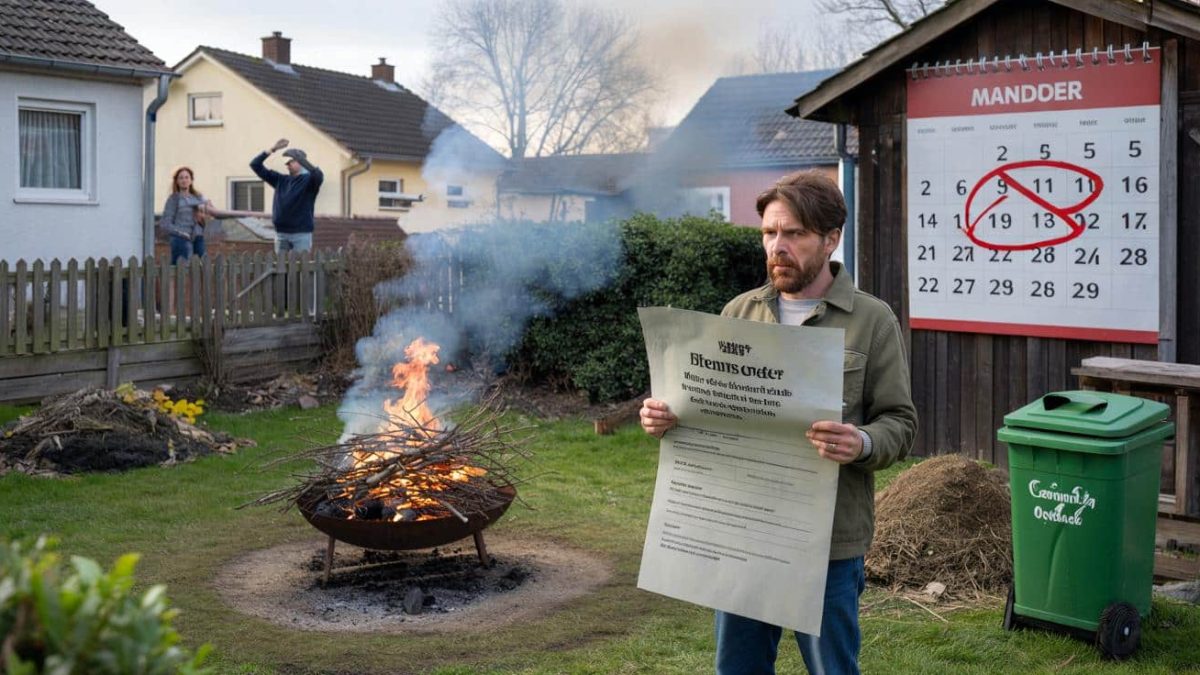
As the spring season approaches, many gardeners and homeowners eagerly await the opportunity to tidy up their outdoor spaces. However, in many communities, the traditional practice of burning garden waste is coming under increasing scrutiny. With new regulations and penalties looming, it’s important to understand the implications of this shift and explore alternative solutions that are better for the environment and the local community.
The 31st of March has become a crucial date for many municipalities, marking the end of a grace period for open-air burning of garden waste. Beyond this deadline, the rules are set to change, potentially leading to hefty fines for those who continue the practice. This transition is part of a broader effort to address the environmental impact of such activities and promote more sustainable waste management practices.
The Shift Away from Burning Garden Waste
Across Germany, local authorities are taking a closer look at the environmental consequences of open-air burning. From concerns about air pollution and greenhouse gas emissions to the potential harm to wildlife and ecosystems, the practice is coming under increasing scrutiny. As a result, many municipalities are implementing stricter regulations or even outright bans on garden waste burning.
For example, in the state of Saxony-Anhalt, the rules will change on April 1st, with fines of up to €50,000 for those who continue to burn their garden waste. Similarly, Mecklenburg-Western Pomerania is planning a complete ban on open-air burning starting in 2029, further emphasizing the need for a shift in waste management strategies.
These changes reflect a growing recognition that the traditional practice of burning garden waste has significant downsides. The smoke and particulate matter released can contribute to air pollution, while the release of carbon dioxide exacerbates the climate crisis. Additionally, the burning of certain materials can release harmful toxins into the environment, posing a risk to both human and animal health.
Exploring Alternatives to Burning Garden Waste
As the regulations around open-air burning become more stringent, gardeners and homeowners are being encouraged to explore alternative ways of managing their garden waste. One of the most eco-friendly solutions is composting, which not only reduces waste but also creates valuable organic matter for the soil.
Another option is to use the local municipal waste collection services, such as the “Biotonne” (organic waste bin) or the Wertstoffhof (recycling center), where garden waste can be properly disposed of or recycled. These services often provide a more environmentally responsible way of managing garden waste, ensuring that it is processed in a manner that minimizes its environmental impact.
By embracing these alternative solutions, gardeners can contribute to a more sustainable future while avoiding the potential penalties associated with open-air burning. It’s a small but meaningful step towards a greener and more environmentally conscious approach to outdoor maintenance.
The Potential Consequences of Continuing to Burn Garden Waste
Beyond the financial penalties, the continued practice of burning garden waste can have far-reaching consequences. Smoke and particulate matter released into the air can exacerbate respiratory issues, particularly for those with pre-existing conditions. The release of greenhouse gases also contributes to climate change, undermining broader efforts to reduce our environmental impact.
Additionally, the burning of garden waste can disrupt local ecosystems, harming wildlife and potentially contaminating soil and water sources. This is especially concerning in areas with rich biodiversity, where the preservation of natural habitats is essential for maintaining ecological balance.
As the public becomes more aware of these environmental concerns, the practice of open-air burning is also likely to face increased social and community pressure. Conflicts between neighbors over the nuisance and health effects of garden waste burning are not uncommon, underscoring the need for a more considerate and sustainable approach to outdoor maintenance.
Embracing a Modern, Waste-Conscious Approach to Gardening
As the rules around garden waste burning evolve, gardeners and homeowners have an opportunity to rethink their approach to outdoor maintenance. By adopting a more waste-conscious mindset, they can contribute to a healthier, more sustainable environment while avoiding potential legal and financial consequences.
This shift may involve exploring alternative waste management options, such as composting, investing in mulching equipment, or utilizing municipal collection services. Additionally, gardeners can consider incorporating more native plants that require less maintenance, thereby reducing the overall amount of garden waste generated.
By embracing these modern, eco-friendly practices, gardeners can not only comply with changing regulations but also become active participants in the broader effort to protect the environment and promote a more sustainable future for their communities.
Understanding the Legal Landscape
As the regulations around garden waste burning continue to evolve, it’s essential for gardeners and homeowners to familiarize themselves with the legal landscape in their respective municipalities. This includes understanding the specific deadlines, permitted activities, and potential penalties associated with open-air burning.
In some cases, exceptions may be made for certain types of garden waste or under specific circumstances. It’s important to consult local authorities or refer to municipal guidelines to ensure compliance and avoid any unintended consequences.
- ➡Geniale Oma-Tricks: Mit diesen Küchenkräutern bleiben Spinnen draußen
- ➡Astrologie enthüllt: Der 29. März 2026 bringt eine emotionale Explosion für diese Zeichen
- ➡Diese einfache 90-Tage-Regel bringt zwei Sternzeichen plötzlich zu Geld
- ➡Was wirklich passiert, wenn du eine Woche lang 8 Gläser Wasser trinkst
By staying informed and adapting to the changing legal landscape, gardeners can navigate the transition to more sustainable waste management practices while avoiding potential legal troubles and financial penalties.
The Way Forward: Embracing Eco-Friendly Gardening Practices
As the 31st of March approaches, gardeners and homeowners across Germany are facing a pivotal moment in the way they manage their garden waste. The shift away from open-air burning is a clear signal that a more sustainable and environmentally conscious approach is needed.
By embracing alternatives like composting, utilizing municipal waste collection services, and incorporating waste-reducing gardening techniques, individuals can contribute to a greener future while avoiding the potential consequences of burning garden waste. This transition not only benefits the environment but also fosters a sense of community responsibility and a shared commitment to protecting our natural resources.
As the regulations continue to evolve, it’s essential for gardeners to stay informed and adapt their practices accordingly. By doing so, they can position themselves as environmental stewards, leading the way towards a more sustainable and harmonious relationship between our homes, gardens, and the wider ecosystem.
FAQ
What is the deadline for open-air burning of garden waste in many German communities?
In many German communities, the 31st of March is considered a deadline or grace period for open-air burning of garden waste. After this date, new regulations and penalties may come into effect.
Why are local authorities cracking down on open-air burning of garden waste?
Local authorities are addressing the environmental impact of open-air burning, which can contribute to air pollution, greenhouse gas emissions, and harm to wildlife and ecosystems. The aim is to promote more sustainable waste management practices.
What are the potential penalties for continuing to burn garden waste after the deadline?
The penalties for continuing to burn garden waste can be significant, with fines of up to €50,000 in some cases. Authorities are enforcing these penalties to encourage a shift towards more eco-friendly waste management methods.
What are the alternative options for managing garden waste?
Alternatives to open-air burning include composting, using municipal organic waste collection services (such as the “Biotonne”), and taking garden waste to recycling centers (Wertstoffhof). These methods help reduce waste and minimize the environmental impact.
How can gardeners and homeowners adapt to the changing regulations?
Gardeners and homeowners can adapt by familiarizing themselves with the local regulations, exploring alternative waste management options, and incorporating more sustainable gardening practices that reduce waste generation.
What are the potential consequences of continuing to burn garden waste?
Continued open-air burning of garden waste can contribute to air pollution, greenhouse gas emissions, and disruption of local ecosystems. It may also lead to conflicts with neighbors and potential legal and financial penalties.
How can gardeners and homeowners contribute to a more sustainable future?
By embracing eco-friendly gardening practices, such as composting, utilizing municipal waste services, and incorporating waste-reducing techniques, gardeners and homeowners can play a active role in promoting a greener and more sustainable future for their communities.
Where can I find more information about the legal requirements and regulations for garden waste management in my local area?
It’s recommended to check with your local municipal authorities or consult their websites to obtain the most up-to-date information about the regulations, deadlines, and permitted activities regarding garden waste management in your specific area.
- ➡Neuer Google-Maps-Button macht Standort teilen viel einfacher – und heikler
- ➡Deutscher Tourist fordert 90.000 Euro wegen scharfem Taco – Richter kontert klar
- ➡Dieser 22-Fragen-Test zeigt, wie sehr dein vergangenes Leben dich steuert
- ➡Frühling ohne Niesattacken: Wie Senioren Allergien natürlich in den Griff bekommen