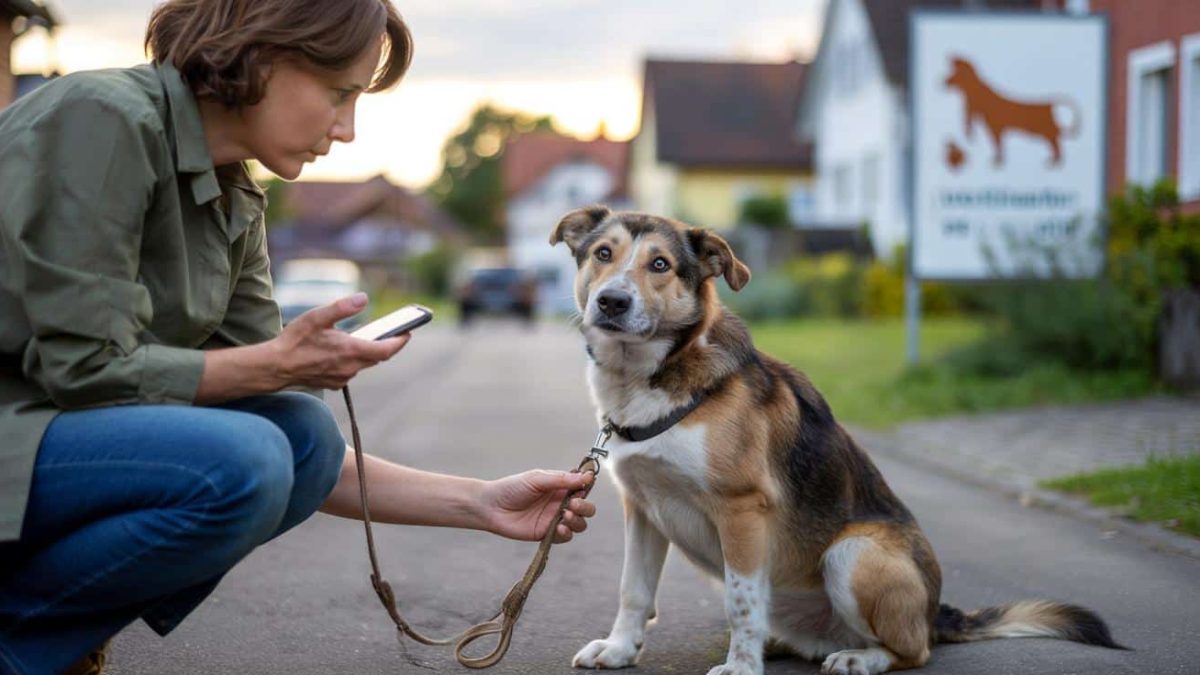
It’s a common scenario that tugs at the heartstrings: you’re out on a walk and spot a dog wandering alone, seemingly without a home or owner in sight. The immediate instinct is to help this poor, abandoned pup. But before you act, it’s crucial to understand the legal and ethical considerations involved. Jumping to conclusions or making hasty decisions could land you in hot water.
The presence or absence of a microchip is a key factor in determining the proper course of action. While the chip may seem like a mere bureaucratic requirement, it plays a vital role in reuniting lost pets with their rightful owners. Disregarding this crucial detail can have serious consequences, both for you and the dog. Let’s explore the do’s and don’ts of handling a chipless canine encounter.
Resist the Urge to Keep the Dog
It’s understandable to feel drawn to a dog in need, but taking the animal home without following the proper channels is considered theft. Even if the dog appears unclaimed, it may have a loving family searching for it. The responsible choice is to notify the authorities and allow them to properly identify the animal and locate its owner.
Keeping the dog for yourself, even with good intentions, can result in legal troubles. You could be accused of stealing, and the dog may be confiscated and placed in a shelter, further complicating the situation. It’s important to resist the temptation and instead focus on the right way to help the animal.
By following the correct procedures, you not only protect yourself but also increase the chances of the dog being reunited with its family, which is the ultimate goal.
Contact the Authorities Immediately
The first and most crucial step is to notify the local authorities, such as the police or animal control, about the dog you’ve found. Provide a detailed description of the animal, including its breed, size, color, and any distinguishing features. This information can help the authorities quickly identify the dog and initiate the search for its owner.
It’s also important to share the location where you found the dog, as this can aid in the investigation. The authorities may be able to trace the animal’s origins and determine if it has been reported missing in the area.
By involving the authorities, you’re ensuring that the proper protocols are followed, and the dog’s well-being is the top priority. The experts are better equipped to handle the situation and make the necessary arrangements to locate the owner or find the dog a safe and responsible new home.
- ➡„Pleite, aber bald reichste Generation aller Zeiten“: Warum Gen Z unser Geldsystem auf den Kopf stellt
- ➡15-Stunden-Ritual: So wird dein Frühjahrsputz zum Neustart für Zuhause
- ➡Ikea-Hit aus Bambus: Warum immer mehr Wohnzimmer auf diese Jalousie umsteigen
- ➡Diese Duft-Pflanze vertreibt Mücken und Zecken aus deinem Garten
Check for a Microchip
While the authorities will likely scan the dog for a microchip, it’s a good idea to do so yourself as well. Many pet stores and veterinary clinics have microchip scanners that can be used to check for an embedded identification chip. This simple step can provide crucial information about the dog’s ownership and help expedite the reunification process.
If a microchip is detected, the authorities can use the registered information to contact the owner directly. This is often the fastest and most effective way to reunite a lost pet with its family. However, if no chip is found, the search becomes more challenging, and the authorities may need to rely on other methods to identify the dog’s origins.
Regardless of the outcome, the microchip check is an essential part of the process and can make a significant difference in the dog’s fate.
Offer Temporary Care, If Possible
If the authorities are unable to immediately respond or the dog appears to be in immediate distress, you may be able to provide temporary care. This could involve taking the dog to a veterinary clinic or animal shelter, where it can receive food, water, and any necessary medical attention.
However, it’s crucial to avoid keeping the dog in your own home, as this could be interpreted as an attempt to claim ownership. Instead, work closely with the authorities to ensure the dog is properly cared for and transported to an appropriate facility.
By offering temporary care, you’re demonstrating your concern for the animal’s well-being while still respecting the legal procedures. This can go a long way in building trust with the authorities and increasing the chances of a successful reunion.
Spread the Word
In addition to notifying the authorities, you can take further steps to help locate the dog’s owner. Posting on local social media groups, neighborhood forums, or community bulletin boards can be an effective way to spread the word and increase the chances of someone recognizing the animal.
Provide a clear description of the dog, including any distinguishing features, and include the location where you found it. Encourage people to share the post and reach out if they have any information that could help identify the owner.
By taking this extra step, you’re not only assisting the authorities but also tapping into the power of the community to reunite the dog with its rightful home.
| Dos | Don’ts |
|---|---|
| Notify the authorities immediately | Keep the dog for yourself |
| Check for a microchip | Fail to involve the authorities |
| Offer temporary care, if possible | Assume the dog is abandoned |
| Spread the word on social media | Ignore the legal and ethical considerations |
“The microchip is a crucial tool in reuniting lost pets with their owners. It’s not just about bureaucracy – it’s about responsible pet ownership and ensuring the animal’s safety and well-being.” – Dr. Sarah Hartmann, Veterinarian
Losing a beloved pet can be a heartbreaking experience for any pet owner. By following the proper procedures when encountering a chipless dog, you’re not only protecting yourself but also increasing the chances of a happy reunion. Remember, the welfare of the animal should always be the top priority, and the authorities are best equipped to handle these situations effectively.
“Responsible pet ownership goes beyond simply caring for the animal – it also means ensuring they are properly identified and their owners can be easily contacted if they ever go missing.” – Emily Williamson, Animal Welfare Advocate
The Importance of Microchipping
The microchip is a small, implanted device that contains a unique identification number. This number is registered with the pet’s owner’s contact information, making it a crucial tool in reuniting lost pets with their families. Without a microchip, the process of identifying the dog’s owner becomes significantly more challenging.
Microchips are widely recommended by veterinarians and animal welfare organizations as a reliable way to ensure the safety and well-being of pets. They provide a permanent means of identification, even if the dog’s collar or tags are lost or removed. In many areas, microchipping is also a legal requirement for pet owners.
By ensuring your dog is properly microchipped and keeping the registered information up to date, you’re taking an important step in safeguarding your beloved companion. It’s a simple yet effective way to protect your pet and provide peace of mind, should they ever find themselves in a situation like the one described.
| Benefits of Microchipping | Drawbacks of No Microchip |
|---|---|
| Permanent identification | Difficult to reunite with owner |
| Increased chances of reunion | Increased risk of euthanasia |
| Legal requirement in many areas | Potential legal issues for finder |
| Peace of mind for pet owners | Delays in providing proper care |
“Microchipping is a simple, affordable way to ensure your pet’s safety and well-being. It’s a responsibility every pet owner should take seriously.” – Jane Olson, Pet Identification Specialist
Ultimately, the discovery of a dog without a microchip can be a delicate and complex situation. By understanding the legal and ethical considerations, and following the appropriate steps, you can navigate this challenge with compassion and care. Remember, the goal is to reunite the animal with its rightful owner, or to find a responsible new home if that’s not possible. With patience and diligence, you can make a real difference in the life of a furry friend in need.
FAQs
What if the dog appears to be in distress or immediate danger?
If the dog seems to be in immediate danger or requires urgent medical attention, it’s appropriate to take the animal to the nearest veterinary clinic or animal shelter, even if a microchip is not found. The priority is ensuring the dog’s safety and well-being.
- ➡Krebsfrühwarnsystem aus der Kanalisation: Wie Abwasser Darmtumoren verraten soll
- ➡Geniale 3‑Minuten-Idee: So wird ein Drahtbügel zur Vogelfutter-Station
- ➡Großer Waschmittel Check zeigt, welche flüssige Marke selbst hartnäckige Flecken am besten entfernt
- ➡Kurze Beine, großer Auftritt: Diese Schuhe schlagen High Heels locker
Can I post flyers or online ads about the found dog?
Yes, posting flyers or online ads can be helpful in locating the dog’s owner. Be sure to include a clear description of the animal and the location where it was found. However, do not keep the dog in your own home, as this could be interpreted as an attempt to claim ownership.
What if the authorities are unresponsive or unable to help?
If you’ve made multiple attempts to contact the authorities and they are unable to respond in a timely manner, you may need to seek alternative solutions, such as contacting local animal rescue organizations or veterinary clinics for guidance. However, it’s still important to avoid keeping the dog yourself and to continue working with the appropriate authorities.
How long should I wait before assuming the dog is abandoned?
It’s generally best not to assume a dog is abandoned, even if it has been some time since you found it. Owners may be searching frantically for their lost pet, and making assumptions could lead to legal issues. The responsible course of action is to involve the authorities and continue the search process until the dog’s owner is located or it is placed in a suitable new home.
What if the dog appears friendly and well-cared for?
Even if the dog seems friendly and well-groomed, it’s essential to follow the proper procedures. The dog may have been recently lost or stolen, and assuming it’s abandoned could lead to legal complications. Notify the authorities, check for a microchip, and explore all avenues to locate the rightful owner before considering any other options.
Can I be held legally responsible for the dog if I keep it?
Yes, keeping the dog without following the proper legal channels could result in accusations of theft or unlawful possession. This could lead to fines, legal action, or even the confiscation of the animal. It’s crucial to resist the temptation to keep the dog and instead work closely with the authorities to ensure the situation is handled correctly.
What if the dog’s owner cannot be located?
If the authorities are unable to locate the dog’s owner after a reasonable search period, the animal may be placed in the care of a local animal shelter or rescue organization. These facilities have the resources and expertise to find the dog a suitable new home or provide long-term care if necessary.
Can I be reimbursed for any expenses incurred while caring for the dog?
If you have incurred reasonable expenses, such as veterinary care or temporary boarding, while caring for the dog, you may be able to seek reimbursement from the authorities or the eventual owner. However, it’s important to keep detailed records and receipts to support your claim.