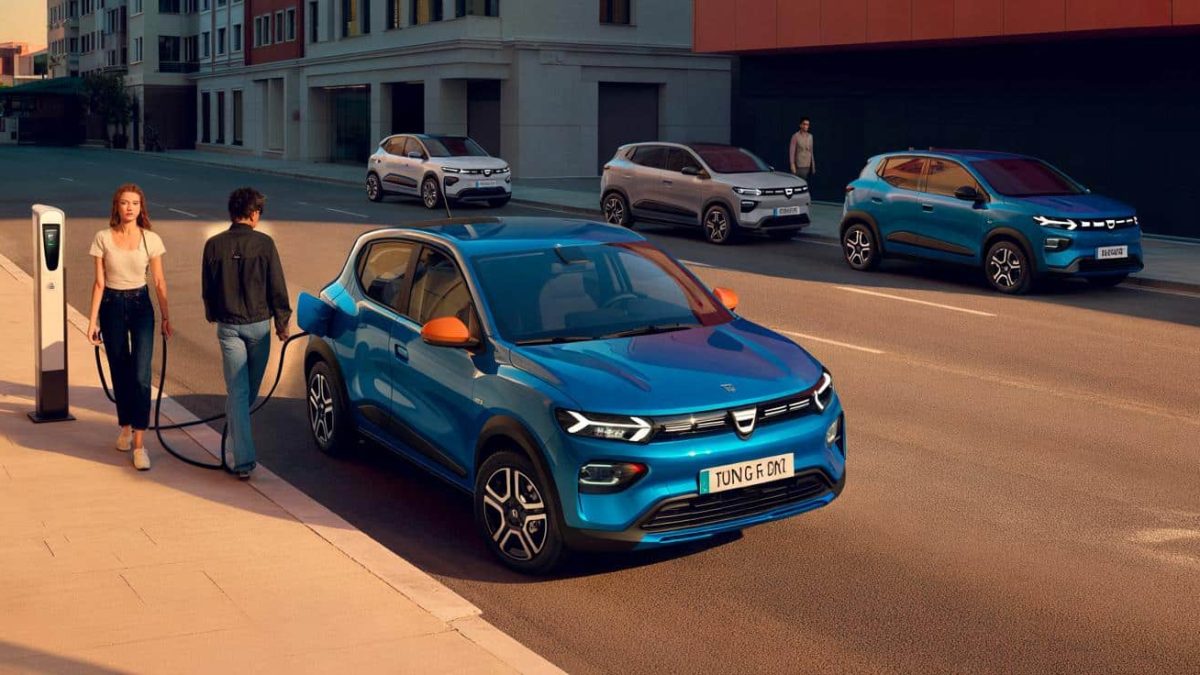
Dacia, the Romanian automaker known for its affordable and no-frills vehicles, is about to shake up the electric car market. In a bold move, the company has confirmed its plans to introduce four new electric models by 2030, with a remarkable starting price of under €18,000. This ambitious strategy signals a significant shift in Dacia’s approach, as it aims to make electric mobility accessible to a broader range of consumers.
The announcement comes at a time when the electric vehicle (EV) landscape is rapidly evolving, with an increasing demand for more affordable options. Dacia’s decision to offer a lineup of urban-focused electric cars at such a competitive price point could be a game-changer, potentially opening the door for a new generation of eco-conscious drivers who have been priced out of the EV market.
As the automotive industry continues to navigate the transition towards electrification, Dacia’s move could have far-reaching implications, not only for the brand but also for the broader EV landscape. Let’s delve into the details of Dacia’s electrification strategy and explore the potential impact it may have on the market and consumers.
Dacia’s Ambitious Electrification Plan: Four New EVs by 2030
Dacia’s commitment to electrification is underpinned by its “futuREady” plan, which outlines the company’s strategy for the next decade. At the heart of this plan is the introduction of four new all-electric models by 2030, each designed to cater to different segments of the market.
While the details of these upcoming Dacia EVs are still closely guarded, the company has hinted at a diverse lineup that will address the needs of urban dwellers, families, and even adventurous explorers. This breadth of offerings is a clear indication that Dacia is positioning itself to be a key player in the electric vehicle arena, challenging the traditional perceptions of what an affordable EV can be.
With this strategic move, Dacia is aiming to cement its reputation as a brand that delivers practical, no-nonsense vehicles without compromising on quality or sustainability. The introduction of these four new electric models is a bold statement, signaling Dacia’s commitment to leading the charge in the democratization of electric mobility.
Dacia’s Disruptive Pricing: Under €18,000 for an Electric City Car
Perhaps the most intriguing aspect of Dacia’s electrification plan is the promised starting price of under €18,000 for one of its upcoming electric city cars. This would make it one of the most affordable electric vehicles on the market, potentially opening the door for a new segment of buyers who have been priced out of the EV market.
By offering an electric car at such a low price point, Dacia is challenging the traditional notion that EVs are inherently more expensive than their internal combustion engine counterparts. This move could have a significant impact on consumer perceptions and ultimately drive greater adoption of electric vehicles, especially in urban areas where the need for clean, efficient transportation is most pressing.
The ability to deliver an electric car at this price point is a testament to Dacia’s engineering prowess and its commitment to making sustainability accessible to the masses. It remains to be seen how the company will achieve this remarkable feat, but the implications for the broader EV market are undoubtedly far-reaching.
Dacia’s Signature Simplicity: Retaining the Brand’s Core Values
Despite its ambitious electrification plans, Dacia is committed to maintaining its signature simplicity and no-frills approach to vehicle design and manufacturing. The company has made it clear that it will not abandon its core values, even as it embraces the electric revolution.
This commitment to retaining Dacia’s DNA is crucial, as it aligns with the expectations of the brand’s loyal customer base. By staying true to its roots, Dacia can continue to offer affordable, practical, and reliable vehicles that cater to the needs of budget-conscious consumers who prioritize functionality over flashiness.
As Dacia ventures into the world of electric vehicles, it will be interesting to see how the brand balances its traditional approach with the technological advancements required for modern EVs. Nonetheless, the company’s pledge to remain true to its identity is a reassuring sign that Dacia is not abandoning its core principles in pursuit of electrification.
The Impact on the DACH Region: Affordable Electric Mobility for All
Dacia’s decision to introduce an electric city car with a starting price under €18,000 will have a significant impact on the automotive landscape, particularly in the DACH (Germany, Austria, and Switzerland) region. These markets have traditionally been dominated by premium brands and relatively higher-priced vehicles, making electric mobility a luxury for many consumers.
By offering an affordable EV option, Dacia is poised to disrupt the status quo and provide a more accessible path to electric vehicle ownership. This could lead to a surge in EV adoption, as the lower price point opens the door for a new segment of buyers who have been priced out of the market.
Moreover, the availability of a Dacia electric car at such a competitive price point could also put pressure on other automakers to reevaluate their pricing strategies and develop more affordable EV options. This could ultimately benefit consumers, as increased competition and choice in the market can drive down prices and make electric mobility more attainable for a broader range of buyers.
Opportunities and Challenges: Navigating Dacia’s Electrification Journey
Dacia’s foray into the electric vehicle market presents both opportunities and challenges for the brand. On the one hand, the company’s ability to offer an EV at such a low price point could be a significant competitive advantage, allowing it to tap into a previously underserved segment of the market.
However, the challenge lies in balancing this affordability with the technological advancements and regulatory requirements that come with electric vehicles. Dacia will need to carefully manage its costs, supply chains, and production processes to ensure that it can deliver on its promised pricing without compromising on quality or safety.
Additionally, the company will need to address the concerns of its existing customer base, who may be wary of Dacia’s transition to electric vehicles. Maintaining the brand’s signature simplicity and reliability while embracing new technology will be a delicate balancing act that Dacia will need to navigate with care.
Everyday Implications: How Dacia’s Electric Cars Could Reshape Mobility
The introduction of Dacia’s affordable electric vehicles could have a profound impact on the daily lives of consumers, particularly those in urban and suburban areas. With a starting price under €18,000, these electric cars could make zero-emission transportation a realistic option for a broader range of people, including first-time car buyers, young families, and those with limited budgets.
The availability of such a competitively priced EV could encourage more people to consider making the switch from traditional internal combustion engine vehicles, reducing emissions and contributing to a cleaner environment. Additionally, the compact and city-friendly design of these Dacia EVs could alleviate parking and maneuverability challenges in congested urban areas, providing a practical and eco-friendly mobility solution.
Furthermore, the affordability of Dacia’s electric cars could open up new possibilities for car-sharing or leasing programs, making electric mobility more accessible to those who may not be able to afford the upfront cost of vehicle ownership. This could lead to a shift in transportation habits, with more people opting for shared, sustainable mobility solutions as part of their daily routines.
FAQ
What are the key details of Dacia’s electrification plan?
Dacia has confirmed that it will introduce four new all-electric models by 2030, with a starting price of under €18,000 for one of its upcoming electric city cars.
How will Dacia’s affordable electric vehicles impact the DACH region?
Dacia’s introduction of an electric car with a starting price under €18,000 is expected to disrupt the automotive market in the DACH region, which has traditionally been dominated by premium brands and higher-priced vehicles. This could lead to a surge in EV adoption and put pressure on other automakers to develop more affordable electric mobility options.
How does Dacia plan to maintain its signature simplicity and no-frills approach with its electric vehicles?
Dacia has made it clear that it will not abandon its core values and simplistic approach to vehicle design and manufacturing, even as it embraces electrification. The company is committed to retaining its signature no-nonsense identity while delivering practical and reliable electric cars.
- ➡15 dauerhafte Blütenstars, die deinen Garten in wenigen Wochen verwandeln
- ➡Wenn die Hecke den Nachbarn krank macht: Das droht Grundstücksbesitzern
- ➡Juckende Kopfhaut ohne Schuppen? Dieses Warnsignal übersiehst du vielleicht
- ➡Garten-Hype vor dem Aus: Kranker Sichtschutzstrauch wird ab 2026 massenhaft ersetzt
What are the potential opportunities and challenges for Dacia as it enters the electric vehicle market?
The key opportunities for Dacia include tapping into a previously underserved segment of the market with its affordable electric cars. However, the company will need to carefully manage its costs, supply chains, and production processes to deliver on the promised pricing without compromising on quality or safety. Maintaining the brand’s reliability and simplicity while embracing new technology will also be a delicate balancing act.
How could Dacia’s electric cars impact the everyday lives of consumers?
The introduction of Dacia’s affordable electric vehicles could make zero-emission transportation a realistic option for a broader range of people, including first-time car buyers, young families, and those with limited budgets. This could lead to a shift in transportation habits, with more people considering car-sharing or leasing programs as part of their daily mobility solutions.
What are the potential long-term implications of Dacia’s electrification strategy?
Dacia’s decision to offer electric cars at such a low price point could have far-reaching implications for the broader automotive market. It could drive greater adoption of EVs, put pressure on other automakers to develop more affordable electric mobility options, and contribute to a cleaner, more sustainable transportation landscape.
How does Dacia’s electrification plan fit into the company’s overall “futuREady” strategy?
Dacia’s introduction of four new all-electric models by 2030, with a focus on affordability, is a key part of the company’s “futuREady” plan. This strategy signifies Dacia’s commitment to embracing the transition to electric vehicles and making sustainable mobility accessible to a wider range of consumers.
What factors will be critical for Dacia to successfully execute its electrification plans?
Key factors for Dacia’s success will include its ability to effectively manage costs, supply chains, and production processes to deliver on the promised pricing without compromising on quality or safety. Maintaining the brand’s signature simplicity and reliability while adapting to new technologies will also be crucial.