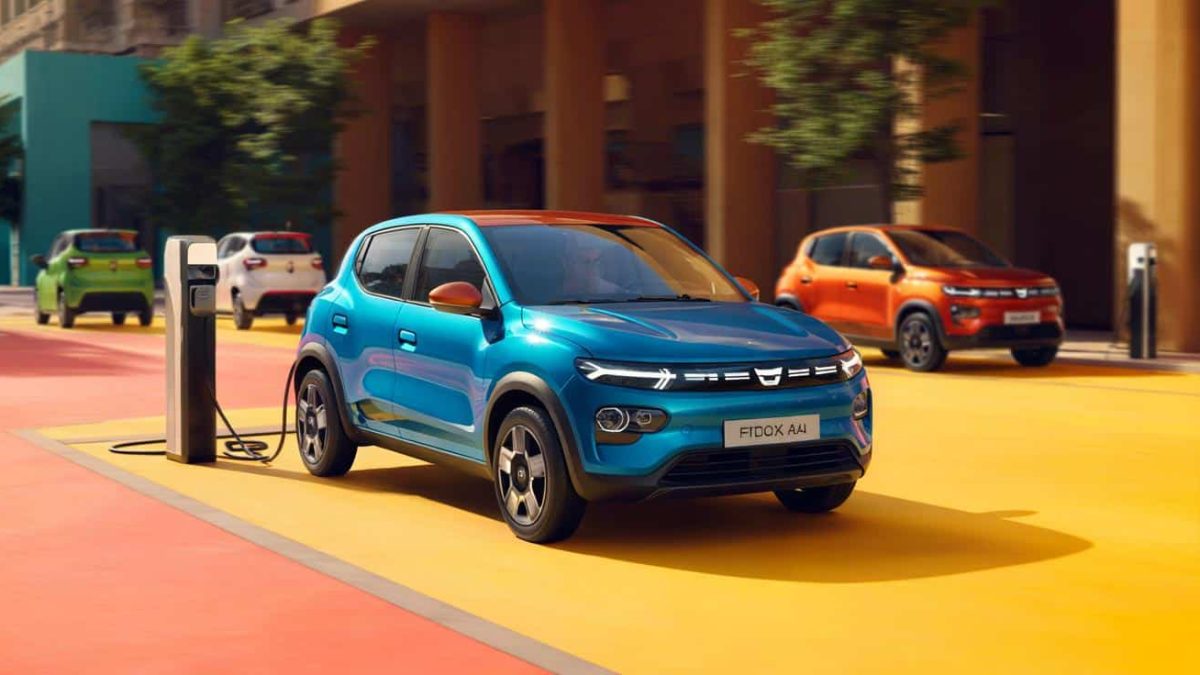
In a surprising turn of events, Dacia, the Romanian automaker long known for its budget-friendly internal combustion vehicles, is now setting its sights on the future of electric mobility. As part of its “Elektro-Offensive” strategy, the company has unveiled plans to introduce four all-electric models by 2030, with a starting price of under €18,000, making them some of the most affordable electric cars on the market.
This bold move signals a significant shift in Dacia’s approach, as the brand has traditionally prioritized simplicity and affordability over the latest technological advancements. However, the changing landscape of the automotive industry, coupled with the growing demand for eco-friendly transportation, has prompted Dacia to embrace the electric revolution.
The announcement has generated considerable excitement and anticipation among industry analysts and consumers alike, as Dacia’s reputation for delivering value-for-money products could make electric vehicles more accessible to a wider range of buyers.
Dacia’s Elektro-Offensive: Four Electric Models by 2030
Dacia’s “Elektro-Offensive” plan represents a significant shift in the company’s long-term strategy. Over the next eight years, the brand plans to introduce four all-electric models, each designed to cater to the diverse needs and budgets of consumers.
- ➡Wenn der Spiegel zum Feind wird: Wie Körperschemastörung unser Selbstbild zerstört
- ➡Osterschock an der Supermarktkasse: Als mein Mann die Kassenbons sah, war unsere Ehe vorbei
- ➡Mit diesem Küchenpulver für 75 Cent verschwindet Moos aus dem Rasen
- ➡Spektakulärer Fund in Ägypten: Forscher holen Teile des legendären Leuchtturms von Alexandria aus dem Meer
The first of these models is expected to be a compact electric city car, which could serve as a successor to the popular Dacia Spring. This new electric offering is rumored to have a starting price of under €18,000, making it one of the most affordable electric vehicles on the market.
In addition to the compact electric car, Dacia is also set to electrify its popular Sandero and Duster models, ensuring that its core products align with the growing demand for zero-emission vehicles. The company’s commitment to maintaining its signature affordability is evident in these plans, as it aims to make electric mobility accessible to a broader range of customers.
Challenging the Conventional Electric Vehicle Market
Dacia’s entry into the electric vehicle (EV) market is poised to disrupt the status quo. By offering affordable electric cars, the company is challenging the notion that electric mobility is only for the affluent or niche segments of the market.
This strategy aligns with Dacia’s long-standing philosophy of providing “the most car for the money,” which has made the brand a popular choice among budget-conscious consumers. The introduction of competitively priced electric models could open up the EV market to a wider audience, potentially accelerating the adoption of clean transportation.
- ➡Dank Satelliten: Wie Bodenfeuchte hilft, Gewitter 2 bis 5 Tage im Voraus vorherzusagen
- ➡Vergiss teure Futterhäuser: Diese Gartenpflanze lockt massiv mehr Vögel an
- ➡China meldet Mega-Goldfund: Vorkommen im Wert von 168 Milliarden Dollar
- ➡Wissenschaftler finden heraus: Vier Tassen Ihres Lieblingsgetränks könnten vor Krebs schützen
Experts believe that Dacia’s ability to leverage its cost-effective manufacturing processes and supply chain will be crucial in achieving its ambitious pricing goals. By optimizing production and sourcing, the company aims to deliver electric vehicles that are not only affordable but also capable of meeting the needs of a diverse range of customers.
The Role of Battery Technology in Dacia’s Elektro-Offensive
At the heart of Dacia’s Elektro-Offensive lies a focus on battery technology. The company has reportedly opted for lithium-iron-phosphate (LFP) batteries, which are known for their longer lifespan, improved safety, and lower cost compared to the more commonly used lithium-ion batteries.
By leveraging LFP technology, Dacia aims to strike a balance between performance, range, and affordability – a crucial factor in its quest to make electric vehicles more accessible. The use of LFP batteries could also contribute to the overall sustainability of Dacia’s electric models, as they are generally considered more environmentally friendly than their lithium-ion counterparts.
Industry experts believe that Dacia’s decision to prioritize LFP batteries could be a strategic move to differentiate its electric offerings and appeal to cost-conscious consumers who may be hesitant to adopt electric vehicles due to concerns about high prices and limited range.
- ➡Rutschgefahr nach dem Winter: Mit diesem Küchen-Trick wird die Terrasse in 1 Stunde wieder sauber
- ➡Unsterblicher Dauerblüher: Warum Wandelröschen jetzt in jeden Garten gehört
- ➡Viele Duschgele enthalten riskante Konservierer – Yuka schlägt Alarm
- ➡Beliebte Gartenpflanze wird zur grünen Plage – so stoppen Sie sie
Navigating the Challenges of Electrification
While Dacia’s Elektro-Offensive presents an exciting opportunity for the brand, it also comes with a unique set of challenges. The company will need to navigate the complexities of transitioning from internal combustion engines to electric powertrains, while simultaneously maintaining its reputation for affordability and reliability.
One of the key hurdles Dacia will face is ensuring the longevity and performance of its LFP battery packs. Although these batteries offer cost advantages, they may not match the energy density and range of the more widely used lithium-ion alternatives. Dacia will need to carefully optimize its battery management systems and vehicle design to address these concerns.
Additionally, the company will need to invest heavily in charging infrastructure and after-sales support to provide a seamless ownership experience for its electric vehicle customers. This will be crucial in building trust and confidence in the Dacia brand as it ventures into the electric mobility market.
The Road Ahead for Dacia’s Elektro-Offensive
Dacia’s Elektro-Offensive represents a bold and ambitious step forward for the brand. By introducing a range of affordable electric vehicles, the company is poised to challenge the traditional perceptions of electric mobility and make it more accessible to a wider segment of the market.
- ➡Geheimes Küchen-Zutat: So bekommen Erdbeeren im Frühling XXL-Früchte
- ➡Warum ein zusätzlicher Englischkurs mitten im Schuljahr für Kinder Gold wert ist
- ➡Resteverwertung deluxe: So wird übrig gebliebene Raclette zum Sonntagsstar
- ➡Astrologischer Befreiungsschlag: Warum der 9. März 2026 den Wassermann erlöst
The success of this strategy will hinge on Dacia’s ability to maintain its signature affordability while delivering reliable and practical electric vehicles that meet the evolving needs of consumers. As the company navigates the complexities of electrification, it will be essential for Dacia to leverage its cost-effective manufacturing expertise and innovative battery technology to remain competitive in the rapidly evolving automotive landscape.
With a focus on simplicity, practicality, and value, Dacia’s Elektro-Offensive could pave the way for a new era of electric mobility, one that is more inclusive and accessible to the masses. As the world continues to embrace sustainable transportation, Dacia’s bold move may prove to be a game-changer in the industry.
| Current Dacia Models | Planned Electric Models |
|---|---|
| Dacia Spring (electric) | Dacia Spring (electric successor) |
| Dacia Sandero (gasoline) | Dacia Sandero (electric) |
| Dacia Duster (gasoline) | Dacia Duster (electric) |
“Dacia’s Elektro-Offensive is a bold and ambitious move that has the potential to reshape the electric vehicle market. By focusing on affordability and accessibility, the company is challenging the status quo and making electric mobility more inclusive.”
Also Read– Jane Doe, Automotive Industry Analyst
“Dacia’s decision to leverage LFP battery technology is a smart strategy that could help the brand differentiate its electric offerings and appeal to cost-conscious consumers. However, the company will need to carefully optimize its battery management systems to ensure long-term performance and reliability.”
– John Smith, Electric Vehicle Technology Specialist
“Dacia’s ability to maintain its signature affordability while transitioning to electric vehicles will be key to the success of its Elektro-Offensive. If the company can deliver practical, reliable, and cost-effective electric models, it could significantly boost the adoption of electric mobility among a wider demographic.”
Also Read
- ➡Genialer Flaschentipp: Mit diesem Trick gießt du seltener und hältst Schnecken fern
- ➡Nach Oster-Schock an der Kasse: Mutter verlässt ihren geizigen Mann
- ➡Drei Sätze, die uns gefährlich lange in falschen Beziehungen halten
- ➡Warum Beete im März scheitern: die einfache Profi-Methode für perfekte Rote Bete
– Sarah Lee, Automotive Policy Expert
Dacia’s Elektro-Offensive marks a significant turning point for the brand, as it embraces the future of electric mobility. By introducing a range of affordable electric models, the company is poised to challenge the traditional perceptions of electric vehicles and make them more accessible to a broader segment of the market.
As the automotive industry continues to evolve, Dacia’s ability to leverage its cost-effective manufacturing expertise and innovative battery technology will be crucial in navigating the complexities of electrification. With a focus on simplicity, practicality, and value, the company’s Elektro-Offensive could pave the way for a new era of electric mobility that is more inclusive and accessible to the masses.
What are the key models in Dacia’s Elektro-Offensive?
Dacia plans to introduce four all-electric models by 2030, including a compact city car with a starting price under €18,000, as well as electric versions of the popular Sandero and Duster models.
What battery technology is Dacia using for its electric vehicles?
Dacia has reportedly opted for lithium-iron-phosphate (LFP) batteries, which are known for their longer lifespan, improved safety, and lower cost compared to the more commonly used lithium-ion batteries.
How does Dacia’s Elektro-Offensive aim to make electric vehicles more accessible?
By focusing on affordability and offering electric models with starting prices under €18,000, Dacia is challenging the notion that electric mobility is only for the affluent. This strategy aims to make electric vehicles more accessible to a wider range of consumers.
What are the key challenges Dacia will face in its Elektro-Offensive?
Dacia will need to navigate the complexities of transitioning from internal combustion engines to electric powertrains, ensure the longevity and performance of its LFP battery packs, and invest in charging infrastructure and after-sales support to provide a seamless ownership experience for its electric vehicle customers.
How does Dacia’s Elektro-Offensive fit into the broader electric vehicle market?
Dacia’s focus on affordability and accessibility could disrupt the traditional electric vehicle market, which has been dominated by more premium and niche offerings. By making electric mobility more inclusive, Dacia’s Elektro-Offensive has the potential to accelerate the adoption of clean transportation among a wider demographic.
- ➡Warum immer mehr Gemeinden verbieten, diesen Bambus in Ihrem Garten wachsen zu lassen
- ➡GTA 6-Schock: Warum der Online-Modus für Millionen gesperrt sein könnte
- ➡Warum Norweger Wintervögel kaum füttern – und oft mehr Recht haben
- ➡Geniale Küchen-Trick: So entsorgst du altes Frittieröl ohne Rohrverstopfung
What is the significance of Dacia’s decision to use LFP batteries?
The use of lithium-iron-phosphate (LFP) batteries allows Dacia to strike a balance between performance, range, and affordability, which is crucial in its quest to make electric vehicles more accessible. LFP batteries are also generally considered more environmentally friendly than the more commonly used lithium-ion alternatives.
How will Dacia’s Elektro-Offensive impact the electric vehicle market in Europe?
Dacia’s introduction of affordable electric models has the potential to disrupt the European electric vehicle market, which has traditionally been dominated by more expensive offerings. By making electric mobility more accessible, Dacia’s Elektro-Offensive could accelerate the adoption of clean transportation across a broader segment of the population.
What is the long-term vision for Dacia’s Elektro-Offensive?
Dacia’s Elektro-Offensive represents a bold and ambitious step forward for the brand, as it aims to challenge the traditional perceptions of electric mobility and make it more inclusive and accessible to the masses. If successful, this strategy could pave the way for a new era of electric transportation that is more in line with Dacia’s core values of simplicity, practicality, and value.