In the pursuit of cleanliness and self-care, many of us turn to trusty shower gels, unaware of the potential risks lurking within. However, recent findings have raised alarms about the presence of concerning preservatives in these everyday products, casting doubt on their safety across well-known brands.
The warning signals come from the Yuka app, a popular platform that analyzes the ingredients in consumer goods. Their research has uncovered the widespread use of two potentially hazardous preservatives in shower gels: phenoxyethanol and methylisothiazolinone. These additives, designed to extend a product’s shelf life, may come with a hidden cost to our health and the environment.
What’s the Concern with These Preservatives?
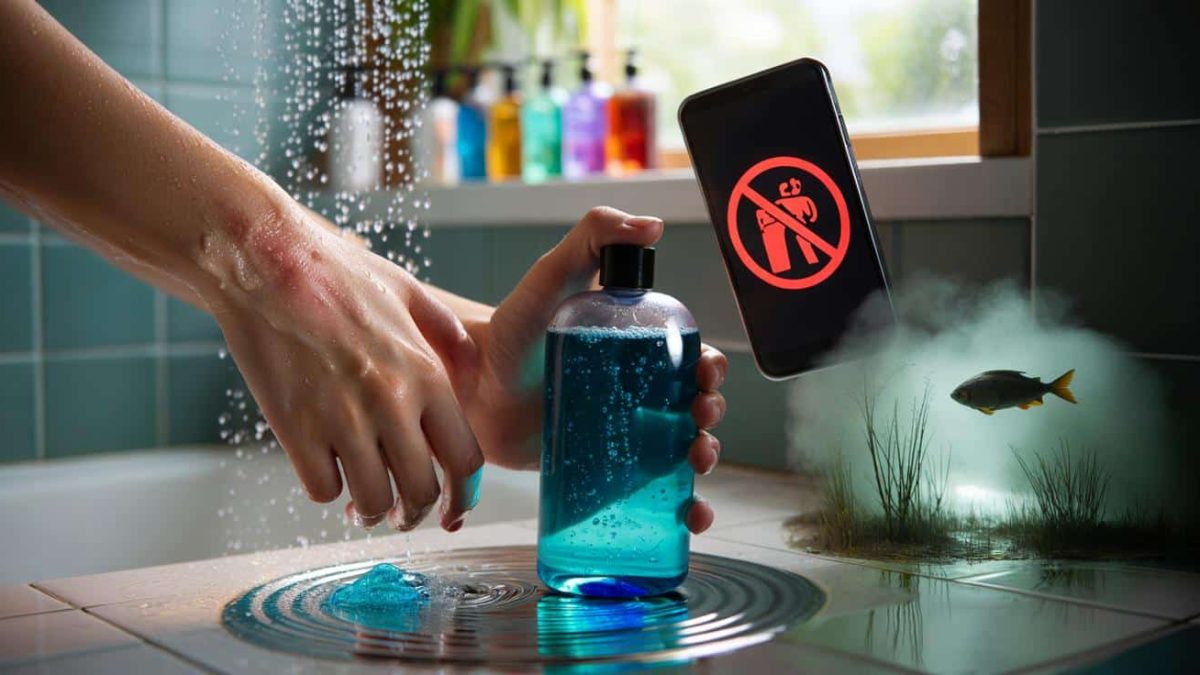
Phenoxyethanol has been linked to skin irritation, allergic reactions, and even hormone disruption. Meanwhile, methylisothiazolinone has been flagged for its potential to cause contact dermatitis, a painful and persistent skin condition. Both preservatives have also raised environmental concerns, with the potential to impact aquatic life when washed down the drain.
The prevalence of these problematic ingredients across numerous shower gel brands has sparked a growing awareness and concern among consumers. As we strive for a healthier, more sustainable lifestyle, the revelation about these preservatives challenges the notion of shower gels as a simple, safe, and eco-friendly choice.
Navigating the complex world of shower gel ingredients can feel overwhelming, but understanding the risks and taking proactive steps can help us make more informed decisions for our well-being and the planet.
Deciphering the Labels: How to Spot Risky Ingredients
Decoding the product labels is the first step in identifying potentially problematic preservatives. Look out for phenoxyethanol and methylisothiazolinone on the ingredient list, as these are the two main culprits flagged by the Yuka app. Familiarize yourself with these terms and be wary of products that contain them.
Additionally, be cautious of vague or ambiguous terms like “parfum” or “fragrance,” as these can sometimes conceal the presence of other concerning additives. Opt for products that are transparent about their ingredients and prioritize natural, plant-based alternatives whenever possible.
By taking the time to read and understand the labels, you can make more informed choices that align with your health and environmental concerns.
Who Should Be Extra Vigilant?
Certain groups may be more susceptible to the potential adverse effects of these preservatives. Those with sensitive skin, eczema, or other skin conditions may be particularly vulnerable to irritation and allergic reactions. Parents and caregivers should also be mindful of the products used on children, whose developing bodies may be more sensitive to chemical exposures.
It’s essential to pay close attention to any skin irritation or reactions that may arise after using a particular shower gel. If you notice any concerning symptoms, discontinue use and consult a healthcare professional for guidance.
Ultimately, everyone can benefit from being more discerning about the products they bring into their homes, as the widespread use of these preservatives affects us all, both individually and collectively.
The Environmental Impact: Downstream Consequences
The concerns surrounding phenoxyethanol and methylisothiazolinone extend beyond personal health. These preservatives can also have a significant impact on the environment, particularly when they are washed down the drain and enter our waterways.
Studies have shown that these chemicals can be harmful to aquatic life, potentially disrupting delicate ecosystems and contributing to the broader issue of water pollution. As conscientious consumers, we have a responsibility to consider the downstream effects of our choices and seek out more sustainable alternatives.
By being mindful of the ingredients in our shower gels and opting for eco-friendly options, we can play a role in mitigating the environmental consequences of these problematic preservatives.
Finding Safer Alternatives: A Guide to Better Shower Gel Choices
In response to the growing awareness around risky preservatives, the market for natural and organic shower gels has expanded. These products often rely on gentler, plant-based preservatives or skip them altogether, providing a safer and more sustainable option for personal care.
When searching for alternative shower gels, look for labels that clearly highlight the absence of phenoxyethanol and methylisothiazolinone. Additionally, prioritize products that use naturally derived ingredients, such as essential oils, botanical extracts, and gentle surfactants.
- ➡Vor Ostern flog sein Doppelleben auf: Mein Mann verkaufte heimlich unser Leben
- ➡Genialer 2‑Euro-Trick: Dieses Obst ersetzt Butter im Mürbeteig
- ➡Nie wieder flacher Kuchen: Mit diesen 3 Kniffen geht jeder Rührkuchen perfekt auf
- ➡Unsichtbare Gefahr bei Wohnungskatzen: Warum Bluthochdruck so viele Senioren trifft
By making the switch to safer shower gels, you can not only protect your own health but also contribute to a more environmentally responsible future.
Practical Tips for a Stress-Free Shower Routine
Navigating the shower gel market can be daunting, but there are a few simple strategies to make the process a little easier. First, start by taking stock of the products you currently use and identifying any that contain the problematic preservatives. Gradually phase out these items and replace them with safer alternatives as you run out.
Additionally, consider incorporating natural exfoliants, such as loofahs or konjac sponges, to reduce your reliance on potentially harsh chemicals. These physical scrubbers can help you achieve a satisfying clean without exposing your skin to unnecessary risks.
Remember, the journey to a more mindful and sustainable shower routine is a gradual one. By taking small, manageable steps, you can create a stress-free environment that prioritizes your health and the well-being of the planet.
| Preservative | Potential Concerns |
|---|---|
| Phenoxyethanol | Skin irritation, allergic reactions, hormone disruption |
| Methylisothiazolinone | Contact dermatitis, skin inflammation |
“These preservatives may seem like a necessary evil, but the risks they pose to our health and the environment are simply too high. Consumers deserve transparency and safer alternatives.”
– Dr. Sarah Harding, Environmental Health Specialist
“Shower gels should be a simple pleasure, not a source of hidden dangers. By reading labels and making more conscious choices, we can all contribute to a healthier, more sustainable future.”
Also Read
- ➡Alzheimer-Schock: Forscher finden riskantes Duell zweier Hirnproteine
- ➡März-Geheimtipp im Garten: Diese Flammenblume färbt Beete bis in den Herbst
- ➡Ab 70 glücklicher als je zuvor: Warum Loslassen wichtiger ist als Fitness und Erfolg
- ➡Nachbarschafts-Zoff: Darf mein Nachbar die hässliche Mauer ungeputzt lassen?
– Emma Greenfield, Sustainability Advocate
“As a dermatologist, I’ve seen firsthand the impact of these preservatives on sensitive skin. It’s crucial that people understand the potential risks and opt for gentler, natural alternatives whenever possible.”
– Dr. Liam Benson, Dermatologist
The revelation about risky preservatives in shower gels has challenged our assumptions about these everyday products. By educating ourselves, reading labels, and making more mindful choices, we can reclaim the simple pleasure of a shower while prioritizing our health and the environment. It’s a small step that can have a significant impact, one lather at a time.
- ➡Unter der goldenen Kruste: Dieser Orangenkuchen zeigt, wie gut Olivenöl in süß wirklich schmeckt
- ➡Brustkrebs: Wie alternative Therapien das Sterberisiko vervierfachen können
- ➡Dichter Rasen im März: Mit 3 einfachen Schritten Moos loswerden
- ➡Astrologie enthüllt: Der 29. März 2026 bringt eine emotionale Explosion für diese Zeichen
FAQ
What are the main problematic preservatives in shower gels?
The two main preservatives of concern in shower gels are phenoxyethanol and methylisothiazolinone, which have been linked to skin irritation, allergic reactions, and potential hormone disruption.
How can I identify these preservatives on product labels?
Look for the specific terms “phenoxyethanol” and “methylisothiazolinone” on the ingredient list. Avoid products that contain these additives.
Are certain groups more vulnerable to the effects of these preservatives?
Yes, people with sensitive skin, eczema, or other skin conditions may be more susceptible to irritation and reactions from these preservatives. Parents should also be mindful when choosing products for children.
What are the environmental concerns with these preservatives?
Studies have shown that phenoxyethanol and methylisothiazolinone can be harmful to aquatic life when washed down the drain, contributing to water pollution and ecosystem disruption.
How can I find safer, more sustainable shower gel alternatives?
Look for natural and organic shower gels that clearly label the absence of phenoxyethanol and methylisothiazolinone. Prioritize products with plant-based ingredients and gentle, eco-friendly preservatives.
What are some practical tips for a stress-free shower routine?
Gradually phase out problematic products, incorporate natural exfoliants like loofahs, and take small, manageable steps towards a more mindful and sustainable shower routine.
Why is it important to be aware of these preservative issues?
Awareness of the potential risks associated with common preservatives in shower gels allows consumers to make more informed choices that prioritize their health and the environment.
How can I stay up-to-date on the latest developments in this area?
Follow reputable sources and consumer advocacy groups like Yuka, which continuously monitor and report on the safety of personal care products.