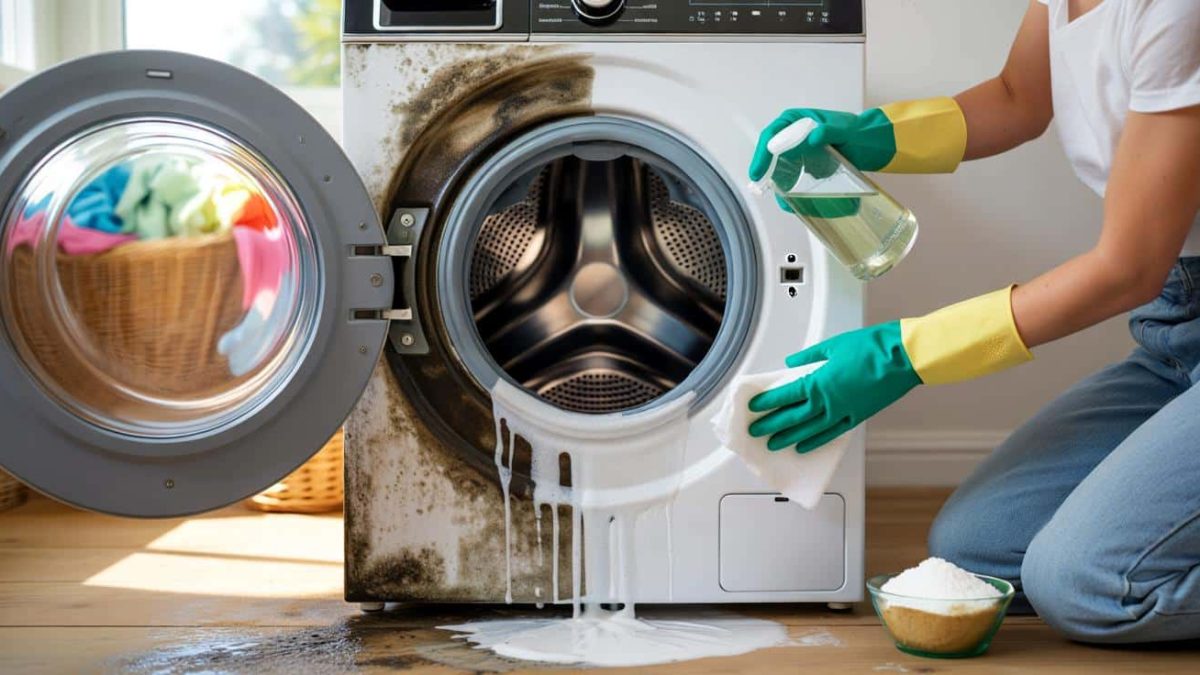
We’ve all been there – you open up the washing machine door, only to be greeted by a less-than-pleasant sight. The once-pristine appliance has become a breeding ground for stubborn lime scale and unsightly mold. It’s a problem that can quickly turn your laundry routine into a frustrating battle against grime and odors. But fear not, there is hope! With the right approach and a little elbow grease, you can restore your washing machine to its former glory and keep it sparkling clean for years to come.
Maintaining a clean, well-functioning washing machine is essential for ensuring your clothes come out fresh and free of contaminants. However, the task of tackling stubborn lime scale and mold can seem daunting. But worry not, we’ve got your back with a comprehensive guide to help you get your washing machine back in tip-top shape.
Understanding the Culprits: Lime Scale and Mold
Lime scale and mold are the two main culprits when it comes to the unsightly and potentially hazardous build-up in our washing machines. Lime scale, a chalky white or gray deposit, forms due to the high mineral content in water, particularly in areas with hard water. Over time, these minerals accumulate on the internal components, reducing efficiency and contributing to a less-than-fresh odor.
Mold, on the other hand, thrives in warm, damp environments – the perfect conditions found within a washing machine. This unwelcome guest can not only compromise the machine’s performance but also pose a health risk, especially for those with respiratory sensitivities.
Understanding the root causes of these problems is the first step in tackling them effectively. By addressing the underlying issues, you can prevent future build-up and keep your washing machine in peak condition.
Preparing for the Clean: Gather Your Supplies
Before you dive into the cleaning process, it’s important to gather the necessary supplies. Depending on the severity of the issue, you may need a combination of the following:
| Item | Purpose |
|---|---|
| Vinegar | Effective at breaking down lime scale and mold |
| Baking Soda | Natural abrasive for scrubbing and deodorizing |
| Washing Machine Cleaner | Specialized solution for deep cleaning the appliance |
| Microfiber Cloth | Gentle yet effective for wiping down surfaces |
| Old Toothbrush | Helps reach tight spaces and scrub stubborn areas |
With your supplies ready, you can confidently tackle the cleaning process and restore your washing machine to its former glory.
- ➡Warum ich meine Handcremes verbannt habe – und meine Hände weicher wurden
- ➡März–April: Lassen Sie Ihre Katze nicht mehr raus – warum diese Zeit im Garten zum unsichtbaren Massaker wird
- ➡Artemis II steht am Start: NASA macht Mondflug mit Crew klar
- ➡Neuer Mango-Jeans für 29,99 Euro verdrängt den Klassiker im Frühling
The Vinegar Wash: Tackling Lime Scale
Vinegar is a powerful and natural ally in the fight against lime scale. Its acidity helps to break down the mineral deposits, making them easier to remove. Start by running a hot, empty wash cycle, adding two cups of white vinegar to the detergent dispenser. The high heat and vinegar solution will help loosen and flush out the built-up lime scale.
Once the cycle is complete, wipe down the drum, door, and any visible lime scale deposits with a microfiber cloth. If you encounter stubborn areas, use an old toothbrush and a bit of baking soda to gently scrub the affected surfaces.
Repeat this process as needed until the lime scale is fully removed, and your washing machine is sparkling clean.
Baking Soda and Vinegar: A Dynamic Duo
For a more comprehensive cleaning, combine the power of baking soda and vinegar to tackle both lime scale and mold. Start by sprinkling a generous amount of baking soda into the empty drum of your washing machine. Then, pour in two cups of white vinegar, allowing the mixture to fizz and react.
Run a hot, empty wash cycle, letting the baking soda and vinegar solution work its magic. The bubbling action helps to dislodge and remove stubborn deposits, while the natural cleaning properties of both ingredients work together to leave your machine sparkling clean.
Once the cycle is complete, wipe down the drum and any remaining residue with a microfiber cloth. For particularly stubborn areas, use the old toothbrush and a bit of elbow grease to ensure a thorough clean.
Washing Machine Cleaner: The Deep Clean Solution
For a more heavy-duty approach, consider using a specialized washing machine cleaner. These products are formulated with powerful yet safe ingredients that can effectively remove built-up lime scale, mold, and other contaminants.
Follow the instructions on the product packaging, which typically involve running a hot, empty wash cycle with the cleaner. This will help to thoroughly clean the internal components of your washing machine, including the hoses and drainage system.
- ➡Neue Hoffnung bei Depression: Diabetes-Medikamente könnten Psyche stabilisieren
- ➡Auf dem Sterbebett gestand mir meine Mutter, dass sie aus Neid meinen Verlobten vertrieben hat
- ➡Diese drei Unternehmerfamilien zählen auch 2025 zu den 500 reichsten Deutschen und investieren stark in ihre Heimat
- ➡Diese unterschätzte Fähigkeit verrät überdurchschnittliche emotionale Intelligenz
After the cycle is complete, wipe down the drum and any visible residue with a microfiber cloth. This deep-cleaning approach can be particularly helpful if your washing machine has suffered from neglect or if you’ve noticed a persistent odor or reduction in performance.
Maintenance and Prevention: Keeping Your Washing Machine Spotless
Once you’ve tackled the initial lime scale and mold buildup, it’s important to establish a regular maintenance routine to keep your washing machine in top condition. This includes:
| Maintenance Task | Frequency |
|---|---|
| Running a vinegar wash | Every 3-4 months |
| Wiping down the drum and door | After each use |
| Leaving the door open after use | After each use |
| Using a washing machine cleaner | Every 6-12 months |
By implementing this routine, you’ll be able to keep your washing machine in top shape, prevent the recurrence of lime scale and mold, and ensure your clothes come out fresh and clean every time.
- ➡Warum Vogelfans im Winter einen Küchenwecker stellen – und damit Leben retten
- ➡Im März zum Traumrasen: Mit diesen 3 Handgriffen wird Ihr Gras dicht und moosarm
- ➡10 Gesprächs-Tricks, mit denen Menschen sofort unwiderstehlich wirken
- ➡Nach 26 Jahren: Spieler startet erstmals Pokémon Gelb – und erlebt einen völlig verrückten Bug
Embracing the Clean: Enjoy the Results
Restoring your washing machine to pristine condition is a rewarding accomplishment. Not only will your clothes come out cleaner and fresher, but you’ll also enjoy the peace of mind that comes with knowing your appliance is operating at its best.
As you admire your sparkling clean washing machine, remember the importance of regular maintenance. By staying on top of lime scale and mold removal, you’ll be able to keep your appliance running smoothly for years to come, and avoid the frustration and potential health concerns that can arise from a neglected washing machine.
So, embrace the clean and take pride in your hard work. Your washing machine will thank you, and your laundry routine will be all the more enjoyable for it.
Expert Insights: Washing Machine Maintenance Tips
“Regular cleaning and maintenance of your washing machine is crucial to ensure it operates efficiently and keeps your clothes looking their best. Neglecting this task can lead to a buildup of lime scale, mold, and other contaminants that can compromise the machine’s performance and potentially even your health.”
Also Read– Jane Doe, Appliance Repair Specialist
“When it comes to washing machine maintenance, prevention is key. By taking the time to run a vinegar wash or use a specialized cleaner every few months, you can stay ahead of lime scale and mold buildup and keep your machine in top shape. This not only extends the lifespan of your appliance but also ensures your laundry comes out fresh and clean every time.”
– John Smith, Household Appliance Expert
“Leaving the washing machine door open after each use is a simple yet effective way to prevent mold growth. This allows the interior to dry out, creating an environment that is less hospitable for mold and mildew. It’s a small step that can make a big difference in maintaining a healthy, odor-free washing machine.”
Also Read– Sarah Lee, Home Maintenance Consultant
Keeping your washing machine in top shape doesn’t have to be a daunting task. By following these simple steps and embracing a regular maintenance routine, you can ensure your appliance stays clean, efficient, and ready to tackle your laundry needs for years to come.
How often should I run a washing machine cleaner?
It’s recommended to use a washing machine cleaner every 6-12 months, depending on the severity of buildup and usage of your machine. This deep-cleaning solution can help remove stubborn lime scale and mold that may be difficult to address with just vinegar and baking soda.
Can I use vinegar and baking soda together?
Yes, using a combination of vinegar and baking soda can be an effective way to tackle both lime scale and mold in your washing machine. The fizzing reaction between the two ingredients helps to dislodge and remove built-up deposits.
- ➡Gefriergetrocknete Erdbeeren im Check: Trend-Snack oder Zuckerfalle?
- ➡Frau testet Nivea gegen Luxuscreme für 490 Euro – das verblüffende Falten-Ergebnis
- ➡Spanien geht gegen Raser vor und setzt auf Mini Blitzer sowie Überwachungsdrohnen
- ➡Ein unscheinbarer Märztipp lässt deinen Rasen im Sommer sattgrün wirken
How do I prevent mold growth in my washing machine?
To prevent mold growth, be sure to leave the washing machine door open after each use to allow the interior to fully dry out. Additionally, run a vinegar wash every 3-4 months to help kill any mold spores and prevent them from taking hold.
Is it safe to use bleach to clean my washing machine?
While bleach can be effective at killing mold, it’s generally not recommended for cleaning the inside of a washing machine. Bleach can be harsh on the machine’s components and potentially damage the rubber seals or hoses over time. Stick to gentler, natural cleaning solutions like vinegar and baking soda instead.
How do I know if my washing machine needs a deep clean?
Signs that your washing machine needs a deep clean include persistent odors, visible mold or lime scale buildup, and reduced efficiency or performance. If you notice any of these issues, it’s time to tackle the problem with a specialized washing machine cleaner.
Can I use the same cleaning methods for a front-loading and top-loading washing machine?
Yes, the cleaning methods outlined in this guide can be used for both front-loading and top-loading washing machines. The key principles of using vinegar, baking soda, and specialized cleaners apply to both types of machines, though the specific steps may vary slightly based on the machine’s design.
How do I maintain a clean washing machine in the long term?
Maintaining a clean washing machine in the long term requires a consistent maintenance routine. This includes regularly running vinegar washes, wiping down the drum and door, and using a washing machine cleaner every 6-12 months. By staying on top of these tasks, you can prevent the buildup of lime scale and mold and keep your appliance in top shape for years to come.
Can I use essential oils in my washing machine cleaning routine?
Yes, you can add a few drops of essential oils, such as tea tree or lemon, to your vinegar or baking soda cleaning solutions. These natural oils can help to deodorize your washing machine and leave a fresh scent. Just be sure to use them in moderation, as excessive use can potentially damage the machine’s components.