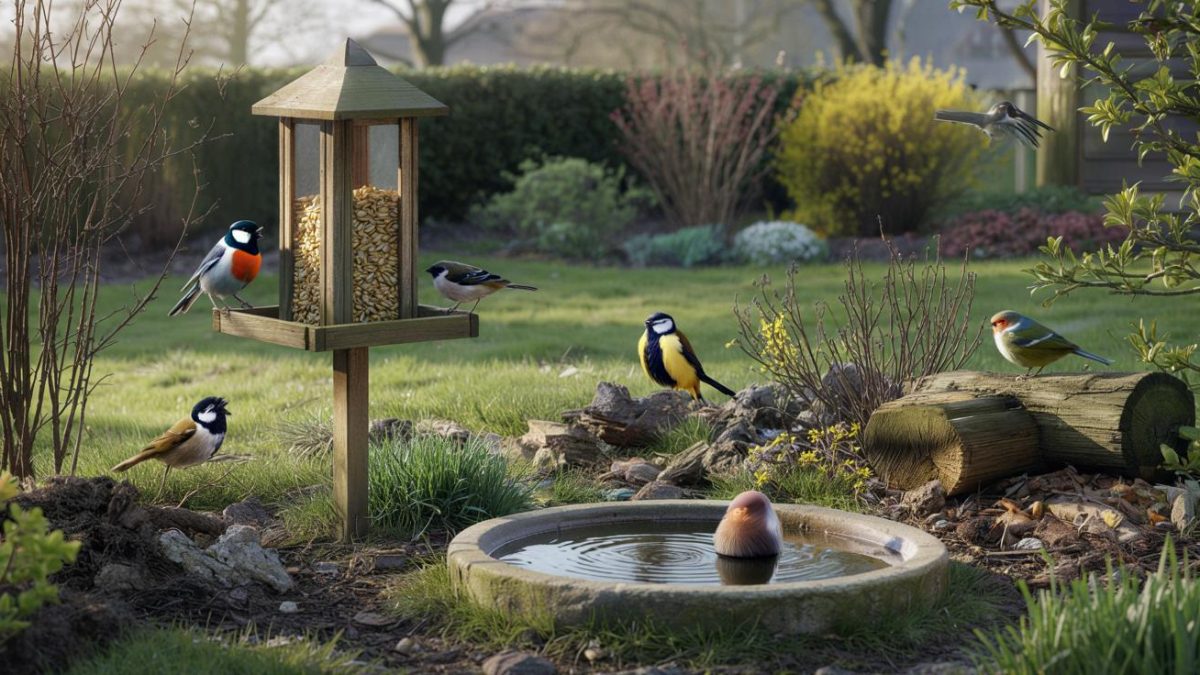
The arrival of spring is a bittersweet time for bird enthusiasts. While the urge to continue feeding our feathered friends may be strong, the reality is that this well-intentioned practice can quickly become a detriment to the very creatures we aim to help. As the weather warms and natural food sources become more abundant, experts agree that it’s time to bid farewell to the bird feeders, at least by the end of March.
The reasons behind this recommendation are both practical and ecological. By continuing to provide supplementary food, we risk disrupting the natural foraging behaviors of birds, making them overly dependent on human handouts. This can lead to a range of issues, from increased competition and territoriality to the potential spread of disease among congregating flocks.
Moreover, the prolonged presence of feeders can inadvertently attract predators, putting vulnerable nestlings and fledglings at risk. As the breeding season gets underway, birds need to focus their energy on nesting, mating, and raising their young – a task that becomes increasingly challenging when their instincts are clouded by reliance on artificial food sources.
When Should You Stop Feeding Birds?
The consensus among ornithologists and wildlife experts is that the end of March is the ideal time to cease feeding birds in most regions. This allows a natural transition as the birds shift their attention to the abundance of insects, seeds, and other natural food sources that become available as spring progresses.
However, it’s important to note that the specific timing can vary depending on geographical location and local climate conditions. In areas with lingering winter weather or delayed spring, the cut-off may need to be extended slightly. Conversely, in regions with early springs, the end of March may be too late to ensure a smooth transition for the birds.
Ultimately, the decision should be guided by close observation of the birds’ behavior and the availability of natural food sources in your local environment. If you notice your feathered friends begin to show signs of reduced interest in the feeders, or if the abundance of natural forage becomes apparent, that’s a clear signal that it’s time to wind down the winter feeding program.
The Dangers of Prolonged Feeding
While the temptation to continue feeding birds may be strong, it’s crucial to understand the potential risks involved. Prolonged feeding can disrupt the natural foraging patterns of birds, leading to a dependence on human-provided food sources. This can have several detrimental effects, including increased competition for resources, territorial conflicts, and the potential spread of diseases among congregating flocks.
Furthermore, the presence of feeders can attract predators, putting vulnerable nestlings and fledglings at risk. As the breeding season gets underway, birds need to focus their energy on nesting, mating, and raising their young – a task that becomes increasingly challenging when their instincts are clouded by reliance on artificial food sources.
- ➡Wie unser Universum wirklich entstand: Big Bang, Multiversum und Simulation im Check
- ➡Diese eine Balkonpflanze ersetzt zehn Blumentöpfe und erfüllt alles mit Duft
- ➡Geheimer Frühlings-Trick: Mit diesem Schnitt trägt dein Kirschbaum endlich voll
- ➡Dieser Büro-Trick ruiniert heimlich Ihre Karriere, warnt Psychologe
In addition, the continued use of feeders can lead to the accumulation of waste and debris, which can create unsanitary conditions and attract unwanted pests. This, in turn, can have negative consequences for the overall health and well-being of the local bird population.
Helping Birds in the Spring
While the end of winter feeding may seem like a loss for bird enthusiasts, there are many other ways to support our feathered friends during the spring season. One of the most important things you can do is to ensure that your yard or garden is providing a suitable habitat for nesting and foraging.
This can include planting native, bird-friendly vegetation that offers a variety of food sources, such as berries, seeds, and insects. Additionally, providing nesting materials like twigs, leaves, and pet hair can help birds build their homes and raise their young successfully.
Another valuable contribution is to maintain a clean and well-designed bird bath, ensuring a reliable source of fresh water for drinking and bathing. This can be especially crucial during the drier spring months when natural water sources may be scarce.
- ➡Neue Studie: Intensivlandwirtschaft lässt Vogelbestände dramatisch einbrechen
- ➡Audi Q3 gegen BMW X1: welcher Premium-SUV überzeugt 2026 wirklich?
- ➡Kleine Badezimmer, große Wirkung: Diese Mini-Pflanze liebt Dampf und macht jede Nasszelle chic
- ➡EU macht Kiwi offiziell zum Bauchfreund: so hilft die Frucht Ihrem Darm
The Importance of Timing
While the end of March is the generally recommended cut-off for winter bird feeding, it’s essential to consider the unique environmental factors in your local area. In regions with lingering winter weather or delayed spring, the transition period may need to be extended slightly to ensure that birds have access to sufficient natural food sources.
Conversely, in areas with early springs, the end of March may be too late to allow for a smooth transition. It’s crucial to observe the behavior and foraging patterns of the birds in your vicinity and adjust your feeding schedule accordingly.
By being mindful of the changing seasons and the specific needs of the local bird population, you can play a vital role in supporting their natural rhythms and ensuring their long-term well-being.
The Balanced Approach
Ultimately, the key to supporting birds during the spring season is to strike a balance between providing temporary assistance and allowing them to thrive in their natural environment. While the winter feeding program may have served a valuable purpose, it’s essential to recognize when it’s time to step back and let the birds reclaim their independence.
By following the guidance of experts and observing the cues from the birds themselves, you can ensure that your efforts to support our feathered friends are truly beneficial and sustainable. After all, the true joy of birdwatching lies in witnessing the natural wonders of their lives, unencumbered by our well-intentioned but potentially disruptive interventions.
As the spring season unfolds, embrace the opportunity to observe the birds’ natural foraging and nesting behaviors, and take pride in knowing that you’ve played a role in preserving the delicate balance of their ecosystem.
The Transition to Self-Sufficiency
Bidding farewell to the bird feeders at the end of March is not an easy task for many bird enthusiasts. After months of diligently filling the feeders and watching our feathered friends flock to them, the thought of removing this familiar source of sustenance can be daunting.
However, it’s important to remember that this transition is a necessary and crucial step in the birds’ journey towards self-sufficiency. As the weather warms and natural food sources become more abundant, the birds need to reconnect with their instinctual foraging behaviors and adapt to the changing environment.
By removing the feeders, we’re encouraging the birds to explore their surroundings, discover new food sources, and hone their survival skills. This process is essential for their long-term health and the overall well-being of the local ecosystem.
Embracing the Changing Seasons
As we bid farewell to the winter bird feeding program, it’s important to embrace the changing seasons and the natural rhythms of the avian world. Instead of focusing on the perceived loss of the feeders, we can shift our attention to the vibrant display of spring, with its bursts of color, the melodic songs of returning migrants, and the joyful sight of nestlings taking their first flights.
By recognizing the importance of this transition and the valuable role we play in supporting the birds’ natural behaviors, we can find new ways to appreciate and connect with our feathered friends. Whether it’s through planting native flora, maintaining a clean bird bath, or simply observing the birds from a respectful distance, there are countless opportunities to contribute to their well-being while respecting the boundaries of their natural ecosystem.
As the spring season unfolds, let us embrace the changing tides and celebrate the birds’ journey towards self-sufficiency. In doing so, we can ensure that our efforts to support them are truly beneficial and sustainable, paving the way for a harmonious coexistence between humans and the natural world.
FAQs
When should I stop feeding birds in the spring?
The general recommendation is to stop feeding birds by the end of March, as this allows a smooth transition for the birds to shift their focus to natural food sources as spring progresses. However, the exact timing can vary depending on your local climate and the specific needs of the bird population in your area.
Why is it important to stop feeding birds in the spring?
Prolonged feeding can disrupt the natural foraging behaviors of birds, making them overly dependent on human-provided food sources. This can lead to increased competition, territorial conflicts, and the potential spread of disease among congregating flocks. It’s important to allow the birds to transition back to their natural food sources during the breeding season.
How can I help birds in the spring without feeding them?
There are several ways to support birds in the spring without relying on feeders. You can plant native, bird-friendly vegetation, provide nesting materials, maintain a clean and accessible bird bath, and simply observe the birds from a respectful distance to avoid disrupting their natural behaviors.
What are the signs that it’s time to stop feeding birds?
Look for signs that the birds are losing interest in the feeders or that natural food sources are becoming more abundant in your area. If you notice the birds spending less time at the feeders or if you see them actively foraging for insects, seeds, and other natural food, it’s likely time to wind down the winter feeding program.
How can I determine the right time to stop feeding birds in my local area?
The optimal time to stop feeding birds can vary depending on your geographic location and local climate conditions. It’s important to closely observe the birds’ behavior and the availability of natural food sources in your area, and make adjustments accordingly. Consulting with local wildlife experts or organizations can also provide valuable guidance on the best timing for your specific region.
What happens if I continue feeding birds past the end of March?
Continuing to feed birds past the end of March can have several negative consequences. It can disrupt the birds’ natural foraging behaviors, leading to increased competition, territorial conflicts, and the potential spread of disease. It can also attract predators, putting vulnerable nestlings and fledglings at risk. It’s important to allow the birds to transition back to their natural food sources during the breeding season.
How can I ensure a smooth transition for the birds when I stop feeding them?
To ensure a smooth transition, it’s important to gradually reduce the amount of food you provide at the feeders over the course of a few weeks, rather than abruptly cutting them off. This allows the birds to slowly shift their focus to natural food sources and minimizes the disruption to their routine. Additionally, providing alternative sources of food, such as bird-friendly plants and a clean bird bath, can help ease the transition.
What are the benefits of allowing birds to be self-sufficient in the spring?
Allowing birds to be self-sufficient in the spring helps them to reconnect with their instinctual foraging behaviors, adapt to the changing environment, and focus their energy on nesting, mating, and raising their young. This is essential for their long-term health and the overall well-being of the local ecosystem. By respecting the natural rhythms of the avian world, we can ensure a harmonious coexistence between humans and the natural world.
- ➡Nahrungsergänzung boomt – brauchen wir die ganzen Pulver und Pillen wirklich?
- ➡Genialer Küchen-Trick: Mit Nussschalen Sukkulenten perfekt entwässern
- ➡Dieser Supermarkt-Lachs holt 94 von 100 Punkten – lohnt sich der Griff aus der Tiefkühltruhe?
- ➡Neuer Superkontinent Pangäa Ultima: Warum Frankreich zur Klima-Schlüsselregion wird