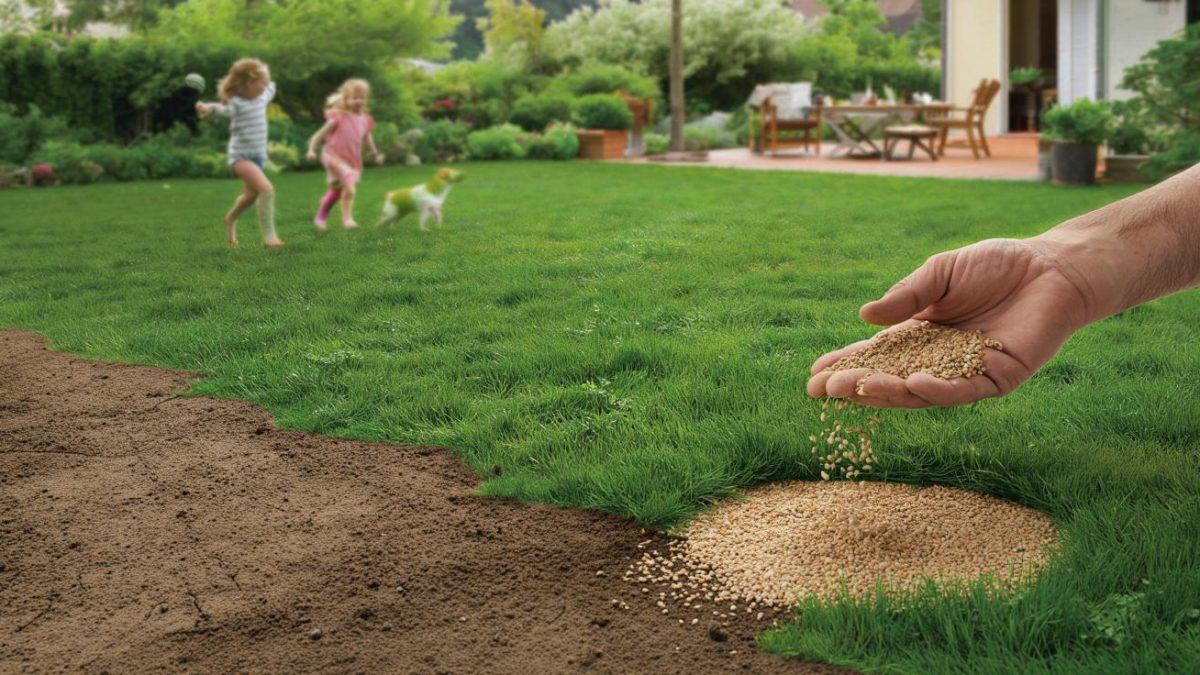
The winter can be a harsh time for our beloved lawns, leaving them patchy, discolored, and unsightly. But fear not, there’s a genius trick that can revive any lawn and have it looking lush and vibrant in no time. The secret lies in a little-known miracle worker called “Mikroklee.”
Mikroklee, also known as micro-clover, is an unassuming yet remarkably effective solution for filling in those dreaded bare spots that plague our gardens after the winter months. This hardy little plant is not only drought-resistant and low-maintenance, but it also has the power to outcompete weeds and provide a natural, nutrient-rich boost to your lawn.
Intrigued? Read on to discover how this simple yet ingenious trick can transform your lawn from drab to dazzling.
The Science Behind Mikroklee’s Lawn-Saving Magic
Mikroklee is a type of clover that has been specially bred to thrive in lawns and gardens. Unlike traditional clovers, which can quickly take over and become a nuisance, Mikroklee has a compact, low-growing habit that allows it to seamlessly integrate with your existing grass. This makes it the perfect solution for filling in those unsightly bare patches.
What sets Mikroklee apart is its ability to fix nitrogen in the soil, which it then shares with the surrounding grass. This natural fertilization process reduces the need for chemical fertilizers, making your lawn healthier and more sustainable in the long run.
But the benefits don’t stop there. Mikroklee is also highly resilient to drought, heat, and heavy foot traffic – all common challenges that can wreak havoc on a lawn. This means your new, lush lawn will be able to withstand the elements and maintain its vibrant appearance throughout the seasons.
Step-by-Step Guide: Filling in Bare Spots with Mikroklee
Reviving your lawn with Mikroklee is a simple and straightforward process. Here’s a step-by-step guide to get you started:
- Identify and prepare the bare spots. Gently rake the area to remove any dead grass or debris, ensuring a clean surface for the Mikroklee to take hold.
- Sow the Mikroklee seed. Sprinkle the Mikroklee seed evenly over the bare patches, making sure to follow the recommended seeding rate on the package.
- Cover and water. Lightly cover the seeded areas with a thin layer of soil or compost, and then water thoroughly. This will help the seeds germinate and take root.
- Be patient and maintain. Mikroklee may take a few weeks to fully establish, so be patient and continue to water the area regularly. Once the clover starts to spread, you can adjust your mowing height to accommodate the new growth.
The Benefits of Mikroklee: Less Stress, More Lush
In addition to its lawn-saving abilities, Mikroklee offers several other advantages that make it a game-changer for any garden enthusiast:
- ➡Zwei verblüffende Fähigkeiten: Daran erkennst du wirklich kluge Menschen im Job
- ➡Eine Angewohnheit, die ein kleines Vermögen kostet: Sieben von zehn Haushalten lassen dieses Gerät die ganze Nacht im Standby-Modus, was jährlich 180 € kostet
- ➡1‑Euro-Badewunder: Mit diesem Salz wird dein Rasen vor dem Sommer wieder sattgrün
- ➡Warum das Leben ab 60 wirklich so schwer wird – und nichts mit Falten zu tun hat
- Reduced mowing: Mikroklee’s low-growing habit means you’ll need to mow your lawn less frequently, saving you time and effort.
- Increased drought tolerance: The deep roots of Mikroklee help it withstand dry spells, keeping your lawn looking green and healthy even in the hottest summer months.
- Natural weed suppression: Mikroklee’s dense growth pattern outcompetes and crowds out unwanted weeds, minimizing the need for chemical treatments.
- Improved soil health: As Mikroklee fixes nitrogen in the soil, it nourishes the surrounding grass, creating a lush and vibrant lawn.
Transforming Your Lawn: The Visual Impact of Mikroklee
The visual transformation that Mikroklee can bring to a lawn is truly remarkable. As the clover spreads and integrates with the existing grass, it creates a seamless, lush carpet of green. The delicate white flowers that bloom on the Mikroklee add a touch of whimsy and charm, making your lawn a feast for the eyes.
But the real magic happens when you compare a Mikroklee-enhanced lawn to a traditional grass-only lawn. The Mikroklee-infused lawn will appear more vibrant, with a deeper, richer hue of green. And as the Mikroklee outcompetes weeds, your lawn will maintain a clean, manicured look without the need for constant maintenance.
So if you’re tired of staring at unsightly bare spots and struggling to keep your lawn looking its best, it’s time to embrace the genius of Mikroklee. This unassuming little plant could be the key to transforming your outdoor oasis into the envy of the neighborhood.
Common Mistakes to Avoid When Caring for Mikroklee
| Mistake | Explanation |
|---|---|
| Overwatering | Mikroklee is drought-resistant, so it doesn’t require as much water as traditional grass. Overwatering can lead to fungal issues and a loss of the clover’s natural resilience. |
| Mowing too short | Mikroklee thrives when left a bit longer, around 3-4 inches. Mowing it too short can stress the plants and make them more susceptible to weeds and pests. |
| Excessive fertilization | Mikroklee’s nitrogen-fixing abilities mean it doesn’t need as much additional fertilizer as grass. Applying too much can lead to an overgrowth of the clover and a disruption of the lawn’s natural balance. |
| Neglecting to aerate | Regular aeration helps ensure the soil is loose and well-draining, which is crucial for Mikroklee’s deep root system to thrive. |
Mikroklee in Action: Real-World Success Stories
“After years of battling bare spots and weeds in my lawn, Mikroklee has been a game-changer. It’s filled in the gaps beautifully, and I love how it adds a touch of whimsy to the yard.”
– Sarah, Homeowner in Portland, OR
“As a landscaper, I’ve seen Mikroklee work wonders for my clients’ lawns. It’s a low-maintenance, eco-friendly solution that delivers consistent results. My customers are always amazed by the transformation.”
– Michael, Landscape Designer in Seattle, WA
Also Read
- ➡Baby schreien lassen oder sofort trösten? Neue Studie heizt Schlaf-Streit an
- ➡8 Mini-Gewohnheiten, die deinen Alltag sofort leichter machen
- ➡Geniale Muffin-Idee von Starpatissière: So werden herzhafte Muffins außen knusprig, innen fluffig
- ➡Warum geteilte Schmerzen milder machen – und ignorierte Herzen verhärten
“Mikroklee has been a lifesaver for my rental property. With high foot traffic and limited time for lawn maintenance, it’s kept the yard looking tidy and healthy without any extra effort from me.”
– Lisa, Property Manager in Denver, CO
These real-life success stories are a testament to the power of Mikroklee in transforming even the most challenging lawns. With its unparalleled resilience, natural fertilization, and eye-catching aesthetic, it’s no wonder this little clover is quickly becoming a gardener’s best friend.
When Mikroklee Might Not Be the Best Choice
While Mikroklee is a fantastic solution for many homeowners, it’s important to note that there are a few scenarios where it may not be the ideal choice:
- ➡Blutige Geheimnisse aus der Felsensiedlung: Forscher entschlüsseln mittelalterliches Höhlendorf in Spanien
- ➡Geniale Garten-Idee aus England: So retten fette Körner unsere Wintervögel
- ➡Geniale Deko-Idee: So werden vergilbte Bettlaken zu Wohn-Schätzen
- ➡Mit 72 Jahren Radfahren auf flachen Strecken: Wie moderate Bewegung die Fitness unterstützt
- High-traffic areas: If your lawn sees a lot of heavy foot traffic, such as a play area for children or pets, Mikroklee may not be the best option, as it can struggle to maintain its density in these conditions.
- Shade-heavy environments: Mikroklee thrives in full sun, so it may not perform as well in heavily shaded areas of your lawn.
- Formal, manicured lawns: If you prefer a pristine, golf course-style lawn, Mikroklee’s natural, slightly uneven appearance may not align with your desired aesthetic.
In these cases, it’s best to consult with a local lawn care specialist to determine the most suitable solution for your unique outdoor space.
FAQs: Your Mikroklee Questions, Answered
What is the recommended seeding rate for Mikroklee?
The recommended seeding rate for Mikroklee is typically 4-6 pounds per 1,000 square feet of lawn. Be sure to follow the instructions on the specific seed package you purchase.
How long does it take for Mikroklee to establish itself in my lawn?
Mikroklee can take 4-6 weeks to fully establish and integrate with your existing grass. Be patient and continue to water the seeded areas regularly during this time.
Do I need to adjust my mowing height when using Mikroklee?
Yes, it’s recommended to raise your mowing height to 3-4 inches when you have Mikroklee in your lawn. This helps the clover thrive and prevents it from being overly stressed by frequent mowing.
- ➡Grün, dicht und gesund: Mit diesen sechs Frühjahrs Tricks wird deine Grünlilie zum echten Hingucker
- ➡Drei alte Klamotten aus dem Dachboden, die heute richtig Geld bringen
- ➡Seit ich dieses Pulver im März streue, ist mein Rasen tiefgrün und moosfrei
- ➡Gärtner starten jetzt durch: Was im März in die Erde muss
Will Mikroklee spread to areas of my lawn where I didn’t plant it?
Yes, Mikroklee is a spreading plant, so it will naturally expand to other areas of your lawn over time. This is part of what makes it such an effective solution for filling in bare spots.
How often should I water my Mikroklee-enhanced lawn?
Mikroklee is relatively drought-tolerant, but it still needs regular watering, especially during the establishment phase. Aim to water your lawn 1-2 times per week, adjusting as needed based on weather conditions.
Can I use traditional lawn fertilizers with Mikroklee?
It’s generally not necessary to use additional fertilizers on a Mikroklee-enhanced lawn, as the clover’s nitrogen-fixing abilities provide natural nourishment for the surrounding grass. Stick to light, organic fertilizers if needed.
Will Mikroklee take over my entire lawn?
Mikroklee is designed to integrate seamlessly with your existing grass, not to overtake it. As long as you maintain proper mowing and watering practices, the Mikroklee will complement your lawn without becoming invasive.
Can I overseed my lawn with Mikroklee?
Yes, you can absolutely overseed an established lawn with Mikroklee to help fill in bare spots and improve the overall health and appearance of your grass. Follow the same seeding instructions as for a new installation.