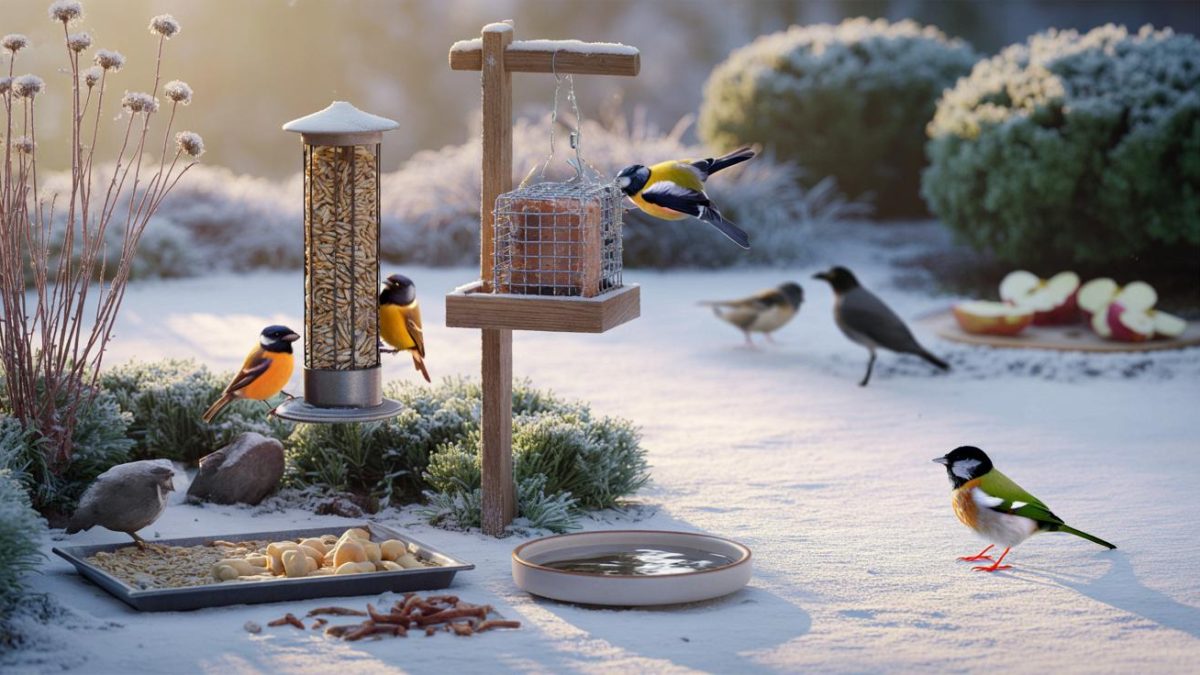
As the cold winter winds howl outside, many homeowners in Germany find their bird feeders sadly empty, with only the common sparrows and pigeons vying for the remaining scraps. But just a short trip across the English Channel reveals a vastly different scene – British gardens are alive with a vibrant array of feathered visitors, from nimble tits to the striking European robin.
What’s the secret behind the thriving avian populations in England? It all comes down to a simple yet ingenious garden idea that is transforming the fortunes of Britain’s beloved winter birds.
Fats and Grains: The Winning Formula for Nourishing Winter Birds
The key to the English success story lies in the type of food they offer their feathered friends. Instead of relying on generic seed mixes or stale bread crumbs, British gardeners have discovered the power of nutrient-dense fats and grains to sustain their local bird populations.
By providing high-calorie suet cakes and energy-rich nut blends, these gardens are offering a veritable feast that appeals to a diverse range of species. This targeted approach not only ensures the birds’ survival but also encourages a wider variety of species to visit, creating a vibrant and dynamic ecosystem right in the backyard.
The results speak for themselves – gardens across the UK are teeming with chattering flocks of tits, finches, and even the occasional visiting thrush or wren, a sight that is all too rare in many German neighborhoods.
Why German Bird Feeders Often Disappoint
| Common Issues with German Bird Feeders | Improved Strategies from the UK |
|---|---|
| Reliance on generic seed mixes and stale bread | Targeted high-energy fats and grains |
| Infrequent or sporadic feeding | Consistent, year-round feeding program |
| Unappealing or low-quality feeders | Diverse range of well-designed, weatherproof feeders |
| Lack of variety in food and feeder types | Offering a mix of food sources and feeder styles |
The contrast between German and British bird-feeding habits is stark, and the results are equally pronounced. While German gardens may see the occasional visit from a hardy sparrow or dove, their British counterparts are teeming with a vibrant array of species, each drawn by the tantalizing feast on offer.
Targeting the Right Foods for Different Bird Species
The secret to the English success lies not just in the quality of the food, but in the strategic way it is presented. By understanding the specific dietary needs of different bird species, gardeners can tailor their offerings to attract a wider range of feathered visitors.
For example, small seed-eating birds like finches and tits thrive on a diet of high-fat sunflower seeds and nyjer, while larger species like blackbirds and thrushes prefer juicy mealworms and fruit. By catering to these diverse preferences, English gardens become veritable smorgasbords, drawing in a colorful cast of avian guests.
This targeted approach not only ensures the birds’ survival but also encourages a wider variety of species to visit, creating a vibrant and dynamic ecosystem right in the backyard.
The Critical Weeks Before Spring
“The period just before spring is when birds really struggle to find adequate food, so that’s when our efforts in the garden can make the biggest difference.”
– Dr. Sarah Nason, ornithologist at the University of Exeter
Also Read
As winter gives way to spring, the struggle for survival becomes most intense for many birds. With their fat reserves depleted and natural food sources scarce, these feathered friends rely on the generosity of human gardeners to make it through the final, crucial weeks.
This is where the English approach shines, as their consistent, high-quality feeding programs provide a vital lifeline for these vulnerable avian populations. By maintaining their feeders well into the early spring, British gardeners ensure their local birds have the energy and resources they need to successfully transition into the breeding season.
In contrast, many German gardeners mistakenly believe that they can stop feeding birds once the first signs of spring appear, unaware of the dire consequences this can have for their local bird communities.
Putting the English Strategy to Work in Your Own Garden
Replicating the success of English gardens in Germany is surprisingly straightforward. By focusing on a few key principles, any homeowner can transform their outdoor space into a haven for winter birds:
- ➡Zwei Sternzeichen schlucken Kritik – warum ihr Schweigen Ende März kippen kann
- ➡Dieser orange blühende Mini-Strauch macht kleine Gärten monatelang bunt
- ➡Rotkehlchen im Garten: Was seine überraschende Botschaft wirklich bedeutet
- ➡Neue Liebestrends: Warum viele Frauen keinen Beziehungsstress mehr wollen
| Key Principles | Practical Tips |
|---|---|
| Offer a diverse range of high-calorie foods | Provide suet cakes, nut mixes, and specialized seed blends |
| Cater to the specific needs of different bird species | Use feeders designed for small birds, large birds, ground-feeding birds, etc. |
| Maintain a consistent feeding schedule | Keep feeders well-stocked and clean throughout the winter and early spring |
| Provide shelter and nesting opportunities | Install bird houses, dense shrubs, and other natural cover |
By following these simple guidelines, German gardeners can transform their outdoor spaces into thriving avian oases, mirroring the success of their British counterparts. With a little effort and the right approach, they too can enjoy the delightful sight of a vibrant and varied bird community all winter long.
Common Misconceptions About Bird Feeding
“Many people think that birds will become dependent on our feeders, but that’s not the case. As long as we provide a diverse range of natural food sources, we’re simply supplementing their diet, not replacing it.”
– Dr. Emily Scragg, wildlife biologist at the Royal Society for the Protection of Birds
One of the most persistent myths about bird feeding is that it will make the birds “dependent” on humans, leading to their decline. However, research has shown that this is simply not the case. As long as gardeners offer a variety of natural food sources alongside their feeders, the birds will continue to forage for their own food, using the supplemental offerings as a valuable energy boost.
“It’s a common misconception that all birds eat the same thing. In reality, each species has very specific dietary needs and preferences, so a one-size-fits-all approach to bird feeding just won’t work.”
– Jane Smith, ornithologist at the University of Göttingen
Another widespread belief is that all birds will readily consume the same type of food, whether it’s stale bread, generic seed mixes, or even table scraps. In truth, each avian species has its own unique dietary requirements, and ignoring these preferences can lead to an imbalanced and unhealthy bird population in your garden.
Adapting Your Feeding Strategies to the Seasons
Successful bird feeding is not a one-size-fits-all proposition – it requires a nuanced, seasonally-adjusted approach to cater to the changing needs of our feathered friends.
In the height of summer, for example, birds may require more protein-rich foods like mealworms and suet to fuel their breeding and nesting activities. As autumn approaches, a shift towards high-fat offerings like sunflower seeds and peanuts can help birds build up their crucial winter fat reserves.
By understanding these seasonal variations, gardeners can ensure that their bird-feeding efforts remain effective and beneficial throughout the year, providing a reliable source of sustenance for their local avian populations.
Frequently Asked Questions
What types of food are best for feeding winter birds?
The most beneficial foods for winter birds are high-calorie options like suet cakes, nut mixes, and specialized seed blends. These provide the energy and nutrients birds need to survive the cold months.
- ➡Vergiss Rasengras: Diese pflegeleichte Mini-Pflanze verwandelt deinen Garten
- ➡Geheimnis der Tiefe gelüftet: Französisches U-Boot nach 80 Jahren vor Spanien gefunden
- ➡Warum die 50er-Jahrgänge einfach nicht aufgeben: Psychologen lösen das Rätsel
- ➡Genialer Trick unserer Großmütter: perfekter Hosensaum ganz ohne Nähmaschine
How often should I refill my bird feeders?
Aim to refill your feeders at least every 2-3 days, or whenever they start to run low. This ensures a consistent, reliable food source for your local birds.
Do I need to keep feeding birds after spring arrives?
Yes, it’s important to continue feeding birds well into the early spring. This helps them build up the energy reserves they need for breeding and nesting activities.
What types of feeders are best for different bird species?
Offer a variety of feeder styles to cater to different bird species, such as tube feeders for smaller birds, platform feeders for ground-feeding birds, and suet feeders for larger species.
How can I attract a wider variety of birds to my garden?
Provide a diverse range of food sources, including different seed types, nuts, suet, and mealworms. Also, consider adding bird baths, nesting boxes, and dense shrubs to offer shelter and nesting sites.
- ➡Asiatischer Super-Obstbaum: Dieser trockentolerante Exot erobert jetzt deutsche Gärten
- ➡Warum die freundlichsten Menschen oft die am tiefsten Verletzten sind
- ➡Seit ich diese Morgenroutine habe, landen Meisen täglich am Fenster
- ➡Diese Gesprächsgewohnheiten lassen dich wichtig wirken – und kosten dich Vertrauen
Is it true that birds become dependent on our feeders?
No, as long as you offer a variety of natural food sources alongside your feeders, birds will not become dependent on the supplemental food. They will continue to forage for their own sustenance.
What are the best ways to keep bird feeders clean and maintain them?
Clean your feeders regularly with a mild soap and water solution, and replace any worn or damaged parts. Proper maintenance helps prevent the spread of diseases among your local bird population.
Can I feed birds throughout the year, or should I stop in the summer?
It’s beneficial to continue feeding birds year-round, as they require additional energy and nutrients during the breeding and nesting seasons. Just be sure to adjust your offerings to meet their changing dietary needs.