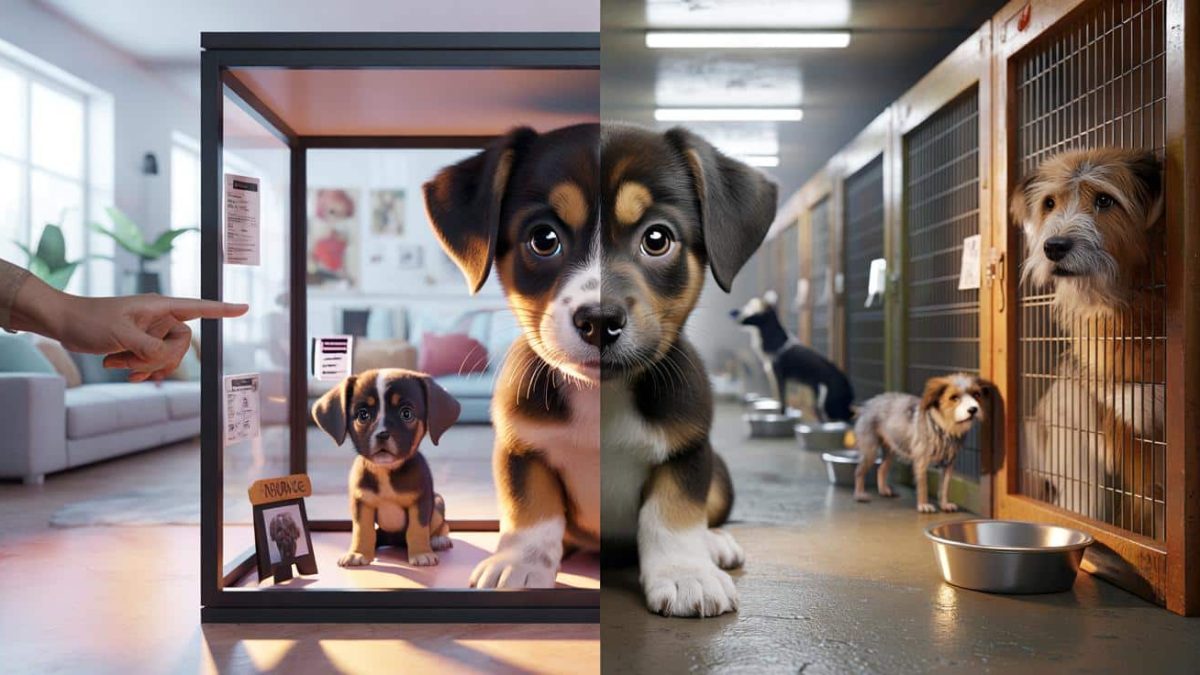
The dream of owning a designer puppy has become a troubling reality for many families. As thousands of dogs languish in shelters across Germany and Europe, a lucrative market for “perfect” purebred puppies has emerged, fueling a cycle of exploitation and abandonment.
Families are increasingly configuring their ideal canine companions like they would a product, prioritizing aesthetics over the well-being of the animal. But the harsh truth is that this pursuit of perfection often comes at a tremendous cost – to the health, happiness, and ultimately the lives of these dogs.
As we delve into the complex issues surrounding this phenomenon, it becomes clear that the allure of the designer puppy is a mere mirage, masking the harsh realities faced by countless canines trapped in a system that treats them as commodities rather than living, breathing creatures deserving of love and care.
The Rise of the Designer Puppy Phenomenon
The demand for “perfect” purebred puppies has skyrocketed in recent years, driven by a combination of social media influence, the desire for status symbols, and a lack of understanding about the consequences of this trend. Families are increasingly drawn to the idea of a flawless, Instagram-ready companion, often at the expense of considering the realities of dog ownership.
- ➡Richtig entschuldigen: Die 7 Sätze, die Beziehungen wirklich retten
- ➡Bob kurz ist zurück: warum der Trend-Schnitt 2026 alle Stars packt
- ➡Geheimer Garten-Trick: Mit diesem Kraut schmecken Tomaten deutlich intensiver
- ➡Hund zeigt nie, dass er leidet? Diese versteckten Schmerzsignale sollten Halter kennen
This obsession with appearance has created a thriving market for puppy mills and unscrupulous breeders, who prioritize profit over the well-being of the animals. These operations often house dogs in cramped, unsanitary conditions, with little regard for their physical or emotional needs.
The result is a steady stream of puppies with a range of health and behavioral issues, which are then passed on to unsuspecting buyers, who may not have the resources or expertise to provide the necessary care and training. Sadly, many of these dogs end up in shelters or, even worse, euthanized due to their complex needs.
The Overlooked Reality of Shelter Dogs
While the designer puppy craze rages on, the plight of shelter dogs is often overlooked. Across Germany and Europe, thousands of canines wait patiently in shelters, hoping for a chance at a forever home. These dogs, often surrendered or abandoned by their previous owners, are just as deserving of love and affection as the coveted purebred puppies.
Unfortunately, many potential pet owners are deterred from adopting from shelters due to misconceptions about the animals’ backgrounds or perceived “flaws.” They may assume that shelter dogs are damaged goods, or that they will require more time and effort to train and care for.
The reality, however, is quite different. Shelter dogs come in a wide range of ages, breeds, and temperaments, and with the right guidance and support, they can make wonderful companions. Additionally, adopting a shelter dog often comes with the added benefit of saving a life and supporting the vital work of animal welfare organizations.
The Hidden Costs of Purchasing a Designer Puppy
The allure of a designer puppy may seem irresistible, but the true costs of this decision often go far beyond the initial price tag. From ongoing veterinary expenses to the emotional toll of dealing with health and behavioral issues, the financial and personal investment required can be overwhelming.
Many families fail to account for the long-term care and training required for a new puppy, leading to a high rate of surrenders and abandonments. This not only creates more strain on the already overburdened shelter system but also contributes to the heartbreaking cycle of animal suffering.
Moreover, every purchase of a designer puppy sends a signal to the industry, encouraging the continued exploitation of breeding animals and the perpetuation of this unethical practice. By choosing to adopt from a shelter instead, individuals can make a tangible difference and help break this vicious cycle.
- ➡Gelbe Flecken im Rasen? Mit diesem Boden-Trick wird er wieder sattgrün
- ➡Neue Produktivitäts-Methode: Warum eine „Geschafft-Liste“ deinen Tag rettet
- ➡Meningitis-Alarm in England und Frankreich: Institut warnt vor fünf Warnsignalen
- ➡Geheimer Winter-Trick am Fenster: Mit einem Handgriff Heizkosten senken
The Overlooked Advantages of Adopting an Adult Dog
While the allure of a cute, cuddly puppy is understandable, the benefits of adopting an adult dog are often overlooked. These canines come with the added advantage of being housetrained, having established basic obedience skills, and often being calmer and more settled than their younger counterparts.
Adult dogs can also provide a more immediate companionship, as they are often ready to integrate into a new home and family with minimal adjustment. This can be particularly appealing for busy families or individuals who may not have the time or resources to dedicate to the intensive training required for a puppy.
Furthermore, by choosing to adopt an adult dog, individuals are not only saving a life but also supporting the crucial work of animal shelters and rescue organizations. These institutions play a vital role in providing care, rehabilitation, and second chances for countless canines in need.
Responsible Pet Ownership: A Lifelong Commitment
Owning a dog is not a decision to be made lightly. It is a long-term commitment that requires a deep understanding of the animal’s needs, as well as the willingness to provide a stable, loving, and enriching environment. A dog is not an accessory or a status symbol, but a living, breathing creature that deserves to be treated with the utmost care and respect.
Whether one chooses to adopt from a shelter or purchase from a reputable breeder, the responsibilities of pet ownership remain the same. Regular veterinary check-ups, proper training, adequate exercise, and a lifetime of compassionate care are all essential elements of being a responsible dog owner.
By embracing this holistic approach to pet ownership, individuals can not only provide a fulfilling life for their canine companion but also contribute to the broader movement of animal welfare and responsible pet ownership.
Navigating the Path to Responsible Dog Ownership
For those who are considering adding a furry friend to their family, there are several practical steps that can help guide the decision-making process. First and foremost, it’s crucial to assess one’s lifestyle, resources, and level of commitment to ensure that a dog will be a suitable and sustainable addition.
Researching different breeds, their unique characteristics, and the specific care requirements can also help potential owners make an informed choice. Additionally, connecting with reputable shelters, rescue organizations, or ethical breeders can provide invaluable insights and support throughout the adoption or purchase process.
By taking the time to carefully consider the responsibilities and long-term implications of dog ownership, individuals can make a decision that aligns with their values and provides the best possible outcome for both the human and the canine companion.
The Path Forward: Embracing Ethical Choices
As the designer puppy craze continues to gain momentum, it is essential for individuals to take a step back and consider the broader implications of their choices. By recognizing the inherent value of all dogs, regardless of their perceived “perfection,” and by prioritizing the well-being of these animals over personal preferences, we can collectively work towards a future where no dog is left behind.
Through increased awareness, advocacy, and a commitment to responsible pet ownership, we can challenge the status quo and create a more compassionate and ethical landscape for our canine companions. This may involve supporting legislative efforts to regulate the breeding industry, donating to or volunteering with animal welfare organizations, or simply choosing to adopt a dog in need.
Ultimately, the path forward lies in embracing a holistic approach to pet ownership, one that recognizes the intrinsic worth of every dog and prioritizes their physical, emotional, and behavioral needs above all else. By doing so, we can not only improve the lives of individual canines but also contribute to a more just and humane world for all.
FAQ
What are the most common health and behavioral issues associated with designer puppies?
Designer puppies from unscrupulous breeders often suffer from a range of health problems, such as genetic disorders, respiratory issues, and joint problems. Behavioral challenges, including aggression, anxiety, and difficulty with training, are also common due to the lack of proper socialization and care.
How can I determine if a breeder is reputable and ethical?
Look for breeders who prioritize the health and well-being of their dogs, provide extensive socialization and care, and are transparent about the animals’ backgrounds. Reputable breeders will also be happy to answer your questions and provide references.
What are the benefits of adopting an adult dog from a shelter?
Adopting an adult dog can offer several advantages, such as being housetrained, having basic obedience skills, and often being calmer and more settled than puppies. Shelter dogs also come with the added benefit of saving a life and supporting the vital work of animal welfare organizations.
How can I prepare my home and lifestyle for a new dog?
Proper preparation is key to ensuring a successful and sustainable pet ownership experience. This includes dog-proofing your home, establishing a feeding and exercise routine, and researching the specific needs of the breed or age of the dog you’re considering.
What are the long-term costs of owning a dog?
Owning a dog involves more than just the initial purchase price. Ongoing expenses can include food, veterinary care, grooming, training, and supplies. It’s essential to budget for these costs and ensure that you have the financial resources to provide for your canine companion’s lifetime.
How can I find the right dog for my family and lifestyle?
When selecting a dog, consider factors such as your living space, activity level, and any specific needs or preferences. Consulting with shelters, rescue organizations, or reputable breeders can help you find the perfect match and ensure a successful and fulfilling pet ownership experience.
What can I do to support animal welfare and ethical pet ownership?
You can support animal welfare by adopting from shelters or rescues, donating to or volunteering with local organizations, and advocating for stronger regulations in the breeding industry. Spreading awareness about the realities of designer puppies and the benefits of adopting can also make a meaningful difference.
How can I ensure my dog’s long-term well-being and happiness?
Providing your dog with proper nutrition, exercise, training, and veterinary care, as well as a loving and stable environment, are essential for their long-term well-being and happiness. Regular socialization, mental stimulation, and a commitment to responsible pet ownership are also key to a fulfilling canine-human relationship.