In the bustling world of gardening, where traditional fruit trees often struggle to thrive, a new player has arrived to challenge the status quo. The Jujube, an Asian super-fruit tree, is quietly making waves in German gardens, captivating green thumbs with its resilience and versatility.
As climate change brings more frequent heatwaves and droughts, many gardeners have found their beloved apple and cherry trees wilting under the strain. But the Jujube, a native of the arid regions of China and Central Asia, is poised to become the new darling of the sustainable garden movement.
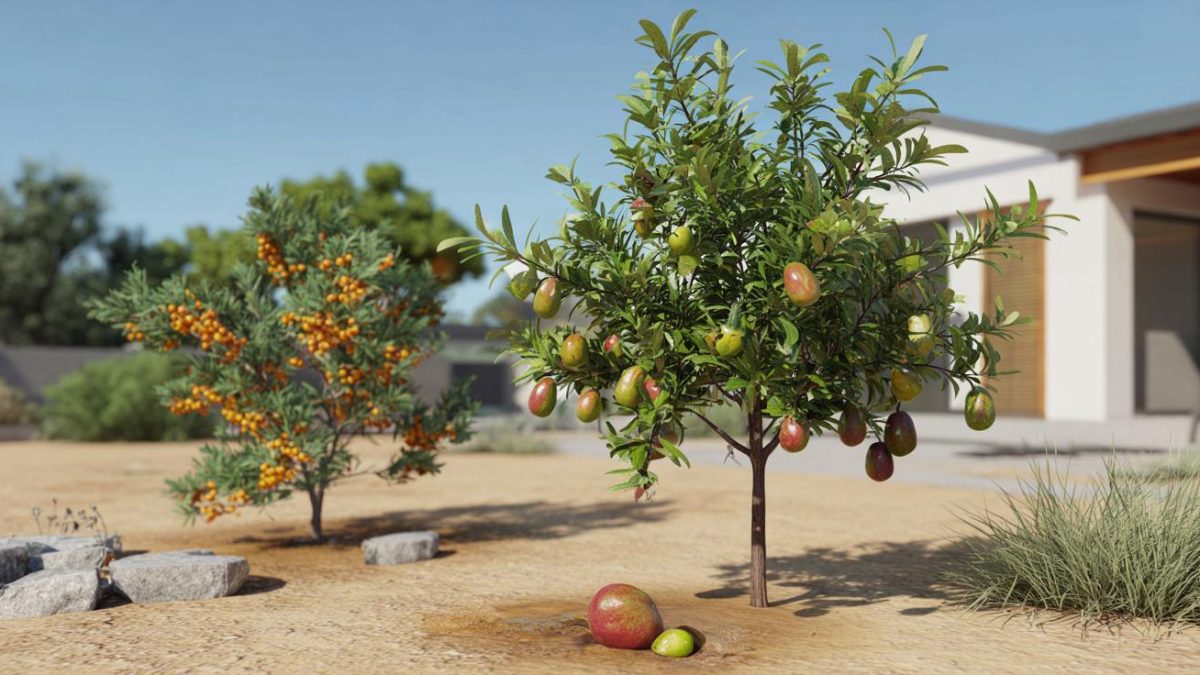
This unassuming tree, with its distinctive green foliage and distinctive fruit, is proving to be a game-changer for those seeking a hardy, drought-tolerant addition to their outdoor oasis. Its ability to thrive in challenging conditions has gardeners across Germany eagerly exploring this exotic newcomer.
The Jujube: A Resilient Fruit Tree for Dry Climates
The Jujube, also known as the Chinese date or red date, is a true marvel of nature. Unlike its more finicky orchard counterparts, this tree is built to withstand the rigors of hot, dry conditions. Its deep, extensive root system allows it to tap into moisture deep underground, making it resilient even during prolonged periods of drought.
What’s more, the Jujube’s leaves are coated with a waxy layer, helping them retain moisture and minimize water loss. This adaptability means the tree can thrive in areas where traditional fruit trees would wither and die, making it an increasingly popular choice for gardeners seeking a reliable and sustainable option.
Jujube trees are also remarkably hardy, able to tolerate a wide range of temperatures, from scorching summers to chilly winters. This versatility allows gardeners to experiment with this exotic fruit tree in various climates and microclimates across Germany, opening up new possibilities for urban and suburban gardens.
The Surprising Flavors of the Jujube Fruit
Beyond its impressive drought-resistance, the Jujube tree offers a unique culinary experience. The fruit, which resembles a small apple or date, boasts a delightful flavor profile that can best be described as a cross between an apple and a caramel-infused plum.
When freshly picked, the Jujube fruit has a crunchy, juicy texture, with a sweetness that is not overpowering. As the fruit matures, it develops a chewy, date-like consistency, making it a versatile ingredient in both sweet and savory dishes.
- ➡Garten-Hack statt Chemie: Warum Spülmittel beim Unkraut killen Trumpf ist
- ➡WhatsApp-Schock: Was der blaue Meta‑Punkt wirklich macht – und wie Sie ihn ausblenden
- ➡Nie mehr Hochdruckreiniger: Mit diesem 2‑Produkte‑Trick wird die Terrasse wieder sauber
- ➡Dieses 9-Euro-Küchen-Gadget macht Knoblauch in Sekunden fertig
Gardeners who have embraced the Jujube are discovering a wealth of culinary possibilities. The fruit can be enjoyed fresh, dried, or even used in jams, pies, and other baked goods. Its subtle, caramel-like notes lend themselves beautifully to a range of culinary applications, from breakfast to dessert.
Planting and Caring for the Jujube Tree
For those eager to add the Jujube to their gardens, the springtime is the ideal time to get started. When planting, it’s important to choose a well-draining, sunny location that mimics the tree’s natural habitat in arid regions.
Unlike many fruit trees, the Jujube thrives in poor, sandy soil, making it a low-maintenance choice for gardeners with challenging growing conditions. Regular watering is essential during the first year, but once established, the tree can largely fend for itself, requiring minimal irrigation.
Pruning the Jujube is a straightforward process, with the tree responding well to light, annual trimming to maintain its shape and encourage fruit production. With the right care and attention, gardeners can look forward to a bountiful harvest of this unique and flavorful fruit.
- ➡Warum heißes Leitungswasser Ihren Morgenkaffee zur Risiko-Falle macht
- ➡Warum Biologen sagen, dass Magnesium das am meisten unterschätzte Mineral unserer Zeit ist – und welche Form du wirklich brauchst
- ➡Paar renoviert Küche – und stößt auf Schatz aus dem 17. Jahrhundert
- ➡Das Reinigungsmittel im Supermarkt, das du durch etwas aus der Küche ersetzen kannst
Pairing the Jujube with Other Drought-Tolerant Plants
The Jujube’s hardy nature makes it the perfect centerpiece for a “dry garden” concept, where other drought-resistant plants can thrive alongside it. Gardeners are experimenting with complementary species like the Siberian Peashrub, Rosemary, and the ever-popular Lavender, creating visually stunning and low-maintenance oases.
This synergistic approach not only reduces the overall water requirements of the garden but also encourages biodiversity by attracting pollinators and beneficial insects. The result is a harmonious and resilient outdoor space that can withstand the challenges of a changing climate.
By incorporating the Jujube tree into their garden plans, German green thumbs are embracing a future-proof solution that celebrates the beauty and bounty of drought-tolerant horticulture.
The Jujube’s Growing Popularity and Future Potential
As the effects of climate change continue to shape our landscapes, the Jujube’s popularity is only expected to grow. Gardeners and horticulturists are taking note of this remarkable tree, recognizing its potential to redefine the way we approach sustainable gardening.
Beyond its practical benefits, the Jujube also holds a certain allure for those seeking to broaden their horticultural horizons. Its exotic origins and unique characteristics make it a captivating addition to any garden, sparking curiosity and inspiring a sense of discovery.
As more gardeners in Germany and across Europe embrace the Jujube, the potential for this Asian super-fruit to become a staple in urban and suburban landscapes is becoming increasingly evident. The future of the German garden may very well be rooted in the resilience and versatility of the Jujube tree.
Frequently Asked Questions About the Jujube Tree
How well does the Jujube tree tolerate frost and cold temperatures?
The Jujube is surprisingly hardy and can withstand temperatures as low as -15°C (5°F) when dormant. While it may lose its leaves in colder winters, the tree is resilient and will typically bounce back in the spring.
How much maintenance and care does a Jujube tree require?
Compared to many other fruit trees, the Jujube is relatively low-maintenance. It requires occasional pruning and regular watering during the first year, but once established, it can thrive with minimal intervention, making it an excellent choice for busy gardeners.
Are there any significant risks or challenges with growing Jujube trees?
The Jujube is generally a healthy and disease-resistant tree, but it may be susceptible to pests like aphids or scale insects in some cases. Careful monitoring and occasional treatment can help keep the tree healthy and productive.
How quickly do Jujube trees mature and begin bearing fruit?
Jujube trees typically take 3-5 years to reach full maturity and begin producing a reliable harvest. With proper care and growing conditions, gardeners can expect a bountiful crop of delicious fruit once the tree has fully established itself.
Can Jujube trees be grown in containers or small gardens?
Yes, Jujube trees can be successfully grown in containers or small gardens, as long as they are provided with well-draining soil and ample sunlight. Gardeners should choose dwarf or semi-dwarf varieties to ensure the tree remains a manageable size.
What are the best ways to use and enjoy Jujube fruit?
Jujube fruit can be enjoyed fresh, dried, or incorporated into a variety of sweet and savory dishes. They make excellent snacks, and can also be used in jams, pies, and even as a natural sweetener in baked goods.
Are Jujube trees compatible with other drought-tolerant plants?
Absolutely! The Jujube tree pairs well with other drought-resistant species like lavender, rosemary, and the Siberian peashrub. This synergistic planting approach helps create a low-maintenance, water-wise garden that thrives in dry conditions.
Where can I purchase Jujube trees or saplings in Germany?
Jujube trees are becoming increasingly available at specialty nurseries and online retailers across Germany. It’s worth checking with your local garden center or searching for reputable online suppliers to find the best options for your climate and growing conditions.