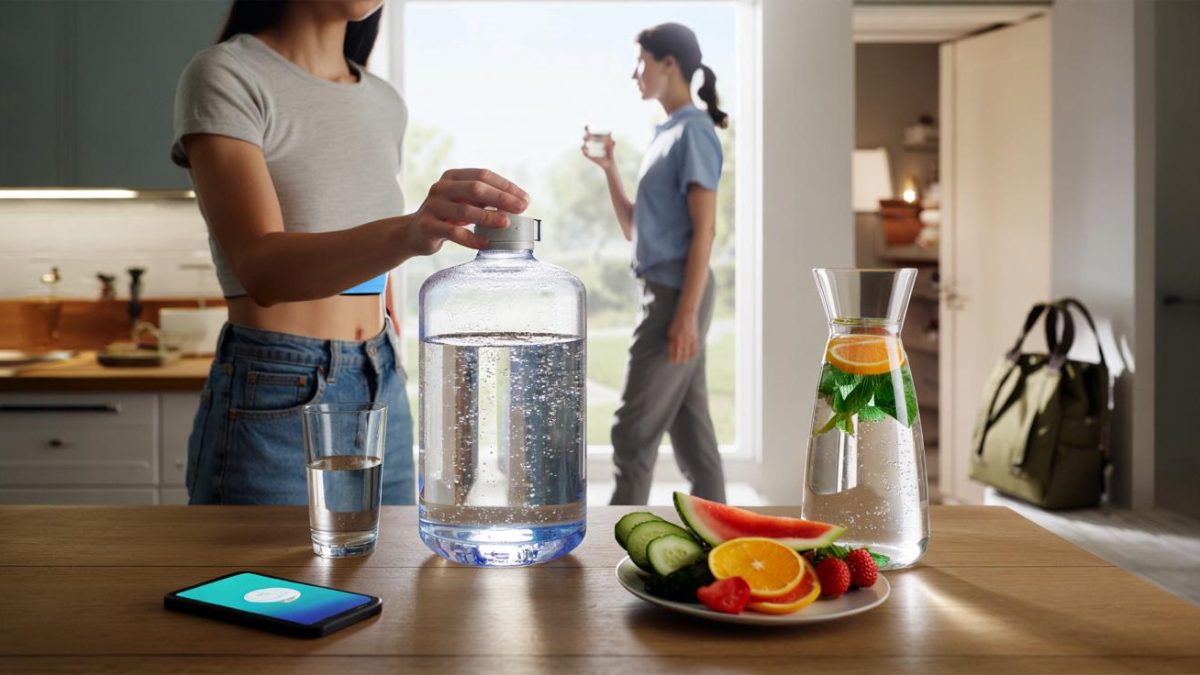
Are you constantly feeling drained, with a lingering headache and dry skin? These could be signs that you’re not drinking enough water. Proper hydration is essential for maintaining optimal health, yet many of us struggle to stay on top of our fluid intake. But the solution doesn’t have to be complicated.
In this article, we’ll explore three simple tricks to help you stay hydrated throughout the day, without the hassle. By making a few small adjustments to your daily routine, you can ensure your body gets the water it needs to function at its best. So, let’s dive in and discover how you can stay refreshed and rejuvenated, one sip at a time.
The Importance of Staying Hydrated
Water is the foundation of our bodies, making up around 60% of our total body weight. It plays a crucial role in regulating temperature, transporting nutrients, and supporting vital organ function. Yet, despite its importance, many people fall short of their daily fluid intake.
Dehydration can lead to a host of unpleasant symptoms, from fatigue and headaches to dry skin and constipation. In severe cases, it can even impair cognitive function and physical performance. Maintaining proper hydration, on the other hand, can boost energy levels, improve mood, and reduce the risk of various health problems.
The key is to stay ahead of the curve, drinking water before you feel thirsty. This can be especially challenging in our fast-paced, on-the-go lifestyles, but with a few simple tricks, you can make staying hydrated a seamless part of your daily routine.
Three Simple Tricks to Drink More Water
Increasing your water intake doesn’t have to be a chore. By incorporating these three easy-to-implement strategies, you can stay hydrated without even thinking about it.
1. Carry a Reusable Water Bottle
One of the most effective ways to boost your water intake is to keep a reusable bottle within reach at all times. Whether you’re at work, running errands, or working out, having a water bottle on hand serves as a constant reminder to sip throughout the day.
Opt for a bottle that’s easy to refill and carry, and make a point to keep it filled up. You can even set reminders on your phone or computer to take regular water breaks. By making hydration a seamless part of your daily routine, you’ll be less likely to let it slip through the cracks.
- ➡Mit 72 Jahren Radfahren auf flachen Strecken: Wie moderate Bewegung die Fitness unterstützt
- ➡Fund im Gartengrund: Zufallsstein entpuppt sich als Kriegs-Technik aus der Bronzezeit
- ➡Genialer Garten-Hack: Mit Eierkartons immer perfekten Knoblauch-Abstand setzen
- ➡Fataler Pflanzfehler: Deshalb blüht Ihr junger Obstbaum einfach nicht
Bonus tip: Invest in a bottle with measurement markings to help you track your progress and ensure you’re reaching your daily water goals.
2. Infuse Your Water with Fruit
If plain water isn’t your thing, try adding a burst of natural flavor by infusing it with fresh fruit. Slices of lemon, lime, or cucumber can give your water a refreshing twist, making it more enticing to sip throughout the day.
You can even experiment with different fruit combinations, such as strawberry and basil or watermelon and mint. Not only does this add a delightful flavor, but it also provides a gentle dose of vitamins and antioxidants to support your overall health.
Tip: Prepare a pitcher of infused water at the start of the week and keep it on hand in the fridge for easy access.
3. Set Hydration Reminders
Remembering to drink water can be a challenge, especially when you’re busy or focused on other tasks. That’s where setting hydration reminders can be a game-changer.
Whether it’s a recurring alarm on your phone, a note on your computer, or a visual cue like a sticker on your water bottle, these reminders will help you stay on top of your fluid intake. You can even set them to go off at regular intervals, like every two hours, to ensure you’re sipping water throughout the day.
Tip: Pair your hydration reminders with other daily habits, such as taking a break from your desk or starting a new task, to make the behavior stick.
Staying Hydrated: Expert Insights
“Proper hydration is essential for overall health and well-being. By making simple adjustments to your daily routine, such as carrying a reusable water bottle or setting hydration reminders, you can ensure your body gets the fluids it needs to function at its best,” says Dr. Emily Thompson, a registered dietitian and hydration expert.
“Drinking enough water can have a profound impact on your energy levels, mood, and cognitive function. It’s one of the easiest and most effective ways to support your overall health.”
According to Dr. Sarah Klemm, a nutritionist and wellness coach, “Infusing your water with fruit is a great way to make hydration more enjoyable. The added flavor can help you drink more water throughout the day, and you’ll also benefit from the nutrients and antioxidants in the fruit.”
“I always recommend that my clients carry a reusable water bottle and set reminders to stay on top of their hydration. It’s a simple habit that can make a big difference in how they feel and perform.”
As Dr. Michael Watts, a sports medicine specialist, notes, “Dehydration can have a significant impact on physical and mental performance. By implementing these easy-to-follow strategies, you can ensure your body has the fluids it needs to function at its best, whether you’re hitting the gym or tackling a busy workday.”
“Staying hydrated isn’t just about drinking more water – it’s about making it a consistent part of your daily routine. These tricks can help you do just that.”
Incorporating Hydration into Your Lifestyle
Staying hydrated doesn’t have to be a chore. By making a few simple adjustments to your daily routine, you can ensure your body gets the fluids it needs to thrive. From carrying a reusable water bottle to infusing your water with refreshing fruit, these strategies can help you develop a seamless hydration habit that supports your overall health and well-being.
Remember, the key is to stay ahead of the curve and drink water before you feel thirsty. With a little bit of planning and a few friendly reminders, you can make hydration a natural part of your day-to-day life. So, why not start today? Your body will thank you for it.
FAQs
How much water should I be drinking each day?
The recommended daily water intake can vary depending on factors like your age, gender, and activity level, but a general guideline is around 11.5 cups (2.7 liters) for women and 15.5 cups (3.7 liters) for men.
Can I get enough water from other beverages besides plain water?
While water is the best source of hydration, you can also get fluids from other beverages like herbal tea, milk, and even some fruits and vegetables. However, it’s important to limit sugary or caffeinated drinks, as they can have a diuretic effect and actually contribute to dehydration.
What are the signs of dehydration?
Common signs of dehydration include thirst, dark urine, fatigue, headaches, and dry skin. More severe symptoms like dizziness, rapid heartbeat, and muscle cramps may indicate a more serious level of dehydration that requires prompt attention.
Can drinking too much water be harmful?
While it’s generally difficult to drink too much water, it is possible in some cases, especially for individuals with certain medical conditions. Symptoms of overhydration may include nausea, confusion, and even seizures. It’s important to drink water in moderation and listen to your body’s cues.
How can I make water more appealing to drink?
Infusing your water with fresh fruit, herbs, or even a splash of fruit juice can add a refreshing twist and make it more enjoyable to drink. You can also try drinking your water at different temperatures, such as chilled or at room temperature, to see what you prefer.
- ➡Frau testet Nivea gegen Luxuscreme für 490 Euro – das verblüffende Falten-Ergebnis
- ➡Elektroauto-Schock: Top-Hersteller von Wallbox-Ladern kämpft ums Überleben
- ➡Dusche endlich streifenfrei: Warum Natron nervt – und diese Essig-Methode alles leichter macht
- ➡Neuer Geometrie-Knaller: Forscher löst Rätsel um Da Vincis Vitruv-Mann
What are some foods that can help with hydration?
In addition to drinking water, you can also get hydration from foods like watermelon, cucumber, tomatoes, and leafy greens. These water-rich foods can help contribute to your overall fluid intake throughout the day.
How can I tell if I’m drinking enough water?
A good indicator of proper hydration is the color and frequency of your urine. Pale yellow or clear urine that you pass regularly is a sign that you’re staying well hydrated. Darker yellow or infrequent urination may be a sign that you need to drink more water.
Are there any health conditions that affect hydration needs?
Certain medical conditions, such as diabetes, kidney disease, and heart failure, can impact the body’s fluid balance and increase the need for proper hydration. It’s important to speak with your healthcare provider to determine your individual hydration requirements.