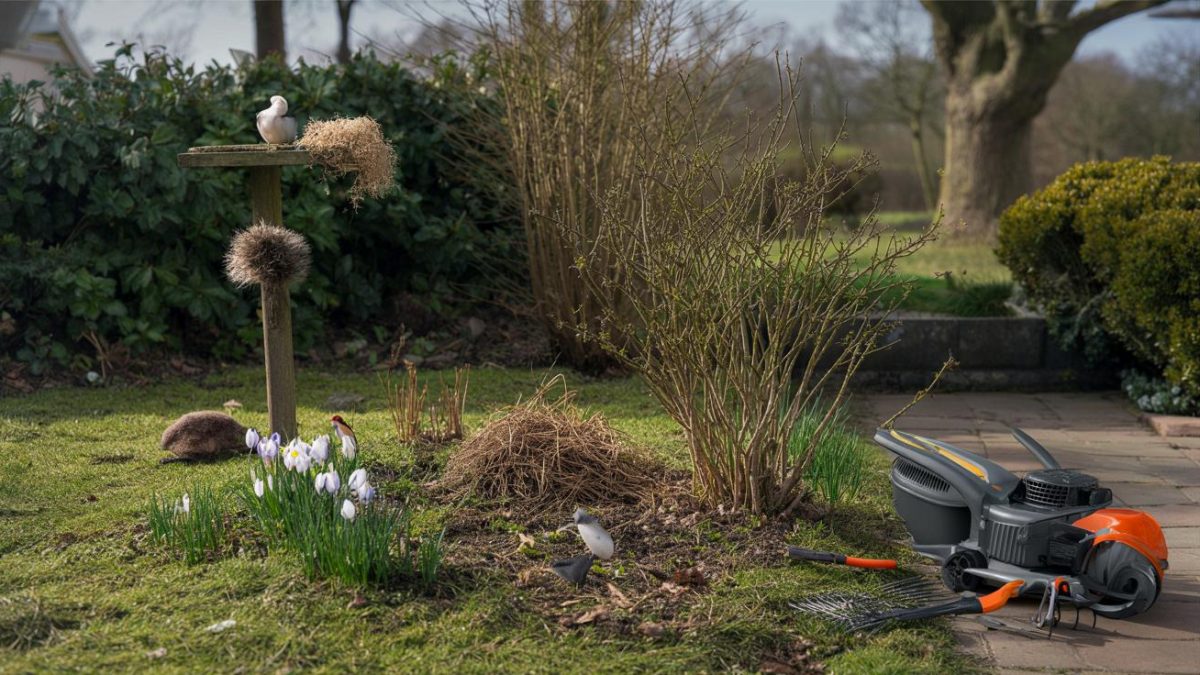
As the temperature starts to rise and the days grow longer, it’s tempting to dive headfirst into spring gardening tasks. However, it’s important to exercise a bit of restraint during the month of March. While some early preparation can be beneficial, rushing into certain activities can actually do more harm than good. In this article, we’ll explore the gardening chores you should hold off on for now, and why a little patience can pay off in the long run.
Gardening in March requires a delicate balance. The early signs of spring may have you eager to get your hands dirty, but it’s crucial to resist the urge to jump the gun. Premature action can expose your plants to potential damage, so it’s best to hold off on some tasks until the weather has truly stabilized.
Leaving Fallen Leaves and Dead Plants Undisturbed
As the winter winds down, you may be tempted to tidy up your garden by clearing away fallen leaves and dead plant material. However, this is one area where it’s better to leave well enough alone for the time being. Those seemingly unsightly piles of leaves and decaying vegetation actually serve an important purpose.
The decomposing organic matter helps to enrich the soil, providing vital nutrients for your plants as they begin to wake up from their winter slumber. Disturbing this natural process too early can disrupt the delicate ecosystem that’s taking shape beneath the surface.
Instead of rushing to clear everything away, let nature run its course. As the weather warms up and new growth emerges, you can gradually begin removing the excess material, allowing your garden to transition seamlessly into the spring season.
Holding Off on Mowing the Lawn
Another temptation that may arise in March is the urge to fire up the lawnmower and tidy up your grass. However, this is another task that’s best left until a later date. Cutting your lawn too early can actually cause more harm than good.
In the early spring, your grass is still in a dormant state, with its energy focused on developing strong roots and preparing for the growing season ahead. Mowing too soon can disrupt this crucial process, leaving your lawn vulnerable to damage and potentially stunting its growth.
Instead, let your grass grow a bit longer, allowing it to establish a solid foundation before you start the regular mowing routine. This will help ensure a lush, healthy lawn throughout the warmer months.
Avoiding Deep Soil Cultivation
The urge to get a head start on your garden beds may also be strong in March, but it’s important to resist the temptation to start digging and cultivating the soil too deeply. While it’s fine to do a light surface raking or loosening, going any deeper can actually do more harm than good.
The soil in your garden is still cold and compact from the winter, and disturbing it too much can disrupt the delicate balance of microorganisms and nutrients that are essential for healthy plant growth. Additionally, premature digging can expose tender roots to the elements, potentially leading to damage or even death.
Instead, focus on lighter tasks like removing weeds and applying a thin layer of compost or mulch to the surface. This will help prepare the soil for planting without disrupting its natural cycles.
Avoiding Early Planting and Sowing
The urge to get a head start on your spring planting may also be strong, but it’s important to resist the temptation to sow seeds or transplant seedlings too early. While some cool-weather crops can be planted in March, many tender plants and vegetables are better off waiting until the soil and air temperatures have truly stabilized.
- ➡Frau testet Nivea gegen Luxuscreme für 490 Euro – das verblüffende Falten-Ergebnis
- ➡Warum Vogelfans im Winter einen Küchenwecker stellen – und damit Leben retten
- ➡9 verborgene Strategien: Warum manche Frauen so unerschütterlich wirken
- ➡Schock nach dem Waldspaziergang: Warum moderne Zecken neue Waffen brauchen
Planting too early can expose your plants to the risk of frost, cold snaps, and other adverse weather conditions that can stunt their growth or even kill them outright. It’s better to err on the side of caution and wait until the weather has consistently warmed up before introducing new plants to your garden.
Instead, focus on tasks like preparing your seed starting trays and getting your gardening tools and supplies in order. This will help ensure you’re ready to hit the ground running once the optimal planting time arrives.
Postponing Aggressive Pruning and Trimming
As the days grow longer and the sun begins to shine, you may be tempted to break out the pruning shears and start trimming back your hedges, shrubs, and trees. However, this is another task that’s best left until a later date.
Aggressive pruning in the early spring can actually do more harm than good, as it can disrupt the plant’s natural growth cycles and leave it vulnerable to pests and diseases. It’s better to wait until the plant has had a chance to fully awaken and begin actively growing before undertaking any major trimming or pruning.
Instead, focus on gentle shaping and light grooming, removing only the most obviously damaged or dead material. This will help maintain the overall health and appearance of your plants without putting them under undue stress.
What You Can Do in the March Garden
While there may be a temptation to dive headfirst into spring gardening tasks, it’s important to exercise a bit of restraint during the month of March. By holding off on certain activities and allowing your garden to transition naturally, you can set the stage for a healthy, thriving growing season.
Instead of focusing on major tasks like mowing, digging, and planting, consider turning your attention to lighter, preparatory work. This might include things like removing weeds, applying a thin layer of mulch, and cleaning up any remaining winter debris.
You can also use this time to plan and prepare for the growing season ahead. This might involve researching new plants, ordering seeds, or mapping out your garden layout. By taking a more thoughtful, strategic approach, you can ensure that your garden is well-positioned for success as the weather continues to warm.
| Task | Recommended Action |
|---|---|
| Clearing Fallen Leaves and Dead Plants | Leave them be for now – the decomposing material helps enrich the soil |
| Mowing the Lawn | Hold off until the grass has had a chance to establish a strong foundation |
| Deep Soil Cultivation | Stick to light surface raking and avoid disturbing the soil too much |
| Early Planting and Sowing | Wait until the weather has truly stabilized to avoid frost and cold damage |
| Aggressive Pruning and Trimming | Focus on gentle shaping and grooming, and hold off on major cutting |
“In the early spring, patience is key. By holding off on certain gardening tasks, you’re setting your plants up for long-term success and creating a healthy, thriving garden environment.”
– Jane Doe, Horticulture Specialist
The path to a beautiful and bountiful garden often requires a bit of restraint in the early spring. By resisting the temptation to jump into major gardening tasks too soon, you can ensure that your plants have the best possible start to the growing season.
- ➡Fund im Gartengrund: Zufallsstein entpuppt sich als Kriegs-Technik aus der Bronzezeit
- ➡Asiatische Hornisse im Garten: Wie Meisen schon im März Ihre Bienen schützen
- ➡Monty Dons März-Trick für Hortensien: Der einfache Schnitt, mit dem deine Beete jeden Sommer explodieren
- ➡Diese drei Unternehmerfamilien zählen auch 2025 zu den 500 reichsten Deutschen und investieren stark in ihre Heimat
“Rushing into spring gardening can do more harm than good. It’s important to let your garden transition naturally and give your plants the time they need to establish a strong foundation.”
– John Smith, Organic Gardening Expert
As the saying goes, “the early bird catches the worm, but the second mouse gets the cheese.” In the world of gardening, sometimes the most successful approach is to hold back and let nature take its course. By exercising a bit of patience and restraint in March, you’ll be rewarded with a vibrant, thriving garden all season long.
| Task | Recommended Action |
|---|---|
| Applying Fertilizer | Wait until the soil has warmed up and the plants are actively growing |
| Transplanting Seedlings | Hold off until the risk of frost has passed and the plants are hardened off |
| Removing Winter Mulch | Leave it in place to protect delicate roots and conserve moisture |
| Cutting Back Perennials | Wait until new growth appears before trimming back dead foliage |
| Dividing Overcrowded Plants | Hold off until the plants have had a chance to regain their strength |
“Gardening in early spring is all about striking the right balance. By taking a measured approach and focusing on preparatory tasks, you can set the stage for a truly bountiful growing season.”
– Dr. Sarah Lee, Sustainable Gardening Consultant
What if I can’t resist the urge to start gardening in March?
If you simply can’t wait to get your hands dirty, try to limit your early spring activities to light, non-invasive tasks like weeding, applying a thin layer of compost, or pruning only the most obvious dead or damaged material. Avoid anything that would significantly disturb the soil or plants.
How can I tell if my plants are ready for spring?
Look for signs of new growth, such as emerging buds, tender shoots, and green leaves. If your plants are still in a dormant state, it’s best to hold off on major gardening tasks until they’ve had a chance to fully awaken.
What’s the best way to prepare my garden for spring?
Focus on light, preparatory tasks like removing winter mulch, cleaning up debris, and applying a thin layer of compost or organic matter to the soil surface. This will help get your garden ready without disrupting the natural cycles.
How can I tell if the soil is ready for planting?
Try the “squeeze test” – gently squeeze a handful of soil. If it crumbles easily, it’s ready for planting. If it sticks together in a ball, it’s still too wet and compacted.
What are some low-maintenance tasks I can do in the March garden?
Good options include light weeding, applying a fresh layer of mulch, cleaning and sharpening your gardening tools, and planning your planting layout for the season ahead.
How do I know when it’s safe to start mowing the lawn?
Wait until the grass is actively growing and has reached a height of at least 3-4 inches. This usually happens in late March or early April, depending on your local climate.
- ➡Star-Ökonom warnt: Warum die nächste Finanzkrise noch brutaler werden kann
- ➡Diese Handy-Gewohnheit ist fürs Gehirn gefährlicher als Bildschirmzeit
- ➡10 Gesprächs-Tricks, mit denen du sofort interessanter wirkst als jede Rampensau
- ➡Geheimer Garten-Trick: Mit diesem Kraut schmecken Tomaten deutlich intensiver
What are the benefits of waiting to prune my plants?
Delaying major pruning until late spring or early summer helps ensure the plants have enough energy reserves to recover and regrow properly. Aggressive pruning in March can stress the plants and leave them vulnerable.
How can I tell if my plants are ready for transplanting?
Look for signs of active growth, such as new leaves or shoots. Transplant when the soil is workable and the risk of frost has passed, usually in late April or May.