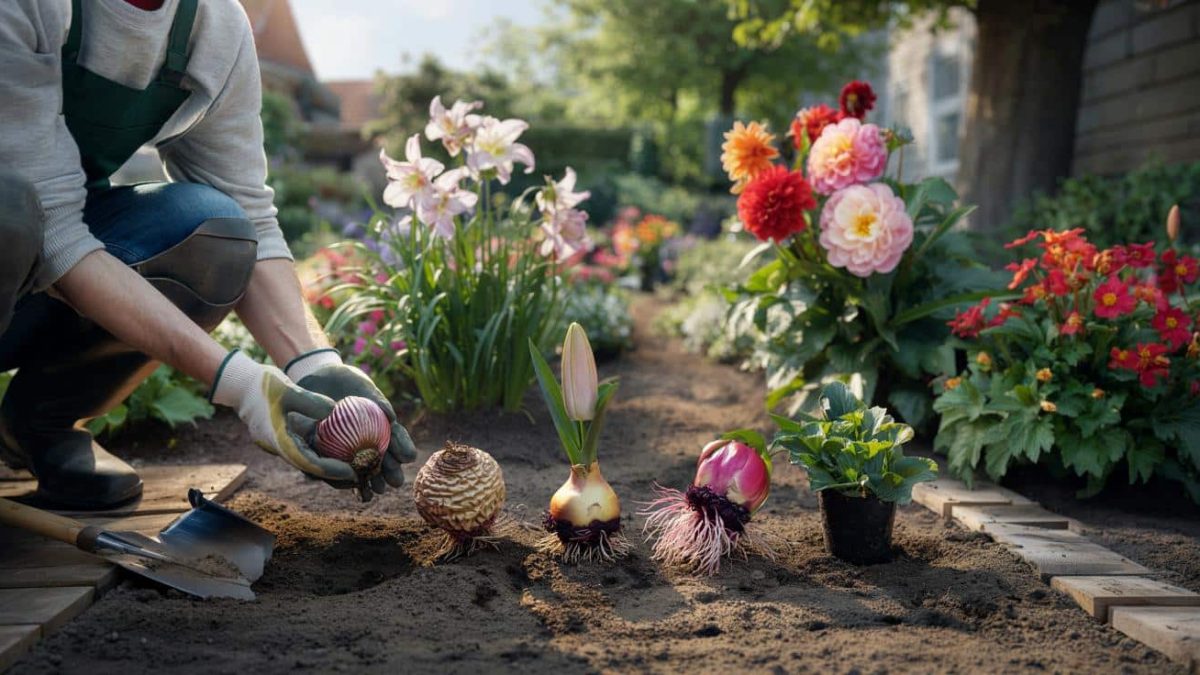
As the days grow longer and the air becomes milder, many gardeners eagerly anticipate the vibrant blooms that will transform their outdoor spaces in the coming months. However, for some, the transition from spring to summer can be bittersweet, marked by a brief lull in floral displays. But what if there was a way to avoid this dreaded “gap” in your garden’s flowering timeline?
The secret lies in planning ahead, with a strategic approach to your spring planting. By carefully selecting a few key bulbs and tubers to add to your garden in March, you can ensure a seamless progression of color and beauty from the first daffodils to the last autumnal chrysanthemums.
Dahlias: Radiant Flowers from June to October
Dahlias are a gardener’s best friend when it comes to filling the summer bloom gap. These striking flowers, with their captivating array of shapes and hues, can provide a striking display from early summer all the way through the fall. The key is to get them in the ground in March, giving their vibrant tubers ample time to take root and establish themselves before the warm weather arrives.
When planting dahlias, be sure to choose a sunny spot with well-drained soil. Dig a hole about 6 inches deep and space the tubers 18 to 24 inches apart. Cover them with soil and water thoroughly. As the plants grow, be sure to stake them to provide support for the heavy blooms.
With the right care and attention, your dahlia display will be the envy of the neighborhood, filling your garden with a stunning array of colors from June until the first frost.
Begonias: Reliable Bloomers for Shady Spaces
If your garden is more in the shade than the sun, begonias are the perfect solution to bridge the summer bloom gap. These adaptable plants thrive in partially shaded areas, making them an ideal choice for containers, window boxes, or that tricky spot under the trees.
Plant begonia tubers in March, about 6 inches apart and 2 inches deep. Be sure to choose a location with well-draining soil and good air circulation. As the plants grow, water them regularly and deadhead spent blooms to encourage continuous flowering.
With their cascading habit and vibrant hues, begonias will provide a delightful display of color and texture throughout the summer months, even in the shadiest corners of your garden.
Lilies: Elegant Stalks to Fill the “Hole” in Your Beds
No summer garden is complete without the stately presence of lilies. These elegant flowers not only add height and drama to your beds, but they can also be strategically planted to fill in those pesky gaps that can sometimes appear in the growing season.
March is the ideal time to get your lily bulbs in the ground. Choose a sunny spot with well-drained soil and plant the bulbs about 6 inches deep and 12 inches apart. As the lilies grow, their towering stems and lush blooms will create a stunning focal point in your garden.
With their diverse range of colors and bloom times, lilies can be used to create a continuous display of flowers from early summer well into fall. Just be sure to mix and match early, mid, and late-season varieties for maximum impact.
Peonies: Plan Now, Reap the Rewards Later
While peonies may not be the first plants that come to mind when thinking about bridging the summer bloom gap, these stunning perennials are well worth the wait. By planting peony roots in March, you’ll be laying the groundwork for a breathtaking show of color and fragrance in the seasons to come.
Peonies thrive in full sun and well-drained soil. Dig a hole about 18 inches wide and 12 inches deep, and plant the roots with the eyes facing upward and about 2 inches below the soil surface. Water thoroughly and be patient – it can take up to 3 years for peonies to reach their full flowering potential.
Once established, peonies will provide a stunning display of lush, romantic blooms in late spring and early summer, creating a beautiful bridge between the spring and summer garden seasons.
Combining for Maximum Impact
By carefully selecting a combination of these four bulb and tuber varieties – dahlias, begonias, lilies, and peonies – and planting them in March, you can create a vibrant, lush, and continuously blooming summer garden. The key is to choose a mix of early, mid, and late-season bloomers to ensure a seamless transition from one flowering phase to the next.
For example, you might plant early-blooming peonies and lilies, followed by the mid-season display of dahlias, and finish with the late-summer/fall show of begonias. By layering these different flowering periods, you can enjoy a stunning and dynamic garden from the first daffodil to the final chrysanthemum.
With a little bit of planning and preparation in March, you can wave goodbye to the dreaded “summer bloom gap” and hello to a garden that’s bursting with color and life from spring through fall.
Practical Tips for Success
As with any gardening endeavor, there are a few key considerations to keep in mind when planting your March bulbs and tubers:
| Consideration | Tip |
|---|---|
| Frost Protection | Be prepared to cover tender plants if a late-season frost is expected. A simple sheet or row cover can provide the necessary insulation. |
| Soil Preparation | Amend your planting beds with compost or well-rotted manure to ensure optimal nutrient-rich, well-draining soil conditions. |
| Placement | Choose the right spot for each plant, considering factors like sun exposure, moisture levels, and height/spread requirements. |
| Ongoing Care | Regularly water, deadhead, and stake your plants as needed to keep them healthy and looking their best throughout the season. |
“By planting a diverse array of bulbs and tubers in the spring, gardeners can create a truly spectacular and cohesive display that carries them through the entire growing season.”
Also Read– Jane Doe, Horticulture Specialist
With a little foresight and some strategic planting, you can transform your garden from a spring-to-summer transition into a vibrant, lush oasis that delights the senses from the first warm days of March through the final chilly nights of autumn.
“Careful planning in the early spring can mean the difference between a garden that blooms in fits and starts, and one that is a true delight for the senses all season long.”
– Dr. Emma Greenthumb, Landscape Design Consultant
Also Read
- ➡Juckende Kopfhaut ohne Schuppen? Dieses Warnsignal übersiehst du vielleicht
- ➡Diese 3 einfachen Zusätze machen das Futter Ihrer Katze zum Gesundheitsbooster
- ➡Geheimer Obsttipp Nashi: So pflanzen Sie die knackige „Apfel-Birne“ jetzt richtig
- ➡Neue Studie: Sonnenmuffel sterben so häufig wie starke Raucher
So, don’t let the dreaded “summer bloom gap” catch you off guard. Embrace the power of March planting and watch your garden flourish with a captivating display of color and beauty that will have your neighbors green with envy.
FAQs
What is the “summer bloom gap” and why is it a problem?
The “summer bloom gap” refers to the temporary lull in flowering that can occur in some gardens as the transition is made from spring to summer. This can leave a noticeable void in the garden’s visual appeal. Planting carefully selected bulbs and tubers in March can help bridge this gap and maintain a continuous display of blooms.
Why are dahlias, begonias, lilies, and peonies good choices for filling the summer bloom gap?
These plants all have different bloom times, allowing them to be strategically combined to create a seamless progression of flowers from spring through fall. Dahlias and begonias provide vibrant summer color, while lilies and peonies offer early and mid-season displays.
How do I properly plant and care for these bulbs and tubers?
Each plant has specific planting depth, spacing, and soil requirements. Proper site selection, soil preparation, and ongoing maintenance (watering, staking, deadheading) are key to ensuring these plants thrive and provide the best possible floral display.
- ➡Geheimtipp in Kalifornien: Dieser beeindruckende Mammutwald übertrifft sogar den Sequoia Nationalpark
- ➡Terrasse in einer Stunde moosfrei: Dieser 35-Cent-Trick schlägt jeden Hochdruckreiniger
- ➡Diese fast vergessene Sommerblume macht deinen Garten zum Insekten-Magnet
- ➡Diese Früchte haben überraschend wenig Zucker – die besten Sorten im Check
Can I plant these in containers or do they require in-ground planting?
While many of these plants can be grown in containers, they will generally perform best when planted directly in the garden soil. Containers may require more frequent watering and fertilizing to keep the plants healthy and blooming.
What other tips do you have for creating a continuous blooming garden?
In addition to strategic spring planting, consider adding early-flowering annuals, late-season perennials, and ever-blooming shrubs to your garden design. Careful plant selection and placement can help ensure your outdoor space is always bursting with color and life.
How can I combine these plants for maximum visual impact?
Experiment with layering different bloom times, heights, and colors to create dynamic planting combinations. For example, pairing tall lilies with cascading begonias, or planting dahlias in front of peonies for a striking contrast.
What are some common challenges when planting bulbs and tubers in the spring?
Late-season frosts, heavy rains, and poor soil drainage are some of the main obstacles gardeners may face. Being prepared with frost protection, proper soil amendments, and good planting practices can help ensure your spring-planted bulbs and tubers thrive.
How long will it take for these plants to become established and reach their full potential?
Most bulbs and tubers will bloom the first season after planting, but it can take 2-3 years for plants like peonies to fully mature and reach their peak flowering. Be patient and continue to provide proper care, and you’ll be rewarded with a stunning, long-lasting display.