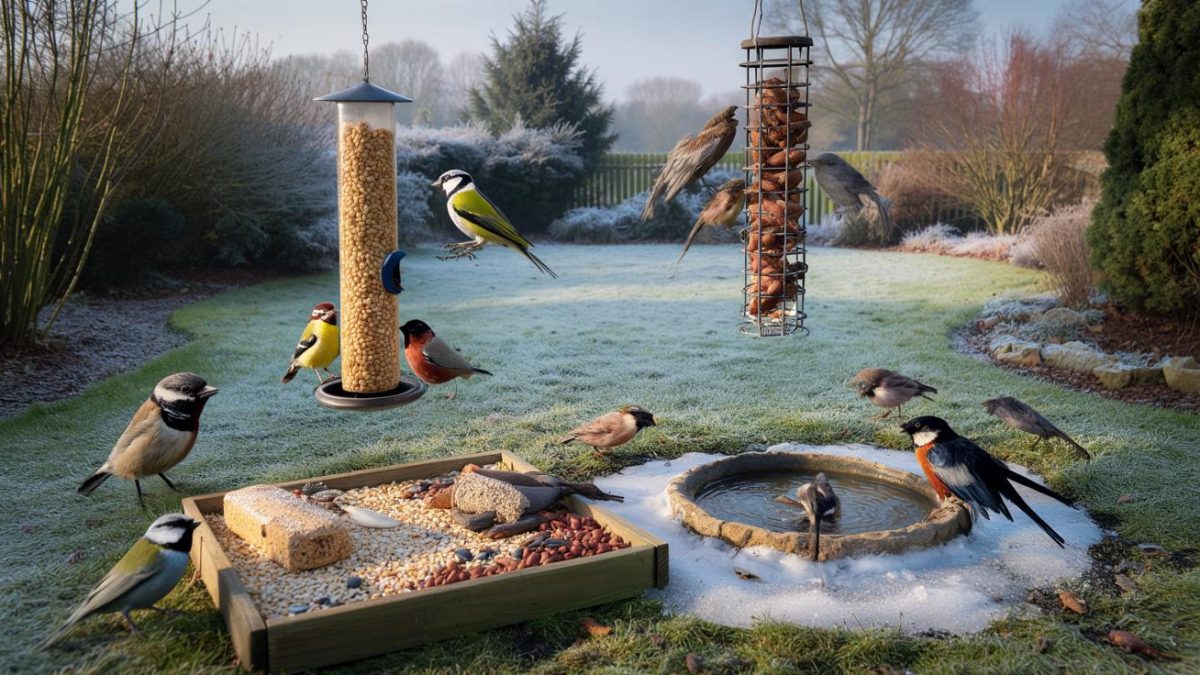
As the chill of winter settles across the British Isles, a curious phenomenon takes place in the nation’s gardens: an abundance of feathered friends. While their German counterparts often make do with stale bread and cheap seed mixes, many Britons have embraced a more strategic approach to feeding their avian visitors.
What sets the UK apart when it comes to supporting its garden birds, and what lessons can we learn from their example? Join us as we delve into the intriguing world of British bird feeding and uncover the secrets to creating a winter wonderland for our winged companions.
The British Approach to Bird Feeding
Across the Channel, the British have long understood the importance of providing high-quality, nutrient-rich sustenance for their garden birds. Rather than relying on the ubiquitous “airy grains” that often fill German bird feeders, many Britons opt for a more purposeful selection of fats and proteins.
This strategic approach not only attracts a greater diversity of species but also ensures the birds’ well-being during the lean winter months. By offering nutrient-dense foods, British gardeners are able to support their feathered friends through the coldest and harshest of seasons.
The result? Vibrant, bustling bird communities that bring a touch of life and color to even the greyest of winter days.
Fueling the Feathered Flock: The Power of Fats and Proteins
The secret to the UK’s thriving winter bird populations lies in the careful selection of their feed. While simple seed mixes may provide a quick energy boost, they often lack the essential nutrients birds need to survive the colder months.
In contrast, British gardeners have embraced the use of high-fat suet blocks and protein-rich mealworms, offering their avian visitors a nutrient-dense feast that helps them maintain their body condition and energy levels.
This strategic approach not only attracts a greater diversity of species but also ensures the birds’ well-being during the lean winter months. By offering nutrient-dense foods, British gardeners are able to support their feathered friends through the coldest and harshest of seasons.
Homemade Suet Blocks: The Secret Weapon for Avian Attraction
One of the hallmarks of the British bird feeding approach is the widespread use of homemade suet blocks. These dense, high-calorie treats are a favorite among a wide range of species, from the humble sparrow to the majestic woodpecker.
Creating these suet blocks is a simple process, often involving a mixture of rendered fat, seeds, nuts, and even dried fruit. By crafting their own nutritious offerings, British gardeners ensure that their feathered friends are receiving the best possible sustenance.
The result? A steady stream of visitors eagerly flocking to these homemade feeding stations, transforming even the most unassuming garden into a vibrant avian hub.
Hygiene Matters: Maintaining a Clean Feeding Station
While the quality of the food is paramount, British bird enthusiasts also understand the importance of maintaining a clean and well-organized feeding station. Regularly disinfecting and replacing feeders, as well as keeping the surrounding area free of debris, helps prevent the spread of diseases that can decimate local bird populations.
This attention to hygiene not only supports the health of the birds but also creates a more inviting environment for them to visit. By providing a safe and sanitary feeding space, British gardeners are able to welcome a diverse array of species and ensure their continued well-being.
In the world of bird feeding, cleanliness truly is next to birdliness.
Balancing the Buffet: When More Isn’t Always Better
While the British approach to bird feeding emphasizes the importance of high-quality, nutrient-rich sustenance, it also highlights the need for moderation. Providing too much food can actually discourage birds from seeking out other natural food sources, leading to an over-reliance on the artificial feeding stations.
Experienced British gardeners have learned to strike a delicate balance, ensuring that their feathered visitors have access to a steady supply of nourishment without disrupting their natural foraging behaviors.
This nuanced understanding of bird feeding helps to maintain a healthy and thriving ecosystem, where the birds can benefit from the supplementary food while still fulfilling their instinctual needs to explore their natural environment.
The Transformation of the British Garden
As the British embrace their role as winter bird guardians, the transformation of their gardens is truly remarkable. Once barren and lifeless, these outdoor spaces now teem with a vibrant array of feathered visitors, each drawn to the abundance of high-quality sustenance and the welcoming environment.
The presence of these birds not only adds visual splendor to the landscape but also plays a vital role in the ecosystem, contributing to the balance of natural processes and the overall health of the local environment.
By learning from the British approach to bird feeding, gardeners around the world can unlock the true potential of their outdoor spaces, transforming them into sanctuaries for our feathered friends and experiencing the joy and wonder that comes with a thriving avian community.
- ➡Diese einfache Balkonblume lockt massenhaft Bienen an – fast ohne Pflege
- ➡Mit Wassergläsern zu Gartenfülle: Drei Pflanzen, die jetzt gratis Nachwuchs liefern
- ➡Sonnenranking sorgt für Staunen: Reims mischt plötzlich ganz vorne mit
- ➡Jahrelang schlecht geschlafen – dieser einfache Snack veränderte meine Nächte
Getting Started: Practical Tips for the German-Speaking World
Inspired by the success of their British counterparts, gardeners in the German-speaking world are now exploring ways to replicate the vibrant winter bird communities. From creating homemade suet blocks to investing in high-quality feeders, there are a variety of practical steps that can be taken to emulate the UK’s avian-friendly approach.
One key piece of advice? Quality over quantity. Focusing on nutrient-dense foods and maintaining a clean feeding station is far more effective than simply filling the feeder with cheap seed mixes. By prioritizing the well-being of their feathered guests, gardeners can unlock the true potential of their outdoor spaces and foster a thriving avian community.
With a little bit of effort and a deep appreciation for our winged neighbors, the gardens of the German-speaking world can soon become just as alive and vibrant as their British counterparts during the colder months.
| UK Approach | German Approach |
|---|---|
| Nutrient-dense foods like suet and mealworms | Cheap seed mixes and stale bread |
| Homemade suet blocks | Store-bought feeders |
| Emphasis on hygiene and cleanliness | Less focus on maintenance |
| Balanced approach to feeding | Tendency to overfeed |
| Benefits of the UK Approach | Drawbacks of the German Approach |
|---|---|
| Attracts a greater diversity of bird species | Limited variety of birds visiting feeders |
| Supports bird health and survival during winter | Birds may not receive adequate nutrition |
| Transforms gardens into vibrant avian hubs | Gardens may lack the same level of bird activity |
| Promotes a healthy, balanced ecosystem | Potential for disease and overcrowding at feeders |
“Providing high-quality, nutrient-rich food is crucial for supporting our garden birds, especially during the challenging winter months. By carefully selecting the right mix of fats, proteins, and seeds, we can ensure their well-being and attract a greater diversity of species to our outdoor spaces.”
– Dr. Emily Watkins, Ornithologist and Bird Feeding Specialist
“Maintaining a clean and well-organized feeding station is just as important as the food itself. Regularly disinfecting and replacing feeders helps to prevent the spread of diseases that can devastate local bird populations. It’s a small but vital step in creating a safe and inviting environment for our feathered friends.”
Also Read– Sarah Woodhouse, Wildlife Biologist and Garden Ecologist
“While it’s tempting to want to provide an abundance of food, it’s important to strike a balance. Overfeeding can actually discourage birds from seeking out natural food sources, leading to an unhealthy reliance on artificial feeding stations. The key is to offer a steady supply of high-quality sustenance without disrupting the birds’ natural foraging behaviors.”
– Michael Hawkins, Avian Behaviorist and Conservation Specialist
Why are British gardens more alive with birds in winter?
British gardeners tend to provide higher-quality, nutrient-dense foods like suet and mealworms, which attract a greater diversity of bird species and support their health and survival during the colder months.
- ➡Auf dem Sterbebett gestand mir meine Mutter, dass sie aus Neid meinen Verlobten vertrieben hat
- ➡Genialer Hosen-Trick: So gelingt ein perfekter Saum ganz ohne Nähmaschine
- ➡Frühlingsfalle im Gemüsegarten: Dieser vergessene Schritt lässt Tomaten reihenweise eingehen
- ➡James-Webb durchleuchtet staubige Galaxie und legt gefräßiges Schwarzes Loch frei
What makes the British approach to bird feeding different from Germany?
The British focus on homemade suet blocks, maintaining cleanliness at feeding stations, and striking a balanced approach to feeding, whereas German gardeners often rely on cheaper seed mixes and less attention to hygiene.
How can gardeners in the German-speaking world emulate the vibrant British bird communities?
By prioritizing nutrient-dense foods, creating homemade suet blocks, and maintaining clean feeding stations, gardeners in the German-speaking world can transform their outdoor spaces into thriving avian hubs, just like their British counterparts.
Why is it important to provide the right balance of food for garden birds?
Offering too much food can discourage birds from seeking out natural food sources, leading to an unhealthy reliance on artificial feeding stations. The key is to provide a steady supply of high-quality sustenance without disrupting the birds’ natural foraging behaviors.
How can hygiene and cleanliness impact the health of garden birds?
Regularly disinfecting and replacing feeders, as well as keeping the surrounding area free of debris, helps prevent the spread of diseases that can decimate local bird populations. Maintaining a clean feeding station is crucial for supporting the well-being of our feathered friends.
- ➡Letzte Minuten mit Hund oder Katze: Diese Worte trösten – und einen Satz sollten Sie vermeiden
- ➡Australische Forscher zeigen Quantumbatterie, die kabellos in einer Sekunde lädt
- ➡Mein Winterwand-Problem war Schimmel – bis ich diese Zimmerpflanzen ausprobierte
- ➡Warum du dich vor dem Einschlafen ins Leere stürzen fühlst
What types of foods are especially beneficial for garden birds during the winter?
High-fat suet blocks and protein-rich mealworms are particularly effective in attracting and sustaining a diverse range of bird species throughout the colder months, providing them with the essential nutrients they need to survive.
How can the transformation of British gardens inspire gardeners worldwide?
By learning from the British approach to bird feeding, gardeners around the world can unlock the true potential of their outdoor spaces, transforming them into vibrant sanctuaries for our feathered friends and experiencing the joy and wonder that comes with a thriving avian community.
What are some practical tips for gardeners in the German-speaking world to get started with bird-friendly feeding?
Focus on providing nutrient-dense foods like homemade suet blocks, invest in high-quality feeders, and maintain a clean feeding station. By prioritizing the well-being of their feathered guests, gardeners can foster a thriving avian community, just like their British counterparts.