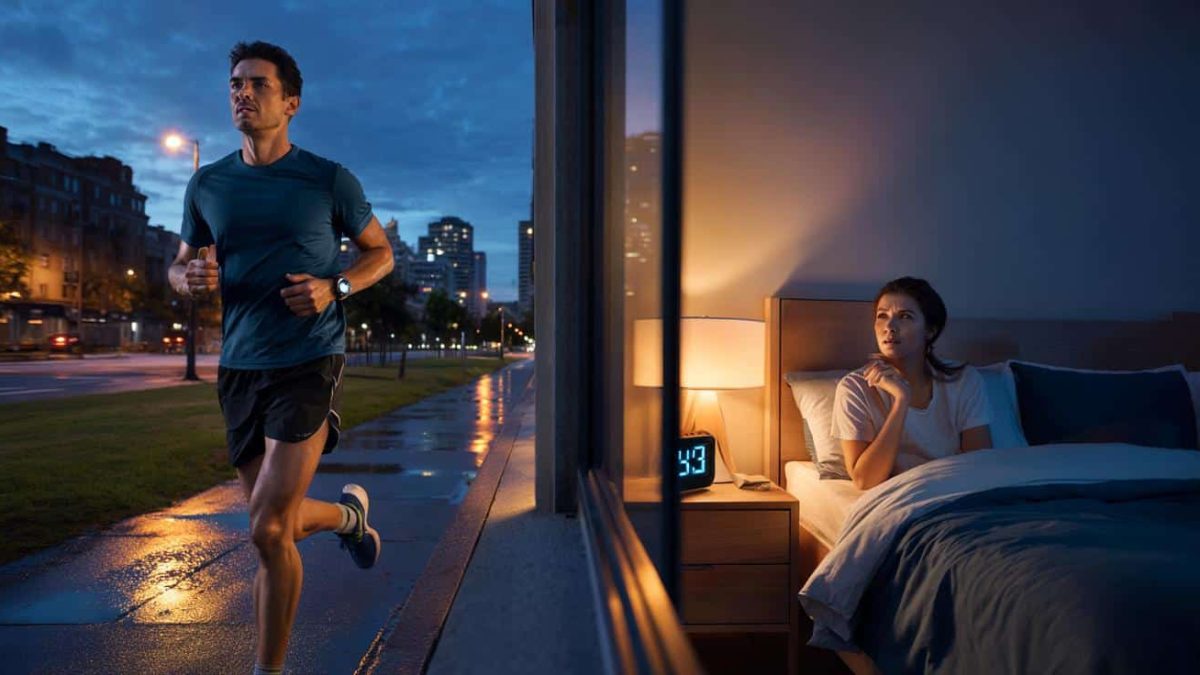
In a world where the demands of work and daily life leave little room for personal time, many have found their solace in the evening hours. As the sun sets and the day’s responsibilities wind down, a growing number of people are turning to exercise as a way to unwind and recharge. But is this evening workout routine a healthy release or a potential sleep disruptor?
The trend of “later sports in the evening” has gained momentum as individuals seek to carve out time for physical activity amidst their busy schedules. Yet, this shift in exercise patterns raises important questions about the impact on our sleep quality and overall well-being. As we delve into this topic, we’ll explore the nuances and considerations that come with this evening exercise routine.
The Rise of Evening Exercise
In a fast-paced, modern world, the evening hours have become a sanctuary for many individuals to prioritize their physical and mental well-being. With long work hours and demanding commutes, the opportunity to squeeze in a workout during the day can often be elusive. As a result, a growing number of people are finding that the evening is the only viable time to engage in physical activity.
This shift in exercise patterns has been driven by a variety of factors, including the desire for a healthy outlet, the need for stress relief, and the flexibility that evening hours provide. Additionally, the proliferation of home fitness equipment and on-demand workout classes has made it easier than ever to incorporate exercise into one’s daily routine, even if it’s during the later hours of the day.
However, this trend raises important questions about the potential impact on sleep quality. As the body and mind gear up for intense physical activity, the transition to the restful state required for a good night’s sleep can be a delicate balance.
The Physiological Impact of Evening Exercise
When it comes to the effects of evening exercise on sleep, the physiological response of the body plays a crucial role. During physical activity, the body experiences an increase in heart rate, body temperature, and the release of hormones such as adrenaline and cortisol. These physiological changes can have a significant impact on the body’s natural sleep-wake cycle.
The elevated heart rate and body temperature, for instance, can make it more difficult for the body to wind down and prepare for sleep. Additionally, the surge of adrenaline and cortisol, often referred to as the “fight-or-flight” response, can leave the mind feeling alert and energized, making it challenging to transition into a restful state.
However, the degree of impact on sleep can vary depending on the intensity and timing of the evening exercise. High-intensity workouts performed closer to bedtime are more likely to disrupt sleep, while lower-intensity activities or exercises completed earlier in the evening may have a less significant effect.
The Chronotype Factor
Another important consideration in the evening exercise-sleep dynamic is the individual’s chronotype, or internal body clock. Some people are naturally inclined to be “morning larks,” while others are “night owls,” with varying preferences and energy levels throughout the day.
For those who are naturally inclined to be “night owls,” an evening workout may align better with their circadian rhythm and have a less disruptive impact on their sleep. Conversely, “morning larks” may find that evening exercise is more likely to interfere with their natural sleep-wake cycle.
Understanding one’s chronotype and experimenting with different exercise routines can help individuals find the optimal balance between their physical activity and sleep patterns.
The Intensity Factor
The intensity of the evening exercise also plays a crucial role in determining its impact on sleep. High-intensity workouts, such as interval training or strength-based exercises, can be particularly stimulating for the body and mind, making it more challenging to wind down and fall asleep.
On the other hand, lower-intensity activities, such as gentle yoga, light jogging, or even brisk walking, may have a less disruptive effect on sleep. These types of exercises can help release built-up tension and stress, while also promoting relaxation and better sleep.
It’s important for individuals to experiment with different exercise intensities and timings to find the sweet spot that works best for their own sleep patterns and overall well-being.
Balancing Evening Exercise and Sleep
Achieving a healthy balance between evening exercise and sleep is essential for overall well-being. While the benefits of physical activity are well-established, it’s crucial to find the right approach that aligns with one’s individual needs and sleep patterns.
Some strategies that can help include:
– Scheduling evening workouts earlier in the evening, allowing for ample time to wind down before bedtime
– Opting for lower-intensity exercises closer to bedtime, such as gentle yoga or stretching
– Experimenting with different exercise routines and monitoring the impact on sleep quality
– Establishing a consistent pre-bed routine that promotes relaxation and sleep, such as reading, meditation, or a warm bath
- ➡Waschmaschine zur falschen Zeit: Warum Waschen zwischen 8 und 20 Uhr richtig teuer wird
- ➡Großer Waschmittel Check zeigt, welche flüssige Marke selbst hartnäckige Flecken am besten entfernt
- ➡Warum manche Menschen nie verzeihen: Die versteckte Logik von Groll
- ➡Tierärzte warnen: Darum sollte Ihre Katze im März drinnen bleiben
By being mindful of the physiological and chronotype factors, and making adjustments to their exercise routine and sleep habits, individuals can find the optimal balance that supports both their physical and mental well-being.
The Importance of Listening to Your Body
Ultimately, the relationship between evening exercise and sleep is a highly individualized one. What may work for one person may not be the best approach for another. The key is to listen to the signals your body is sending and make adjustments accordingly.
By paying attention to factors such as sleep quality, energy levels, and overall well-being, individuals can develop a deeper understanding of how their bodies respond to evening exercise. This self-awareness can then inform their choices and help them find the right balance that supports their overall health and fitness goals.
Remember, the journey to finding the perfect evening exercise routine is a personal one, and it may take some trial and error to discover what works best for you. With patience, flexibility, and a willingness to listen to your body, you can unlock the benefits of evening exercise while also ensuring a good night’s sleep.
| Advantages of Evening Exercise | Disadvantages of Evening Exercise |
|---|---|
|
|
| Tips for Healthy Evening Exercise | Ideal Timing for Evening Workouts |
|---|---|
|
|
“The key is to find the right balance between evening exercise and sleep that works for your individual needs. It may take some experimentation, but listening to your body’s signals is crucial.”
– Dr. Sarah Langer, Sleep Specialist
Also Read
- ➡Warum clevere Hobbygärtner Bananen im Boden vergraben – und was es bringt
- ➡Mag ich meinen Geburtstag nicht? Was die Psychologie dahinter verrät
- ➡Nur eine Sorte Erdbeeren pflanzen – und bis zum Herbst ernten
- ➡Auf dem Sterbebett gestand mir meine Mutter, dass sie aus Neid meinen Verlobten vertrieben hat
“While evening exercise can be a healthy outlet, it’s important to be mindful of the intensity and timing. High-intensity workouts too close to bedtime can have a disruptive effect on sleep, so it’s important to find the sweet spot that works for you.”
– Emma Watkins, Fitness Trainer
“Understanding your own chronotype and circadian rhythm is crucial when it comes to finding the right balance between evening exercise and sleep. What works for one person may not be the best approach for another.”
– Dr. Mark Samson, Chronobiologist
Also Read
- ➡Nur bis Ende Januar: Jetzt diese 3 Obstbäume schneiden – sonst bleibt die Ernte mickrig
- ➡Dieser schlanke Obstbaum liefert Rekordernte im einfachen Blumentopf
- ➡Geheimnis um 13 Tonnen Gold: Schatzsucher sitzt lieber im Knast als zu reden
- ➡Unsichtbare Gefahr im Garten: Warum dieser Schlauch plötzlich Schlangen anzieht
The pursuit of a healthy, balanced lifestyle is a constant journey, and the relationship between evening exercise and sleep is a complex one. By understanding the physiological factors, considering individual chronotypes, and experimenting with different exercise routines, individuals can find the sweet spot that supports both their physical and mental well-being. Remember, the key is to listen to your body and make adjustments as needed, ensuring that your evening exercise routine enhances, rather than detracts from, your overall health and sleep quality.
How does evening exercise impact sleep quality?
Evening exercise can have both positive and negative impacts on sleep quality, depending on factors like the intensity, timing, and the individual’s chronotype. High-intensity workouts too close to bedtime can disrupt the body’s natural sleep-wake cycle, while lower-intensity activities or exercises done earlier in the evening may have less of an impact.
What is the optimal timing for evening exercise?
As a general guideline, it’s recommended to do lower-intensity exercises like yoga or light cardio 2-3 hours before bedtime, and higher-intensity workouts 4-6 hours before bedtime. However, the ideal timing can vary based on individual factors, so it’s important to experiment and find what works best for you.
How can I balance evening exercise and sleep?
Some strategies to balance evening exercise and sleep include:
– Scheduling evening workouts earlier in the evening
– Opting for lower-intensity exercises closer to bedtime
– Establishing a consistent pre-bed routine to promote relaxation
– Listening to your body and making adjustments as needed
What is the impact of chronotype on evening exercise and sleep?
An individual’s chronotype, or internal body clock, can play a significant role in how evening exercise impacts their sleep. “Morning larks” may find evening exercise more disruptive, while “night owls” may be better able to accommodate evening workouts without as much impact on their sleep.
How can I determine my ideal exercise and sleep rhythm?
To find your ideal exercise and sleep rhythm, you can experiment with different exercise routines and timings, and monitor the impact on your sleep quality and overall well-being. Pay attention to factors like energy levels, mood, and how rested you feel in the mornings. Over time, you can make adjustments to find the sweet spot that works best for you.
What are the benefits of evening exercise?
Some of the key benefits of evening exercise include:
– Providing a healthy outlet for stress relief and relaxation after a long day
– Allowing for more flexibility in scheduling physical activity
– Boosting energy levels and mood before winding down for the night
Are there any drawbacks to evening exercise?
The main drawbacks of evening exercise can include:
– Disrupting the body’s natural sleep-wake cycle, especially with high-intensity workouts
– Increased heart rate and body temperature making it harder to fall asleep
– Surge of hormones like adrenaline and cortisol leaving the mind feeling alert and energized
- ➡8 Heizungsfehler beim Wärmepumpen-Boiler, die Ihre Stromrechnung hochtreiben
- ➡Hammer-Gerücht um Marseille: Platini erklärt OM-Plänen klare Absage
- ➡Geheimtipp im Indischen Ozean: Diese Trauminsel schlägt sogar Mauritius
- ➡Diese 5 Möbel sollten Sie niemals streichen – sonst verlieren sie fast ihren ganzen Wert
How can I ensure evening exercise doesn’t interfere with my sleep?
To ensure evening exercise doesn’t interfere with your sleep, you can:
– Choose lower-intensity activities like yoga, stretching, or light cardio
– Avoid high-intensity workouts within 2-3 hours of bedtime
– Experiment with different exercise routines and monitor the impact on your sleep
– Establish a consistent pre-bed routine to promote relaxation