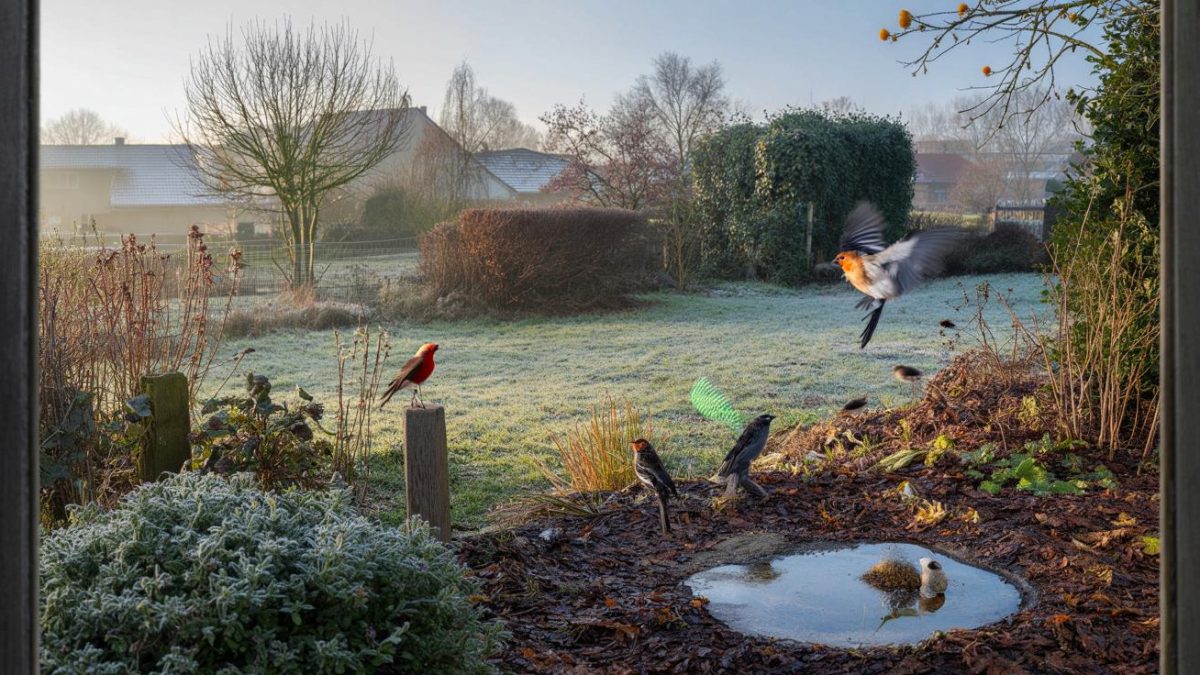
As the first rays of sunlight peek over the horizon, a symphony of chirps and flutters fills the air. It’s a scene that many early risers in Germany have grown accustomed to – the vibrant presence of winter birds in their gardens. But what is it about these feathered friends that makes them so drawn to our outdoor spaces during the colder months?
The answer lies in the unique characteristics of the gardens themselves, and the way they provide the perfect sanctuary for these hardy birds. From the availability of nesting sites to the abundance of essential food sources, the winter garden is a true oasis for a variety of avian species. By understanding the intricate relationship between these birds and their preferred habitats, we can create more welcoming environments that cater to their needs and enhance the overall joy of birdwatching.
Uncovering the Appeal of Your Garden in Winter
When the temperatures drop and the landscape becomes a sea of bare branches and fallen leaves, many birds face the challenge of finding reliable food sources and safe havens. But for those that call your garden home, the appeal lies in the unique microclimate and resources you’ve created. From the shelter of dense evergreens to the availability of winter-friendly plants, your outdoor space can become a true sanctuary for these feathered friends.
One of the key factors that draws birds to your garden in the winter is the abundance of natural food sources. While insects and other invertebrates may be scarce, your carefully curated garden can provide a wealth of alternative sustenance, such as berries, seeds, and suet feeders. By ensuring a steady supply of these nutritious options, you’re effectively rolling out the welcome mat for your avian visitors.
Additionally, the sheltered nooks and crannies of your garden offer much-needed protection from the harsh elements. Whether it’s the dense foliage of evergreen shrubs or the hidden crevices of tree bark, these safe havens provide the perfect respite for birds seeking refuge from the biting winds and bitter cold.
Catering to the Needs of Different Bird Species
While your garden may be a winter haven for a diverse array of feathered friends, each species has its own unique preferences and requirements. Understanding the specific needs of the birds that frequent your outdoor space can help you tailor your garden to better accommodate them, ensuring they feel safe, comfortable, and well-fed throughout the colder months.
For instance, small songbirds like tits and finches may be drawn to the abundance of seeds and suet, while larger birds like blackbirds and thrushes might favor the plentiful supply of berries. By providing a variety of food sources and nesting opportunities, you can create a welcoming environment that caters to the diverse dietary and habitat needs of the birds in your area.
Moreover, the specific layout and vegetation of your garden can also play a crucial role in attracting certain bird species. Some birds may prefer the dense cover of evergreen shrubs, while others thrive in open, grassy areas. By strategically incorporating a mix of these elements, you can create a mosaic of habitats that appeal to a wider range of avian visitors.
- ➡Neuer Glasfaser-Hammer: Warum Bouygues Telecoms B&YOU-Tarif jetzt so spannend ist
- ➡Diese Balkonpflanzen vertreiben Mücken – ganz ohne Chemie
- ➡Dacia bestätigt vier neue Elektroautos und neuen Einstiegspreis: unter 18.000 Euro
- ➡Handy-Gewohnheit entlarvt: Diese Benachrichtigungen schaden Ihrem Gehirn am meisten
Transforming Your Garden into a Winter Wonderland for Birds
Transforming your garden into a winter wonderland for birds is not just about providing food and shelter – it’s also about creating a visually appealing and enriching environment that encourages their presence. By incorporating a variety of plants, feeders, and other features, you can create a truly bird-friendly oasis that will captivate both your feathered friends and your own senses.
One way to enhance the winter appeal of your garden is by including a diverse array of berry-producing shrubs and trees. Not only do these provide a vital food source for birds, but their vibrant colors and textures can add a touch of natural beauty to the otherwise drab winter landscape. From the deep red hues of winterberry to the striking blue of juniper berries, these plants can create a visual feast for both birds and human observers.
Beyond the vegetation, the strategic placement of bird feeders and baths can also play a crucial role in attracting and supporting your avian visitors. By positioning these features in highly visible and accessible areas, you can encourage birds to linger and take advantage of the resources you’ve provided, all while offering you the chance to observe their fascinating behaviors up close.
Nurturing a Thriving Winter Bird Community
As you work to transform your garden into a winter haven for birds, it’s important to remember that the journey is an ongoing one. Nurturing a thriving bird community requires a long-term commitment to maintaining and enhancing the habitat, as well as a deep understanding of the changing needs of your feathered friends.
One key aspect of this process is monitoring the bird activity in your garden and making adjustments as needed. By closely observing the species that visit, their feeding patterns, and any changes in their behavior, you can identify areas where your efforts are succeeding and where improvements could be made. This knowledge can then inform your future gardening decisions, helping you create an even more inviting and supportive environment for the birds you cherish.
Additionally, staying informed about the latest research and best practices in bird-friendly gardening can provide valuable insights and inspiration. By engaging with local birding organizations, reading relevant publications, and connecting with other passionate gardeners, you can learn about new techniques and strategies to enhance the winter appeal of your outdoor space.
Embracing the Joy of Winter Birdwatching
As you witness the vibrant presence of winter birds in your garden, it’s easy to be captivated by their resilience, beauty, and the sense of wonder they inspire. By creating a welcoming and nurturing environment for these feathered friends, you not only support their survival but also open the door to a world of rich, immersive experiences.
From the delicate movements of a tiny tit as it forages for seeds to the majestic soaring of a hawk overhead, each encounter with the birds in your garden can be a source of pure joy and fascination. By embracing the wonder of winter birdwatching, you’ll not only deepen your connection with the natural world but also find yourself drawn into a captivating dance of adaptation, survival, and the resilience of life.
- ➡Gefährliche Illusion? Warum Hirschpfeifen am Auto kaum Schutz bringen
- ➡Deutscher Tourist fordert 90.000 Euro wegen scharfem Taco – Richter kontert klar
- ➡Genialer Putztrick: Mit einem Küchenkraut werden stumpfe Böden wieder glänzend
- ➡Wie Pferde unsere Angst riechen – und warum das im Sattel gefährlich wird
So, as the days grow shorter and the chill sets in, take a moment to step outside and observe the avian visitors that have chosen your garden as their winter sanctuary. For in their presence, you’ll find a reminder of the enduring beauty and resilience that can be found in even the harshest of seasons.
Frequently Asked Questions
What are the best plants to attract birds to my garden in the winter?
Some of the most effective plants for attracting birds in the winter include berry-producing shrubs like holly, winterberry, and cotoneaster, as well as seed-bearing plants like sunflowers and nyjer. Evergreen trees and shrubs also provide essential shelter and nesting sites.
How can I provide a reliable source of food for birds in my garden during the winter?
Offering a variety of bird feeders stocked with high-energy foods like suet, seed mixes, and nyjer seed can be a great way to support your feathered visitors. Hanging multiple feeders in different locations can also encourage a diverse range of species to visit.
What are some simple ways to create more shelter and nesting opportunities in my garden?
Adding dense, evergreen shrubs, leaving dead wood or hollow trees intact, and providing birdhouses or roosting pockets can all create valuable shelter and nesting sites for birds in the winter. Maintaining a layer of leaf litter can also provide protection and foraging opportunities.
How can I ensure the safety of birds visiting my garden in the winter?
Minimizing the use of pesticides, avoiding unnecessary pruning, and keeping cats indoors can help create a safer environment for birds. Placing feeders and baths away from windows and providing perches can also reduce the risk of collisions.
What are some signs that my garden is providing a welcoming habitat for winter birds?
Seeing a diversity of bird species visiting your garden, observing birds actively foraging and perching, and noticing the presence of nests or roosting sites are all good indicators that your efforts to create a winter bird-friendly environment are paying off.
How can I encourage my neighbors to create more bird-friendly gardens in the winter?
Sharing information about the benefits of winter bird-friendly gardening, hosting a neighborhood birdwatching event, or even organizing a plant swap of bird-friendly species can inspire your neighbors to join in the effort to support our feathered friends.
What resources are available to learn more about winter bird-friendly gardening?
Local birding organizations, gardening clubs, and nature centers often offer workshops and resources on creating winter havens for birds. Online forums, blogs, and publications focused on bird conservation and wildlife-friendly gardening can also be great sources of information.
- ➡Studie sorgt für Wirbel: Können Nahrungsergänzungsmittel unser Altern bremsen?
- ➡Geniale Frost-Trick: Mit diesem Untersetzer retten Sie Ihren Zitronenbaum
- ➡Sind Menschen von Natur aus brutal? Neue Studie überrascht Forscher
- ➡Nordbalkon und Schattenbeet: Diese 7 Blütenstars bringen Farbe bis in den Herbst
How can I monitor the impact of my garden on winter bird populations over time?
Keeping a simple bird-watching log or participating in citizen science projects like the Christmas Bird Count can help you track the species and numbers of birds visiting your garden throughout the winter season. This data can inform your future gardening decisions and contribute to broader conservation efforts.