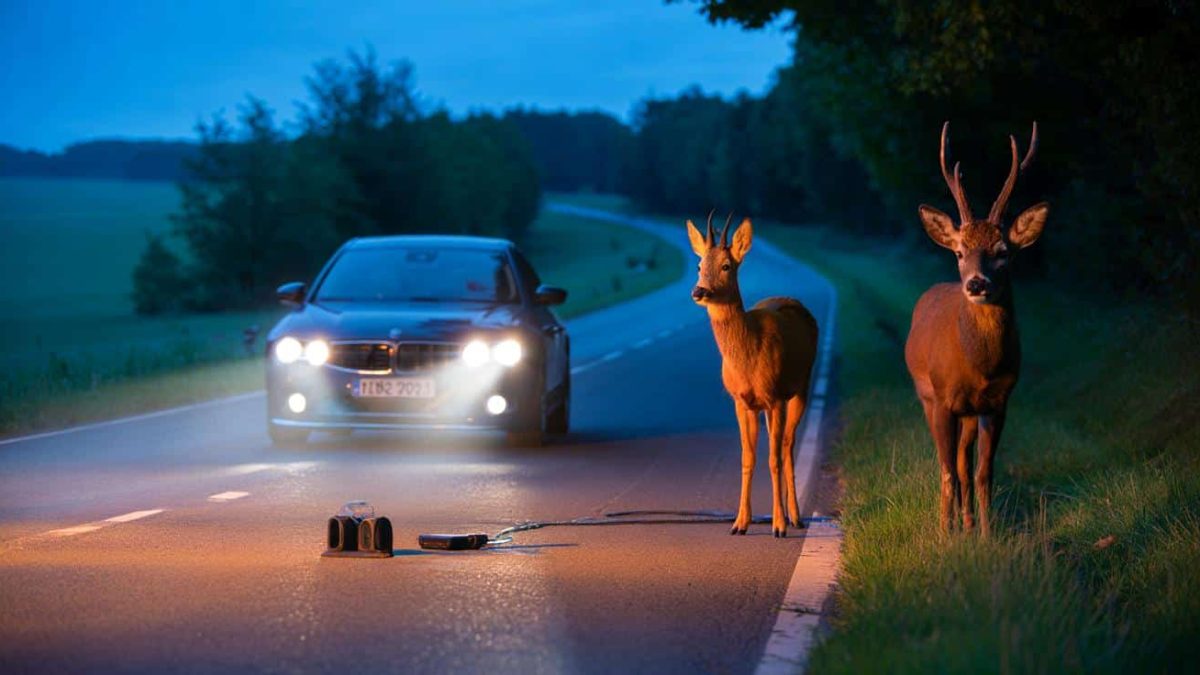
The dark stretch of road ahead can be a daunting sight for any driver, especially during the twilight hours when wildlife becomes more active. It’s in these moments that the allure of so-called “deer whistles” or “deer scarers” mounted on vehicles seems like a tempting solution to prevent costly and potentially dangerous collisions. However, the data paints a different picture – these devices may provide a false sense of security rather than reliable protection.
Deer whistles, often touted as an easy fix to the problem of wildlife encounters on the road, have long been marketed as a way to deter animals from approaching a moving vehicle. The premise is simple: the high-pitched sound emitted by these devices is supposed to warn deer and other animals, prompting them to flee before a collision can occur. But the reality is far more complex, and numerous studies have cast doubt on the actual effectiveness of these devices.
As drivers navigate the winding roads, the question remains: are deer whistles a genuine solution, or are they merely a dangerous illusion that puts motorists at risk?
The Promise of Deer Whistles
The allure of deer whistles lies in their apparent simplicity. Slip one onto your car, and you can supposedly enjoy a stress-free drive through areas known for high wildlife activity. Manufacturers claim these devices emit ultrasonic sounds that are undetectable to the human ear but are easily picked up by the keen senses of deer and other animals.
- ➡Mit einem Fund vom Flohmarkt: So bekommt dein Garten nostalgischen Altbau-Charme
- ➡Neue Studie: Intensivlandwirtschaft lässt Vogelbestände dramatisch einbrechen
- ➡Geheime Tinte am Rand des Imperiums: Wie römische Soldaten selbst zum Chemielabor wurden
- ➡Diese 5 gefährlichen Persönlichkeitszüge erhöhen deutlich das Schizophrenie-Risiko
The idea is that these animals will hear the warning and choose to avoid the approaching vehicle, thereby reducing the likelihood of a collision. It’s a tempting proposition, especially for those who frequently travel through areas with a high concentration of deer or other wildlife.
However, the scientific evidence paints a different picture. Numerous studies have concluded that deer whistles are largely ineffective in deterring animals from the road.
What the Research Says
One of the most comprehensive studies on the topic was conducted by researchers at the University of Georgia. They outfitted a fleet of vehicles with deer whistles and monitored their effectiveness over a two-year period, tracking the location and movements of deer in the area.
The results were clear: the deer whistles did not significantly reduce the number of deer-vehicle collisions. In fact, the researchers found no statistically significant difference in the number of collisions between vehicles equipped with whistles and those without.
Similar findings have been reported in other studies, with researchers consistently concluding that deer whistles do little to actually prevent wildlife from approaching or colliding with vehicles.
The Limitations of Deer Whistles
There are a few key factors that contribute to the ineffectiveness of deer whistles. Firstly, the range and volume of the ultrasonic sounds they produce are often not sufficient to be detected by deer at a meaningful distance. The animals may simply not hear the warning in time to react and change their behavior.
Additionally, deer and other wildlife have a wide range of hearing capabilities, and some species may not be able to perceive the specific frequencies emitted by deer whistles. The effectiveness of these devices can also be influenced by environmental factors, such as wind, weather, and the presence of other noise sources.
Perhaps most importantly, deer and other animals do not always behave in a predictable manner. Their movements and reactions can be influenced by a variety of factors, including time of day, season, and the presence of other threats or stimuli. This unpredictability makes it difficult for deer whistles to reliably deter wildlife from the road.
- ➡Zwei Sternzeichen schlucken Kritik – warum ihr Schweigen Ende März kippen kann
- ➡Warnung vor belastetem Kochschinken: Diese Packungen sollten Sie sofort prüfen
- ➡Stauden erkennen: So unterscheiden Hobbygärtner mehrjährige Pflanzen richtig
- ➡Wer Brot einfriert, sollte diese eine wichtige Sache unbedingt beachten
Alternative Strategies for Reducing Wildlife Collisions
While deer whistles may not be the solution many drivers hope for, there are other strategies that have proven more effective in reducing wildlife-vehicle collisions. These include the installation of wildlife crossing signs, the use of reflective devices along the roadside, and the implementation of wildlife-specific infrastructure like overpasses and underpasses.
Advancements in vehicle technology, such as forward-collision warning systems and night vision cameras, can also play a crucial role in helping drivers detect and react to the presence of animals on the road. By combining these various approaches, communities and transportation authorities can work to create a safer environment for both drivers and wildlife.
Ultimately, the key to reducing wildlife collisions lies in a more holistic and evidence-based approach, one that recognizes the limitations of quick fixes like deer whistles and instead focuses on more comprehensive solutions that address the underlying factors contributing to these dangerous incidents.
Realistic Risk Assessment for Drivers
As drivers, it’s important to maintain a realistic understanding of the risks posed by wildlife on the road. While the fear of colliding with a deer or other animal is understandable, it’s crucial to avoid a false sense of security provided by ineffective devices like deer whistles.
By staying alert, adjusting their speed, and being prepared to react to the unexpected, drivers can significantly reduce their chances of a wildlife-related collision. Additionally, staying informed about the latest research and best practices for avoiding these incidents can help drivers make more informed decisions and ensure their safety on the road.
Ultimately, the responsibility lies with both drivers and transportation authorities to work together to create a safer environment for all. By embracing evidence-based solutions and abandoning the false promise of deer whistles, we can take meaningful steps towards reducing the risk of wildlife-vehicle collisions and protecting both human and animal lives.
The Broader Implications
The debate over deer whistles highlights a larger issue in our approach to transportation safety and environmental protection. Too often, we are drawn to quick-fix solutions that offer a sense of control but lack the scientific backing to truly address the problem at hand.
By recognizing the limitations of these devices and instead prioritizing more comprehensive, evidence-based strategies, we can not only improve road safety but also contribute to the preservation of wildlife and the natural ecosystems they inhabit. This shift in mindset is crucial as we continue to grapple with the complex challenges facing our transportation infrastructure and the environment.
As we move forward, it’s important for drivers, policymakers, and transportation experts to work together to find sustainable solutions that balance the needs of both human and animal communities. Only then can we truly create a safer, more harmonious coexistence on our roads and in the natural world.
Conclusion: Embracing Realistic Solutions
The allure of deer whistles may be tempting, but the data clearly shows that they offer little to no protection against wildlife-vehicle collisions. As drivers, it’s crucial to approach this issue with a clear understanding of the limitations of these devices and to instead embrace more comprehensive, evidence-based strategies for reducing the risk of these dangerous incidents.
By staying informed, adjusting our driving behaviors, and supporting the implementation of proven solutions, we can work towards a future where the roads are safer for both humans and wildlife. It’s a challenge that requires a collaborative effort, but one that is essential for the well-being of our communities and the natural world we share.
Ultimately, the choice is clear: we can continue to cling to the dangerous illusion of deer whistles, or we can embrace the realistic solutions that have the potential to make a real difference. The road ahead may be winding, but by working together, we can navigate it safely and responsibly.
FAQ
Do deer whistles actually work?
No, numerous studies have shown that deer whistles are largely ineffective in deterring wildlife from approaching or colliding with vehicles. The devices simply do not emit sounds that can reliably warn animals of an approaching car.
Why are deer whistles not effective?
There are a few key reasons why deer whistles fail to work as intended: the range and volume of the ultrasonic sounds they produce are often not sufficient to be detected by deer, different species have varying hearing capabilities, and animal behavior is unpredictable and can’t be reliably influenced by these devices.
What are some better ways to prevent wildlife collisions?
More effective strategies include installing wildlife crossing signs, using reflective devices along the roadside, implementing specialized wildlife infrastructure like overpasses and underpasses, and incorporating advanced vehicle technologies like forward-collision warning systems and night vision cameras.
How can drivers reduce the risk of wildlife collisions?
Drivers can reduce the risk of wildlife collisions by staying alert, adjusting their speed, and being prepared to react to the unexpected presence of animals on the road. Staying informed about the latest research and best practices is also crucial.
What is the broader significance of the deer whistle issue?
The deer whistle debate highlights a larger issue of relying on quick-fix solutions that lack scientific backing, rather than prioritizing more comprehensive, evidence-based strategies. This mindset extends beyond just wildlife-vehicle collisions and can impact transportation safety and environmental protection more broadly.
How can communities address the problem of wildlife-vehicle collisions?
Communities can address this issue by working collaboratively with transportation authorities, policymakers, and experts to implement a range of proven solutions, such as infrastructure improvements, technological advancements, and public education campaigns. A holistic, evidence-based approach is key to creating safer roads for both humans and wildlife.
What is the role of drivers in preventing wildlife collisions?
Drivers play a crucial role in preventing wildlife collisions by maintaining a realistic understanding of the risks, adjusting their driving behaviors accordingly, and staying informed about the latest research and best practices. By embracing evidence-based solutions and abandoning ineffective quick fixes, drivers can contribute to a safer, more harmonious coexistence on the roads.
How can the deer whistle issue inform our approach to other transportation and environmental challenges?
The lessons learned from the deer whistle debate can be applied to a wider range of transportation and environmental challenges, where quick-fix solutions may offer a false sense of security but lack the scientific backing to truly address the underlying issues. By prioritizing evidence-based strategies and collaborative problem-solving, we can work towards more sustainable and effective solutions that benefit both human and natural communities.
- ➡WhatsApp-Schock: Was der blaue Meta‑Punkt wirklich macht – und wie Sie ihn ausblenden
- ➡Neue Studie: Wie ein bisschen Käse Demenzrisiko deutlich senken kann
- ➡Nachbarschafts-Zoff: Darf mein Nachbar die hässliche Mauer ungeputzt lassen?
- ➡Marathon unter 4 Stunden: Der 12-Wochen-Trainingsplan, den Hobbysportler ab 40 tatsächlich durchhalten und der funktioniert