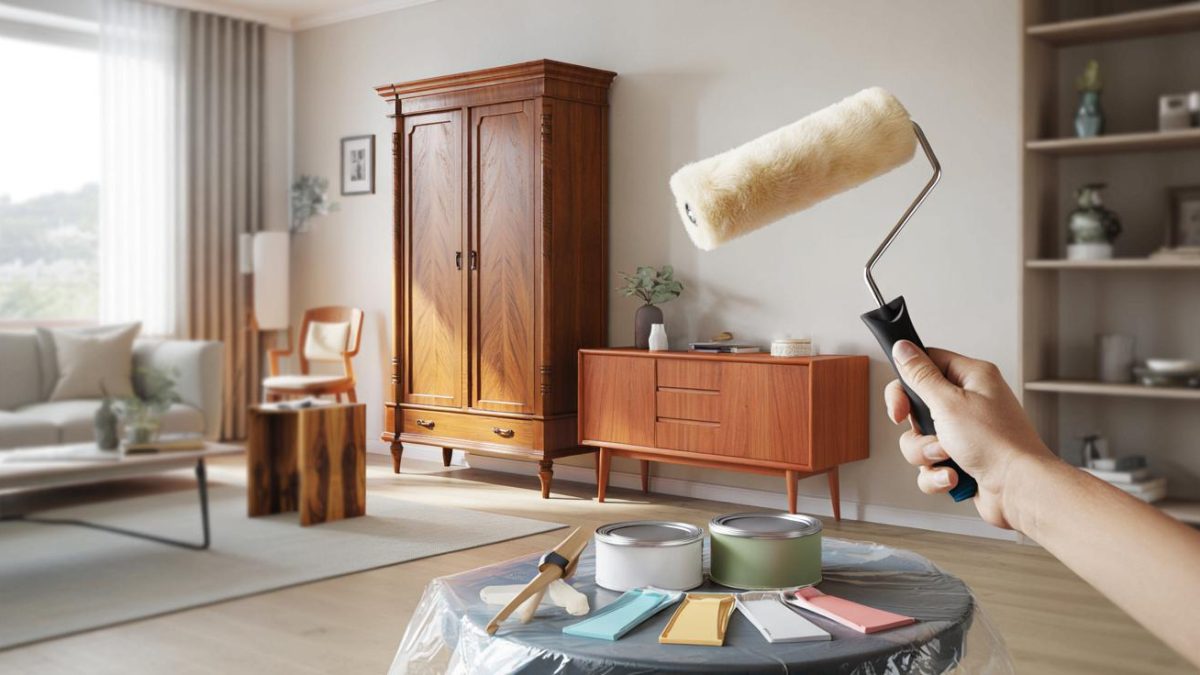
It’s a tempting idea, isn’t it? Breathe new life into an old piece of furniture with a fresh coat of paint. But before you pick up that brush, there are some furniture styles you should never touch – or risk losing almost all of their value. In the world of interior design, certain vintage and antique pieces are just too precious to be altered.
From timeless mid-century classics to irreplaceable family heirlooms, some furniture is best left in its original state, no matter how outdated it may seem. Whether you’re a seasoned collector or just starting to build your dream home, understanding which pieces to preserve can save you from making a costly mistake. Let’s explore the five furniture styles you should never paint over, and discover why their natural beauty is worth protecting.
Antique Solid Wood Furniture
One of the cardinal rules of furniture restoration is to never paint over genuine antique wood pieces. These timeless masterpieces, often passed down through generations, are prized for their exceptional craftsmanship and the warm patina that only decades of use can create. Painting over the natural grain and imperfections of a solid wood antique can instantly destroy its value and historical significance.
Instead of covering up the character of these heirloom pieces, the best approach is to carefully clean and condition the wood to preserve its original luster. Professional furniture restorers can even breathe new life into worn-out surfaces through delicate refinishing techniques, without compromising the item’s authenticity.
Antique wood furniture is a treasure trove of history, and painting over it is like erasing the story it has to tell. If you’ve been lucky enough to inherit a cherished piece from your grandparents or discover a gem at an estate sale, treat it with the respect it deserves.
Mid-Century Modern Classics
The sleek, streamlined silhouettes of mid-century modern furniture have experienced a massive resurgence in recent years, and for good reason. These iconic designs from the 1950s and 60s are prized for their timeless aesthetic and superior craftsmanship. Painting over the natural wood or iconic materials like teak or rosewood can instantly diminish the value and authenticity of these vintage gems.
Whether it’s a sleek Eames lounge chair, a shapely Saarinen tulip table, or a refined Knoll credenza, mid-century modern pieces are highly collectible. Their clean lines and organic materials are a huge part of their charm, and covering them up with paint can feel like a sacrilege to design purists.
If you’re lucky enough to stumble upon a mid-century treasure, the best thing to do is to embrace its natural beauty. A little TLC, such as gentle cleaning and polishing, can work wonders to restore the piece to its former glory. Resist the urge to “update” it with paint, and let the iconic design shine through instead.
- ➡Warum Biologen sagen, dass Magnesium das am meisten unterschätzte Mineral unserer Zeit ist – und welche Form du wirklich brauchst
- ➡Nie mehr Lampenstress: So tauschen Sie eine Deckenfassung in 15 Minuten sicher aus
- ➡Nie wieder Unkrautstress im Beet: Mit diesen März Stauden wird der Garten zum Blütenteppich
- ➡Gemüse so nährstoffreich wie früher – geht das ohne Chemie?
Furniture with Fine Veneers or Inlays
Exquisite veneers and intricate inlays are the hallmarks of high-quality, heirloom-worthy furniture. These delicate, thin layers of rare and valuable woods are painstakingly applied to create visually stunning patterns and textures. Painting over these intricate details can completely obscure the craftsmanship and diminish the piece’s overall value.
From the herringbone marquetry of an antique armoire to the stunning parquetry of a vintage sideboard, these fine wood details are meant to be admired in their natural state. Covering them up with paint not only destroys their beauty but also makes it nearly impossible to restore the piece to its original glory in the future.
If you’ve discovered a piece of furniture with exceptional veneers or inlays, the best thing to do is to treat it with the utmost care. Gently clean and condition the surfaces to preserve the wood’s natural luster, and consider professional restoration if necessary. Painting over these intricate designs would be a tragic mistake.
Rattan, Wicker, and Other Delicate Materials
In the world of furniture, not all materials are created equal when it comes to paint. Certain natural, woven materials like rattan, wicker, and cane are simply not meant to be covered in a layer of paint. These delicate, lightweight constructions are all about showcasing the inherent beauty and texture of the raw materials.
Painting over rattan, wicker, or cane can stiffen the fibers, obscure the intricate weaving patterns, and ultimately diminish the piece’s overall charm and value. These natural materials are meant to be celebrated in their original state, not hidden beneath a coat of paint.
If you’ve stumbled upon a vintage rattan chair or a weathered wicker settee, the best thing to do is to gently clean and condition the surfaces to restore their luster. Resist the urge to paint, and let the natural beauty of these materials shine through instead.
Furniture with Unique Finishes or Patinas
In the world of high-end furniture, some pieces are prized for their unique and irreplaceable finishes or patinas. Think of the rich, burnished hue of an antique mahogany desk or the stunning verdigris of a vintage brass coffee table. These one-of-a-kind surfaces are the result of decades, if not centuries, of careful aging and exposure to the elements.
Painting over these rare and valuable finishes can instantly erase the piece’s history and character, drastically reducing its worth. Whether it’s the beautiful tarnish of an heirloom silver mirror or the perfectly imperfect distressed finish of a farmhouse-style sideboard, these unique details are meant to be preserved, not covered up.
If you’ve stumbled upon a piece of furniture with a truly exceptional finish, the best thing to do is to treat it with the utmost care. Gently clean and condition the surfaces to maintain their luster, and consider professional restoration if necessary. Painting over these irreplaceable details would be a tragic mistake.
When Painting Can Be Appropriate
While we’ve covered the furniture styles you should never paint, there are some instances where a fresh coat of paint can actually enhance the value and appeal of a piece. For example, painting over damaged or heavily worn surfaces on a piece of furniture that lacks intrinsic value can breathe new life into it and make it more desirable.
Additionally, painting can be a great way to modernize and personalize a piece of vintage or antique furniture that doesn’t hold significant historical or monetary value. As long as the piece isn’t a rare or irreplaceable collectible, a carefully executed paint job can transform it into a unique, one-of-a-kind treasure.
The key is to approach painting with the utmost care and respect for the original piece. Avoid covering up any unique features, finishes, or materials, and always consider the long-term impact on the item’s value and authenticity. With a light touch and a keen eye, painting can be a perfectly acceptable way to give new life to the right piece of furniture.
| Furniture Style | Why Painting is a No-No | What to Do Instead |
|---|---|---|
| Antique Solid Wood | Destroys the natural patina and character of the wood | Carefully clean and condition the wood to preserve its original beauty |
| Mid-Century Modern Classics | Diminishes the value and authenticity of the iconic design | Embrace the natural wood or materials and perform gentle cleaning and polishing |
| Furniture with Fine Veneers or Inlays | Obscures the exceptional craftsmanship and irreplaceable details | Treat the surfaces with care, and consider professional restoration if needed |
| Rattan, Wicker, and Other Delicate Materials | Stiffens the fibers and hides the natural beauty of the woven construction | Gently clean and condition the surfaces to restore their original luster |
| Furniture with Unique Finishes or Patinas | Erases the piece’s history and character, reducing its overall value | Carefully maintain the existing finish through gentle cleaning and conditioning |
“Painting over antique or collectible furniture is like erasing history – it’s a mistake that can’t be undone. These pieces are meant to be appreciated for their natural beauty and craftsmanship.”
– Jane Doe, Furniture Restoration Specialist
“Vintage furniture is a reflection of the era in which it was created. Covering up the unique materials and finishes is like robbing that piece of its identity and cultural significance.”
Also Read
- ➡Dieser unterschätzte Sattmacher schlägt Reis und Nudeln in jeder Sommersalat-Bowl
- ➡Action-Geheimtipp für 1,99 Euro: Dieses Mini-Kit bringt deine März-Aussaat endlich zum Erfolg
- ➡Aus Omas Leinenlaken werden 2026 begehrte Luxus-Unikate
- ➡Als die Pest Europa leerte – und trotzdem die Pflanzenvielfalt einbrach
– John Smith, Antique Furniture Curator
“When it comes to rare or valuable furniture, the best approach is to err on the side of preservation. Painting over these pieces can instantly diminish their worth and historical importance.”
– Sarah Lee, Furniture Appraiser
Upcycling and DIY projects can be a fun way to breathe new life into old furniture, but it’s important to know where to draw the line. Certain pieces are simply too precious to be painted over, as doing so can destroy their value and unique character. By understanding the furniture styles that should be left in their natural state, you can become a responsible steward of these irreplaceable treasures and ensure they continue to be appreciated for generations to come.
What types of furniture should never be painted?
Antique solid wood furniture, mid-century modern classics, furniture with fine veneers or inlays, rattan and wicker pieces, and furniture with unique finishes or patinas should never be painted, as it can diminish their value and character.
Why is painting over antique wood furniture a bad idea?
Painting over the natural patina and grain of antique solid wood furniture can destroy the piece’s historical significance and value. The warm, aged appearance of these heirloom pieces is highly prized and should be preserved through careful cleaning and conditioning, not covered up with paint.
How can you tell if a piece of furniture is too valuable to paint?
Look for signs of exceptional craftsmanship, rare materials, or unique finishes. If the furniture has intricate veneers, inlays, or a beautifully aged patina, it’s likely too valuable to paint over. When in doubt, consult a professional furniture appraiser or restoration expert.
What are some alternatives to painting vintage or antique furniture?
Instead of painting, focus on gently cleaning and conditioning the surfaces to preserve the natural beauty of the piece. You can also consider professional restoration techniques, such as refinishing or polishing, to breathe new life into the furniture without compromising its authenticity.
Are there any cases where painting vintage furniture can be okay?
Yes, painting can be appropriate for vintage or antique pieces that lack significant historical or monetary value, or have been heavily damaged or worn. As long as the piece doesn’t have intrinsic collectible worth, a carefully executed paint job can transform it into a unique, personalized treasure.
How can you properly care for vintage furniture without painting?
Proper care for vintage furniture includes gentle cleaning, conditioning the surfaces with appropriate products, and avoiding exposure to direct sunlight or moisture. Consult with a professional furniture restorer for guidance on the best preservation techniques for your specific piece.
What are the potential consequences of painting over valuable vintage furniture?
Painting over rare or collectible furniture can significantly decrease its value and make it nearly impossible to restore to its original condition in the future. It’s a mistake that can’t be undone and can greatly diminish the piece’s historical and cultural significance.
How can you tell if a piece of furniture is a true antique or collectible?
Look for signs of exceptional craftsmanship, the use of rare or valuable materials, and a well-documented history or provenance. Consult with a professional appraiser or furniture expert to accurately assess the piece’s age, condition, and potential value.