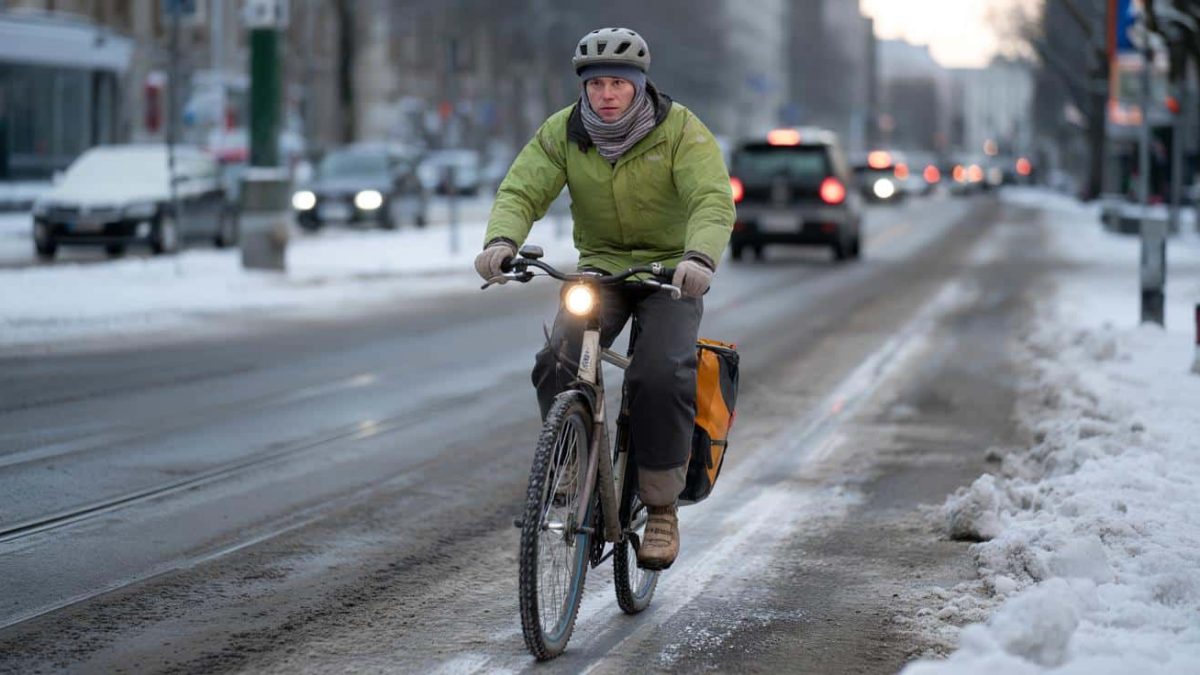
As the winter chill sets in, many cyclists find themselves hesitant to brave the elements. Icy roads, snow-covered paths, and poor visibility can turn a peaceful ride into a treacherous journey. However, with the right preparation and techniques, winter cycling can be a rewarding and safe experience. In this article, we’ll explore five essential tricks to help you conquer the snow and ice, ensuring you stay upright and in control on your two-wheeled adventures.
Embracing the colder months and continuing to cycle can be a liberating and empowering experience. By learning to navigate the unique challenges of winter riding, you’ll not only stay active and fit but also enjoy the serenity of empty streets and the serene beauty of a snow-covered landscape. So, let’s dive in and discover the secrets to confidently cycling through the winter wonderland.
Dress for the Conditions
Staying warm and visible is crucial when cycling in winter. Invest in high-quality, moisture-wicking base layers that will keep you dry and insulated. Look for outerwear that is wind- and water-resistant, with features like reflective panels or LED lights to ensure you’re easily spotted by other road users. Don’t forget to protect your extremities with gloves, thick socks, and a warm hat or balaclava.
The key is to create a layering system that allows you to adjust your clothing as the temperature and weather conditions change. Avoid cotton, which can become heavy and lose its insulating properties when wet. Opt for synthetic or merino wool fabrics that will keep you warm and dry, even in the harshest conditions.
Remember, staying comfortable and visible is essential for maintaining control and safety on your winter rides.
Prepare Your Bicycle
Ensuring your bicycle is winter-ready is just as important as dressing appropriately. Consider swapping out your tires for ones with more substantial tread or even studded tires, which can provide significantly better grip on icy surfaces. Additionally, you may want to install fenders to protect yourself from the inevitable splashes of slush and snow.
Don’t forget to check your brakes, as they may require more maintenance in colder weather. Adjust your brake pads to ensure they are making full contact with the rim, and consider using a winter-specific lubricant to keep them functioning at their best.
Finally, pay close attention to your bike’s chain and drivetrain. Regular cleaning and lubrication will help prevent the buildup of salt, sand, and other winter debris, which can wear down your components prematurely.
Adapt Your Riding Technique
Navigating snow and ice requires a different approach to cycling. Slow down and maintain a steady, controlled pace, avoiding sudden braking or acceleration that could cause you to lose traction. Keep your weight centered and your movements smooth and deliberate.
When turning, lean your body in the direction of the turn, rather than relying solely on the handlebars. This will help you maintain stability and prevent the rear wheel from sliding out. Additionally, be mindful of your body position, keeping your elbows and knees slightly bent to absorb any bumps or sudden movements.
If you encounter a particularly icy or slippery section, consider dismounting and walking your bike until you reach safer terrain. It’s better to be cautious and maintain control than to risk a dangerous fall.
Improve Your Visibility
Reduced daylight and inclement weather can make it challenging for other road users to spot you, increasing the risk of collisions. To improve your visibility, ensure your bike is equipped with bright, flashing lights both front and rear. Consider adding reflective tape or stickers to your frame, wheels, and clothing to make yourself more conspicuous.
In addition to lighting, wear brightly colored or high-visibility apparel, such as a reflective vest or jacket. This will help other drivers and pedestrians identify you, especially in low-light conditions or during snowstorms.
Remember, being seen is crucial for your safety, so don’t skimp on visibility-enhancing measures.
Maintain Your Bike Diligently
The harsh winter conditions can take a toll on your bicycle, so regular maintenance is essential. After each ride, thoroughly clean your bike, paying special attention to the drivetrain, brakes, and any areas that have accumulated salt, sand, or slush. Use a bike-specific cleaner and lubricant to keep your components in top shape.
Consider storing your bike in a warm, dry environment when not in use to prevent the buildup of corrosive elements. This will help extend the lifespan of your bicycle and ensure it’s ready to go when you are.
Regular tune-ups and inspections can also help identify any issues before they become major problems, keeping you safe and confident on the road.
“Cycling in the winter can be a thrilling and rewarding experience, but it requires a different mindset and approach compared to fair-weather riding. By prioritizing safety, preparation, and diligent maintenance, cyclists can overcome the unique challenges and enjoy the freedom of the open road, even in the colder months.”
– Jürgen Müller, Bicycle Mechanic and Winter Cycling Enthusiast
Embracing winter cycling takes a bit of extra effort, but the rewards are well worth it. By following these five essential tricks, you’ll be equipped to tackle the ice and snow with confidence, staying upright and in control no matter the weather conditions.
Frequently Asked Questions
What are the benefits of cycling in the winter?
Cycling in the winter offers numerous benefits, including maintaining physical fitness, reducing your carbon footprint, and enjoying the serene beauty of a snow-covered landscape. It’s also a great way to beat the winter blues and stay active throughout the colder months.
How do I stay warm while cycling in the winter?
Dressing in layers, wearing moisture-wicking fabrics, and protecting your extremities with gloves, socks, and a warm hat or balaclava are essential for staying warm on winter rides. Investing in high-quality, winter-specific cycling gear can make a significant difference in your comfort and enjoyment.
What type of tires are best for cycling in the snow and ice?
Studded tires or tires with a more substantial tread pattern are recommended for cycling in snowy and icy conditions. These specialized tires provide better grip and stability, helping you maintain control on slippery surfaces.
How do I adjust my riding technique for winter conditions?
When cycling in the winter, it’s essential to slow down, maintain a steady pace, and avoid sudden movements that could cause you to lose traction. Keep your weight centered and use smooth, deliberate movements when turning or braking.
- ➡Diese 5 Möbel sollten Sie niemals streichen – sonst verlieren sie fast ihren ganzen Wert
- ➡Resteverwertung deluxe: So wird übrig gebliebene Raclette zum Sonntagsstar
- ➡Thermomix TM7 im Härtetest: Lohnt sich der 1.599-Euro-Preis wirklich?
- ➡Schock im Supermarkt: Warum viele „schwarze Oliven“ nur gefärbt sind
How often should I maintain my bike during the winter?
Regular maintenance, including thorough cleaning and lubrication, is crucial for keeping your bike in top condition during the winter months. After each ride, take the time to clean your bike and inspect it for any issues. Additionally, consider scheduling periodic tune-ups with a professional mechanic to ensure your bike is ready to handle the winter weather.
What are the most common safety concerns for winter cycling?
The primary safety concerns for winter cycling include reduced traction, poor visibility, and increased risk of falls or collisions. Addressing these issues through proper gear, bike preparation, and riding technique is essential for staying safe on the road.
How can I improve my visibility while cycling in the winter?
Ensuring your bike is equipped with bright, flashing lights and adding reflective elements to your frame, wheels, and clothing can significantly improve your visibility to other road users. Wearing high-visibility apparel, such as a reflective vest or jacket, is also recommended for enhanced safety.
What are some tips for staying motivated to cycle in the winter?
Embracing the winter cycling experience, finding a cycling group or community, and setting achievable goals can all help you stay motivated to continue riding throughout the colder months. Celebrate your accomplishments and embrace the unique challenges and rewards of winter cycling.