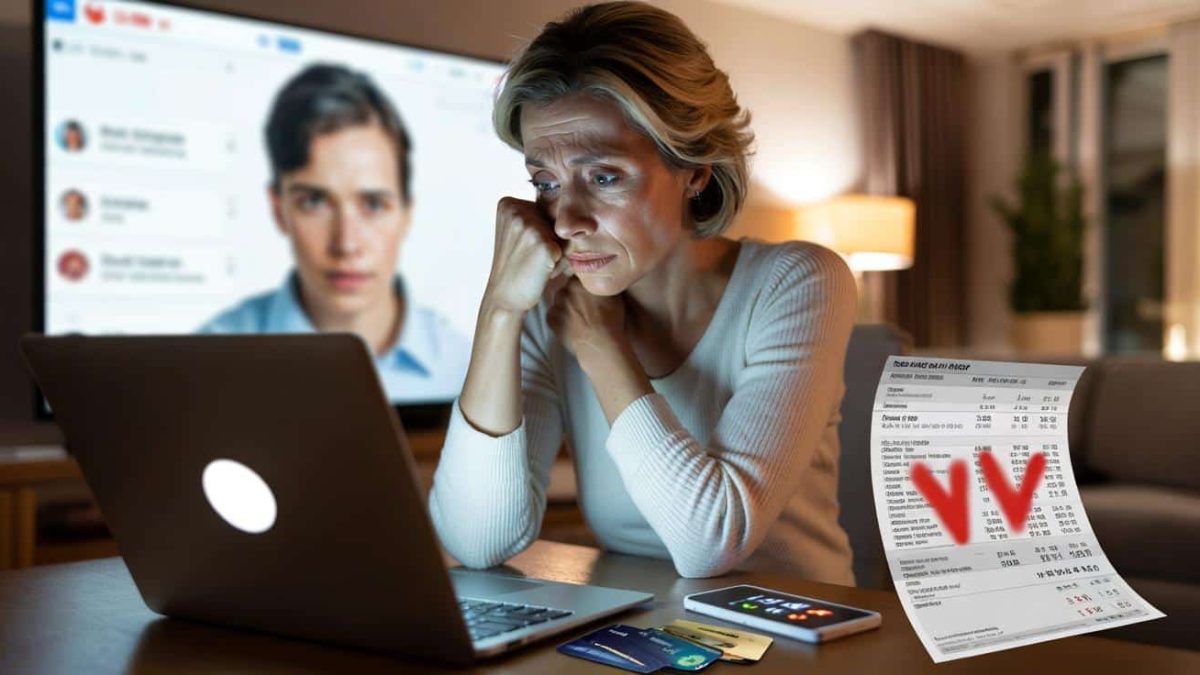
The internet has become a minefield of romance scams, where unsuspecting victims are lured into a web of deceit and heartbreak. These sophisticated schemes, known as “romance scams,” have become increasingly common, targeting even the most discerning individuals. What appears to be a fairytale love story often turns out to be a carefully orchestrated con, leaving its victims emotionally and financially devastated.
The rise of online dating platforms and social media has provided the perfect breeding ground for these scams, as predators can easily create fake profiles and build trust over time. With their charm and manipulation, they weave a tale of love and commitment, only to later demand financial assistance or other personal information, leaving their targets in a state of disbelief and betrayal.
What makes these scams so insidious is the way they exploit our fundamental human need for connection and companionship. Even the most intelligent and rational individuals can fall victim, as the emotional pull of a supposed soulmate can cloud their better judgment. The consequences can be catastrophic, with victims losing not only their savings but also their sense of trust and security.
The Anatomy of a Romance Scam
Romance scams typically follow a similar pattern, beginning with the creation of a seemingly perfect online profile. Scammers often use stolen images and carefully crafted backstories to present themselves as the ideal partner – attractive, successful, and emotionally available. They then methodically build a connection, often over the course of several months, gradually gaining their target’s trust and affection.
As the relationship progresses, the scammer will begin to manipulate the situation, finding ways to request financial assistance or personal information. This could be under the guise of an emergency, a business opportunity, or even a plan to meet in person. The victim, blinded by their feelings, may feel compelled to help, ultimately leading to devastating financial and emotional consequences.
One of the most troubling aspects of romance scams is the level of sophistication and personalization involved. Scammers often conduct extensive research on their targets, learning about their interests, values, and vulnerabilities, in order to tailor their approach and make the deception as convincing as possible.
The Psychological Toll of Romance Scams
The impact of romance scams goes far beyond financial loss. Victims often experience a deep sense of betrayal, shame, and emotional trauma, struggling to come to terms with the fact that their supposed soulmate was nothing more than a facade. This can lead to a profound loss of trust, anxiety, and even depression, as they grapple with the aftermath of the scam.
Adding to the psychological burden is the societal stigma that often surrounds these crimes. Many victims are hesitant to report their experiences, fearing judgment or a lack of understanding from friends, family, and even law enforcement. This reluctance to seek help can further exacerbate the problem, as scammers continue to thrive in the shadows.
- ➡Google Maps bekommt Mega-Update: neue 3D-Navigation und KI-Assistent
- ➡So teuer ist ein Abend im Lieblingsrestaurant von TV-Star Fauve Hautot in Montmartre
- ➡Neue Igel-Karte zeigt: Hier werden die Stacheltiere in Frankreich noch gesichtet
- ➡Wenn Kaffee krank macht: Bei diesen Warnsignalen sollten Sie aufhören
Experts emphasize the importance of recognizing the emotional and psychological impact of romance scams, and the need for greater support and resources for victims. By destigmatizing these crimes and providing appropriate counseling and financial assistance, we can empower those affected to regain their sense of security and trust.
Protecting Yourself from Romance Scams
While the rise of romance scams may seem daunting, there are steps individuals can take to protect themselves. The first and most crucial step is to approach online interactions with a healthy dose of skepticism. Be wary of anyone who moves the relationship too quickly, asks for personal or financial information, or claims to be in a crisis that requires immediate assistance.
It’s also essential to thoroughly research and verify the identity of potential partners, using reverse image searches and cross-referencing information across multiple platforms. If something feels off or too good to be true, it’s important to trust your instincts and proceed with caution.
Additionally, experts recommend maintaining separate financial accounts and avoiding any requests for money, even if the situation seems plausible. By staying vigilant and prioritizing self-preservation, individuals can significantly reduce their risk of falling victim to these increasingly sophisticated scams.
The Role of Technology and Regulation
As romance scams continue to evolve, there is a growing need for technological and regulatory solutions to address the problem. Online platforms and social media companies have a responsibility to implement robust fraud detection and prevention measures, as well as to educate their users on the warning signs of scams.
At the same time, policymakers and law enforcement agencies must work to strengthen legislation and enforcement mechanisms to hold scammers accountable. This may involve increased funding for cybercrime investigations, international collaboration to track cross-border activities, and the development of specialized support services for victims.
By taking a multifaceted approach that combines individual vigilance, technological advancements, and effective policymaking, we can work to mitigate the devastating impact of romance scams and protect vulnerable individuals from falling victim to these insidious schemes.
Overcoming the Stigma and Seeking Help
One of the most significant barriers to addressing the problem of romance scams is the persistent stigma and shame that often surrounds these crimes. Victims may be reluctant to come forward, fearing judgment or a lack of understanding from their loved ones and the broader community.
- ➡Garten-Fehler mit Folgen: Diese Gewohnheit kann 750 Euro kosten
- ➡Was Frauen ab 50 oft vergessen, wenn sie um jeden Preis jung wirken wollen
- ➡Terrasse in einer Stunde moosfrei: Dieser 35-Cent-Trick schlägt jeden Hochdruckreiniger
- ➡Primarks Fischerclogs für 14 Pfund: Der Frühlingsschuh, den du jetzt brauchst
However, it is crucial for victims to understand that they are not to blame and that there are resources and support available to help them recover. Organizations such as victim support services, counseling centers, and financial assistance programs can provide the necessary guidance and tools to navigate the aftermath of a romance scam.
By breaking the silence and encouraging open dialogue about these issues, we can work to destigmatize romance scams and empower those affected to seek the help they need. This collective effort, combined with a comprehensive approach to prevention and intervention, can help to combat the scourge of online deception and restore a sense of trust and security for individuals seeking love and connection in the digital age.
The Evolving Landscape of Romance Scams
As technology continues to evolve, so too do the tactics employed by romance scammers. They are increasingly leveraging artificial intelligence, social media algorithms, and data mining techniques to target and manipulate their victims with unprecedented precision.
One emerging trend is the use of “deepfake” technology, which allows scammers to create highly realistic videos and audio recordings of their supposed love interests. This can make it even more challenging for victims to detect the deception, as the scammer’s image and voice may appear to be authentic.
- ➡Diese März-Falle ruiniert Ihren Zitronenbaum im Topf
- ➡Nordbalkon und Schattenbeet: Diese 7 Blütenstars bringen Farbe bis in den Herbst
- ➡Letzte Minuten mit Hund oder Katze: Diese Worte trösten – und einen Satz sollten Sie vermeiden
- ➡Friseurin sprachlos: So glänzen meine Haare ohne Spülung dank Küchen-Trick
Moreover, the COVID-19 pandemic has further exacerbated the problem, as isolation and increased reliance on online interactions have created a ripe environment for scammers to exploit. As the landscape continues to shift, it is crucial for individuals, organizations, and policymakers to remain vigilant and adapt their strategies to combat these evolving threats.
Conclusion: Towards a Safer and More Empathetic Online Landscape
The rise of romance scams is a complex and multifaceted issue that requires a comprehensive and empathetic approach. By raising awareness, strengthening technological safeguards, and providing robust support services for victims, we can work to create a safer and more trustworthy online landscape for those seeking love and connection.
Ultimately, addressing the problem of romance scams is not just about protecting individual victims, but about fostering a society that values empathy, transparency, and the fundamental human right to find fulfillment and happiness in our relationships, both online and offline. By working together, we can empower and support those affected, while also deterring the scammers and holding them accountable for their actions.
As we navigate this evolving landscape, it is crucial that we remain vigilant, but also compassionate. By empowering victims, strengthening our collective defenses, and promoting a culture of openness and trust, we can work towards a future where the pursuit of love is no longer tainted by the specter of deceit and exploitation.
- ➡Mit 37 radikal produktiver: Diese 7 versteckten Gewohnheiten rauben dir 80 Prozent deiner Energie
- ➡Schnell-Geher aufgepasst: Was Ihr Tempo über Ihre Persönlichkeit verrät
- ➡Warnung an Hobbygärtner: Warum Sie Ihren japanischen Ahorn jetzt in Ruhe lassen sollten
- ➡Fund im Gartengrund: Zufallsstein entpuppt sich als Kriegs-Technik aus der Bronzezeit
| Warning Signs of a Romance Scam | Recommended Actions for Victims |
|---|---|
|
|
| Expert Perspectives on Romance Scams |
|---|
|
|
|
“The most dangerous lies are the ones we tell ourselves.”
- ➡Diese 6 Abend-Gewohnheiten machen 2026 nachweislich glücklicher
- ➡So erkennst du, ob deine Kopfhaut zu trocken oder zu fettig ist
- ➡März–April: Lassen Sie Ihre Katze nicht mehr raus – warum diese Zeit im Garten zum unsichtbaren Massaker wird
- ➡Psychologe verrät: Zwei Kindheitserinnerungen sagen dein Lebensglück voraus
“Falling for a romance scam is not a sign of weakness, but a testament to our deep human need for connection and belonging.”
“In the digital age, our hearts are the most vulnerable targets. But by staying vigilant and supporting one another, we can reclaim the pursuit of love and rebuild a safer online landscape.”
What is a romance scam?
A romance scam is a type of online fraud where a person creates a fake profile on a dating site or social media platform and pretends to be interested in a romantic relationship with the victim. The scammer’s goal is to gain the victim’s trust and then manipulate them into sending money or personal information.
How common are romance scams?
Romance scams are unfortunately very common. In 2022, the Federal Trade Commission reported that romance scams cost consumers over $1 billion, making it the most costly type of consumer fraud. The number of reported cases has been steadily increasing in recent years.
Who is most vulnerable to romance scams?
Anyone can be a target of a romance scam, but certain groups may be more vulnerable, such as older adults, individuals who are recently widowed or divorced, and those who are lonely or isolated. Scammers often target people who are seeking companionship or a romantic connection.
How can I protect myself from romance scams?
To protect yourself, be cautious of anyone who moves the relationship too quickly, asks for personal or financial information, or claims to be in a crisis that requires immediate assistance. Verify the person’s identity by conducting a reverse image search and cross-referencing information across multiple platforms. Trust your instincts – if something feels off, it’s better to err on the side of caution.
What should I do if I’ve been a victim of a romance scam?
If you’ve been a victim of a romance scam, the first step is to stop all communication with the scammer and report the incident to the appropriate authorities, such as the Federal Trade Commission or your local law enforcement. You should also monitor your credit reports and financial accounts, and consider changing your online account passwords and usernames. Seek support from victim assistance organizations, as they can provide resources and guidance to help you recover.
How can we address the stigma surrounding romance scams?
Addressing the stigma surrounding romance scams is crucial. Victims often feel ashamed and are reluctant to seek help, which can further compound the emotional and financial harm. By raising awareness, promoting empathy, and ensuring that victims have access to appropriate support services, we can work to destigmatize these crimes and empower those affected to come forward and seek the help they need.
What role can technology and regulation play in preventing romance scams?
Technology and regulation can play a significant role in preventing romance scams. Online platforms and social media companies should implement robust fraud detection and prevention measures, as well as educate users on the warning signs of scams. Policymakers and law enforcement agencies should also work to strengthen legislation and enforcement mechanisms to hold scammers accountable, and develop specialized support services for victims.
How can we build a more empathetic and trustworthy online landscape?
Building a more empathetic and trustworthy online landscape requires a multifaceted approach. This includes raising awareness, strengthening technological safeguards, providing robust support services for victims, and promoting a culture of openness, transparency, and compassion. By working together – across industries, governments, and communities – we can empower individuals to spot the warning signs of romance scams, support those affected, and deter the scammers from exploiting our deepest human desires.