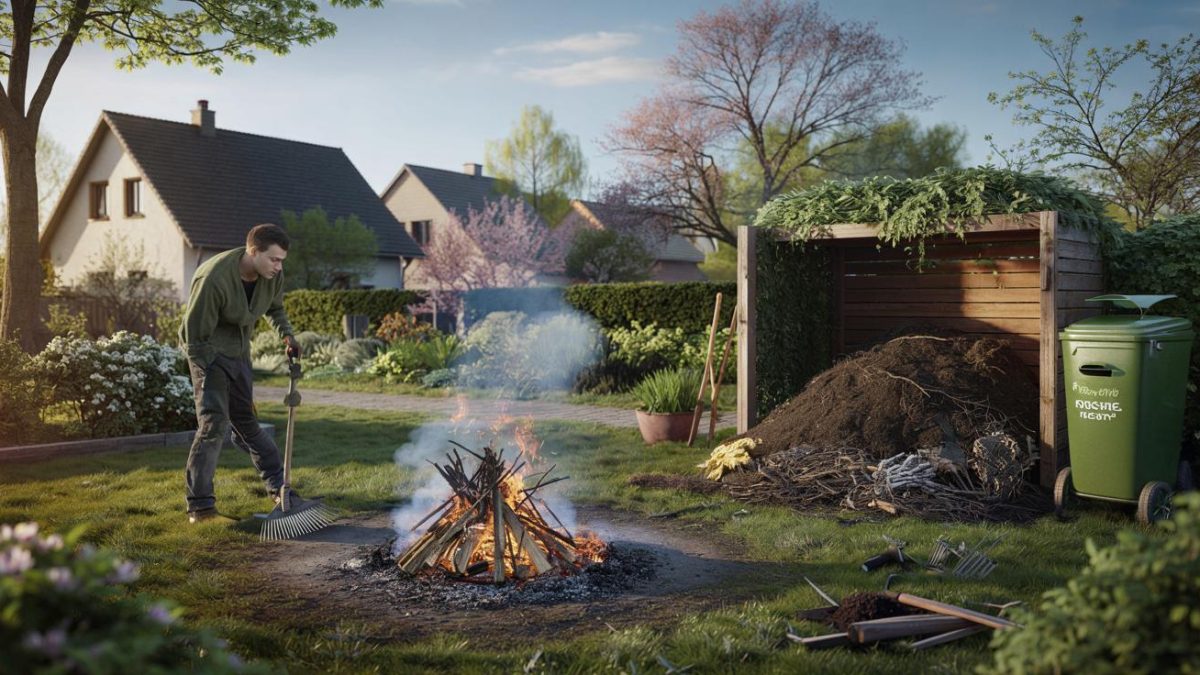
As the calendar ticks over to the 31st of March, many gardeners across Germany are facing a stark reality: their beloved garden bonfires may soon be a thing of the past. This annual rite of spring, where homeowners gather piles of fallen leaves, pruned branches, and other organic waste to send up in billowing plumes of smoke, is coming to an end in many communities.
The reasons behind this shift are multifaceted, reflecting a growing awareness of the environmental impact of open-air burning and a push for more sustainable waste management practices. But for those who have long cherished the ritual of the garden fire, the impending deadline can feel like the closing of a cherished chapter.
The Problem with Garden Burning
At the heart of the matter is the recognition that open-air burning of garden waste is not only harmful to the environment but also poses risks to public health. The smoke produced can contain a cocktail of pollutants, including particulate matter, carbon monoxide, and even carcinogenic compounds. These emissions can contribute to poor air quality, exacerbate respiratory conditions, and have broader impacts on the local ecosystem.
Furthermore, the practice of garden burning often results in the release of valuable nutrients and organic matter that could otherwise be composted and returned to the soil. By diverting these materials from landfills or recycling streams, garden fires represent a missed opportunity to nurture the health of the very gardens they serve.
As awareness of these issues has grown, lawmakers and environmental regulators have moved to address the problem, leading to a patchwork of regulations that vary across Germany’s states and municipalities.
The Legal Landscape: A Shifting Terrain
Fundamentally, the burning of garden waste is considered a form of open-air burning, which is generally prohibited under German law. However, there are exceptions that allow for limited burning in certain circumstances, typically with the approval of local authorities.
In many regions, these exceptions have become increasingly narrow, with some states and municipalities moving to ban the practice entirely. Saxony-Anhalt, for example, has set the stage for a complete prohibition on garden burning, with the final grace period for open-air fires set to expire on March 31st of this year.
Other states, like Mecklenburg-Western Pomerania, have taken a more gradual approach, phasing in restrictions over time. In Mecklenburg-Western Pomerania, a total ban on garden burning is set to take effect in 2029, giving residents and gardeners a longer runway to adapt to the new realities.
- ➡Fotinia-Hecken sind vorbei: Dieser pflegeleichte Farbenstrauch ersetzt sie ab Frühling 2026 in allen Gärten
- ➡China meldet Mega-Goldfund: Vorkommen im Wert von 168 Milliarden Dollar
- ➡Ab wann Vogelfutter gefährlich wird – Experten nennen klare Temperatur-Grenze
- ➡So teuer ist ein Abendessen im Lieblings-Italiener von Fauve Hautot in Montmartre
The Final Countdown: Deadlines and Exceptions
As the March 31st deadline looms, gardeners across Germany are faced with a critical decision: to burn or not to burn. In many communities, this date marks the final opportunity for residents to legally ignite their garden waste piles before the practice is either severely restricted or outright prohibited.
However, it’s important to note that the specifics of these regulations can vary significantly from one municipality to the next. While some areas may maintain exceptions for certain types of garden waste or during specific times of the year, others have taken a more stringent approach, leaving little room for legal open-air burning.
For those who have long relied on the convenience and tradition of garden fires, the impending changes can be a source of frustration. But experts argue that the shift towards more sustainable waste management practices is a necessary step in addressing the broader environmental concerns.
The Rise of Composting and Alternative Solutions
As the era of open-air garden burning comes to a close, gardeners and homeowners are being encouraged to explore alternative methods of disposing of their organic waste. Chief among these is the practice of composting, which not only diverts materials from landfills but also provides a valuable source of nutrient-rich soil amendment for gardens and landscapes.
Composting offers a multitude of benefits, from reducing greenhouse gas emissions to improving soil health and water retention. It also represents a more holistic approach to waste management, where the gardener plays an active role in nurturing the cycle of growth and decay that underpins a thriving ecosystem.
In addition to composting, some municipalities are exploring other innovative solutions, such as the establishment of dedicated green waste collection services or the promotion of alternative disposal methods like chipping or shredding. These approaches aim to provide gardeners with convenient and environmentally responsible alternatives to open-air burning.
The Future of Garden Waste Management
As the March 31st deadline approaches, gardeners across Germany are being forced to confront the reality of a changing landscape. While the loss of the garden bonfire may be bittersweet for some, the broader shift towards more sustainable waste management practices represents an opportunity to rethink our relationship with the land and the way we steward the natural resources in our care.
In the years to come, the transition away from open-air burning is likely to continue, with more states and municipalities adopting stricter regulations or outright bans. This will require gardeners to adapt their habits and embrace new, more environmentally responsible methods of handling their organic waste.
But the benefits of this shift extend far beyond the individual garden. By embracing composting, recycling, and other sustainable waste management practices, gardeners can play a vital role in promoting healthier, more resilient ecosystems and contributing to the broader environmental goals of their communities.
Avoiding Costly Mistakes: What Gardeners Need to Know
As the March 31st deadline approaches, it’s crucial for gardeners to familiarize themselves with the specific regulations in their local area. Failure to comply with burning restrictions can result in hefty fines and other penalties, making it essential to stay informed and plan accordingly.
In addition to understanding the legal landscape, gardeners should also be mindful of the potential risks associated with open-air burning, including the release of harmful pollutants and the potential for fires to spread beyond the intended area. By prioritizing safety and environmental responsibility, gardeners can ensure a smooth transition to more sustainable waste management practices.
Ultimately, the shift away from garden burning represents a broader societal reckoning with the impact of our actions on the natural world. For gardeners, this transition presents an opportunity to become stewards of the land, nurturing the soil and the ecosystems that sustain us all.
The Bigger Picture: Sustainability and the Circular Economy
The move to curb open-air burning of garden waste is part of a larger push towards a more sustainable, circular economy, where waste is seen as a valuable resource rather than something to be discarded. By embracing composting, recycling, and other circular practices, gardeners can contribute to a broader cultural shift that prioritizes environmental protection, resource conservation, and the creation of closed-loop systems.
This transition is not just about the immediate impact of garden burning, but about the long-term sustainability of our communities and the planet as a whole. As we grapple with the challenges of climate change, biodiversity loss, and resource depletion, the choices we make in our own backyards can have far-reaching consequences.
By engaging with these larger issues and understanding the role that gardeners can play in promoting a more sustainable future, we can begin to envision a world where the rhythms of nature and the needs of human communities are in greater harmony. It’s a future worth striving for, even as we bid farewell to the familiar scent of garden bonfires.
FAQs
What is the deadline for garden burning in my area?
The deadline for garden burning varies by location, with some areas having already banned the practice and others maintaining exceptions until a specific date, such as March 31st. It’s important to check with your local authorities to understand the regulations in your area.
- ➡Auf dem Sterbebett gestand mir meine Mutter, dass sie aus Neid meinen Verlobten vertrieben hat
- ➡Warum Nagellack nichts in der Hausmülltonne verloren hat
- ➡Schock-Studie: Unsichtbarer Plastikregen dringt jetzt sogar in unser Gemüse
- ➡Primarks Fischerclogs für 14 Pfund: Der Frühlingsschuh, den du jetzt brauchst
What are the alternatives to garden burning?
The primary alternative to garden burning is composting, which allows you to turn your organic waste into nutrient-rich soil amendment for your garden. Some municipalities also offer green waste collection services or promote other disposal methods like chipping or shredding.
What are the penalties for violating garden burning regulations?
The penalties for violating garden burning regulations can be significant, often involving hefty fines. Ignoring the rules can also pose risks to the environment and your property, so it’s crucial to understand and comply with the applicable laws in your area.
How can I start composting at home?
Starting a compost pile at home is relatively straightforward. You’ll need a designated area, a mix of green (nitrogen-rich) and brown (carbon-rich) materials, and a bit of moisture and airflow. Many local authorities offer guidance and resources to help homeowners get started with composting.
What are the environmental benefits of transitioning away from garden burning?
The transition away from garden burning offers several environmental benefits, including reduced air pollution, the conservation of valuable organic matter and nutrients, and the promotion of healthy soil and ecosystems. By embracing more sustainable waste management practices, gardeners can play a vital role in addressing broader environmental challenges.
How can I stay informed about changes to garden burning regulations in my area?
To stay up-to-date on the latest developments, it’s a good idea to regularly check with your local authorities, such as your municipal government or environmental agencies. You can also follow relevant news sources and community organizations that may provide updates on the evolving legal landscape.
Will there be any exceptions or grace periods for garden burning after the March 31st deadline?
The availability of exceptions or grace periods after the March 31st deadline will depend on the specific regulations in your area. Some regions may maintain limited exceptions, while others may enforce a strict ban. It’s crucial to understand the rules in your local community to avoid any potential penalties.
How can I contribute to a more sustainable future for my garden and community?
Beyond embracing composting and other sustainable waste management practices, gardeners can contribute to a more sustainable future by advocating for green policies, supporting local environmental initiatives, and educating their neighbors on the importance of responsible land stewardship. Every small action can make a meaningful difference.