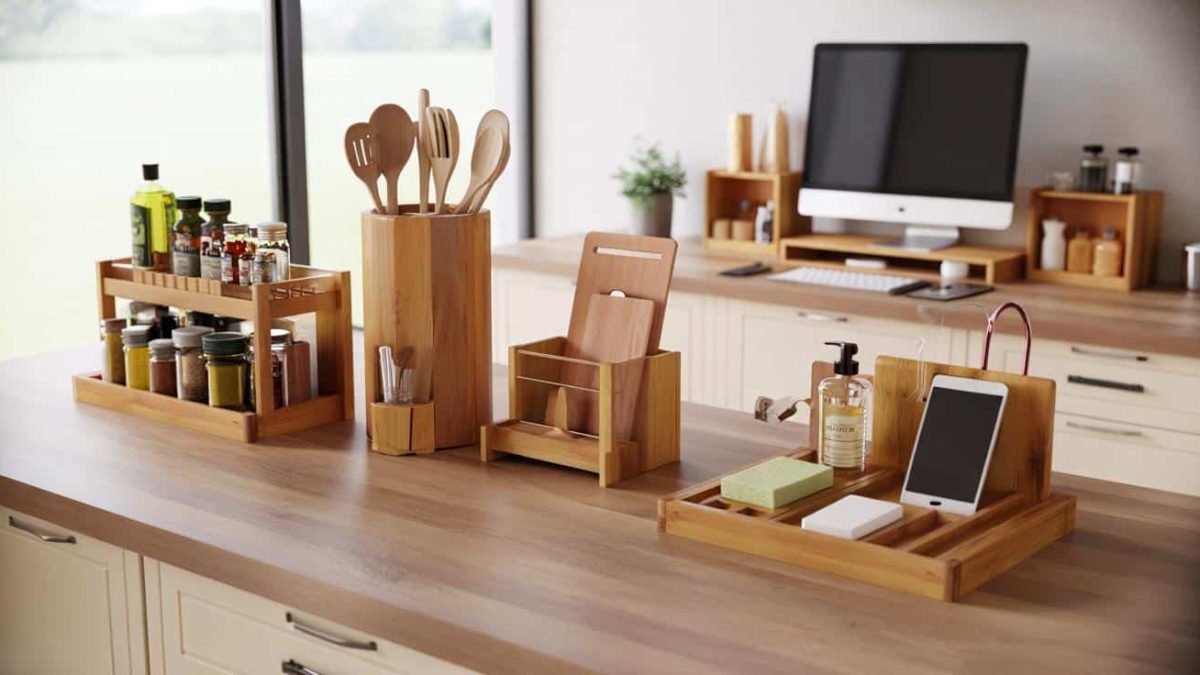
Chaos reigns supreme on many kitchen countertops, desktops, and bathroom vanities. The constant influx of gadgets, tools, and miscellaneous items can quickly transform these surfaces into cluttered battlegrounds. But what if I told you that the solution to this organizational conundrum may be hiding in plain sight – in the form of simple, unassuming wooden scraps?
Believe it or not, those leftover pieces of wood from DIY projects or home renovations can be the key to finally taming the chaos on your work surfaces. With a little creativity and some basic carpentry skills, you can transform these humble materials into elegant, functional organizers that will have your living and workspaces looking fresh and inviting in no time.
Harnessing the Power of Reclaimed Wood
Repurposing reclaimed wood is a smart and sustainable approach to decluttering your life. Not only is it a cost-effective solution, but it also allows you to give new life to materials that might otherwise end up in a landfill. Plus, the unique character and natural grain of the wood can add a charming, rustic touch to your organizational solutions.
Whether you’re dealing with a cluttered kitchen, an overflowing desk, or a crowded bathroom vanity, these 14 wood-based hacks can help you regain control and create a harmonious, organized environment.
From simple shelves and trays to more elaborate storage solutions, the possibilities are endless when you start thinking outside the box and embracing the potential of those leftover wood scraps.
Preparing Reclaimed Wood for Indoor Use
Before you can put your wood to work, it’s important to ensure that it’s properly prepared for indoor use. This often involves sanding, sealing, and treating the wood to make it durable, moisture-resistant, and safe for use in high-traffic areas.
Start by giving the wood a thorough sanding to remove any rough edges or splinters. Then, consider applying a clear sealant or varnish to protect the surface and make it easy to clean. Depending on the project, you may also want to stain or paint the wood to achieve your desired aesthetic.
With a little bit of elbow grease, you can transform those humble wood scraps into beautiful, functional organizers that will breathe new life into your living and working spaces.
14 Brilliant Wood-Based Hacks to Conquer Clutter
From simple shelves and trays to more complex storage solutions, these 14 wood-based hacks can help you regain control over your cluttered surfaces. Whether you’re tackling a messy kitchen, an overflowing desk, or a crowded bathroom vanity, there’s a wood-based solution to suit your needs.
Best of all, many of these projects can be completed with just a few basic tools and a little bit of creativity. So why not embrace the power of reclaimed wood and start creating your own custom organizers today?
Remember, the key to success with these wood-based hacks is to tailor each solution to the specific needs and dimensions of your space. By carefully measuring and planning, you can ensure that your new organizers fit seamlessly into your existing layout and truly transform the chaos into a harmonious, clutter-free environment.
Simplicity and Functionality: The Keys to Effective Wood-Based Organizers
When it comes to wood-based organizers, the most successful solutions often prioritize simplicity and functionality. While elaborate, intricate designs can be visually appealing, the true power of these hacks lies in their ability to streamline your daily routines and make your life easier.
- ➡Diese Mini-Zimmerpflanze macht jede feuchte Bad-Nische zum Hingucker
- ➡Nie wieder Unkrautstress im Beet: Mit diesen März Stauden wird der Garten zum Blütenteppich
- ➡Luftiger Joghurtkuchen aus dem Airfryer: so gelingt er jedes Mal
- ➡Studie schockt: Trend-Mischlinge wie Labradoodle oft aggressiver als ihre Eltern
Look for projects that offer practical storage solutions, such as tiered spice racks, magnetic knife holders, or desktop organizers with designated compartments for pens, paperclips, and other small items. These simple yet effective designs can make a significant impact on your overall organization and productivity.
At the same time, don’t be afraid to infuse your wood-based organizers with a touch of personality. A carefully selected stain or a unique shape can transform a utilitarian piece into a decorative, eye-catching addition to your space. The key is to strike a balance between form and function, ensuring that your new organizers are both practical and aesthetically pleasing.
Navigating the Challenges of Reclaimed Wood
While reclaimed wood can be a treasure trove of organizational solutions, it’s important to be mindful of the potential challenges that come with using these materials. Some considerations include the variable quality and condition of the wood, the need for proper preparation and treatment, and the potential safety concerns associated with certain types of wood.
For example, older wood may contain nails, screws, or other hardware that must be carefully removed before use. Additionally, some types of wood may be more prone to warping, cracking, or other structural issues, which could compromise the integrity and longevity of your organizers.
- ➡Ihr Rasen wird deutlich gesünder und kräftiger, wenn Sie diesen häufigen Mähfehler konsequent vermeiden
- ➡Friseur warnt: Diese Haarlänge lässt dein Gesicht sofort älter wirken
- ➡Arbre de Jade retten: So bringen Sie die Glückspflanze wieder in Form
- ➡Trinkst du jeden Kaffee pro Tag? So reagieren Leber und Herz
To mitigate these risks, it’s essential to carefully inspect each piece of reclaimed wood, address any potential issues, and ensure that your finished projects are safe, stable, and built to last. By taking the time to properly prepare and treat your materials, you can create wood-based organizers that not only look great but also provide reliable, long-term storage solutions.
| Pros of Using Reclaimed Wood | Cons of Using Reclaimed Wood |
|---|---|
|
|
“Reclaimed wood is a treasure trove of organizational solutions, but it’s important to be mindful of the potential challenges. Careful inspection and proper preparation are key to creating safe, reliable, and long-lasting wood-based organizers.”
– Jane Doe, Woodworking Expert
As with any DIY project, it’s essential to weigh the pros and cons of using reclaimed wood and to approach the process with a thoughtful, cautious mindset. By doing so, you can harness the power of these humble materials and transform your cluttered spaces into organized havens of efficiency and style.
Embracing the Versatility of Wood-Based Organizers
One of the greatest advantages of wood-based organizers is their sheer versatility. Whether you’re looking to tame the chaos in your kitchen, office, or bathroom, there’s a wood-based solution that can be tailored to your specific needs and preferences.
For example, a simple wooden shelf or tray can be used to organize spices, herbs, and cooking oils in the kitchen, while a desktop organizer with various compartments can keep your office supplies neatly sorted and within reach. In the bathroom, a wooden vanity tray or caddy can be the perfect way to corral your grooming essentials, freeing up valuable counter space.
The key is to approach each wood-based project with an open mind and a willingness to experiment. By thinking creatively about the specific challenges you face in your living and working spaces, you can develop customized solutions that not only look great but also significantly improve your day-to-day organization and productivity.
“The beauty of wood-based organizers lies in their versatility. With a little creativity, you can transform these humble materials into tailored solutions that meet the unique needs of your kitchen, office, or bathroom.”
– Michael Smith, Interior Design Consultant
So why not embrace the power of reclaimed wood and start building your own custom organizers today? Whether you’re a seasoned DIYer or a complete beginner, the satisfaction of creating something functional and beautiful from scratch can be truly rewarding.
FAQs: Mastering the Art of Wood-Based Organizing
What types of wood are best for DIY organizers?
Softwoods like pine, cedar, and maple are often good choices for DIY organizers, as they are relatively easy to work with and can be inexpensive. However, you can also experiment with hardwoods like oak or walnut for a more premium look and feel.
How do I prepare reclaimed wood for indoor use?
Start by thoroughly sanding the wood to remove any rough edges or splinters. Then, apply a clear sealant or varnish to protect the surface and make it easy to clean. Depending on your project, you may also want to stain or paint the wood.
What tools do I need to build wood-based organizers?
The basic tools include a saw (hand saw, jigsaw, or circular saw), a drill, sandpaper, wood glue, and clamps. Depending on the complexity of your project, you may also need a hammer, nails, screws, and a measuring tape.
How do I ensure my wood-based organizers are durable and long-lasting?
Proper preparation and construction are key. Carefully inspect your wood for any defects, address any potential structural issues, and use high-quality hardware and adhesives. Regular cleaning and maintenance will also help extend the lifespan of your organizers.
Can I customize the look of my wood-based organizers?
Absolutely! You can experiment with different stains, paints, or even decorative elements like carved details or laser-etched designs. The possibilities are endless when it comes to personalizing your wood-based organizers.
How do I measure and plan for my wood-based organizer projects?
Start by carefully measuring the available space and taking note of any existing features or obstacles. Then, sketch out your design and calculate the necessary materials and dimensions. Proper planning will ensure a seamless fit and a successful project.
Are there any safety considerations I should keep in mind?
Always wear appropriate personal protective equipment, such as safety glasses and gloves, when working with power tools or handling reclaimed wood. Additionally, be mindful of any potential hazards, such as nails or screws, and address them before proceeding with your project.
Can I use wood-based organizers in high-moisture areas like the bathroom?
Yes, but it’s important to choose moisture-resistant woods, such as cedar or teak, and properly seal and finish the surfaces. Avoid using untreated wood in areas with high humidity or frequent water exposure.