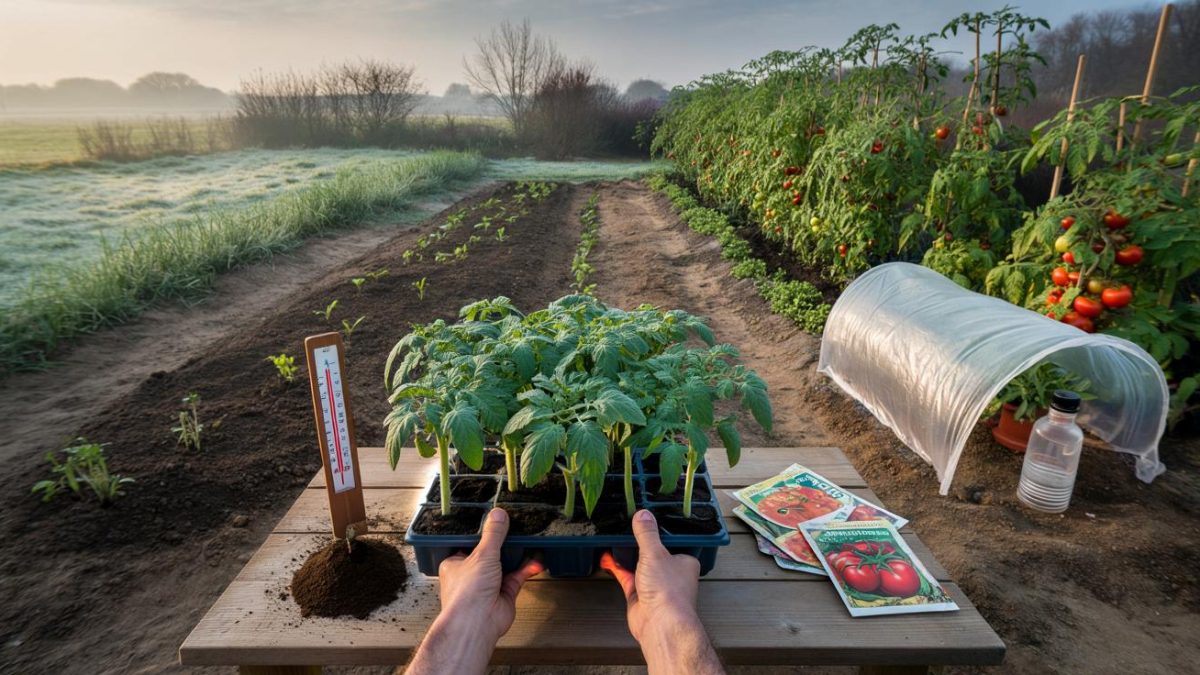
Ah, the sweet smell of spring and the allure of fresh tomatoes! As the sun warms the air, gardeners across the land are eager to get their hands dirty and start sowing those delectable fruits. But hold on tight – rushing into the garden too soon could spell disaster for your tomato harvest.
The temptation is understandable. With the first signs of spring, our gardening instincts kick into high gear. We can’t wait to feel that soft, rich soil and watch the tiny seedlings sprout. But patience, my friends, is the key to a bountiful tomato crop.
The Springtime Trap: Cold Soil, Warm Air
The magic combination of soil and air temperature is crucial when it comes to tomatoes. While the sun may be shining and the air feels pleasantly warm, the ground can still be chilly, especially in the early spring. Planting too soon can shock the tender seedlings, stunting their growth or even leading to their demise.
Tomatoes thrive in warm conditions, both above and below ground. Sowing them too early, before the soil has had a chance to properly warm up, can leave them vulnerable to a host of problems – from slow germination to disease and pest infestations.
Patience truly is a virtue in the vegetable garden. By waiting a few extra weeks, you’ll give your tomatoes the best possible start, ensuring a healthy, bountiful harvest.
Timing is Everything: Knowing When to Plant
So, when is the perfect time to sow your tomato seeds? The answer can vary depending on your local climate, but a good rule of thumb is to wait until the soil temperature reaches at least 60°F (15°C) before planting. This usually coincides with the last frost date in your area, but it’s always a good idea to double-check.
Use a soil thermometer to monitor the temperature, and be patient. It may take a few extra weeks, but your tomatoes will thank you in the long run. Once the soil is warm enough, you can start sowing with confidence, knowing that your plants will have the best possible start.
Remember, rushing the process can lead to disappointment, while a little extra waiting can mean the difference between a mediocre crop and a bountiful one.
Protecting Your Tomatoes from Unpredictable Weather
Even after you’ve waited patiently for the soil to warm up, Mother Nature can still throw a curveball. Unexpected cold snaps or late frosts can wreak havoc on your tender tomato plants, setting them back or even killing them outright.
To safeguard your investment, it’s a good idea to have a plan in place for protecting your tomatoes. This might involve using row covers, cloches, or even moving your plants indoors during particularly chilly nights. By being proactive and keeping a close eye on the forecast, you can minimize the risk of weather-related setbacks.
Remember, a little extra effort now can pay off in spades later, when you’re harvesting juicy, flavorful tomatoes from your thriving plants.
The Secret to Successful Tomato Sowing
The key to growing exceptional tomatoes lies not just in the sowing, but in the preparation. Take the time to ensure your soil is rich, well-draining, and ready to support your plants. Amend it with compost or other organic matter to create the perfect growing medium.
Additionally, consider starting your tomato seeds indoors a few weeks before your target planting date. This gives the seedlings a head start and allows you to monitor their growth closely. Just be sure to harden them off gradually before transplanting them outside.
With a little forethought and a lot of patience, you can set your tomato plants up for success, ensuring a bountiful harvest that’s well worth the wait.
Reaping the Rewards of Delayed Gratification
It may not be the most exciting advice, but the truth is that patience truly is a virtue when it comes to growing tomatoes. By resisting the urge to rush and taking the time to do it right, you’ll be rewarded with a thriving, productive garden.
Remember, a few extra weeks of waiting can mean the difference between a mediocre crop and a truly exceptional one. So take a deep breath, savor the anticipation, and trust that your tomatoes will repay your patience tenfold when they start producing those juicy, flavorful fruits.
After all, the journey is just as important as the destination. Enjoy the process, and your tomatoes will be all the sweeter for it.
Frequently Asked Questions
When is the best time to start sowing tomato seeds?
The ideal time to start sowing tomato seeds is when the soil temperature reaches at least 60°F (15°C), which usually coincides with the last frost date in your area. Using a soil thermometer can help you determine the perfect planting time.
What happens if I plant my tomatoes too early?
Planting tomatoes before the soil has had a chance to warm up can shock the tender seedlings, leading to slow growth, disease, and even plant death. It’s important to wait patiently for the right soil temperature before sowing.
How can I protect my tomato plants from unpredictable weather?
To safeguard your tomato plants from unexpected cold snaps or late frosts, consider using row covers, cloches, or even moving them indoors during particularly chilly nights. Staying on top of the weather forecast can help you be proactive in protecting your investment.
- ➡Ayurveda-Hype entzaubert: Warum Shilajit kaum hält, was Instagram verspricht
- ➡Forscher finden „Katzenzungen-Pflanze“ in Indonesien – und warnen vor ihrem Verschwinden
- ➡Oster-Schoko-Trick: An diesem Datum zahlen Sie im Supermarkt nur die Hälfte
- ➡Darum sollten Sie Gänseblümchen im Rasen niemals ausreißen
What steps can I take to ensure a successful tomato harvest?
In addition to waiting for the right planting time, prepare your soil by amending it with compost or other organic matter, and consider starting your tomato seeds indoors a few weeks before transplanting them outside. Taking the time to properly care for your plants will pay off in the long run.
Why is patience so important when growing tomatoes?
Patience is key because rushing the process can lead to stunted growth, disease, and a lower yield. By waiting a few extra weeks for the soil to warm up, you’ll give your tomato plants the best possible start, ensuring a bountiful and flavorful harvest.
How can I tell if my soil is warm enough for planting?
Use a soil thermometer to check the temperature. Aim for a soil temperature of at least 60°F (15°C) before sowing your tomato seeds. This usually coincides with the last frost date in your area, but it’s always a good idea to double-check.
What are the benefits of starting tomato seeds indoors?
Starting your tomato seeds indoors a few weeks before your target planting date gives the seedlings a head start and allows you to monitor their growth closely. This can help ensure a stronger, healthier plant that’s better equipped to thrive once transplanted outside.
How can I tell if my tomato plants are ready to be transplanted outside?
When your tomato seedlings are about 6-8 inches tall and have developed a strong root system, they’re ready to be transplanted outside. Be sure to harden them off gradually by exposing them to the outdoor conditions over the course of a week or two before planting them in the garden.