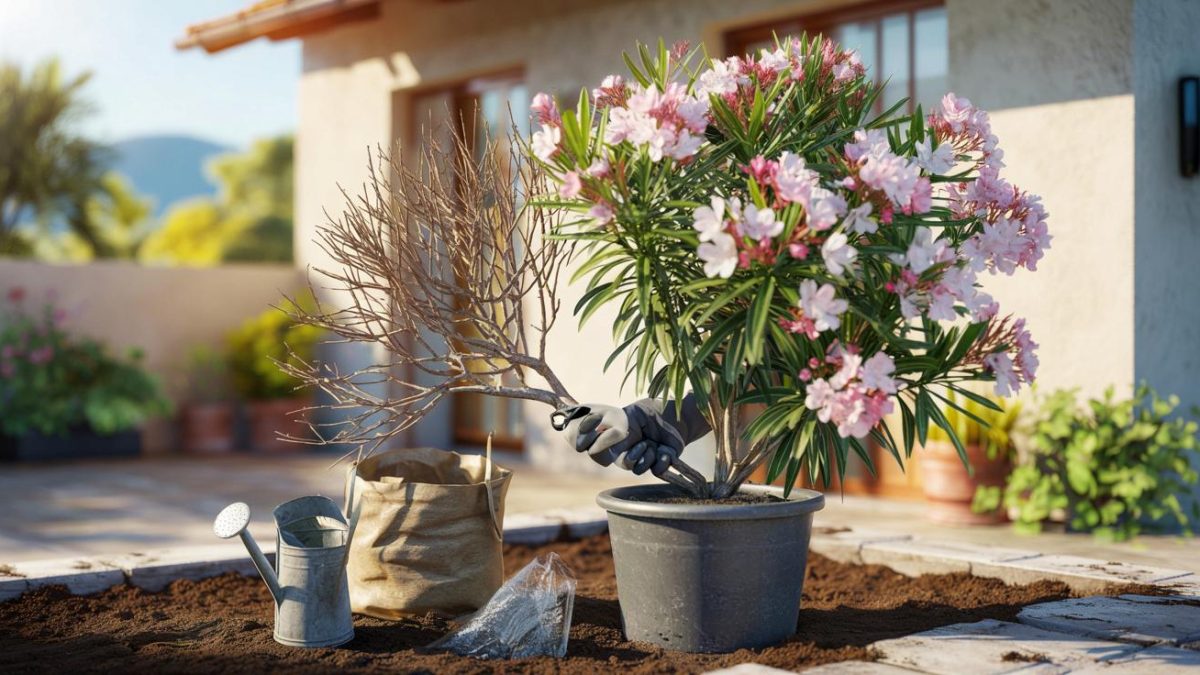
As the winter chill fades and spring blossoms, many gardeners eagerly await the return of their beloved oleander plants. However, the sight of bare, lifeless branches and mushy leaves can be disheartening. But fear not, with the right tricks and techniques, your oleander can bounce back and bloom more vibrantly than ever before.
The oleander, a classic symbol of Mediterranean charm, is notorious for its sensitivity to harsh winter conditions. After months of dormancy, coaxing this resilient plant back to life can seem like a daunting task. But with a little knowledge and a gentle touch, you can revive your oleander and enjoy its stunning floral display once again.
Assessing the Damage and Reviving the Plant
The first step in rejuvenating your oleander is to carefully inspect the plant and assess the extent of the damage. Look for any signs of life, such as green buds or supple stems. If the plant appears completely lifeless, don’t lose hope just yet – there may still be hope for a comeback.
Gently prune away any dead or damaged foliage, ensuring you’re not cutting into any healthy tissue. This will allow the plant to focus its energy on new growth rather than maintaining the withered parts. Be patient and take your time, as oleanders can be slow to recover from harsh conditions.
Once you’ve removed the dead material, it’s time to give your oleander a much-needed boost. Repot the plant in fresh, nutrient-rich soil, ensuring the roots have plenty of room to spread and thrive. This will provide the necessary nourishment to kickstart the recovery process.
Striking the Right Balance: Watering and Sunlight
Oleanders are delicate when it comes to water management, and finding the right balance is crucial for their revival. Overwatering can lead to root rot and other issues, while underwatering can cause the plant to wither and struggle.
Monitor the soil moisture closely, allowing it to partially dry out between waterings. When you do water, ensure the soil is thoroughly saturated, but be mindful of avoiding standing water. Adjust your watering schedule based on the plant’s response and the prevailing weather conditions.
Equally important is providing your oleander with the right amount of sunlight. These Mediterranean natives thrive in full sun, so make sure to position your plant in a spot that receives at least six hours of direct sunlight per day. If necessary, consider relocating the plant to a sunnier location to give it the best chance of a full recovery.
Pruning and Fertilizing for Optimal Growth
Proper pruning is essential for encouraging the oleander’s recovery and promoting a lush, abundant bloom. After the initial cleanup, continue to regularly trim away any dead or damaged growth, as well as any wayward or unruly branches.
This strategic pruning will not only tidy up the plant’s appearance but also redirect its energy into new, healthy growth. Be mindful of the timing, as oleanders respond best to pruning in early spring, just before the active growing season begins.
To further support the plant’s revival, supplement its nutrient intake with a balanced, slow-release fertilizer. This will provide a steady supply of essential nutrients, helping the oleander rebound and thrive. Follow the manufacturer’s instructions carefully, as overdosing can be detrimental to the plant’s health.
Combating Common Pests and Diseases
Oleanders are susceptible to a range of pests and diseases, which can further compromise the plant’s recovery. Keep a watchful eye for signs of infestations or infections, such as discolored leaves, wilting foliage, or the presence of insects.
If you notice any concerning issues, address them promptly with the appropriate organic or natural solutions. Avoid using harsh chemicals, as they can potentially damage the delicate plant. Instead, explore gentler, environmentally friendly options that won’t jeopardize the oleander’s progress.
Regular monitoring and proactive care will help ensure your oleander emerges from the winter unscathed and ready to dazzle with its vibrant blooms.
Patience and Persistence: Nurturing the Oleander’s Recovery
Reviving an oleander after a harsh winter is a labor of love, but the reward is well worth the effort. Be patient and persistent, as these plants can take time to fully recover and regain their former glory.
Trust in the resilience of the oleander, and with the right combination of care, attention, and a little bit of luck, you’ll be rewarded with a lush, thriving plant that will bring a touch of Mediterranean charm to your outdoor space.
So, embrace the challenge, roll up your sleeves, and get ready to witness the remarkable transformation of your oleander as it blossoms back to life.
Expert Insights: Unlocking the Secrets of Oleander Rejuvenation
“The key to reviving an oleander after a tough winter is to approach the process with a gentle, nurturing hand. These plants are resilient, but they require a delicate touch to coax them back to full health.” – Sarah Jennings, horticulturist and oleander specialist
“One of the most common mistakes gardeners make is being too aggressive with pruning. It’s important to remove only the truly dead or damaged parts, and to do so with care to avoid further stressing the plant.” – Dr. Emma Lowe, plant pathologist
“Balancing water and light requirements is crucial for the oleander’s recovery. Pay close attention to the soil moisture and ensure the plant is getting the right amount of sunlight, and you’ll see the rewards in the form of a vibrant, blooming plant.” – Michael Sinclair, landscape designer
Remember, with the right approach and a little bit of patience, your oleander can bounce back from even the harshest of winters, rewarding you with a stunning display of color and Mediterranean charm.
Preparing for Next Winter: Preventative Measures
As the saying goes, an ounce of prevention is worth a pound of cure. When it comes to protecting your oleander from the ravages of winter, taking proactive steps can make all the difference in ensuring its long-term health and vigor.
Consider providing your oleander with additional protection, such as covering it with a lightweight fabric or moving it to a sheltered location during the colder months. This can help insulate the plant and minimize the risk of damage from frost, wind, or heavy snowfall.
Additionally, be mindful of the plant’s overall health and vigor throughout the growing season. Maintaining a balanced nutrient regimen, controlling pests and diseases, and providing optimal growing conditions will all contribute to the oleander’s ability to withstand the winter’s challenges.
- ➡Mercosur-Zoff: Dürfen Supermärkte das Handelsabkommen einfach ignorieren?
- ➡Alte Postkarten vom Flohmarkt: So finden Sie Briefmarken über 100.000 Euro
- ➡Auf dem Sterbebett gestand mir meine Mutter, dass sie aus Neid meinen Verlobten vertrieben hat
- ➡Diese unscheinbare Pflanze macht deinen Gartenboden im Winter turbo-fit
Celebrating the Oleander’s Resilience and Beauty
The oleander’s ability to bounce back from the harshest of winters is a testament to its remarkable resilience and adaptability. By understanding the plant’s needs and providing it with the care and attention it requires, you can ensure that your oleander will continue to grace your outdoor space with its stunning blooms for years to come.
Embrace the challenge of reviving your oleander, and take pride in the journey of nurturing it back to health. With a little bit of effort and a whole lot of love, you’ll be rewarded with the vibrant, Mediterranean-inspired display that makes the oleander such a cherished garden companion.
So, roll up your sleeves, get your hands dirty, and prepare to witness the remarkable transformation of your oleander as it blossoms back to life, ready to captivate and delight once again.
FAQ
How do I know if my oleander is still alive after the winter?
Carefully inspect the plant for any signs of green buds or supple stems. If the plant appears completely lifeless, it may still have hope for a comeback with proper care and attention.
What’s the best way to prune an oleander after the winter?
Prune away any dead or damaged foliage, but be gentle and avoid cutting into healthy tissue. Aim to remove only the parts that are clearly beyond saving.
How much water does an oleander need during the recovery process?
It’s important to find the right balance between overwatering and underwatering. Allow the soil to partially dry out between waterings, and thoroughly soak the soil when you do water.
How much sunlight does an oleander require?
Oleanders thrive in full sun, so make sure your plant is getting at least 6 hours of direct sunlight per day. If needed, consider relocating it to a sunnier spot.
What kind of fertilizer should I use for my recovering oleander?
Use a balanced, slow-release fertilizer to provide a steady supply of essential nutrients. Follow the manufacturer’s instructions carefully to avoid over-fertilizing.
- ➡Zurück ins Lauftraining: Die einfache 10-Prozent-Regel rettet deine Knie
- ➡Audi Q3 gegen BMW X1: welcher Premium‑SUV lohnt sich 2026 wirklich?
- ➡Diese Morgenroutine aus fünf einfachen Bewegungen hilft Menschen über 65, ihre Gelenke beweglich zu halten
- ➡Dieser Supermarkt-Lachs holt 94 von 100 Punkten – lohnt sich der Griff aus der Tiefkühltruhe?
How can I protect my oleander from pests and diseases?
Regularly inspect the plant for signs of infestations or infections, and address any issues promptly using organic or natural solutions. Avoid harsh chemicals that could further damage the plant.
When is the best time to prune an oleander?
Oleanders respond best to pruning in early spring, just before the active growing season begins.
How can I prevent my oleander from suffering damage in the next winter?
Consider providing additional protection, such as covering the plant or moving it to a sheltered location during the colder months. Maintaining the plant’s overall health and vigor throughout the growing season can also help it better withstand winter challenges.