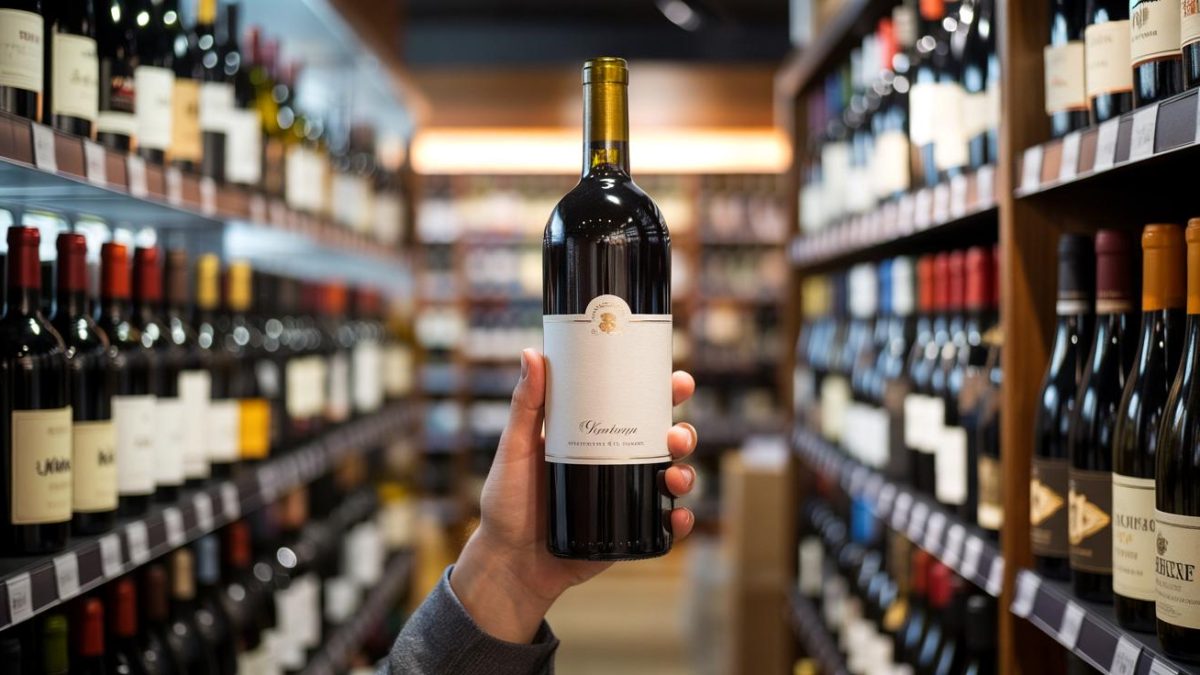
You’ve been there before – staring at the wine aisle, overwhelmed by the seemingly endless selection of bottles. With so many options, how do you know which one to choose? The key lies in mastering the art of reading wine labels. In just 10 seconds, you can uncover a wealth of information that will guide you to the perfect bottle for any occasion.
Wine labels are like a treasure trove of insights, if you know where to look. From the region and grape variety to the vintage and alcohol content, every detail on that unassuming label can tell you something about the wine’s character and quality. With a little know-how, you can become a wine label reading pro and impress your friends and family with your impeccable wine selections.
Decoding the Region: Your Roadmap to Flavor
The region where a wine is produced can reveal a lot about its style and character. Look for designations like AOC (Appellation d’Origine Contrôlée) in France, DOC (Denominazione di Origine Controllata) in Italy, or AVA (American Viticultural Area) in the United States. These labels indicate the specific geographic area where the grapes were grown, and they often come with strict regulations on grape varieties, production methods, and quality standards.
Beyond the official designations, the region can also give you clues about the wine’s flavor profile. For example, a Bordeaux from France is likely to have a more structured, tannic style, while a Pinot Noir from Oregon may be more delicate and fruit-forward. Familiarizing yourself with the characteristics of different wine regions can be a game-changer when it comes to selecting the perfect bottle.
As you scan the label, keep an eye out for any references to the specific subregion or even the individual vineyard where the grapes were grown. These details can provide valuable insights into the wine’s unique terroir, or the combination of soil, climate, and other environmental factors that shape the final product.
Mastering the Vintage: When Age Matters
The vintage, or the year the grapes were harvested, is another crucial piece of information on the wine label. While some wines are designed to be enjoyed immediately, others benefit from a bit of aging. A younger vintage may be more fruit-forward and lively, while an older one can showcase more complex, nuanced flavors.
As a general rule, lighter-bodied wines like Pinot Grigio or Sauvignon Blanc are best enjoyed within a few years of the vintage, while fuller-bodied reds like Cabernet Sauvignon or Malbec can often age gracefully for a decade or more. Understanding the optimal drinking window for different wine styles can help you choose a bottle that will deliver the perfect taste experience.
Keep in mind that vintage quality can also vary from year to year, so it’s worth doing a bit of research on the specific vintage you’re considering. A quick online search or consultation with a knowledgeable wine professional can give you valuable insights into how that particular year’s growing conditions have affected the wine’s character.
- ➡Mit dem Rad über Eis und Schnee: Diese 5 Tricks verhindern Stürze
- ➡Flugangst? So beruhigt eine erfahrene Stewardess selbst panische Passagiere
- ➡Mehr essen, weniger wiegen: Wie unverarbeitete Lebensmittel Pfunde schmelzen lassen
- ➡Hund jagt verzweifelt Auto hinterher – Fahrerin reagiert im letzten Moment
Navigating the Grape Varieties: From Chardonnay to Malbec
The grape varieties listed on the wine label are a direct reflection of the wine’s flavor profile. Familiarizing yourself with the key grape varieties and their characteristics can be a game-changer when it comes to making informed wine selections.
For example, Chardonnay is known for its creamy, full-bodied style, while Sauvignon Blanc is often crisp and herbaceous. Cabernet Sauvignon is typically bold and tannic, while Pinot Noir is more delicate and fruit-forward. Knowing these distinctions can help you match the right wine to your personal taste preferences and the dish you’re planning to serve.
Don’t be afraid to experiment and try new grape varieties – it’s the best way to expand your wine knowledge and discover new favorites. With a little practice, you’ll be able to spot the key grape varieties at a glance and use that information to guide your wine selections with confidence.
Unlocking the Alcohol Content: Finding the Right Balance
The alcohol content, typically expressed as a percentage on the wine label, can also provide valuable insights into the wine’s style and character. Higher-alcohol wines (typically above 14%) tend to be fuller-bodied and more robust, while lower-alcohol wines (usually below 12.5%) are often more delicate and refreshing.
The alcohol content can also give you a clue about the wine’s overall balance and structure. Higher-alcohol wines may have a more pronounced “warmth” or mouthfeel, while lower-alcohol wines often have a more subtle, elegant profile. Considering the alcohol content in relation to the wine’s other characteristics can help you determine whether it will be a good match for your personal preferences and the meal you’re planning to enjoy it with.
Keep in mind that the alcohol content can vary depending on the grape variety, the region, and the winemaker’s style. As you become more familiar with different wine styles, you’ll develop a better understanding of how the alcohol level contributes to the overall taste experience.
Putting it All Together: Making an Informed Choice
Now that you’ve mastered the art of reading wine labels, it’s time to put your newfound knowledge into practice. The next time you’re standing in the wine aisle, take a few moments to carefully examine the labels and let the information guide your selection.
Consider the region, the grape varieties, the vintage, and the alcohol content, and think about how those elements will complement the food you’re planning to serve or the occasion you’re celebrating. With a little bit of practice, you’ll be able to make an informed, confident choice that will impress your guests and delight your palate.
- ➡Bad neu denken: 5 starke Ideen, die 2026 jedes Badezimmer modern machen
- ➡Hochbezahlter Job geplatzt: Bewerber sagt ab, weil Firma Windows 11 vorschreibt
- ➡Brustkrebs-Schock: Warum immer mehr junge Frauen betroffen sind
- ➡Warum britische Gärten im Winter voller Vögel sind – und was wir daraus lernen können
Remember, the key to selecting the perfect wine is not about finding the most expensive or the fanciest-looking bottle – it’s about understanding what’s inside and how it will pair with your specific needs and preferences. By taking the time to read the label, you’re unlocking a world of flavor and enjoying the journey of wine exploration.
Expert Insights: Unlocking the Secrets of Wine Labels
“The information on a wine label is like a roadmap to the wine’s character and quality. By learning to read those labels, you can become a much more informed and confident wine shopper.” – Sarah Heller, Master of Wine and wine educator
“When it comes to wine, the vintage and the region are two of the most important pieces of information you can glean from the label. These details can give you valuable insights into the wine’s flavor profile and how it will age.” – Miguel Torres, winemaker and president of Torres Wines
“The alcohol content on the label can be a useful indicator of a wine’s style and body. Higher-alcohol wines tend to be bolder and more full-bodied, while lower-alcohol wines are often more delicate and refreshing.” – Karen MacNeil, author of “The Wine Bible”
Also Read
- ➡Alzheimer-Schock: Forscher finden riskantes Duell zweier Hirnproteine
- ➡Gefriergetrocknete Erdbeeren im Check: Trend-Snack oder Zuckerfalle?
- ➡Genialer Backtrick: Mit diesen 3 Handgriffen bekommt jeder Kuchen eine perfekte Wölbung
- ➡Diese 5 gefährlichen Persönlichkeitszüge erhöhen deutlich das Schizophrenie-Risiko
A Handy Guide to Decoding Wine Labels
| Label Element | What It Tells You |
|---|---|
| Region | The specific geographic area where the grapes were grown, which can indicate the wine’s style and character. |
| Grape Variety | The type of grape(s) used in the wine, which can give you clues about the wine’s flavor profile. |
| Vintage | The year the grapes were harvested, which can affect the wine’s maturity and drinking window. |
| Alcohol Content | The percentage of alcohol in the wine, which can indicate the wine’s body and structure. |
Decoding Wine Labels: A Cheat Sheet
| Label Term | What It Means |
|---|---|
| AOC (France) | Appellation d’Origine Contrôlée: A designation for wines produced in a specific geographic region with strict regulations on grape varieties and production methods. |
| DOC (Italy) | Denominazione di Origine Controllata: The Italian equivalent of the French AOC system, indicating a wine’s origin and quality standards. |
| AVA (USA) | American Viticultural Area: A designated wine grape-growing region in the United States with defined geographic boundaries. |
| IGP (Europe) | Indication Géographique Protégée: A European designation for wines that don’t meet the strict requirements for an AOC or DOC but still have a strong regional identity. |
Pairing the Perfect Wine: A Quick Guide
Now that you’ve mastered the art of reading wine labels, it’s time to put your newfound knowledge to use. Here are a few quick tips on how to pair the right wine with different occasions and dishes:
For a casual dinner with friends, consider a medium-bodied red like a Malbec or a Tempranillo, or a crisp, refreshing white like a Sauvignon Blanc or a Pinot Grigio.
- ➡Ab wann Ihre Betriebszugehörigkeit einen Extra-Monatslohn wert ist
- ➡Wasser dringt durch Nachbarwand in Ihr Haus „die Feuchtigkeit breitet sich aus“ wer verantwortlich ist und wer zahlen muss
- ➡Mit 78 Jahren Aquagym ausprobieren: Wie Wassertraining Gelenke entlastet und Muskeln aktiviert
- ➡AI stellt unsere Fingerabdrücke auf den Kopf – Gefahr für Verbrecher?
When hosting a formal dinner party, opt for a more complex, full-bodied red like a Cabernet Sauvignon or a Bordeaux blend, or a rich, buttery Chardonnay to complement your menu.
For a romantic evening, a lighter, fruit-forward red like a Pinot Noir or a Gamay can set the mood, or a sparkling wine like a Prosecco or a Cava can add a touch of elegance.
And for those spontaneous, last-minute wine selections, remember to look for wines with a balance of fruit, acidity, and structure that will pair well with a variety of dishes. A versatile Rioja or a Chianti Classico can be a safe bet in a pinch.
Frequently Asked Questions
What do the letters AOC, DOC, and AVA mean on a wine label?
These are regional designations that indicate where the grapes for the wine were grown. AOC stands for Appellation d’Origine Contrôlée (France), DOC stands for Denominazione di Origine Controllata (Italy), and AVA stands for American Viticultural Area (United States).
- ➡Warum ein kurzer Spaziergang im Grünen laut Psychologen Stress schneller abbauen kann als ein intensives Workout im Fitnessstudio
- ➡Make-up-Profi warnt: Auf diese Gesichtsstellen gehört fast kein Make-up
- ➡4 elegante Sätze, mit denen Sie Neugierige höflich ausbremsen
- ➡Bauchfett killen für 16,99 €: Dieses Decathlon-Gerät ersetzt zwei Trainingshilfen
How important is the vintage year on a wine label?
The vintage year can be very important, as it can indicate the overall quality and maturity of the wine. Younger vintages are often more fruit-forward and vibrant, while older vintages may have more complex, nuanced flavors.
What does the alcohol percentage on a wine label tell me?
The alcohol percentage can provide insights into the wine’s body and structure. Higher-alcohol wines (above 14%) tend to be fuller-bodied and more robust, while lower-alcohol wines (below 12.5%) are often more delicate and refreshing.
How can I tell if a wine is dry or sweet?
The wine label may not always explicitly state whether a wine is dry or sweet. However, you can look for clues like the grape variety (e.g., Riesling is often associated with sweeter styles) or any residual sugar information on the label.
What do the terms IGP and Vins de Pays mean?
IGP stands for Indication Géographique Protégée, a European designation for wines that don’t meet the strict requirements for an AOC or DOC but still have a strong regional identity. Vins de Pays is a similar designation used in France for regional wines.
- ➡Schlafapnoe erstmals per Tablette behandelbar: Studie zeigt 47 Prozent weniger Atemaussetzer
- ➡Mit 62 Jahren: Wie ein Rentner seine Rente legal um 400 Euro steigerte
- ➡Chanel-Show in Paris: Inès de la Fressange macht die weiße Hose wieder heiß
- ➡Monty Don überrascht Gärtner: Diesen Strauch jetzt pflanzen, nicht Saatgut
How can I tell if a wine will pair well with a particular dish?
Consider the wine’s body, acidity, and flavor profile in relation to the dish’s ingredients and preparation. For example, a light, crisp white wine like Sauvignon Blanc can complement a delicate seafood dish, while a bold, tannic red like Cabernet Sauvignon might pair well with a hearty steak.
What are some common grape varieties I should know?
Some of the most popular and widely recognized grape varieties include Chardonnay, Sauvignon Blanc, Cabernet Sauvignon, Merlot, Pinot Noir, Syrah, and Riesling. Familiarizing yourself with the characteristics of these grapes can help you make more informed wine selections.
How do I know if a wine is suitable for aging?
Look for wines with higher alcohol content, firm tannins, and good acidity, as these structural elements can help the wine develop and mature over time. Certain grape varieties, such as Cabernet Sauvignon, Nebbiolo, and Barolo, are also known for their aging potential.
Can I trust the information on the wine label?
Wine labels are generally reliable sources of information, as they are subject to regulations and labeling requirements in most regions. However, it’s always a good idea to do some additional research or consult with a wine expert if you have any doubts about the accuracy of the information provided.
- ➡Beliebter Winter-Fehler im Garten: Warum Futterknödel Vögel töten können
- ➡Genialer Gartentrick: Mit einem Küchenabfall zu prachtvollen Hortensien
- ➡Genialer Küchenreiniger-Trick ersetzt teuren Hochdruckreiniger für die Einfahrt
- ➡5 heimliche Verhaltensmuster, die verraten: Dieser Mensch ist nie erwachsen geworden