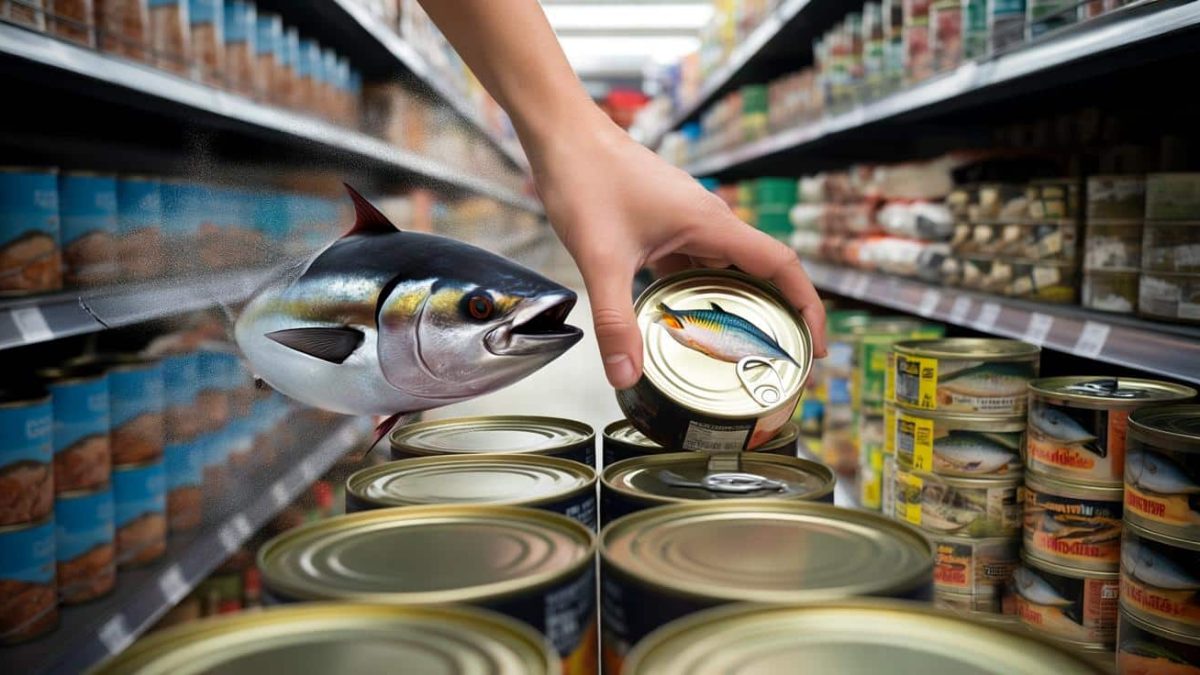
As a health-conscious consumer, you’ve probably noticed the growing concerns surrounding mercury levels in certain types of seafood, particularly canned tuna. A recent analysis of 148 tuna cans across Europe has revealed a startling finding: every single sample contained traces of mercury, with some reaching concerning levels.
This news is certainly alarming, but it’s important to understand the nuances behind this issue. The type of tuna used, its origin, and the specific processing methods can all play a significant role in the mercury content. By making informed choices at the supermarket, you can ensure your tuna intake is both delicious and safe.
Understanding the Mercury Levels in Canned Tuna
Mercury is a naturally occurring element that can accumulate in the tissues of larger predatory fish, such as tuna, due to their position at the top of the food chain. While small amounts of mercury are not necessarily harmful, prolonged exposure or high levels can pose serious health risks, especially for vulnerable populations like pregnant women and children.
The study found that certain types of tuna, such as yellowfin and albacore, tend to have higher mercury concentrations compared to skipjack tuna. This is likely due to their longer lifespan and larger size, which allows them to accumulate more mercury over time.
It’s important to note that the mercury levels can also vary depending on the tuna’s geographical origin and the specific processing techniques used by the canning companies. Some regions may have higher levels of environmental mercury contamination, while certain processing methods may not effectively remove or reduce the mercury content.
Choosing the Right Tuna for Your Health
| Tuna Type | Average Mercury Level | Recommended Intake |
|---|---|---|
| Skipjack | Lower | 2-3 servings per week |
| Yellowfin | Higher | 1 serving per week |
| Albacore (white) | Highest | 1 serving per month |
When selecting canned tuna, it’s best to opt for skipjack tuna, which generally has the lowest mercury levels. Limit your consumption of albacore (or “white”) tuna, as it tends to have the highest mercury content. For pregnant women and young children, it’s especially important to choose low-mercury options and follow the recommended intake guidelines.
In addition to the tuna type, consider the source and processing methods. Look for cans that specify the origin of the tuna, as well as any certifications or labels that indicate sustainable and responsible fishing practices. Some companies may also use specialized techniques to further reduce the mercury content in their products.
- ➡Meteorit im Vorgarten: So viel sind Brocken wert und wer für Schäden zahlt
- ➡Blumen dekorieren wie ein Profi: So funktioniert die geniale 3-5-8-Regel
- ➡Schock nach Waldspaziergang: Warum Zecken den alten Schutz-Halsbanden entkommen
- ➡Einmal pflanzen, jedes Jahr staunen: diese Stauden gießen sich fast von selbst
Balancing the Benefits and Risks of Tuna Consumption
Tuna is a nutritious and versatile seafood choice, providing a wealth of health benefits. It’s an excellent source of protein, omega-3 fatty acids, and various essential vitamins and minerals. However, the mercury concerns cannot be ignored, and it’s crucial to find the right balance between enjoying the benefits of tuna and minimizing the potential risks.
For most adults, consuming tuna in moderation, with a focus on lower-mercury varieties, is generally safe and can be part of a healthy diet. But for certain groups, such as pregnant women, young children, and individuals with pre-existing health conditions, it’s essential to be more cautious and follow the recommended intake guidelines.
By staying informed and making mindful choices at the supermarket, you can continue to enjoy the delicious and nutritious benefits of tuna while effectively managing the mercury risks. Remember, a balanced and varied diet that includes a variety of seafood, as well as other protein sources, is the key to maintaining optimal health.
Exploring Alternative Seafood Options
If you’re concerned about the mercury levels in tuna, or simply want to diversify your seafood intake, there are plenty of other delicious and nutritious options to consider. Some alternative seafood choices that are generally lower in mercury include salmon, sardines, anchovies, and herring.
These fish not only offer similar health benefits to tuna, but they also tend to be more sustainable and environmentally friendly. By incorporating a wider range of seafood into your diet, you can enjoy a diverse array of flavors and nutrients while minimizing your exposure to mercury.
It’s important to note that while these alternative seafood options are generally lower in mercury, it’s still important to be mindful of your overall intake and follow any specific recommendations for your age, health status, or dietary needs.
The Importance of Staying Informed and Vigilant
The ongoing research and reporting on mercury levels in seafood serve as a reminder that we must remain vigilant and well-informed as consumers. As new studies and findings emerge, it’s crucial to stay up-to-date on the latest information and make adjustments to your seafood consumption accordingly.
By being proactive and making informed choices, you can continue to reap the benefits of tuna and other seafood while minimizing your exposure to potentially harmful contaminants. Remember, your health and well-being should always be the top priority when it comes to your dietary decisions.
“Staying informed and making smart choices when it comes to seafood consumption is essential for maintaining good health. The study on mercury levels in canned tuna serves as a wake-up call for consumers to be more mindful of their tuna intake and explore alternative options.”
– Dr. Sarah Janssen, environmental health expert
“This study highlights the importance of transparency and accountability in the seafood industry. Consumers deserve to have access to accurate information about the sources and processing methods used for the tuna they purchase.”
– Emma Walters, marine conservation advocate
“While the findings on mercury levels in canned tuna are concerning, I’m encouraged to see consumers becoming more aware of these issues. By making informed choices, we can continue to enjoy the health benefits of seafood while minimizing the risks.”
– Dr. Michael Greger, nutritionist and author
FAQs: Navigating the Tuna Aisle with Confidence
What is the main source of mercury in canned tuna?
Mercury is a naturally occurring element that can accumulate in the tissues of larger predatory fish, such as tuna, due to their position at the top of the food chain. The longer the lifespan and larger the size of the tuna, the more mercury it can accumulate over time.
How can I identify low-mercury tuna options in the supermarket?
Look for cans that specify the tuna type, with skipjack being the lowest in mercury, followed by yellowfin, and albacore (white tuna) being the highest. Also, check for labels or certifications that indicate sustainable and responsible fishing practices.
How much tuna is considered safe to consume?
The recommended intake varies depending on the type of tuna and your age or health status. Generally, adults can consume 2-3 servings of skipjack tuna per week, 1 serving of yellowfin tuna per week, and 1 serving of albacore tuna per month. Pregnant women and young children should be more cautious and limit their intake accordingly.
Are there any other seafood options that are low in mercury?
Yes, there are several alternative seafood choices that are generally lower in mercury, including salmon, sardines, anchovies, and herring. These fish can provide similar health benefits to tuna while offering a more diverse and sustainable seafood intake.
How can I ensure I’m getting the most up-to-date information on mercury levels in seafood?
Stay informed by regularly checking reputable sources, such as government health agencies and environmental organizations, for the latest research and recommendations on mercury levels in seafood. Be proactive in seeking out this information and adjusting your seafood consumption accordingly.
What are the potential health risks of consuming high-mercury tuna?
Prolonged exposure to high levels of mercury can lead to a range of health issues, including neurological problems, developmental delays in children, and increased risk of cardiovascular disease. It’s especially important for pregnant women and young children to limit their intake of high-mercury seafood.
Are there any steps I can take to reduce the mercury content in canned tuna?
Some canning companies may use specialized processing techniques to help reduce the mercury content in their products. Check the labels for any information on this, and consider reaching out to manufacturers for more details on their mercury-reduction methods.
How can I incorporate more diverse seafood options into my diet?
Experiment with different types of fish and shellfish, such as salmon, sardines, anchovies, and herring. Try new recipes and cooking methods to make these seafood options appealing and enjoyable. Gradually introducing a wider variety of seafood can help reduce your reliance on tuna and minimize your exposure to mercury.