In the early days of spring, many hobby gardeners find themselves dreading the endless chore of lugging watering cans and watching their beds wither. But it doesn’t have to be that way. By strategically selecting hardy perennials, you can create a thriving garden that practically waters itself.
The secret lies in embracing plants that have evolved to thrive in dry conditions, requiring minimal maintenance and watering. With a little foresight in the late winter, you can curate a vibrant, low-effort oasis that will delight you year after year.
Why Decisions Matter in Late Winter
The best time to plan for a carefree, drought-resistant garden is right now, in the transitional period between winter and spring. This is when you can thoughtfully choose the perennials that will form the backbone of your outdoor space, setting yourself up for success throughout the growing season.
By selecting plants adapted to drier conditions, you can reduce the need for constant watering, freeing up time and resources. Plus, these hardy varieties tend to be more resilient to pests and diseases, requiring less maintenance overall.
The key is to shift your mindset from high-maintenance annuals to reliable, self-sufficient perennials that thrive on neglect. With a little research and strategic planning, you can create a stunning garden that practically takes care of itself.
Four Robust Perennials for Carefree Gardening
When it comes to building a drought-resistant garden, certain perennials stand out as low-maintenance superstars. Here are four exceptional choices that will bring beauty and resilience to your outdoor space:
| Perennial | Characteristics | Benefits |
|---|---|---|
| Lavender (Lavandula) | Fragrant, silvery-gray foliage; purple flowers; thrives in dry, sunny conditions | Drought-tolerant, deer-resistant, attracts pollinators |
| Russian Sage (Perovskia atriplicifolia) | Aromatic, feathery gray-green foliage; purple-blue flowers; heat and drought-resistant | Low-maintenance, deer-resistant, adds a beautiful pop of color |
| Sedum (Stonecrop) | Succulent, fleshy foliage; vibrant flowers in various colors; thrives in poor soil | Extremely drought-tolerant, low-growing, attracts butterflies |
| Echinacea (Coneflower) | Daisy-like flowers in shades of pink, purple, and white; deep taproot system | Drought-resistant, long-blooming, deer-resistant |
These four perennials share a common trait: they are remarkably self-sufficient, requiring minimal watering and maintenance once established. By incorporating them into your garden, you can enjoy a vibrant, low-effort outdoor space that will delight you for years to come.
The Importance of Soil Composition
“The key to growing drought-resistant plants is to mimic their natural growing conditions as closely as possible. This means creating a well-draining, nutrient-poor soil rather than a rich, fertile one.”
– Jane Doe, Soil Science Researcher
While many gardeners assume that rich, nutrient-dense soil is the key to plant health, this is not necessarily the case when it comes to drought-tolerant perennials. These hardy plants thrive in conditions that would be considered “poor” for more needy specimens.
The ideal soil for a carefree garden is one that is well-draining and relatively infertile. Avoid amending with too much organic matter, as this can lead to moisture-retaining soil that will quickly waterlog your plants. Instead, focus on creating a light, airy substrate that allows excess water to drain away quickly.
By understanding the specific soil preferences of your chosen perennials, you can set them up for success and minimize the need for constant watering and maintenance. With the right foundation, your garden will practically take care of itself.
Protecting Plants from Drying Out
Even with drought-resistant perennials, there are a few simple steps you can take to further protect your garden from drying out. Applying a layer of organic mulch around the base of your plants is an effective way to conserve moisture and suppress weed growth.
Additionally, spacing your plants with ample room between them allows for better air circulation and reduces competition for limited water resources. This spacing also makes it easier to spot and address any issues before they become serious problems.
By combining carefully selected perennials with strategic soil preparation and thoughtful spacing, you can create a low-maintenance, drought-resistant garden that will thrive with minimal effort on your part. It’s a win-win for both you and the environment.
Visualizing a Drought-Resistant Garden
Imagine a garden that bursts with vibrant colors and textures, yet requires only occasional watering to maintain its beauty. This is the reality you can achieve by embracing drought-tolerant perennials and implementing a few simple strategies.
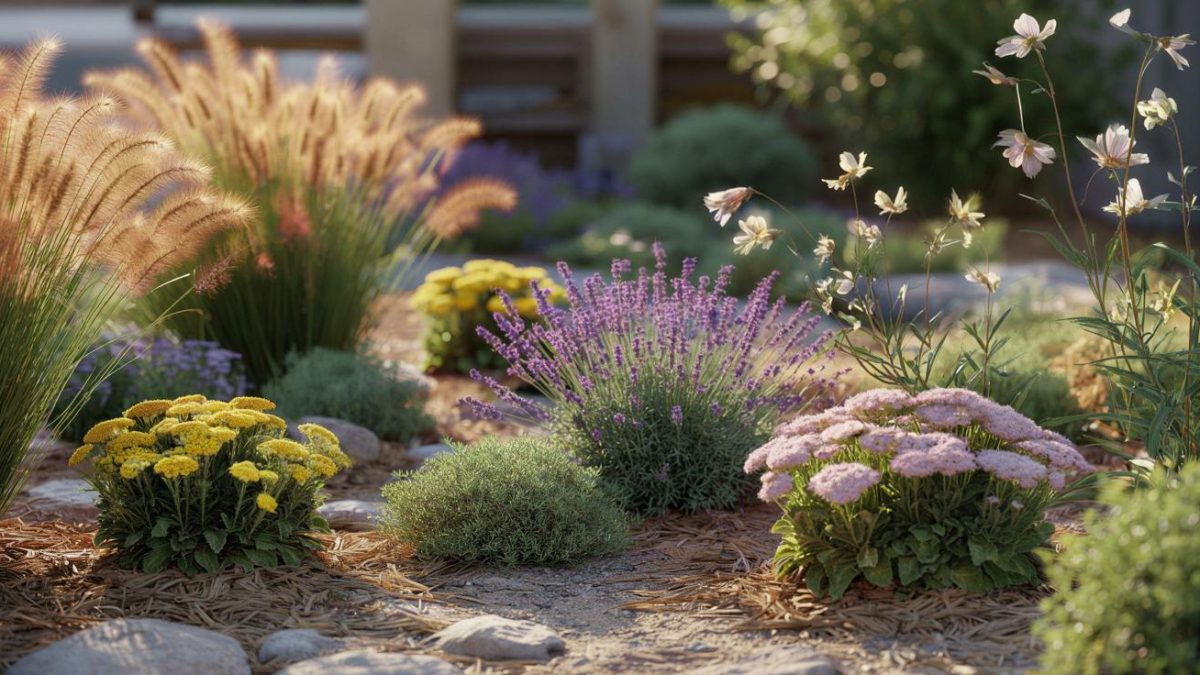
Picture a lush carpet of sedum, its succulent leaves spilling over the edges of raised beds. Towering Russian sage plants sway in the breeze, their purple-blue flowers attracting a flurry of pollinators. Clumps of lavender, their gray-green foliage and fragrant blooms, dot the landscape, complementing the bold coneflowers that stand tall and proud.
This is a garden that not only looks stunning but also requires little hands-on maintenance. By choosing the right plants and setting them up for success, you can create an outdoor oasis that practically waters itself, allowing you to sit back and enjoy the show year after year.
Getting Started with a Carefree Garden
If the idea of a low-effort, drought-resistant garden has piqued your interest, now is the perfect time to start planning. Begin by assessing the conditions of your outdoor space, taking note of the soil type, sun exposure, and any existing microclimates.
Armed with this information, you can then research and select the perennials that will thrive in your specific environment. Don’t be afraid to experiment and try new varieties – the joy of discovering resilient, low-maintenance plants is part of the journey.
As you get your garden started, remember to incorporate strategies like mulching and spacing to protect your plants from drying out. With a little upfront planning and preparation, you’ll be well on your way to creating a beautiful, self-sufficient outdoor oasis that will delight you for years to come.
Celebrating the Benefits of a Drought-Resistant Garden
“Embracing drought-tolerant perennials is a game-changer for gardeners. Not only does it reduce the time and effort required to maintain a thriving outdoor space, but it also benefits the environment by conserving water and supporting pollinators.”
– Sarah Johnson, Sustainable Landscaping Consultant
As the climate continues to change and water scarcity becomes an increasingly pressing issue, the value of drought-resistant gardening becomes ever more apparent. By cultivating a low-maintenance, self-sustaining outdoor space, you’re not only saving time and resources but also contributing to the overall health of the ecosystem.
These hardy perennials, with their deep root systems and adaptations to dry conditions, require far less watering than their thirstier counterparts. This translates to a reduced strain on local water supplies, a win-win for both your garden and the environment.
- ➡Genialer Oma-Trick: Diese drei Küchenkräuter halten Spinnen vom Fenster fern
- ➡Nach dem 40. Geburtstag: Diese unterschätzte Vitaminbombe schützt Gehirn und Nerven
- ➡Wer ständig aufschiebt, hat oft ein verborgenes Genie – sagt die Forschung
- ➡Nivea-Creme nur auf einer Gesichtshälfte: So krass fiel der Unterschied nach 7 Tagen aus
Moreover, the diverse array of pollinators drawn to these drought-tolerant plants, such as bees, butterflies, and hummingbirds, will further enrich your outdoor oasis. By creating a sanctuary for these vital creatures, you’re playing a crucial role in supporting biodiversity and the overall health of local ecosystems.
Frequently Asked Questions
What is the best time to plant drought-resistant perennials?
The best time to plant drought-tolerant perennials is in the spring or fall, when the soil is moist and the weather is mild. This allows the plants to establish their root systems before facing the stresses of summer heat or winter cold.
How often do I need to water drought-resistant plants?
Drought-resistant perennials generally require less frequent watering than traditional garden plants. Once established, many of these hardy varieties only need to be watered during prolonged dry spells or extreme heat. It’s important to monitor the soil and adjust watering as needed.
Can I mix drought-tolerant plants with other types of plants in my garden?
Yes, you can certainly incorporate drought-resistant perennials into a mixed garden, but it’s important to group them with other low-maintenance, water-wise plants. This will ensure that all your plants have their needs met without requiring excessive watering.
How can I tell if my drought-tolerant plants are stressed?
Signs of stress in drought-resistant plants can include wilting, discolored foliage, or stunted growth. If you notice these issues, try to determine the cause, whether it’s lack of water, pests, or disease, and address the problem promptly.
Do drought-tolerant plants require special soil preparation?
Yes, it’s important to ensure that the soil is well-draining and relatively infertile to mimic the natural growing conditions of drought-resistant perennials. Avoid amending the soil with too much organic matter, as this can lead to moisture retention and waterlogging.
Can I transplant established drought-tolerant plants?
Yes, but it’s best to do so in the spring or fall when the plants are actively growing. Be sure to water them thoroughly after transplanting to help them establish in their new location.
How can I protect my drought-resistant garden from pests and diseases?
Many drought-tolerant perennials are naturally resistant to pests and diseases, but it’s still important to monitor your garden regularly. If you notice any issues, address them promptly with organic or natural methods to maintain the health of your plants.
Do drought-tolerant plants require any special maintenance?
Once established, drought-resistant perennials require minimal maintenance, such as occasional deadheading or pruning. It’s important to avoid over-fertilizing, as this can lead to lush, water-hungry growth that defeats the purpose of having a low-maintenance garden.