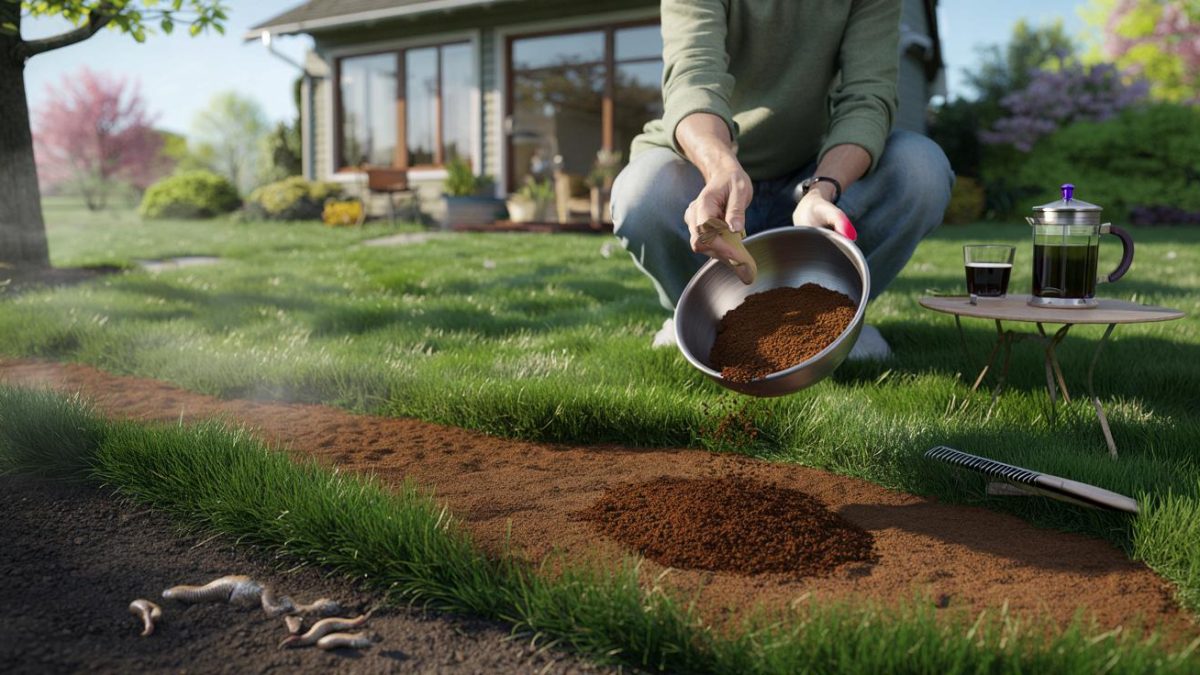
As the snow melts and the first blades of grass begin to emerge, many homeowners find themselves facing a frustrating dilemma: a patchy, lackluster lawn. With strict regulations on synthetic pesticides, the traditional chemical solutions are no longer viable options. However, a surprising and sustainable alternative is at hand – used coffee grounds.
Harnessing the power of this everyday kitchen byproduct could be the key to revitalizing your lawn this spring. But how exactly does coffee grounds work its magic, and what are the dos and don’ts of this natural lawn-care method? Prepare to ditch the harsh chemicals and embrace the unexpected benefits of a coffee-fueled garden transformation.
The Surprising Perks of Coffee Grounds for Lawn Care
It might seem counterintuitive, but used coffee grounds can be a remarkably effective and eco-friendly solution for common lawn problems. As it turns out, the same compounds that give coffee its distinctive aroma and flavor also provide a wealth of benefits for soil and plant life.
Coffee grounds are rich in nitrogen, a crucial nutrient for healthy grass growth. They also contain small amounts of other essential minerals like phosphorus and potassium. When spread across the lawn, these nutrients are gradually released into the soil, nourishing the roots and promoting lush, vibrant greenery.
But the advantages of coffee grounds don’t stop there. They also act as a natural aeration agent, helping to loosen compacted soil and improve drainage. This, in turn, allows more oxygen and water to reach the grass roots, stimulating vigorous growth.
Timing is Everything: When to Apply Coffee Grounds
To reap the full benefits of this lawn-saving hack, timing is crucial. The ideal time to spread coffee grounds on your lawn is in the early spring, just as the grass is emerging from its winter dormancy.
This strategic timing allows the grounds to work their magic as the grass begins to actively grow and establish deep roots. The nutrients and aeration properties of the coffee will give your lawn a much-needed boost, helping it recover from the stresses of winter and thrive in the warmer months ahead.
It’s important to note that coffee grounds should be applied sparingly, as too much can actually have a negative impact on the lawn. The recommended ratio is around 1 cup of grounds per square meter of lawn, evenly distributed for best results.
Dealing with Lawn Pests and Thatch: Coffee Grounds to the Rescue
In addition to nourishing the soil and promoting healthy grass growth, coffee grounds can also help combat common lawn pests and thatch buildup.
The acidity and caffeine content of the grounds can act as a natural deterrent for various insects and small animals that might otherwise wreak havoc on your lawn. Slugs, snails, and even certain fungi can be discouraged by the presence of coffee grounds, helping to protect your grass from damage.
Moreover, the grounds can help break down thatch, the layer of dead grass and organic matter that can accumulate on the lawn’s surface. As the coffee grounds decompose, they introduce microorganisms that help to break down this thatch, allowing air, water, and nutrients to better penetrate the soil.
Balancing Act: Complementing Coffee Grounds with Other Lawn Care Practices
While coffee grounds can be a powerful ally in reviving a lackluster lawn, it’s important to remember that they are not a one-size-fits-all solution. To achieve the best results, it’s recommended to incorporate coffee grounds as part of a comprehensive lawn care regimen.
Aeration, overseeding, and regular mowing should all be part of your lawn maintenance routine, working in harmony with the benefits of coffee grounds. This holistic approach will ensure your grass receives the full spectrum of nutrients, oxygen, and care it needs to thrive.
It’s also worth considering the specific needs of your lawn, as factors like soil type, sun exposure, and existing grass species may require additional adjustments to your coffee-based lawn care strategy.
Unlocking the Full Potential of Coffee Grounds in the Garden
The benefits of coffee grounds extend beyond the lawn, making them a versatile addition to any garden. In addition to their lawn-rejuvenating properties, these humble coffee byproducts can also be used to enrich soil, deter pests, and even provide a natural mulch for your flower beds and vegetable patches.
By incorporating coffee grounds into your overall garden maintenance routine, you can unlock a treasure trove of natural, sustainable solutions for a lush, healthy outdoor space. From lush, green grass to thriving plants and flowers, the power of coffee grounds knows no bounds.
- ➡Viele Autofahrer riskieren Bußgeld: Motor im Stand laufen lassen kann teuer werden
- ➡Warum Vogelfans im Winter einen Küchenwecker stellen – und damit Leben retten
- ➡Frühjahrsfehler beim Pelletofen: Diese Nachlässigkeit wurde richtig teuer
- ➡3 einfache Alltags-Tricks, mit denen Sie Ihre Gesundheit natürlich boosten
So, the next time you brew a fresh pot of coffee, don’t let those grounds go to waste. Instead, embrace the unexpected potential of this humble kitchen byproduct and let it work its magic on your lawn and garden. Your grass, and the environment, will thank you.
Expert Insights: The Science Behind Coffee Grounds for Lawn Care
“Coffee grounds are a fantastic natural alternative to synthetic fertilizers and pesticides. The nitrogen, phosphorus, and potassium they contain provide essential nutrients for grass growth, while the acidity and caffeine act as a natural deterrent against pests and fungal infections,” says Dr. Emily Johnson, a soil science researcher at the University of Heidelberg.
“What makes coffee grounds so effective is their ability to improve soil structure and aeration. The organic matter in the grounds helps to break down compacted soil, allowing for better water and air penetration to the grass roots. This, in turn, promotes healthier, more vibrant lawn growth,” explains Natalie Schneider, a horticulture specialist at the Bavarian State Research Center for Agriculture.
“While coffee grounds are a great natural solution, it’s important to use them in moderation. Too much can actually lead to soil acidification and potentially harm the lawn. Homeowners should aim for a light, even application, and monitor their lawn’s progress to make any necessary adjustments,” advises Markus Weber, a landscape architect and sustainable gardening expert.
Also Read
Practical Considerations: Avoiding Potential Pitfalls
As with any lawn care method, there are a few potential pitfalls to be aware of when using coffee grounds. Proper application and monitoring are key to ensuring the best results and avoiding any unintended consequences.
One important consideration is the pH level of your soil. Coffee grounds can lower the soil’s pH, making it more acidic. While this is generally beneficial for lawn growth, it’s important to monitor the pH and make adjustments if necessary, such as adding lime to counteract excessive acidity.
Another potential issue is the potential for coffee grounds to attract slugs and snails, which can wreak havoc on your lawn and garden. To mitigate this risk, it’s recommended to apply the grounds evenly and avoid creating piles or clumps that could become breeding grounds for these pests.
Complementary Lawn Care Practices: Enhancing the Coffee Grounds Approach
While coffee grounds can be a powerful tool in your lawn care arsenal, it’s important to remember that they work best when combined with other beneficial practices. Aeration, overseeding, and regular mowing are all important steps to ensure the long-term health and vibrancy of your lawn.
Aeration, for example, can help to break up compacted soil and improve water and nutrient absorption, further amplifying the benefits of the coffee grounds. Overseeding can help to fill in bare or thin patches, creating a lush, uniform lawn that is better able to withstand stress and competition from weeds.
Regular mowing, with the grass clippings left in place, can also contribute to the overall health of your lawn. The decomposing clippings will release additional nutrients into the soil, complementing the benefits of the coffee grounds.
FAQs: Unlocking the Full Potential of Coffee Grounds for Lawn Care
How much coffee grounds should I apply to my lawn?
The recommended ratio is approximately 1 cup of coffee grounds per square meter of lawn. It’s important to distribute the grounds evenly to avoid creating patches or piles that could lead to issues like slug or snail infestations.
Can I use used coffee grounds straight from the pot?
Yes, you can use used coffee grounds directly from your coffee maker or French press. There’s no need to dry or process them further – the grounds are ready to be applied to your lawn as-is.
- ➡Instagram-Chef verrät strenge Bildschirm-Regeln für seine Kinder
- ➡Genialer 0‑Euro-Trick: So bauen Sie aus einem Kleiderbügel eine Futterstation für Gartenvögel
- ➡Alte Gusseisenpfanne schlägt Teflon: Dieses vergessene Ritual wirkt Wunder
- ➡Kälteschock in Florida: Gefrorene Leguane stürzen massenweise von Bäumen
How often should I apply coffee grounds to my lawn?
For best results, apply a light layer of coffee grounds to your lawn in early spring, just as the grass is starting to emerge from its winter dormancy. You can repeat this process every 4-6 weeks throughout the growing season, adjusting the amount as needed based on your lawn’s response.
Will coffee grounds make my lawn more acidic?
Yes, coffee grounds can lower the pH of your soil, making it more acidic. This is generally beneficial for lawn health, but it’s important to monitor the soil pH and make adjustments, such as adding lime, if the acidity becomes too high.
Can coffee grounds be harmful to my pets?
While coffee grounds are generally considered safe for pets in small amounts, it’s best to avoid letting your pets ingest large quantities. As a precaution, try to keep your lawn application light and evenly distributed to minimize the risk of your pets consuming too much.
How do I apply coffee grounds to my lawn?
The easiest way to apply coffee grounds to your lawn is to sprinkle them evenly over the surface, using a broadcast spreader or your hands. Avoid creating piles or clumps, as this can lead to issues like slug or snail infestations.
- ➡Ab 50 purzeln die Kilos nicht? Diese Eiweiß-Falle blockiert Ihre Abnahme
- ➡Joghurt am Abend: Schlankmacher, Schlafhelfer – oder Bauchfalle?
- ➡Action-Geheimtipp für 1,99 Euro: Dieses Mini-Kit bringt deine März-Aussaat endlich zum Erfolg
- ➡Diese robuste Duftpflanze macht Bienen verrückt – und schlägt sogar Lavendel
Can coffee grounds be used on other plants in my garden?
Absolutely! Coffee grounds can be a valuable addition to your entire garden, not just your lawn. You can use them as a natural mulch for flower beds, mix them into your compost, or even apply them directly to the soil around your vegetables and shrubs to provide a boost of nutrients.
Will coffee grounds attract pests to my lawn?
While coffee grounds can help deter some pests, such as slugs and snails, they may also attract other unwanted visitors, like ants or rodents. To minimize this risk, be sure to apply the grounds evenly and avoid creating piles or clumps that could become breeding grounds for these pests.