In the age of fast fashion and mass consumerism, it’s easy to overlook the hidden treasures lurking in our closets and attics. But for those willing to dig a little deeper, there’s a world of untapped value waiting to be discovered. As more and more people embrace the concept of sustainable fashion, vintage clothing has become a sought-after commodity, with certain pieces from the past commanding surprisingly high prices.
If you’ve been doing some spring cleaning and unearthing old garments from the depths of your wardrobe, it might be time to take a closer look. That worn-out denim jacket or that floral maxi dress from the ’70s could be worth far more than you ever imagined.
Vintage Denim: A Timeless Investment
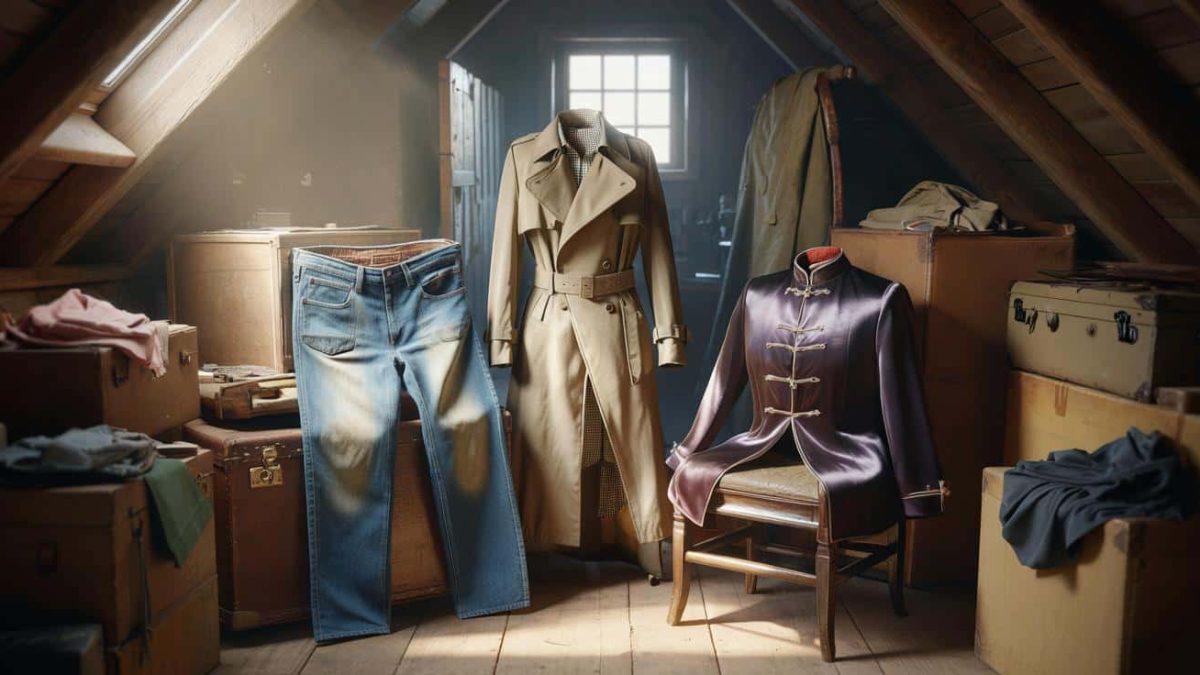
Denim has always been a classic, but certain vintage styles have become true collector’s items. Brands like Levi’s, Lee, and Wrangler have seen a resurgence in popularity, with their iconic silhouettes and high-quality fabrics commanding a premium price. Whether it’s a perfectly faded pair of Levi’s 501s or a rare denim jacket from the 1950s, these vintage pieces are often prized for their unique character and historical significance.
Collectors and fashion enthusiasts alike are willing to pay top dollar for well-preserved vintage denim, with prices ranging from hundreds to even thousands of dollars for the rarest and most coveted items. It’s not just about the style – the condition, provenance, and even the little details like the hardware and stitching can all contribute to a garment’s value.
If you’ve stumbled upon a vintage denim treasure in your closet, it’s worth taking the time to assess its condition and research its potential value. With a little bit of luck and a keen eye, your old jeans could be the key to unlocking a unexpected financial windfall.
The Allure of Vintage Outerwear
While denim may be the star of the vintage clothing scene, it’s not the only category that’s seeing a resurgence in popularity. Vintage outerwear, from classic wool coats to iconic leather jackets, has also become a highly sought-after commodity.
Brands like Burberry, Levi’s, and Schott have all seen their vintage pieces skyrocket in value, with rare or well-preserved items fetching hefty prices. These garments are prized not just for their style, but also for the quality of the materials and the craftsmanship that went into their construction.
Vintage coats and jackets can be particularly valuable if they feature unique details, such as intricate embroidery, distinctive silhouettes, or even original labels and tags. The condition of the item is also crucial, with any signs of wear and tear potentially detracting from its value.
The Satin Jacket Comeback
While denim and outerwear may be the big-ticket items, there’s another vintage trend that’s been quietly gaining momentum: the satin jacket. These shimmering, often brightly-colored pieces were once the height of 1970s fashion, but they’ve since fallen out of favor with the mainstream.
However, in recent years, a new generation of fashion-savvy consumers has rediscovered the allure of the satin jacket. Vintage enthusiasts and streetwear aficionados have been snapping up these retro pieces, driving up their value on the secondary market.
Whether it’s a classic bomber-style jacket or a vibrant, oversized silhouette, the right vintage satin piece can fetch a surprising amount of money. Factors like the brand, the condition, and the rarity of the design all play a role in determining the price tag.
How to Spot a Valuable Vintage Piece
Recognizing the true value of a vintage garment can be a bit of a challenge, especially for the uninitiated. But with a little bit of knowledge and a keen eye, you can learn to spot the hidden gems lurking in your closet or attic.
Start by closely examining the item’s materials, construction, and any identifying labels or tags. Look for signs of high-quality craftsmanship, such as sturdy seams, durable fabrics, and intricate details. Vintage clothing from well-known brands or designers is often more valuable than lesser-known labels.
It’s also important to consider the condition of the garment. While some signs of wear can add character and authenticity, excessive damage or alterations can significantly reduce the item’s value. Carefully inspect for any stains, tears, or fading, and be honest about the overall condition.
Where to Sell Your Vintage Treasures
Once you’ve identified a valuable vintage piece, the next step is to determine the best way to sell it. Online platforms like eBay, Depop, and Etsy have become popular destinations for vintage clothing enthusiasts, offering a global market and the potential for a higher return.
Alternatively, you could consider consigning your item to a specialized vintage clothing store or auction house. These establishments often have a deep understanding of the vintage market and can provide expert guidance on pricing and marketing your piece.
Regardless of the sales channel you choose, it’s essential to do your research and price your item competitively. Keep in mind that the market for vintage clothing can be fickle, so be prepared to negotiate and be open to offers that may not meet your initial expectations.
Unlocking the Value of Your Vintage Wardrobe
In the end, the true value of your vintage clothing lies not just in the monetary return, but in the stories and memories they hold. These garments are a tangible link to the past, a reminder of the rich history and cultural significance of fashion.
Whether you decide to hold onto your vintage treasures or cash in on their newfound value, the process of rediscovering and appreciating these timeless pieces can be a rewarding and enlightening experience. So the next time you’re sorting through your closet, don’t be too quick to dismiss those old clothes – you never know what hidden gems might be waiting to be uncovered.
| Vintage Denim Values | Vintage Outerwear Values |
|---|---|
|
|
| Vintage Satin Jacket Values | Factors Affecting Vintage Clothing Value |
|---|---|
|
|
“The vintage clothing market is constantly evolving, and what may have been considered commonplace 20 years ago can now be a highly sought-after collector’s item. It’s all about finding those hidden gems and understanding their true value.”
– Samantha Goldstein, vintage clothing expert and owner of Retro Runway Boutique
“When it comes to vintage clothing, condition is everything. Even the slightest tear or stain can significantly impact the value of a garment. It’s important to carefully inspect each piece and be honest about its state of preservation.”
- ➡Schock-Studie: Unsichtbarer Plastikregen dringt jetzt sogar in unser Gemüse
- ➡Kleine Badezimmer, große Wirkung: Diese Mini-Pflanze liebt Dampf und macht jede Nasszelle chic
- ➡Kitsch-Vase vom Flohmarkt? So wird daraus eine geniale Winter-Futterstelle
- ➡Geniale Ofen-Idee: So werden zerkratzte Schallplatten in 5 Minuten zur Dekoschale
– Julie Hanson, fashion historian and appraisal specialist
“The appeal of vintage clothing goes beyond just the style – it’s about connecting with the history and craftsmanship of a bygone era. Collectors are willing to pay a premium for pieces that have a unique story to tell.”
– Michael Avery, vintage fashion influencer and content creator
How can I determine the value of my vintage clothing?
The best way to assess the value of your vintage clothing is to research the brand, model, and condition of the item. Look for any identifying labels, tags, or details that can help you determine the age and provenance of the piece. You can also consult online resources, vintage clothing experts, or specialized appraisal services to get a more accurate valuation.
What should I look for when selling vintage clothing?
When selling vintage clothing, focus on the condition, rarity, and desirability of the item. Make sure the garment is well-preserved, with minimal signs of wear and tear. Consider the brand, style, and any unique features that might appeal to collectors or fashion enthusiasts. Research the current market price for similar items to price your piece competitively.
Where can I sell my vintage clothing?
There are several options for selling vintage clothing, including online marketplaces like eBay, Depop, and Etsy, as well as consignment shops and vintage clothing stores. You can also consider reaching out to auction houses or vintage clothing dealers if you have particularly rare or valuable items. Each sales channel has its own advantages, so it’s worth exploring a few different options to maximize your return.
How do I properly care for and store my vintage clothing?
Proper storage and care are essential for preserving the value of your vintage clothing. Avoid exposing the garments to direct sunlight, moisture, or extreme temperatures, which can cause fading, damage, or mold. Store items in acid-free boxes or garment bags, and consider using acid-free tissue paper to help maintain their shape. Regular cleaning and gentle handling can also help extend the life of your vintage pieces.
What are some common mistakes to avoid when buying or selling vintage clothing?
Some common mistakes to avoid include:
– Misrepresenting the condition or authenticity of a vintage item
– Failing to research the current market value and pricing your item accordingly
– Not properly cleaning, storing, or handling vintage clothing to preserve its condition
– Selling or buying through untrustworthy or unverified channels
– Overlooking important details like labels, tags, or materials that can impact an item’s value
- ➡Beliebte Duschgels unter Beschuss: App warnt vor zwei starken Allergie-Auslösern
- ➡Nach dem 40. Geburtstag: Diese unterschätzte Vitaminbombe schützt Gehirn und Nerven
- ➡Neue Bankbetrugs-Welle 2026: Wie falsche Berater per Anruf Ihr Konto leerräumen
- ➡Geheimnisvolle Würstchen im Teppich: Was Haarballen mit deinem Katze-Magen anrichten
How can I learn more about the history and significance of vintage clothing?
To deepen your understanding of vintage clothing, consider consulting resources like fashion history books, vintage clothing blogs and forums, and museum or gallery exhibits. Attending vintage clothing fairs, pop-ups, or auctions can also be a great way to network with other enthusiasts and learn from their expertise. Investing in a few key reference books or joining online communities can also help you develop a more nuanced appreciation for the cultural and historical significance of these timeless garments.
What factors influence the value of a vintage clothing item?
The value of a vintage clothing item is determined by a variety of factors, including the brand, design, condition, rarity, and current market demand. Rare or limited-edition pieces, as well as those with unique or distinctive features, tend to command higher prices. The overall condition of the garment, including any signs of wear, stains, or alterations, can also significantly impact its value. Additionally, the historical significance and cultural context of a vintage item can contribute to its desirability and price.
How do I know if my vintage clothing is authentic?
Determining the authenticity of vintage clothing can be challenging, but there are a few key things to look for:
– Check for any identifying labels, tags, or markings that are consistent with the brand and era of the item
– Examine the materials, construction, and overall quality of the garment
– Research the typical characteristics and production details of the era or brand in question
– Consult with experts or specialty vintage clothing dealers who can provide an expert assessment
– Be wary of any items that seem too good to be true or have inconsistencies in their appearance or details