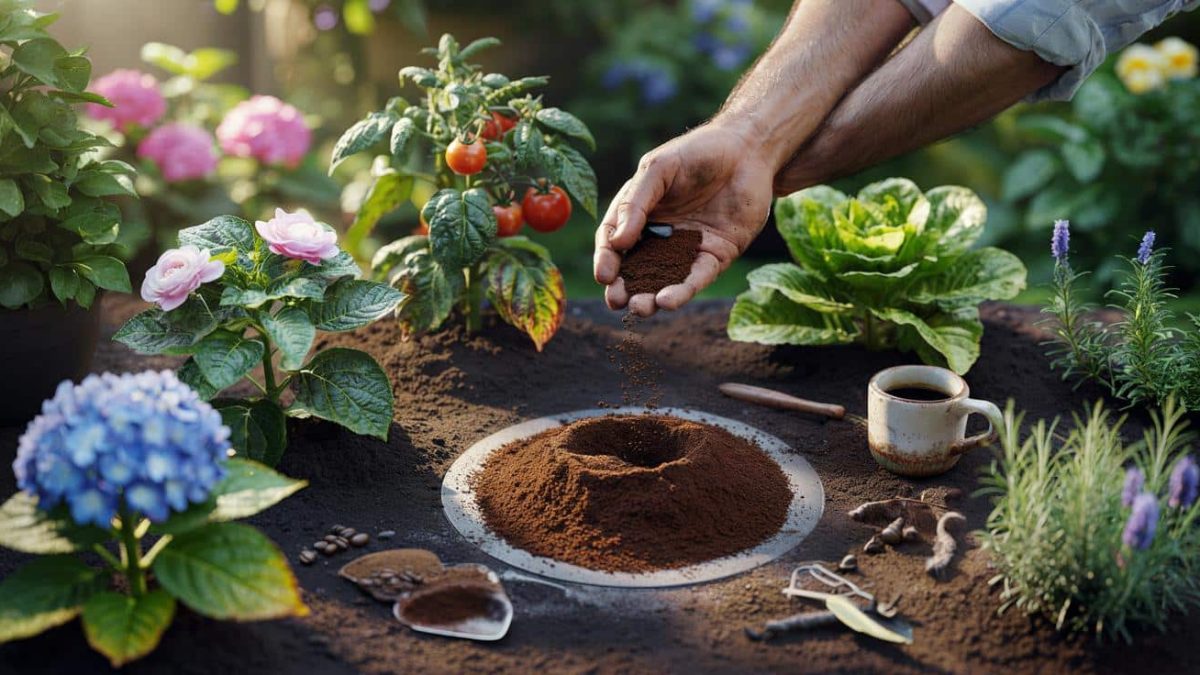
It’s a common sight in many households: a used coffee filter sitting in the sink, full of spent grounds. For most, it’s an easy thing to toss out without a second thought. But what if we told you that those coffee dregs could be a secret weapon for your garden?
Believe it or not, coffee grounds are a treasure trove of nutrients that many plants absolutely love. From boosting soil health to deterring pests, this humble byproduct of your morning brew can do wonders for your green-fingered endeavors. So next time you’re about to send those grounds down the drain, hold up – your garden may have other plans for them.
The Surprising Benefits of Coffee Grounds for Plants
Coffee grounds are often overlooked as a valuable garden resource, but their benefits are numerous. They’re rich in nitrogen, which is an essential nutrient for healthy plant growth. Additionally, coffee grounds can help improve soil structure, increase water retention, and even deter certain pests and diseases.
For gardeners looking to reduce their use of synthetic fertilizers, coffee grounds provide a natural, sustainable alternative. They can be mixed directly into the soil or used as a top dressing to gradually release their nutrients over time. And the best part? They’re free and readily available for most of us.
- ➡Jetzt Buschbohnen säen: So klappt die schnelle Ernte im Beet
- ➡Pestizid-Schock bei Drachenfrucht: Diese Supermärkte rufen exotische Ware zurück
- ➡Gartenarbeit im März: Diese Pflanzen dürfen jetzt kräftig zurückgeschnitten werden
- ➡Forscher enthüllen überraschende Gemeinsamkeit: Haie führen ein echtes Sozialleben wie wir
Of course, it’s important to use coffee grounds in moderation and to understand which plants thrive best with this unique amendment. But with a little knowledge, you can harness the power of your used coffee to create a thriving, healthy garden.
Which Plants Love Coffee Grounds the Most?
Not all plants are created equal when it comes to their affinity for coffee grounds. Some species positively thrive in the presence of this caffeine-rich material, while others may struggle. The key is to match the right plants with the right soil amendments.
Acid-loving plants, such as azaleas, hydrangeas, and blueberries, tend to do especially well with the addition of coffee grounds. The grounds help to lower the soil pH, creating the perfect environment for these plants to flourish. Roses, too, are big fans of coffee grounds, as they help to improve the structure and nutrient content of the soil.
On the vegetable front, tomatoes, peppers, and leafy greens all benefit from the nitrogen and organic matter provided by coffee grounds. They can help boost yields and promote lush, healthy growth. Even some herbs, like mint and rosemary, appreciate the occasional coffee ground top-dressing.
Using Coffee Grounds as a Natural Pest Deterrent
The benefits of coffee grounds don’t stop at nurturing plant growth – they can also serve as a natural, eco-friendly pest deterrent. Certain critters, like slugs, snails, and even cats, seem to dislike the strong aroma and texture of coffee grounds.
By sprinkling coffee grounds around the base of plants or along garden paths, you can create a physical and olfactory barrier that keeps these unwanted visitors at bay. The grounds can also help deter ants, which are often drawn to sweet or sugary substances in the garden.
For gardeners looking to reduce their reliance on harsh chemical pesticides, coffee grounds offer a safe, sustainable alternative. They’re easy to apply, readily available, and won’t harm beneficial insects like bees and butterflies.
Putting Coffee Grounds to Work in Your Garden
Incorporating coffee grounds into your gardening routine is a straightforward process, but there are a few best practices to keep in mind. First and foremost, it’s important to ensure that the grounds are fully cooled before adding them to the soil.
Freshly brewed coffee can be quite acidic, which can potentially burn plant roots if not properly composted or allowed to cool. It’s also a good idea to mix the grounds into the soil rather than leaving them on the surface, as this helps them to break down more efficiently.
For most plants, a light sprinkling of coffee grounds around the base of the plant or mixed into the top few inches of soil is sufficient. Heavier applications can be beneficial for acid-loving plants, but it’s always best to start with a small amount and monitor the results.
Balancing the Benefits and Risks of Coffee Grounds
While coffee grounds can be an excellent addition to the garden, it’s important to use them in moderation and with consideration for potential drawbacks. Excessive use can lead to soil compaction, which can inhibit healthy root growth. Additionally, the high nitrogen content of coffee grounds can cause an imbalance in the soil if not properly managed.
It’s also worth noting that coffee grounds can attract certain pests, such as slugs and snails, if not used strategically as a deterrent. And for plants that prefer neutral or alkaline soil, the acidity of coffee grounds may not be ideal.
As with any garden amendment, it’s important to do your research, start with small amounts, and monitor the results. But when used thoughtfully and in balance with other organic materials, coffee grounds can be a valuable addition to any gardener’s toolkit.
Creative Ways to Utilize Coffee Grounds in the Garden
The versatility of coffee grounds extends far beyond simply mixing them into the soil. Gardeners have come up with all sorts of clever ways to put this humble byproduct to work in their outdoor spaces.
For example, some use coffee grounds as a natural mulch, spreading them around the base of plants to help retain moisture and suppress weeds. Others incorporate them into homemade compost or vermicompost, where the grounds can break down and release their nutrients over time.
Crafty gardeners have even been known to create coffee ground-based “seed bombs” – compact balls of soil, seeds, and grounds that can be scattered in the garden to introduce new plants. And for those with a bit of artistic flair, coffee grounds can even be used to create unique textures and patterns in garden art and sculptures.
FAQs
How much coffee grounds should I use in my garden?
As a general rule, start with a light sprinkling of coffee grounds, about 1/4 to 1/2 cup per square foot of garden bed. Adjust the amount based on the specific plants and soil in your garden.
Can coffee grounds make my soil too acidic?
Yes, excessive use of coffee grounds can lead to soil acidity. Monitor the pH of your soil and adjust as needed by adding lime or other amendments to balance the pH.
Do coffee grounds attract any pests I should be aware of?
Coffee grounds can attract slugs, snails, and ants. Use them strategically as a pest deterrent, and consider complementary methods like physical barriers or natural repellents.
How do I compost coffee grounds properly?
Allow coffee grounds to cool completely before adding them to your compost pile. Mix them evenly with other carbon-rich and nitrogen-rich materials for best results.
- ➡Glücklich im Ruhestand: 7 tägliche Entscheidungen, die alles verändern
- ➡Alte Gusseisenpfanne schlägt Teflon: Dieses vergessene Ritual wirkt Wunder
- ➡Drei Gartenklassiker jetzt kostenlos vermehren: So klappt es nur mit Wasser
- ➡Forscher öffnen 40 Jahre alte Lachs-Dosen – und stoßen auf verblüffenden Hinweis zur Gesundheit der Ozeane
Can I use coffee grounds on all types of plants?
No, some plants prefer neutral or alkaline soil conditions and may not thrive with the acidity of coffee grounds. Do your research on the specific plants in your garden before applying.
How long do the benefits of coffee grounds last in the soil?
The benefits of coffee grounds can last for several months, as they slowly break down and release their nutrients. Reapply as needed, especially for heavy-feeding plants.
Can I use coffee grounds as a fertilizer?
Yes, coffee grounds can be used as a natural, slow-release fertilizer. Just be sure to use them in moderation and balance them with other organic matter.
Do coffee grounds need to be dried before using in the garden?
No, you can use fresh, wet coffee grounds in the garden. Just be sure to mix them into the soil rather than leaving them on the surface.