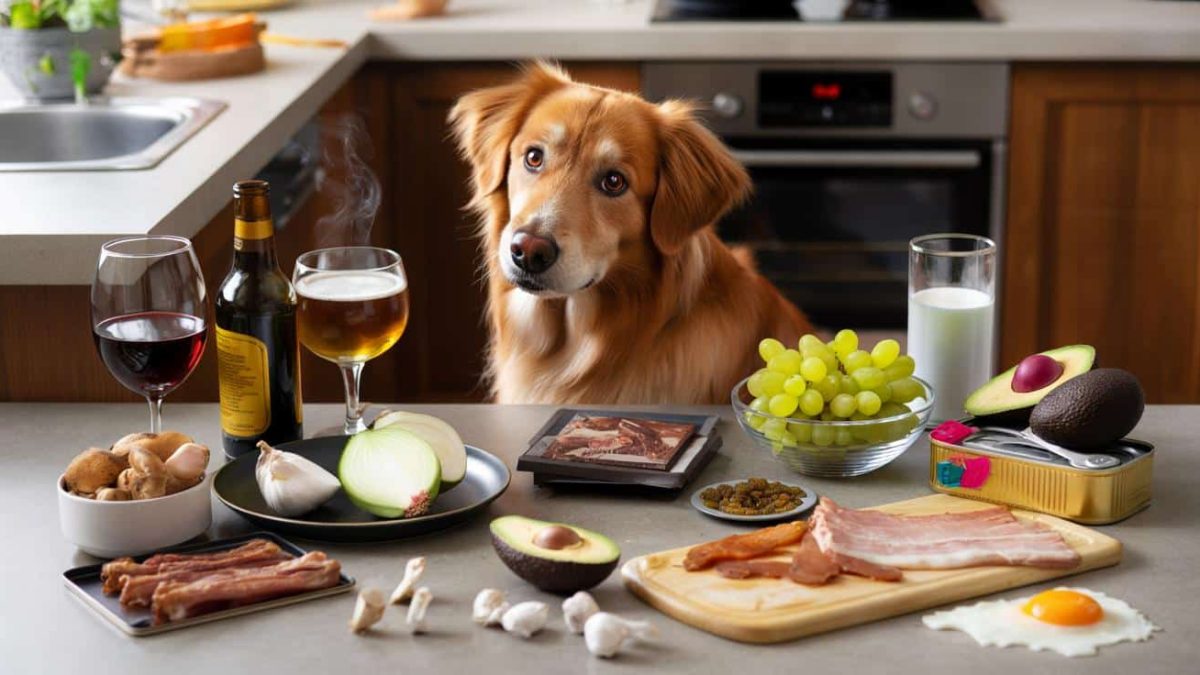
Our canine companions are more than just loyal friends – they’re also part of our families, and their well-being is of the utmost importance. Unfortunately, many everyday household foods and items that may seem harmless to us can pose serious threats to our four-legged friends. As responsible pet owners, it’s crucial to be aware of the hidden dangers lurking in our kitchens and pantries.
From commonly used spices to seemingly innocent treats, a wide range of everyday items can have devastating effects on a dog’s health. In this comprehensive guide, we’ll explore the 13 most common household items that can seriously poison your furry family member, and provide practical tips to keep your pup safe and healthy.
The Surprising Dangers of Cooked Bones
Many dog owners believe that cooked bones are a safe and natural treat for their pets, but this couldn’t be further from the truth. Cooked bones can splinter and tear the delicate tissues in a dog’s digestive system, leading to severe internal injuries and potentially life-threatening complications.
Veterinarians warn that even small fragments of cooked bones can pose a serious choking hazard, and the sharp edges can cause perforations in the esophagus, stomach, or intestines. If your dog has ingested cooked bones, it’s essential to seek immediate medical attention to prevent potentially fatal consequences.
Instead of cooked bones, consider safer, more digestible chew toys or treats that are specifically designed for canine dental health and safety.
The Sweet Temptation of Chocolate
Chocolate is a beloved treat for humans, but it can be deadly for our furry friends. The active ingredients in chocolate, known as methylxanthines, can cause a range of serious symptoms in dogs, including vomiting, diarrhea, hyperactivity, abnormal heart rhythm, and even seizures.
The darker and more concentrated the chocolate, the more dangerous it becomes. Even small amounts of dark or baking chocolate can be fatal for dogs, so it’s essential to keep all chocolate products safely out of their reach. If you suspect your dog has ingested chocolate, contact your veterinarian immediately for guidance on the appropriate course of action.
Remember, chocolate is not the only sweet treat that can harm your dog – xylitol, a common sugar substitute, is also highly toxic and should be avoided at all costs.
The Hidden Dangers of Alcohol
It may seem like a harmless joke to offer your dog a sip of your favorite alcoholic beverage, but the consequences can be devastating. Alcohol can have a profound and potentially fatal impact on a dog’s central nervous system, causing vomiting, diarrhea, coordination problems, breathing difficulties, and even coma.
Even small amounts of alcohol can be toxic to dogs, and the effects can be exacerbated by the size and breed of the animal. If you suspect your dog has ingested any amount of alcohol, it’s crucial to seek veterinary care immediately to prevent serious health complications.
Remember, it’s always best to keep all alcoholic drinks well out of your dog’s reach, and never offer them as a “treat” or “joke.” Your pet’s safety should be your top priority.
The Lactose Intolerance Dilemma
Many pet owners assume that because their dogs enjoy the occasional bit of cheese or ice cream, their digestive systems can handle dairy products. However, the truth is that most dogs are lactose intolerant, and consuming milk or dairy-based foods can lead to severe gastrointestinal distress.
- ➡Diese Alltagsfehler im Hühnerstall bremsen die Eierproduktion brutal aus
- ➡Wenn der Spiegel zum Feind wird: Wie Körperschemastörung unser Selbstbild zerstört
- ➡Warum hohe Intelligenz so weh tun kann, wenn andere falsche Entscheidungen treffen
- ➡Sommerzeit-Umstellung: Mit diesen Arzt-Tipps kommen Sie gut durch die verlorene Stunde
Symptoms of dairy intolerance in dogs can include vomiting, diarrhea, bloating, and abdominal pain. In extreme cases, dairy consumption can even lead to pancreatitis, a potentially life-threatening condition. To keep your furry friend healthy and happy, it’s best to avoid feeding them any dairy products and stick to dog-friendly treats and meals.
If you’re unsure about your dog’s tolerance for a particular food, it’s always best to consult with your veterinarian before introducing it to their diet.
The Surprising Toxicity of Onions and Garlic
Onions and garlic are staple ingredients in many human dishes, but they can pose a serious threat to our canine companions. These common vegetables contain compounds that can damage a dog’s red blood cells, leading to a potentially fatal condition called hemolytic anemia.
Even small amounts of onions or garlic, whether raw, cooked, or in powdered form, can be toxic to dogs. Symptoms of onion or garlic poisoning can include vomiting, diarrhea, lethargy, and increased heart rate, and can manifest hours or even days after ingestion.
- ➡Warum Tulpen out sind: Diese alte Frühlingsblume erobert jetzt unsere Gärten
- ➡Fünf Sommerblüher, die Sie jetzt schneiden müssen – sonst bleibt die Pracht aus
- ➡Seltsame Wellen am Zungenrand? Dieses Zeichen warnt vor nächtlichem Zähnepressen
- ➡Ein einfacher Futtertrick hilft Gartenvögeln durch eiskalte Winternächte
To keep your dog safe, it’s essential to avoid feeding them any foods that contain onions or garlic, and to be vigilant about keeping these ingredients out of their reach during meal preparation.
The Risks of Salty Snacks
While it may be tempting to share your favorite salty snacks with your furry friend, these treats can be highly dangerous for dogs. Foods like processed meats, canned soups, and salty chips can contain high levels of sodium, which can lead to electrolyte imbalances, dehydration, and even kidney damage in our canine companions.
Symptoms of salt poisoning in dogs can include vomiting, diarrhea, lethargy, seizures, and even coma. If your dog has ingested a large amount of salty food, it’s crucial to seek veterinary care immediately to prevent potentially life-threatening complications.
To keep your dog safe, it’s best to stick to dog-friendly treats and avoid sharing your salty snacks, no matter how tempting those puppy eyes may be.
- ➡Brauner Rosmarin im März: Mit diesem einfachen Trick rettest du ihn
- ➡Brustkrebs: Sechs Alltagsgewohnheiten, die jede vierte Erkrankung verhindern könnten
- ➡Gartenarbeit im März: Diese Pflanzen dürfen jetzt kräftig zurückgeschnitten werden
- ➡Dieses Küchengerät läuft rund um die Uhr – und treibt still Ihre Stromkosten hoch
The Caffeine Conundrum
Coffee, tea, and other caffeinated beverages may be a morning staple for many of us, but they can have serious consequences for our canine companions. Caffeine is a stimulant that can cause rapid heart rate, tremors, seizures, and even death in dogs.
Even small amounts of coffee grounds or tea leaves can be toxic, and the effects can be compounded by the size and age of the dog. If you suspect your dog has ingested any caffeine-containing products, it’s crucial to seek veterinary care immediately to prevent potentially life-threatening complications.
To keep your dog safe, be sure to store all caffeinated items well out of their reach, and never offer them a sip of your morning coffee or tea.
The Avocado Dilemma
Avocados are a beloved superfood for humans, but they can be a dangerous threat to our canine companions. The persin compound found in avocados can cause vomiting, diarrhea, and even pancreatitis in dogs, and the thick, fatty flesh can also lead to digestive issues and weight gain.
- ➡Airline führt harte Lärm-Regel ein: Wer ohne Kopfhörer streamt, fliegt raus
- ➡Massen-Betrug mit Expedia, Airbnb & Booking: Tausende Urlauber abgezockt
- ➡15 dauerhafte Blütenstars, die deinen Garten in wenigen Wochen verwandeln
- ➡Darum bleibt Ihr Nistkasten leer: Dieses Millimeter-Maß entscheidet über jede Meise
Additionally, the pit of the avocado can pose a serious choking hazard and can cause intestinal blockages if swallowed. To keep your dog safe, it’s essential to avoid feeding them any part of the avocado, including the flesh, skin, and pit.
While the risks of avocado may be less severe than some other toxic foods, it’s still best to err on the side of caution and keep this popular human food well away from your furry friend.
The Tuna Trap
Canned tuna is a common household item, but it can also pose a serious threat to dogs. The high levels of mercury and other contaminants found in tuna can lead to mercury poisoning in canines, causing symptoms like vomiting, lethargy, and even neurological damage.
Additionally, the high levels of oil and fat in canned tuna can also trigger pancreatitis, a potentially life-threatening condition. To keep your dog safe, it’s best to avoid feeding them any tuna, whether from the can or from your own plate.
- ➡Warum junge Menschen plötzlich so offen über ihre Psyche reden
- ➡Tropische Ruhe statt Massentourismus: Dieses Inselparadies liegt nur 600 Kilometer von Mauritius
- ➡Friseurin sprachlos: So glänzen meine Haare ohne Spülung dank Küchen-Trick
- ➡Moos auf der Terrasse für immer loswerden: Trick mit Küchenzutaten
If you suspect your dog has ingested tuna, it’s crucial to seek veterinary care immediately to prevent serious health complications.
The Grape and Raisin Conundrum
Grapes and raisins may seem like a harmless treat, but they can be extremely toxic to dogs, leading to kidney failure and even death. The exact mechanism behind this toxicity is still not fully understood, but even small amounts of these seemingly innocent fruits can be dangerous for our canine companions.
Symptoms of grape or raisin poisoning in dogs can include vomiting, lethargy, diarrhea, and decreased appetite. If left untreated, the condition can progress to kidney dysfunction and ultimately, kidney failure.
To keep your dog safe, it’s essential to never feed them grapes, raisins, or any products containing these ingredients. If you suspect your dog has ingested these items, seek veterinary care immediately.
- ➡Wenn Nähe Angst macht: Wie ein Bindungstyp zu Sexsucht beitragen kann
- ➡Luc Alphand und seine Patchwork-Familie: Warum seine Kinder verschiedene Pässe haben
- ➡Alte Gusseisenpfanne schlägt Teflon: Mit diesem Trick klebt nichts mehr an
- ➡Warme Apfel-Karamell-Brioche: Dieser Hefetraum schmeckt wie vom Bäcker
The Raw Egg Dilemma
Raw eggs may be a popular ingredient in some homemade dog treats, but they can actually pose a serious threat to your furry friend’s health. The raw egg white contains a substance called avidin, which can interfere with the absorption of biotin, a crucial vitamin for dogs.
Prolonged consumption of raw eggs can lead to biotin deficiency, causing skin and coat problems, as well as neurological issues. Additionally, raw eggs may also contain salmonella or other harmful bacteria that can cause gastrointestinal distress and even more severe infections.
For the safety of your dog, it’s best to avoid feeding them any raw egg products and stick to cooked, pasteurized, or commercially-prepared dog treats and meals instead.
The Mushroom Minefield
While most of us are familiar with the culinary delights of mushrooms, we may not realize that they can also pose a serious threat to our canine companions. Many wild mushroom species, as well as some commercially available varieties, can be highly toxic to dogs, causing symptoms ranging from vomiting and diarrhea to liver damage and even death.
- ➡Nachbarschafts-Zoff: Darf mein Nachbar die hässliche Mauer ungeputzt lassen?
- ➡Frühling im Garten: Warum Sie diese 3 „Unkräuter“ lieber stehen lassen sollten
- ➡Letzte Minuten mit Hund oder Katze: Diese Worte trösten – und einen Satz sollten Sie vermeiden
- ➡Sport ab 80: Warum Bewegung auch im hohen Alter Lebensqualität verbessern kann
It’s important to note that the toxicity of mushrooms can vary greatly, and even seemingly harmless species can be dangerous for dogs. If you suspect your dog has ingested any type of mushroom, it’s crucial to seek veterinary care immediately to determine the appropriate course of action.
To keep your dog safe, be vigilant about keeping all mushrooms, whether from the grocery store or growing in your yard, out of their reach.
What to Do If Your Dog Ingests Something Toxic
If you suspect your dog has ingested any of the items on this list, or any other potentially toxic substance, it’s essential to act quickly and seek professional medical assistance. Time is of the essence when it comes to treating poisoning in dogs, so don’t hesitate to call your veterinarian or the ASPCA Animal Poison Control Center for guidance.
Depending on the situation, your veterinarian may recommend inducing vomiting, administering activated charcoal, or providing other supportive care to help neutralize the toxin and prevent further complications. In severe cases, hospitalization and intensive treatment may be necessary to save your dog’s life.
- ➡Turbo-Baum aus Asien: Warum der Blitzturbo-Paulownia Gärtner begeistert – und Experten warnt
- ➡Schlüsselarten: Wie wenige Tiere ganze Ökosysteme kippen können
- ➡Monty Don überrascht Gärtner: Diesen Strauch jetzt pflanzen, nicht Saatgut
- ➡Brustkrebs-Risiko drastisch senken: Sechs Alltagsgewohnheiten machen den Unterschied
By being proactive and seeking immediate medical attention, you can significantly increase your dog’s chances of a full recovery and minimize the long-term impact of accidental poisoning.
Staying Vigilant and Keeping Your Dog Safe
Ultimately, the best way to keep your dog safe from accidental poisoning is to be proactive and vigilant about the household items and foods that can pose a threat. This means carefully reading labels, storing potentially toxic substances out of reach, and never sharing human foods or treats without first consulting your veterinarian.
It’s also important to remember that some dogs may be more sensitive to certain toxins than others, depending on their size, age, and individual physiology. If you have any concerns about your dog’s health or safety, don’t hesitate to reach out to your veterinarian for guidance and support.
By staying informed and taking the necessary precautions, you can help ensure that your furry friend stays happy, healthy, and safe in your home.
- ➡Genialer Wohntrend: Was aus vergilbten Bettlaken wirklich werden kann
- ➡Psychologie: 8 versteckte Stärken, wenn du lieber allein bist
- ➡Ihr Rasen wird deutlich gesünder und kräftiger, wenn Sie diesen häufigen Mähfehler konsequent vermeiden
- ➡Geniale Crêpes-Idee: Ersetzen Sie die Hälfte der Milch durch diesen Trick
What are the most common signs of poisoning in dogs?
The most common signs of poisoning in dogs include vomiting, diarrhea, lethargy, lack of appetite, excessive drooling, and in severe cases, seizures or coma. If you notice any of these symptoms, it’s crucial to seek veterinary care immediately.
How can I prevent my dog from accidentally ingesting toxic substances?
To prevent accidental poisoning, be sure to keep all household cleaners, medications, and potentially toxic foods and substances securely stored and out of your dog’s reach. Carefully read labels and avoid feeding your dog any human foods or treats without first consulting your veterinarian.
What should I do if I suspect my dog has ingested something poisonous?
If you suspect your dog has ingested a toxic substance, call your veterinarian or the ASPCA Animal Poison Control Center right away. Do not attempt to induce vomiting or provide any treatment without guidance from a professional, as this can sometimes make the situation worse.
How can I tell if a mushroom is safe for my dog?
It’s nearly impossible to determine the safety of a mushroom without expert analysis, so it’s best to avoid feeding any mushrooms to your dog, even if they appear to be “safe” varieties. The safest approach is to keep all mushrooms, whether from the grocery store or growing in your yard, out of your dog’s reach.
Can my dog have small amounts of caffeine or alcohol?
No, even small amounts of caffeine or alcohol can be extremely dangerous for dogs and should never be provided as a “treat” or “joke.” These substances can have life-threatening effects on a dog’s central nervous system and should be kept completely out of your pet’s reach.
What are the symptoms of onion or garlic poisoning in dogs?
Symptoms of onion or garlic poisoning in dogs can include vomiting, diarrhea, lethargy, increased heart rate, and in severe cases, anemia and organ damage. If you suspect your dog has ingested these ingredients, seek veterinary care immediately.
Can dogs have dairy products like cheese or ice cream?
Most dogs are lactose intolerant, so dairy products can cause gastrointestinal distress and other health issues. It’s best to avoid feeding your dog any dairy products and stick to dog-friendly treats and meals instead.
Are grapes and raisins really that dangerous for dogs?
Yes, grapes and raisins are highly toxic to dogs and can lead to kidney failure and even death. Even small amounts of these seemingly innocent fruits can be dangerous, so it’s crucial to keep them out of your dog’s reach.