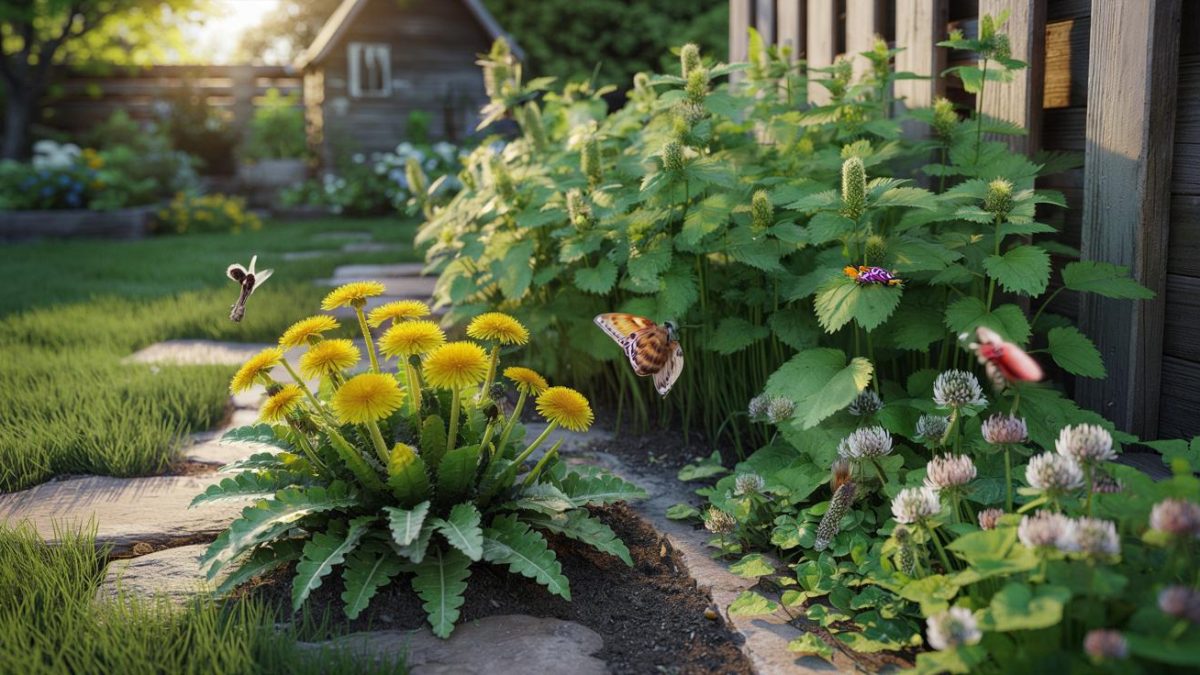
As the sun warms the soil and the first flowers begin to bloom, gardeners eagerly await the arrival of spring. But amidst the vibrant greens and bursts of color, there’s another kind of growth happening – the so-called “weeds” that often get a bad rap. However, a growing number of gardeners are realizing that these unsung heroes can be invaluable assets to a thriving, healthy garden.
In this article, we’ll explore three of the most common “weeds” found in gardens and why you might want to reconsider pulling them up. From the humble dandelion to the resilient stinging nettle, these plants can offer a wealth of benefits that go far beyond their perceived nuisance value.
The Mighty Dandelion: Depth Charge for Your Soil
The dandelion is a plant that often elicits a groan from gardeners, who see it as an unwelcome invader in their meticulously manicured lawns. However, this resilient weed is far more than just a pesky nuisance. With its deep taproot system, the dandelion acts as a natural aeration tool, breaking up compacted soil and allowing oxygen, water, and nutrients to penetrate deeper into the ground.
As the dandelion’s leaves decompose, they also release valuable minerals and nutrients back into the soil, effectively serving as a free, all-natural fertilizer. This makes the dandelion a valuable asset for gardeners looking to improve the health and fertility of their garden beds.
Moreover, the dandelion’s bright yellow flowers are a valuable food source for pollinators, such as bees and butterflies, during the crucial early spring months when other blooms are scarce.
Clover: The Living, Breathing Fertilizer Factory
Another so-called “weed” that deserves a second look is the humble clover. Often seen as an unwelcome invader in lawns, clover is actually a nitrogen-fixing plant, meaning it can take atmospheric nitrogen and convert it into a form that can be used by other plants.
This makes clover a natural, cost-effective way to improve soil fertility without the need for synthetic fertilizers. As the clover plants decompose, they release this nitrogen back into the soil, providing a steady supply of nutrients for your other garden plants.
In addition, clover’s deep root system helps to aerate the soil and improve water retention, making it a valuable companion plant for a wide range of garden vegetables and flowers.
- ➡Spektakulärer Fund in Ägypten: Forscher holen Teile des legendären Leuchtturms von Alexandria aus dem Meer
- ➡Banküberweisungen stehen vier Tage still: Diese Daten treffen alle
- ➡Mit dem Rad über Eis und Schnee: Diese 5 Tricks verhindern Stürze
- ➡Bob kurz ist der Star-Schnitt 2026 – warum jetzt alle Promis abschneiden
Stinging Nettle: The Powerful Ally You Never Knew You Needed
At first glance, the stinging nettle may not seem like the most garden-friendly plant. With its sharp, needle-like hairs that can deliver a painful sting, it’s understandable why many gardeners would prefer to keep this plant at a distance. However, the stinging nettle is actually a powerhouse of benefits for the garden.
Rich in nutrients like nitrogen, phosphorus, and potassium, the nettle can be used to create a highly effective, all-natural fertilizer when composted or brewed into a nutrient-rich “tea.” This “tea” can then be used to nourish your other plants, providing them with a boost of essential nutrients.
Furthermore, the nettle’s deep roots help to break up compacted soil, improving aeration and water drainage. And, as an early-blooming plant, the nettle provides a valuable food source for pollinators when other flowers are scarce.
Harnessing the Power of the “Weeds”
While it may be tempting to reach for the weeding tools and remove these so-called “weeds” at the first sight, it’s worth considering the many benefits they can offer to your garden. By embracing these resilient plants and integrating them into your gardening practices, you can unlock a wealth of natural fertility, soil improvement, and ecological balance – all without the need for harsh chemicals or expensive additives.
- ➡So viele Freunde brauchst du wirklich, um glücklich zu sein
- ➡Geniale Muffin-Idee von Starpatissière: So werden herzhafte Muffins außen knusprig, innen fluffig
- ➡Dieser schlanke Obstbaum liefert Rekordernte im einfachen Blumentopf
- ➡Alzheimer-Risiko drastisch senken: Studie nennt drei Schlüssellebensmittel
Of course, it’s important to strike a balance and ensure that these plants don’t become overly dominant, as they can still outcompete your desired garden plants if left unchecked. But with a little mindful management, you can harness the power of the “weeds” to create a thriving, vibrant garden that works in harmony with nature.
Cultivating a Balanced Garden Ecosystem
Embracing the “weeds” in your garden is just one part of creating a more balanced, sustainable ecosystem. By fostering a diverse range of plants, including both cultivated species and natural volunteers, you can support a wide variety of beneficial insects, microorganisms, and other wildlife that play vital roles in the overall health and productivity of your garden.
Additionally, adopting organic gardening practices, such as composting, mulching, and minimizing the use of synthetic pesticides and fertilizers, can further enhance the natural balance and resilience of your garden. This holistic approach not only leads to a more vibrant, thriving garden but also helps to protect the local environment and contribute to the broader ecological well-being of your community.
So, the next time you’re tempted to pull out those “weeds,” take a moment to consider their potential benefits. With a little bit of knowledge and a willingness to embrace the natural diversity of your garden, you may just discover a whole new world of possibilities waiting to unfold.
- ➡Genialer Karotten-Trick: So verhindern Sie Gabelwurzeln schon beim Säen
- ➡Monty Dons März-Trick: Mit einem kleinen Schnitt zu XXL-Hortensienblüten
- ➡Mit 54 Jahren wieder fit werden: Der einfache Spaziergang-Rhythmus, den viele Trainer empfehlen
- ➡Dieses einfache Millefeuille hat meine Angst vor Kuchen geheilt
The Beauty in Embracing Imperfection
In a world that often values order and perfection, the idea of allowing “weeds” to thrive in our carefully curated gardens can be a challenging concept. However, there is a certain beauty and authenticity in embracing the natural, imperfect elements that emerge in our outdoor spaces.
By accepting and even celebrating the presence of these unsung heroes, we can cultivate a garden that reflects the true rhythm and vitality of the natural world. This not only enhances the visual appeal of our gardens but also fosters a deeper connection to the cycles of life and the intricate web of relationships that sustain a healthy ecosystem.
Moreover, by letting go of the need for pristine, manicured perfection, we free ourselves to enjoy the simple pleasures of observing the natural world in all its complexity and richness. The dandelions, clovers, and nettles that once seemed like unwelcome intruders can become sources of fascination, wonder, and appreciation – a testament to the resilience and adaptability of life itself.
Embracing the “Weeds” of Spring
As we venture into the vibrant and rejuvenating world of spring gardening, let us challenge the traditional notions of what a “weed” truly is. By recognizing the valuable contributions that these so-called “weeds” can make to the overall health and vitality of our gardens, we can cultivate a more sustainable, balanced, and ecologically resilient outdoor space.
From the nutrient-rich dandelion to the nitrogen-fixing clover and the powerful stinging nettle, these plants offer a wealth of benefits that can enrich our gardens in countless ways. By embracing their presence and integrating them into our gardening practices, we can unlock a new level of abundance, resilience, and harmony in our outdoor oases.
So, the next time you reach for the weeding tools, pause and consider the potential of these unsung heroes. With a little bit of understanding and a willingness to let nature take the lead, you just might discover that the true beauty of your garden lies in the embrace of its imperfections.
FAQs: Navigating the World of “Weeds”
How can I use dandelions in my garden?
Dandelions can be used as a natural fertilizer by composting the leaves and flowers, or by making a “dandelion tea” to nourish your other plants. The roots can also be used in herbal remedies or even roasted and used as a coffee substitute.
Isn’t clover just an invasive weed in my lawn?
While clover can spread quickly in lawns, it’s actually a beneficial plant that can help improve soil fertility and structure. Consider allowing it to grow in designated areas or even incorporating it into your lawn for a lush, green carpet that supports pollinators.
- ➡Nur wenige Menschen hören dieses geheimnisvolle Grollen im eigenen Kopf
- ➡Netflix Hit aus Korea: Diese Mini Serie mit 9,2 von 10 begeistert gerade alle
- ➡Winziger Faser-Sensor spürt Krebs auf, bevor er sich ausbreitet
- ➡Mit 78 Jahren Aquagym ausprobieren: Wie Wassertraining Gelenke entlastet und Muskeln aktiviert
How can I manage stinging nettles in my garden?
Stinging nettles can be tricky to handle, but with the right approach, you can safely integrate them into your garden. Wear gloves and long sleeves when working around them, and consider using the leaves and stems to create a nutrient-rich fertilizer or tea.
Aren’t all weeds bad for my garden?
Not necessarily! Many so-called “weeds” can actually provide valuable benefits to your garden, such as improving soil health, attracting pollinators, and contributing to a more balanced ecosystem. It’s important to understand the specific role each plant can play and manage them accordingly.
How can I encourage a diverse, healthy garden ecosystem?
To promote a diverse and healthy garden ecosystem, focus on organic gardening practices, such as composting, mulching, and minimizing the use of synthetic pesticides and fertilizers. Embrace the presence of “weeds” and other natural volunteers, and consider planting a variety of native and pollinator-friendly species.
What are some other “weeds” that can be beneficial in the garden?
In addition to dandelions, clover, and stinging nettles, other potentially beneficial “weeds” include chickweed, purslane, and yarrow. Each of these plants can offer unique contributions to the overall health and vitality of your garden.
How do I know when a “weed” has become too much of a problem?
It’s important to strike a balance and ensure that the “weeds” in your garden don’t become overly dominant. Monitor their growth and spread, and be prepared to remove them if they start to outcompete your desired plants. The goal is to maintain a healthy, diverse ecosystem, not to eliminate all “weeds” entirely.
Where can I learn more about the benefits of “weeds” in the garden?
There are many resources available, both online and in gardening books and magazines, that delve deeper into the role of “weeds” in the garden ecosystem. Consider consulting with local gardening experts or joining a community of like-minded gardeners who embrace the beauty and benefits of a more natural, diverse approach to gardening.