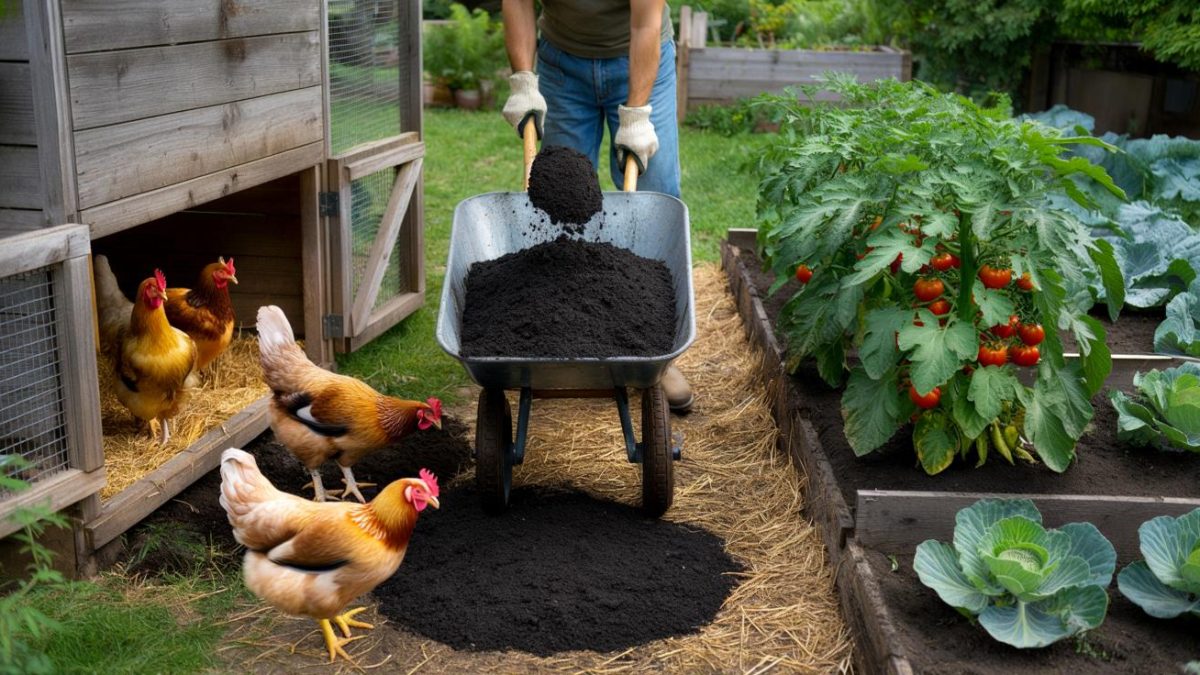
Tucked away in the quiet corners of backyard chicken coops, a hidden treasure trove lies waiting to be unearthed. While most of us think of chickens as providers of fresh eggs and occasional pest control, their real value may come from an unexpected source – their nutrient-rich waste. This unassuming byproduct, once dismissed as a nuisance, is now being hailed as the secret to revitalizing gardens and creating bountiful harvests.
For gardeners and green-thumbed enthusiasts, the prospect of transforming chicken manure into a powerful soil amendment is an enticing one. Far from the pungent, harsh material that many imagine, properly composted chicken waste can become a valuable asset, transforming even the most depleted soil into a veritable oasis of fertility.
The Transformative Power of Chicken Manure
Chicken manure is a powerhouse of essential nutrients that plants crave, including nitrogen, phosphorus, and potassium. When added to soil, it helps to improve soil structure, increase water-holding capacity, and provide a steady supply of nutrients for healthy plant growth. But the real magic happens when this waste is given the time and care to break down and mature into a rich, earthy compost.
The process of transforming raw chicken manure into a gardener’s delight is not a quick one, but the rewards are well worth the wait. By allowing the manure to sit and decompose for at least six months, the harsh ammonia and other potentially harmful compounds are broken down, leaving behind a dark, crumbly substance that’s bursting with life-giving organic matter.
This patient approach ensures that the nutrients within the manure are slowly released into the soil, providing a steady, long-term source of nourishment for plants. In contrast, simply tossing fresh chicken waste onto the garden can lead to a rapid release of nutrients, which can quickly leach away or even burn delicate plant roots.
The Chicken-Powered Garden
For those with a backyard flock, the benefits of using chicken manure in the garden are twofold. Not only do the birds provide a steady supply of this invaluable resource, but their presence also helps to keep weeds at bay and aerate the soil as they scratch and peck. This symbiotic relationship between chickens and the garden creates a self-sustaining ecosystem, where the waste of one fuels the growth of the other.
By incorporating chicken manure compost into their gardening routine, growers can say goodbye to the need for expensive, synthetic fertilizers and hello to a more natural, closed-loop system. The nutrients locked away in the manure are seamlessly returned to the soil, where they can be absorbed by plants and the cycle continues.
This approach not only reduces the environmental impact of gardening but also results in healthier, more vibrant plants that are better equipped to withstand pests and diseases. The deep, rich color of the compost-amended soil is a testament to its vitality, and the abundance of earthworms and other beneficial soil life is a clear sign that this is a thriving, balanced ecosystem.
The Secret to Superlative Soil
While the process of transforming chicken manure into garden gold may take a bit of patience, the results are well worth the wait. By allowing the manure to properly break down and mature, gardeners can unlock a treasure trove of nutrients that will nourish their plants for months to come.
The key to success lies in creating the right conditions for the compost to thrive. This means ensuring the manure is mixed with the right ratio of carbon-rich materials, like straw or shredded leaves, and maintaining the right moisture levels. With a little bit of care and attention, the once-neglected chicken coop can become the secret to a thriving, bountiful garden.
So, the next time you look out at your backyard flock, remember that those unassuming feathered friends are sitting on a veritable goldmine. By harnessing the power of their nutrient-rich waste, gardeners can unlock the true potential of their soil and create a self-sustaining, vibrant ecosystem that will reward them with an abundance of fresh, healthy produce.
The Chicken Compost Checklist
| Step | Action |
|---|---|
| 1. Collect | Regularly collect and store chicken manure in a designated area. |
| 2. Mix | Combine the manure with carbon-rich materials like straw, leaves, or shredded paper. |
| 3. Moisten | Keep the compost pile moist but not waterlogged, using a hose or watering can as needed. |
| 4. Turn | Regularly turn the compost pile to aerate the mixture and speed up decomposition. |
| 5. Wait | Allow the compost to mature for at least 6 months, monitoring the temperature and moisture levels. |
| 6. Apply | Once ready, spread the nutrient-rich compost over your garden beds and work it into the soil. |
- ➡Forscher finden uralten Sternstrom: Wie C‑19 die Milchstraße aufmischt
- ➡Drei Monate Omega‑3: Neue Studie zeigt spürbare Effekte auf Stress und Schlaf
- ➡Dacia plant Elektro-Offensive: Vier Stromer und Einstiegspreis unter 18.000 Euro
- ➡Mit diesem Ein-Minuten-Trick löst du morgens deinen verspannten oberen Rücken
Expert Insights on the Power of Chicken Manure
“Chicken manure is one of the most nutrient-dense organic fertilizers you can find. When properly composted, it provides a slow, steady release of nitrogen, phosphorus, and potassium that plants love. The key is to let it fully break down to avoid any burning or nutrient loss.”
– Dr. Emily Garlick, soil scientist and horticulture professor
“Backyard chicken owners have a real advantage when it comes to building healthy, fertile soil. Instead of sending that waste to a landfill, they can create a closed-loop system where the chickens’ byproducts nourish the garden, and the garden in turn feeds the flock. It’s a beautiful example of sustainable, regenerative agriculture.”
– Sarah Thompson, author of “The Chicken-Powered Garden”
“Chicken manure is a game-changer for gardeners looking to reduce their reliance on synthetic fertilizers. Not only does it improve soil structure and water-holding capacity, but it also introduces a diverse array of beneficial microorganisms that help plants thrive. It’s a true gift from the coop to the garden.”
– Michael Grimes, organic farming consultant
The Surprising Benefits of Chicken Manure Compost
Beyond its role as a nutrient-rich soil amendment, composted chicken manure offers a host of additional benefits for the garden and the environment. Its high organic matter content helps to improve soil structure, making it more resilient to compaction and erosion. The slow release of nutrients also means that plants can access them over a longer period, reducing the risk of runoff and groundwater contamination.
What’s more, the beneficial microorganisms found in mature compost can help to suppress plant diseases and pests, reducing the need for chemical interventions. This, in turn, creates a healthier, more balanced ecosystem that supports a diverse array of beneficial insects, pollinators, and other wildlife.
- ➡Chanel-Show in Paris: Inès de la Fressange macht die weiße Hose wieder heiß
- ➡Mehr essen, weniger wiegen: Wie unverarbeitete Lebensmittel Pfunde schmelzen lassen
- ➡Start-Stopp im Auto: Abschalten oder laufen lassen – was wirklich sinnvoll ist
- ➡Kaum genutzt: Diese Flocke hebt Ihr Porridge auf ein neues Niveau
For gardeners seeking a more sustainable, closed-loop approach to growing their own food, the power of chicken manure compost is truly a gift that keeps on giving. By harnessing the natural cycle of waste and regeneration, they can cultivate bountiful harvests while also doing their part to protect the environment.
FAQs: Unleashing the Power of Chicken Manure Compost
How long does it take to compost chicken manure?
It typically takes 6 to 12 months for chicken manure to fully break down and mature into a nutrient-rich compost. The exact timeline will depend on factors like the carbon-to-nitrogen ratio, moisture levels, and how often the pile is turned.
Can I use fresh chicken manure in the garden?
While you can use fresh chicken manure in the garden, it’s generally not recommended, as the high nitrogen content can burn or damage plants. Properly composting the manure first helps to reduce the risk of plant injury and ensures a slow, steady release of nutrients.
How much chicken manure compost should I use in my garden?
A good rule of thumb is to apply 1-2 inches of composted chicken manure to your garden beds and then work it into the top 6-8 inches of soil. The exact amount will depend on the size of your garden and the specific needs of your plants.
- ➡Diese eine Balkonpflanze ersetzt zehn Blumentöpfe und erfüllt alles mit Duft
- ➡Warum britische Gärten im Winter voller Vögel sind – und was wir daraus lernen können
- ➡Psychologen sicher: Die berühmte Klamotten-Stuhl-Ecke verrät viel über dich
- ➡Frühjahrsfehler beim Pelletofen: Diese Nachlässigkeit wurde richtig teuer
Can chicken manure compost be used on all types of plants?
Yes, composted chicken manure can be used to amend the soil for a wide variety of plants, from vegetables and fruits to flowers and ornamentals. The nutrient-rich compost helps to support healthy growth and yield in most garden plants.
How do I prevent odors from the chicken manure compost?
To minimize odors, be sure to maintain the right moisture levels in your compost pile and turn it regularly to encourage aerobic decomposition. Mixing the manure with carbon-rich materials like straw or shredded leaves can also help to control any unpleasant smells.
Can I compost chicken manure with other organic materials?
Absolutely! Chicken manure composts well when combined with other carbon-rich materials like leaves, straw, or shredded paper. This helps to create the ideal balance of nutrients and ensures a more thorough breakdown of the organic matter.
How do I know when the chicken manure compost is ready to use?
Mature, ready-to-use chicken manure compost will have a dark, crumbly texture and an earthy, soil-like aroma. It should no longer have any identifiable chicken waste or strong odors. The internal temperature of the compost pile should also have dropped significantly from the initial high temperatures.
Can I use chicken manure compost in potted plants or container gardens?
Absolutely! Composted chicken manure makes an excellent soil amendment for potted plants and container gardens, helping to improve drainage, aeration, and nutrient availability. Just be sure to mix it thoroughly into the potting mix to avoid any burning or damage to the plant roots.