The arrival of spring often sparks a renewed enthusiasm for gardening, with many homeowners eager to add a touch of color and life to their outdoor spaces. However, a subtle shift has been observed in recent years – the once-beloved tulip seems to be losing its appeal, making way for a new floral favorite: the ranunculus.
As you stroll through neighborhood gardens or community allotments, it’s hard to miss the proliferation of these vibrant, fluffy blooms that have captured the hearts and imaginations of gardeners across the country. But what is it about the ranunculus that has made it the darling of the spring season, usurping the traditional tulip’s position in our collective horticultural affections?
The Rise of the Ranunculus: Why This Bloom Is Captivating Gardeners
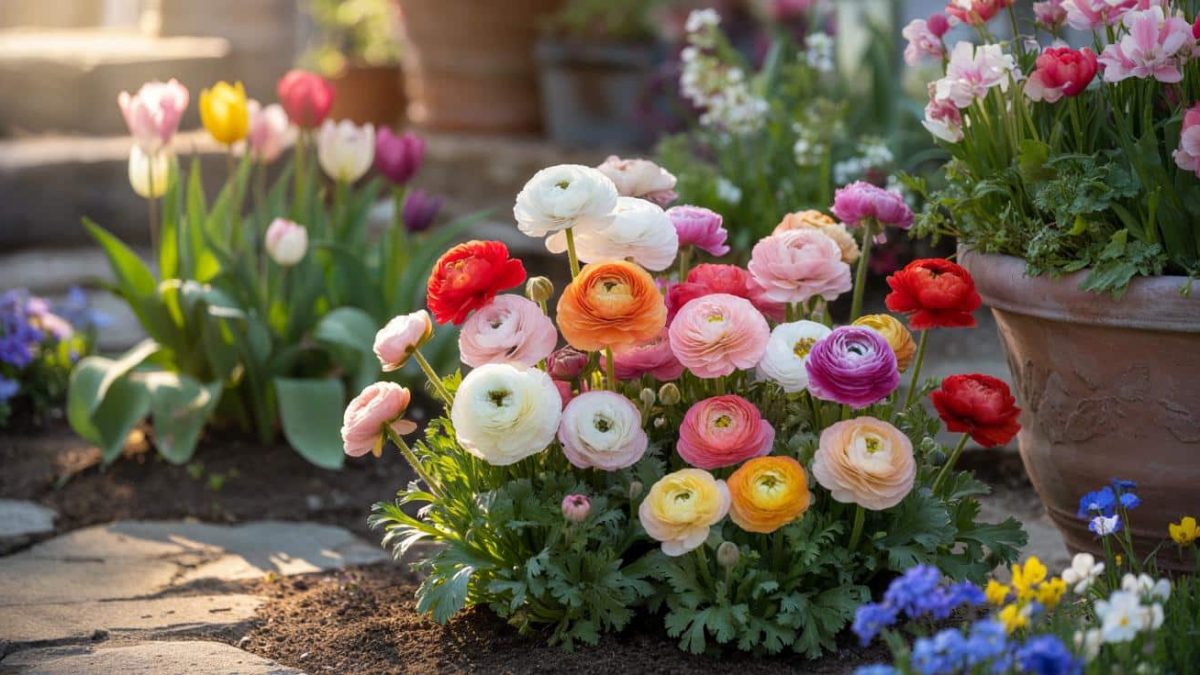
The ranunculus, with its delicate, multi-petaled flowers and striking color palette, has a unique charm that sets it apart from the more traditional tulip. These blooms come in a wide range of hues, from fiery reds and oranges to soft pinks and creams, making them a versatile choice for any garden or floral arrangement.
What’s more, the ranunculus’s intricate, rose-like appearance lends an air of sophistication and elegance to any setting. Unlike the tulip’s bold, simple silhouette, the ranunculus boasts a more complex and visually striking form that has captured the imagination of gardeners and floral enthusiasts alike.
Perhaps one of the most appealing aspects of the ranunculus is its relatively long-lasting nature. These blooms can remain vibrant and beautiful for weeks, providing a prolonged burst of color in the garden or in cut-flower displays. This durability and longevity make the ranunculus a more practical choice for those who want to enjoy their spring florals for as long as possible.
The Ranunculus’s Asian Roots: Exploring the Origins of This Captivating Bloom
The ranunculus, also known as the “Persian buttercup,” has its roots firmly planted in Asia. Native to regions such as Iran, Turkey, and parts of the Caucasus, this bloom has been cultivated and cherished for centuries, its unique beauty and resilience making it a prized addition to gardens and floral arrangements.
In recent years, the ranunculus has gained significant popularity in Europe and North America, as gardeners and florists have discovered the charm and versatility of this remarkable flower. Its growing presence in the global horticultural market has led to the development of new cultivars and color variations, further expanding the appeal of this spring-blooming delight.
As the ranunculus continues to captivate gardeners and flower enthusiasts, it’s worth considering the factors that have contributed to its rise in popularity. From its stunning visual appeal to its practical benefits, the ranunculus seems poised to cement its place as the new must-have bloom of the spring season.
- ➡Asiatische Hornisse im Garten: Wie Meisen schon im März Ihre Bienen schützen
- ➡Studie warnt: KI bedroht bald jeden sechsten Job in Frankreich
- ➡Viele Autofahrer riskieren Bußgeld: Motor im Stand laufen lassen kann teuer werden
- ➡Turbo-Baum für den Garten: Mit diesem Blätterriesen ist der Nachbarblick in drei Jahren weg
Planting Season: When to Tuck Ranunculus Into Your Garden
If you’re eager to add the ranunculus to your own garden, it’s important to time your planting carefully. These flowers thrive best when planted in the fall, typically between September and November, depending on your local climate. This allows the ranunculus tubers to take root and establish themselves before the winter season arrives.
When selecting your ranunculus tubers, look for plump, healthy specimens with well-developed “eyes” or growth points. These are the key to ensuring a successful and abundant bloom come spring. Proper soil preparation is also crucial, as ranunculus prefer well-draining, nutrient-rich soil that is slightly acidic.
By following these planting guidelines, you can ensure that your ranunculus will flourish and provide a stunning display of color and beauty in your garden for weeks on end.
Proper Planting and Care: Tips for Growing Healthy, Vibrant Ranunculus
Once you’ve selected your ranunculus tubers and prepared the soil, the next step is to plant them with care. Gently place the tubers about 2-3 inches deep, spacing them 6-8 inches apart to allow for proper growth and air circulation.
- ➡Revolution beim Pasta-Kochen: Warum wir ab 2026 den Herd früher ausmachen
- ➡Diese kurze Mobilitätsroutine kann laut Sportärzten helfen, Gelenke beweglich und schmerzfrei zu halten
- ➡Kitsch-Vase vom Flohmarkt? So wird daraus eine geniale Winter-Futterstelle
- ➡Spritschock in Europa: Slowenien führt als erstes EU-Land Benzin-Rationierung ein
During the growing season, be sure to keep the soil consistently moist but not waterlogged. Ranunculus thrive in cool, partially shaded conditions, so consider positioning them in a spot that receives morning sun and afternoon shade.
As the flowers begin to bloom, you’ll want to deadhead spent blossoms to encourage the plant to continue producing new flowers. With the right care and attention, your ranunculus can provide a stunning floral display that will be the envy of your gardening neighbors.
Extending the Bloom: Strategies for Keeping Ranunculus Looking Their Best
One of the key benefits of the ranunculus is its long-lasting nature, but with the right care, you can extend the lifespan of these beautiful blooms even further. To keep your ranunculus looking their best for weeks on end, consider implementing a few simple strategies.
First and foremost, be sure to regularly deadhead spent flowers, removing any discolored or damaged petals. This not only enhances the overall appearance of the plant but also encourages the production of new blooms. Additionally, you may want to consider staking or caging your ranunculus plants to provide support and prevent the delicate stems from bending or breaking.
When it comes to watering, aim to keep the soil consistently moist but not waterlogged. Ranunculus are susceptible to rot and other fungal diseases, so it’s important to strike the right balance. As the weather warms, you may need to increase the frequency of your watering routine to ensure your plants remain healthy and thriving.
Overwintering: Should You Leave Ranunculus In the Ground or Dig Them Up?
As the growing season comes to a close and the first frost approaches, gardeners are faced with a decision: should they leave their ranunculus tubers in the ground over the winter, or should they dig them up for storage?
There are pros and cons to both approaches. Leaving the tubers in the ground can be the easiest option, as it eliminates the need for additional work. However, this approach does carry the risk of the tubers succumbing to rot or freezing temperatures, which can damage or kill the plant.
Alternatively, digging up the tubers and storing them in a cool, dry place can help ensure their survival over the winter months. This method does require a bit more effort, but it can ultimately lead to healthier, more robust plants the following spring. Whichever approach you choose, be sure to research the best practices for your local climate to ensure the longevity of your ranunculus plants.
- ➡Espresso-Orchidee richtig pflegen: Mit diesen Tricks blüht sie monatelang
- ➡300 Sonnentage und null Massentourismus: Die geheime Mittelmeerinsel zwischen Afrika und Italien
- ➡Diese Sätze verraten Menschen, die deine Gefühle niemals ernst nehmen
- ➡Grün, dicht und gesund: Mit diesen sechs Frühjahrs Tricks wird deine Grünlilie zum echten Hingucker
Versatility and Appeal: Where Ranunculus Shine and What They Bring to the Table
The ranunculus’s rise in popularity is not just a fleeting trend, but a reflection of its versatility and appeal as a garden and floral staple. These blooms are well-suited for a variety of settings, from formal gardens and landscaping to more casual, cottage-style plantings.
In addition to their visual impact, ranunculus can also play a role in attracting pollinators to your garden, providing a valuable resource for bees, butterflies, and other beneficial insects. Their nectar-rich flowers and lush foliage offer a welcoming habitat for these important creatures, contributing to a healthier, more balanced ecosystem.
Whether you’re a seasoned gardener or a newcomer to the world of horticulture, the ranunculus is a bloom that is sure to capture your attention and imagination. With its stunning appearance, practical benefits, and enduring charm, it’s no wonder this spring favorite is taking the gardening world by storm.
FAQ
How do I know when to plant ranunculus tubers?
Ranunculus tubers should be planted in the fall, typically between September and November, depending on your local climate. This allows the tubers to establish roots before the winter season arrives.
- ➡Psychologie hinter Geburtstagen: Was es heißt, den eigenen Ehrentag zu meiden
- ➡So viele Tassen Kaffee am Tag tun Ihrem Gehirn wirklich gut
- ➡Wir reisen, wir erledigen unsere Einkäufe: alles auf Staatskosten“ : Ohne je gearbeitet zu haben, kassiert dieses Rentnerpaar über 1.600 Euro im Monat dank Solidaritätsrente
- ➡Sport am Abend: Macht Training spät wirklich schlaflos – oder entspannt es?
Can I grow ranunculus in containers?
Yes, ranunculus can be successfully grown in containers, as long as the containers have good drainage and are filled with well-draining, nutrient-rich soil. Be sure to plant the tubers at the recommended depth and spacing.
How long do ranunculus flowers last?
With proper care and deadheading, ranunculus flowers can remain vibrant and beautiful for several weeks, providing a prolonged burst of color in the garden or in cut-flower arrangements.
What’s the best way to care for ranunculus plants?
Ranunculus prefer cool, partially shaded conditions and consistently moist but not waterlogged soil. Be sure to regularly deadhead spent flowers and consider staking or caging the plants to provide support.
Can I leave ranunculus tubers in the ground over winter?
You can leave ranunculus tubers in the ground over winter, but there is a risk of the tubers succumbing to rot or freezing temperatures. Digging up the tubers and storing them in a cool, dry place may be a safer option to ensure their survival.
How do ranunculus compare to tulips in terms of appearance and appeal?
Ranunculus have a more complex, rose-like appearance with delicate, multi-petaled flowers, while tulips have a bolder, more simple silhouette. Ranunculus also tend to have a longer bloom time, making them a practical choice for gardeners and floral enthusiasts.
Are ranunculus good for attracting pollinators?
Yes, ranunculus are an excellent choice for attracting pollinators like bees and butterflies to your garden. Their nectar-rich flowers and lush foliage provide a valuable resource for these important creatures.
Can I grow ranunculus from seed?
While it is possible to grow ranunculus from seed, it can be a more challenging and time-consuming process. Most gardeners opt to plant pre-grown ranunculus tubers, which are readily available and tend to produce more reliable, consistent results.