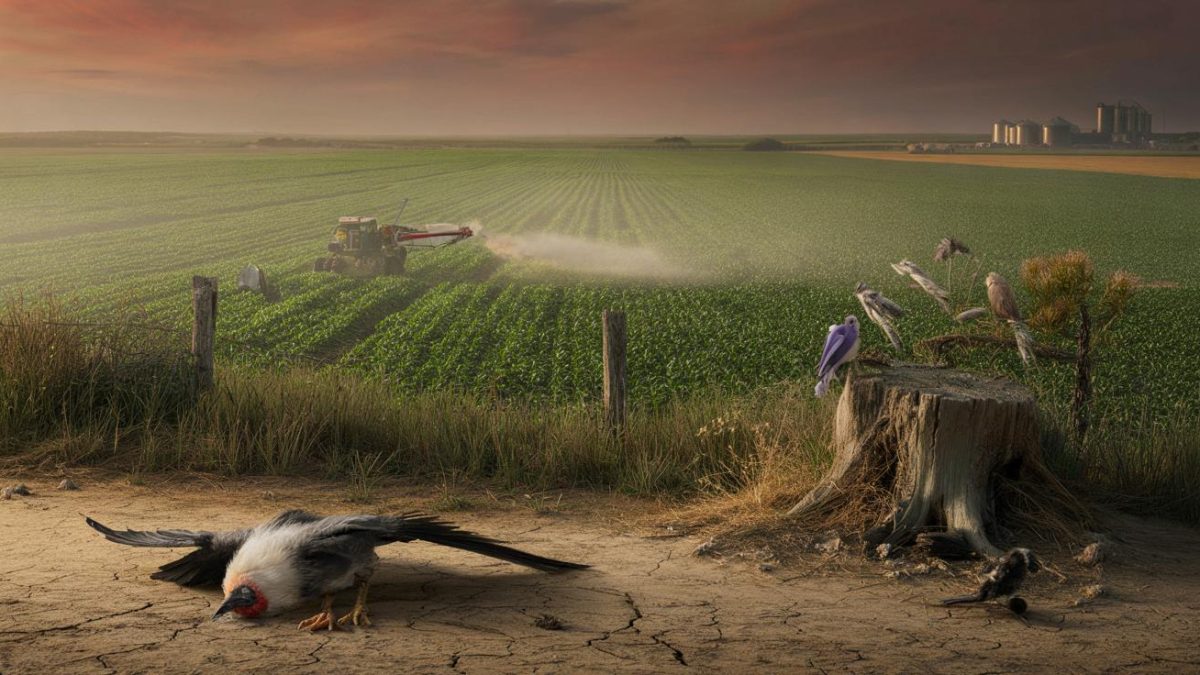
The once-thriving bird populations that graced our skies are now facing a dramatic decline, and the culprit may surprise you. A groundbreaking new study published in the prestigious journal Science has uncovered a shocking truth: industrial agriculture is the driving force behind this avian catastrophe.
For decades, birdwatchers and naturalists have noticed a gradual decrease in the variety and abundance of feathered creatures in their local habitats. But the latest research paints a far more dire picture, revealing that nearly half of all bird species are in decline, with a staggering 25% plummeting at an alarming rate.
The implications of this study are nothing short of staggering, shattering the notion that our modern agricultural practices are sustainable or even tolerable. As we delve deeper into the findings, it becomes clear that the relentless march of industrial farming is the primary catalyst for this avian apocalypse.
Decades of Decline: The Shocking Numbers Behind the Bird Crash
The researchers behind the Science study meticulously analyzed decades of bird population data, spanning multiple continents and ecosystems. The results were nothing short of devastating. Over the past 50 years, the global bird population has experienced a precipitous decline, with almost every other species (48%) facing a steady decrease in numbers.
What’s particularly alarming is the rate at which certain species are disappearing. A full quarter of all bird species are now in the throes of a veritable “nosedive,” with their populations plummeting at an unsustainable pace. These “hotspots” of avian decline are often found in close proximity to intensively farmed areas, underscoring the direct link between industrial agriculture and the vanishing of our feathered friends.
As the data paints a grim picture of a world rapidly losing its avian diversity, the urgent need for action becomes increasingly clear. The time has come to confront the harsh realities of how our modern food production systems are ravaging the natural world and the delicate balance of life that sustains it.
The Deadly Impact of Industrial Agriculture on Birds
The reasons behind the catastrophic decline of bird populations are complex and multifaceted, but the study’s authors point to a primary culprit: the relentless march of industrial-scale farming. From the widespread use of pesticides and herbicides to the destruction of natural habitats, the modern agricultural juggernaut is wreaking havoc on avian life across the globe.
The indiscriminate use of chemical treatments, a hallmark of industrial farming, is particularly devastating for birds. These toxic substances not only contaminate the food and water sources that birds rely on but can also directly poison and kill the creatures themselves. As these chemicals cascade through the ecosystem, they disrupt the delicate food webs that sustain diverse bird populations.
But the damage doesn’t stop there. The relentless conversion of natural habitats into vast monoculture plantations has robbed birds of their homes and feeding grounds. From the clearing of forests to the draining of wetlands, the insatiable demand for ever-larger agricultural expanses has left countless species without a place to call home, forcing them to either adapt or perish.
The Looming Climate Crisis: A Double Whammy for Birds
As if the onslaught of industrial agriculture wasn’t enough, birds now face an additional threat in the form of the looming climate crisis. The study’s authors warn that the combined effects of intensive farming practices and global warming are creating a “double whammy” for avian populations, pushing many species to the brink of extinction.
The warming of the planet is disrupting the delicate balance of ecosystems, altering the timing of seasonal migrations, breeding cycles, and food availability. Birds, whose very existence is so intimately tied to the rhythms of nature, are struggling to adapt to these rapid and unpredictable changes. Many species are simply unable to keep pace, further exacerbating their decline.
The synergistic effects of industrial agriculture and climate change have created a perfect storm of peril for birds, eroding their numbers and jeopardizing the rich diversity that has long been a hallmark of our natural world. Urgent action is needed to address these dual threats before it’s too late to save our feathered friends.
A Glimmer of Hope: Alternative Farming Methods to the Rescue
While the findings of the Science study may seem bleak, there is a glimmer of hope on the horizon. The researchers point to alternative farming methods, such as organic and regenerative agriculture, as potential solutions to the crisis facing our bird populations.
These more sustainable approaches to food production eschew the heavy use of pesticides and herbicides, instead embracing practices that work in harmony with nature. By preserving and even restoring natural habitats, these alternative farming methods create vital refuges for birds, allowing them to thrive and replenish their numbers.
Moreover, the study suggests that the adoption of these eco-friendly farming techniques could have a cascading positive effect, not just on birds but on the broader ecosystem as a whole. By nurturing a healthier, more balanced environment, these alternative approaches can help to revive the intricate web of life that sustains all living creatures, from the tiniest insect to the majestic soaring birds that grace our skies.
The Road Ahead: Safeguarding Birds in a Changing World
The findings of the Science study are a wake-up call for policymakers, conservationists, and the public alike. The dramatic decline of bird populations is not just an isolated ecological concern but a harbinger of the broader environmental challenges we face. By addressing the root causes of this crisis, we have the opportunity to not only protect our feathered friends but also to safeguard the very foundations of life on our planet.
As we grapple with the realities of a changing climate and the unsustainable practices of industrial agriculture, the path forward must involve a fundamental shift in how we approach food production and land use. By embracing alternative farming methods, investing in habitat restoration, and implementing strict regulations on the use of harmful chemicals, we can begin to turn the tide and restore the delicate balance of our natural world.
The future of our birds, and the myriad other species that depend on healthy ecosystems, rests in our hands. It is up to us to heed the warnings of this groundbreaking study and take decisive action to ensure that the skies are once again filled with the vibrant colors and joyful songs of our feathered friends.
Frequently Asked Questions
What are the key findings of the Science study on bird population decline?
The study found that nearly half (48%) of all bird species globally are in decline, with a staggering 25% of species experiencing a rapid and unsustainable population crash. The primary driver of this avian crisis is the impact of industrial-scale agriculture, including the widespread use of pesticides and the destruction of natural habitats.
How are climate change and industrial agriculture linked to the decline of bird populations?
The study indicates that the combined effects of climate change and intensive farming practices are creating a “double whammy” for birds. While industrial agriculture directly damages bird habitats and food sources, the warming of the planet is also disrupting the delicate ecological balances that birds depend on, making it increasingly difficult for them to adapt and survive.
What are some of the alternative farming methods that can help protect bird populations?
The researchers point to organic and regenerative agriculture as potential solutions. These more sustainable approaches eschew heavy pesticide use and prioritize the preservation and restoration of natural habitats, creating vital refuges for birds and other wildlife. By working in harmony with nature, these alternative farming techniques can help revive the intricate web of life that sustains diverse bird populations.
What can policymakers and the public do to address the bird population crisis?
The study calls for a fundamental shift in how we approach food production and land use. This includes implementing stricter regulations on the use of harmful chemicals, investing in habitat restoration, and incentivizing the adoption of alternative farming methods. Additionally, raising public awareness and encouraging individual actions, such as supporting local and sustainable food sources, can all play a role in safeguarding our feathered friends.
How will the decline of bird populations impact the broader ecosystem?
Birds are integral to the health and balance of ecosystems worldwide. As their numbers dwindle, the ripple effects can be far-reaching, disrupting food webs, pollination cycles, and the overall functioning of natural environments. The study suggests that addressing the crisis facing birds is not just an ecological concern but a crucial step in preserving the delicate web of life that sustains all living creatures on our planet.
What is the timeline for potential recovery of bird populations if action is taken?
The timeline for the recovery of bird populations will depend on the scale and urgency of the interventions implemented. While some species may be able to rebound relatively quickly if their habitats are restored and harmful practices are curbed, others that are on the brink of extinction may require more extensive and long-term efforts. Experts emphasize the need for immediate and sustained action to prevent further losses and give bird populations a fighting chance at recovery.
How can individual citizens contribute to protecting bird populations?
Individual actions can make a significant difference in safeguarding bird populations. This includes supporting local and sustainable agriculture, reducing the use of pesticides in personal gardens, and advocating for policy changes that promote more eco-friendly farming practices. Additionally, citizens can participate in citizen science initiatives, such as bird-counting programs, to help monitor and contribute to the data on bird populations.
What are the broader implications of the bird population crisis for human well-being?
The decline of bird populations is not just an ecological issue; it has far-reaching implications for human well-being as well. Birds play crucial roles in maintaining the health of ecosystems, from pollination to pest control to nutrient cycling. As their numbers dwindle, the cascading effects can disrupt the very foundations of the food systems and natural resources that sustain human life. Addressing the bird population crisis is therefore not just an environmental imperative but a matter of safeguarding our own future on this planet.