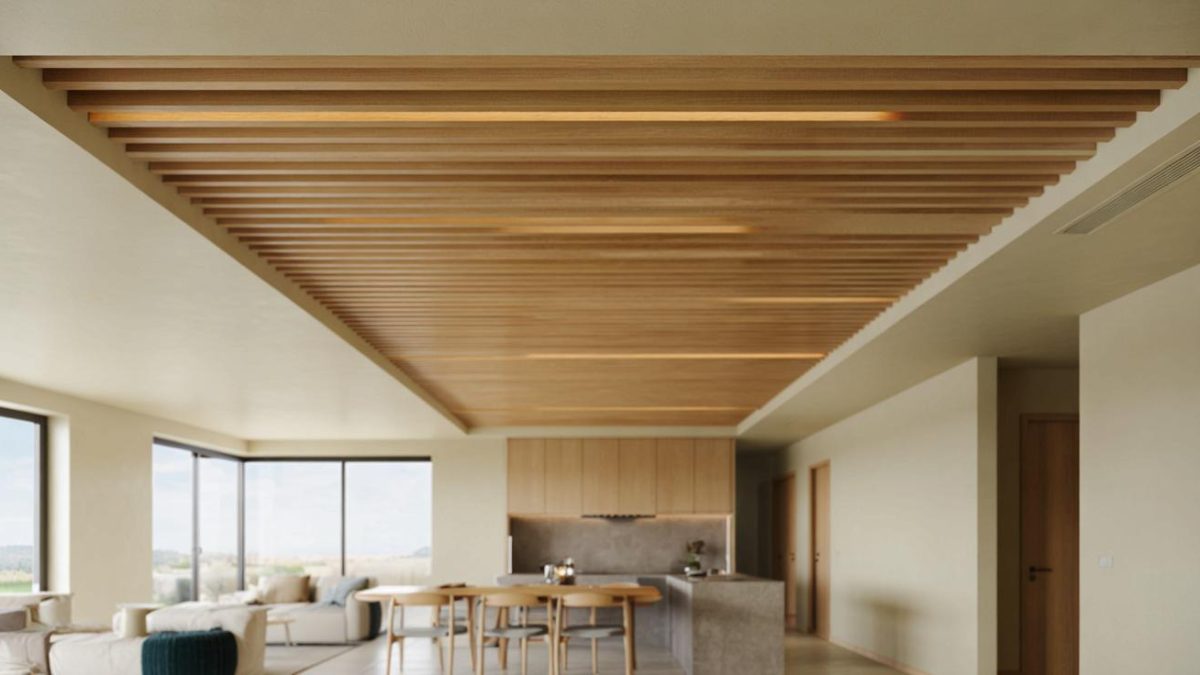
In the heart of modern homes, a remarkable transformation is unfolding. The once-forgotten wood ceiling is making a stunning comeback, shedding its outdated image and emerging as a design statement that captivates architects, interior designers, and homeowners alike. This resurgence is not merely a nostalgic nod to the past, but a testament to the timeless appeal and versatility of this natural material.
Gone are the days when wood ceilings were associated with stuffy, dimly lit spaces. Today, designers are harnessing the inherent warmth, texture, and organic beauty of wood to create breathtaking, contemporary interiors that seamlessly blend tradition and innovation. From sleek, minimalist lofts to cozy, rustic retreats, wood ceilings are finding their way into the most design-forward homes, transforming spaces and captivating the senses.
Embracing the Natural Allure of Wood
The appeal of wood ceilings lies in their ability to infuse a space with a sense of authenticity and depth. In an era where many interiors can feel cold and impersonal, the natural variations and distinctive grains of wood offer a tactile and visually striking counterpoint. Designers are increasingly drawn to the way wood can anchor a room, adding a sense of warmth and character that synthetic materials often struggle to replicate.
Moreover, the versatility of wood allows for endless design possibilities. From the rustic charm of weathered barn beams to the sleek, modern lines of engineered wood panels, the options are limitless. This versatility has enabled designers to seamlessly integrate wood ceilings into a wide range of architectural styles, ensuring that the material can be celebrated in both traditional and contemporary settings.
Interestingly, the resurgence of wood ceilings is also driven by a growing awareness of the material’s sustainability and environmental benefits. As homeowners and designers seek to minimize their carbon footprint, the inherent eco-friendliness of wood has become an increasingly appealing factor in their design choices.
Reviving the Forgotten Charm of Wood Ceilings
For many, the wood ceiling has long been relegated to the realm of outdated and stuffy design choices, a relic of a bygone era. However, a new generation of designers and homeowners is challenging this perception, breathing new life into this forgotten material and transforming it into a coveted design element.
One of the key drivers behind this resurgence is the growing appreciation for the natural world and a desire to incorporate more organic elements into our living spaces. Wood, with its unique grain patterns and tactile qualities, offers a sense of warmth and connection to the natural environment that is often missing in modern, minimalist interiors.
As a result, designers are exploring innovative ways to incorporate wood ceilings into their projects, breaking free from the traditional mold and creating fresh, contemporary interpretations. From sleek, whitewashed panels to the rustic charm of exposed beams, the possibilities are endless, allowing homeowners to tailor the look and feel of their spaces to their personal preferences.
Seamlessly Blending Old and New
The comeback of wood ceilings is not just about embracing a new trend; it’s about finding a harmonious balance between the old and the new. Designers are skillfully weaving the timeless appeal of wood into modern, open-concept layouts, creating a cohesive and visually striking fusion of styles.
In some cases, this involves the preservation and restoration of historic wood beams or panels, celebrating the inherent character and patina of the material. In others, it’s about integrating contemporary wood designs that complement the architecture and aesthetic of the home, creating a sense of continuity and visual harmony.
By embracing this blending of old and new, designers are challenging the notion that wood ceilings are purely a nostalgic choice. Instead, they are demonstrating how this versatile material can be elevated to a modern design statement, seamlessly bridging the gap between the past and the present.
Practical Considerations for a Successful Wood Ceiling Installation
As the popularity of wood ceilings continues to grow, homeowners and designers alike must navigate a range of practical considerations to ensure a successful installation. From cost and maintenance to structural integrity and fire safety, these factors play a crucial role in determining the viability and long-term success of a wood ceiling project.
- ➡Bürgeralarm in Guadeloupe: Warum dieser harmlose Insel‑Schlange die Zeit davonläuft
- ➡Nie mehr Hochdruckreiniger: Mit diesem 2‑Produkte‑Trick wird die Terrasse wieder sauber
- ➡Terrassen-Falle: Darum dürfen Sie Unkraut jetzt noch nicht entfernen
- ➡Was du tun kannst, wenn du in einem wichtigen Gespräch plötzlich blank ziehst
One of the primary concerns is the cost of installing a wood ceiling, which can vary significantly depending on the type of wood, the complexity of the design, and the labor involved. Additionally, the ongoing maintenance required to keep a wood ceiling in pristine condition is an important consideration, as regular cleaning and occasional refinishing may be necessary to preserve its beauty.
In terms of structural integrity, it’s essential to work with experienced professionals who can ensure that the wood ceiling is properly supported and integrated into the overall building structure. Fire safety is another crucial factor, as certain wood species and installation methods may require additional measures to comply with local building codes and regulations.
Embracing the Versatility of Wood Ceilings
The comeback of wood ceilings is not just a trend; it’s a testament to the enduring appeal and versatility of this natural material. As designers continue to push the boundaries of what’s possible, homeowners are embracing the opportunity to infuse their living spaces with a sense of warmth, character, and timeless beauty.
From the sleek, minimalist lofts of urban centers to the cozy, rustic retreats of the countryside, wood ceilings are finding their way into a diverse range of architectural styles and design aesthetics. This versatility is a key factor in the material’s resurgence, as it allows homeowners to tailor the look and feel of their spaces to their personal preferences and lifestyle.
As the demand for wood ceilings continues to grow, it’s clear that this design element is not just a passing fad, but a lasting and meaningful addition to the world of interior design. By embracing the natural allure of wood and seamlessly blending old and new, homeowners and designers are creating spaces that are both visually stunning and deeply connected to the natural world.
The Lasting Impact of Wood Ceilings
The comeback of wood ceilings is more than just a design trend; it’s a reflection of a deeper shift in our collective consciousness. As we become increasingly aware of the environmental impact of our choices, the inherent sustainability and natural beauty of wood have become increasingly appealing to homeowners and designers alike.
By incorporating wood ceilings into their projects, designers are not only creating visually stunning spaces but also contributing to a more sustainable future. The use of this renewable material not only reduces the carbon footprint of a building but also supports local economies and preserves traditional craftsmanship.
Moreover, the enduring appeal of wood ceilings suggests that this design element is not just a passing fad, but a timeless and meaningful addition to the world of interior design. As the demand for wood ceilings continues to grow, it’s clear that this natural material will continue to shape the way we experience and interact with our living spaces for years to come.
FAQ
What are the main advantages of having a wood ceiling?
The main advantages of a wood ceiling include its natural beauty, warm and inviting atmosphere, sustainability, and versatility in design. Wood ceilings can add character and charm to a space, while also being environmentally friendly.
How do I maintain a wood ceiling?
Maintaining a wood ceiling typically involves regular dusting and cleaning, occasional refinishing or resealing to protect the wood, and addressing any issues like warping or moisture damage promptly. Working with a professional can help ensure the long-term care of a wood ceiling.
Can a wood ceiling be installed in any type of home?
While wood ceilings can be installed in a variety of homes, the feasibility and design will depend on the home’s architecture, structural considerations, and the homeowner’s desired aesthetic. Working with a professional is recommended to ensure a successful installation.
How much does a wood ceiling typically cost?
The cost of a wood ceiling can vary significantly depending on factors such as the type of wood, the complexity of the design, and the size of the space. On average, a wood ceiling can cost anywhere from $10 to $30 per square foot, not including installation.
Are there any potential drawbacks to having a wood ceiling?
Potential drawbacks of a wood ceiling include the higher cost compared to other ceiling options, the need for regular maintenance, and potential issues with moisture, warping, or structural integrity if not installed properly. It’s important to weigh the pros and cons and work with experienced professionals to ensure a successful installation.
Can a wood ceiling be painted or stained?
Yes, wood ceilings can be painted or stained to achieve a specific look or color palette. However, it’s important to choose a high-quality paint or stain that is compatible with the wood and will provide long-lasting protection and finish.
How does a wood ceiling compare to other ceiling materials in terms of energy efficiency?
Wood ceilings can actually offer improved energy efficiency compared to some other ceiling materials, as the natural insulating properties of wood can help regulate the temperature and reduce energy costs. However, proper insulation and ventilation are still important considerations.
Are there any building code or safety considerations for installing a wood ceiling?
Yes, there are typically building code and safety requirements that must be met when installing a wood ceiling, such as fire-rating, structural integrity, and proper ventilation. It’s essential to work with a licensed contractor who is familiar with the local regulations to ensure compliance and safety.