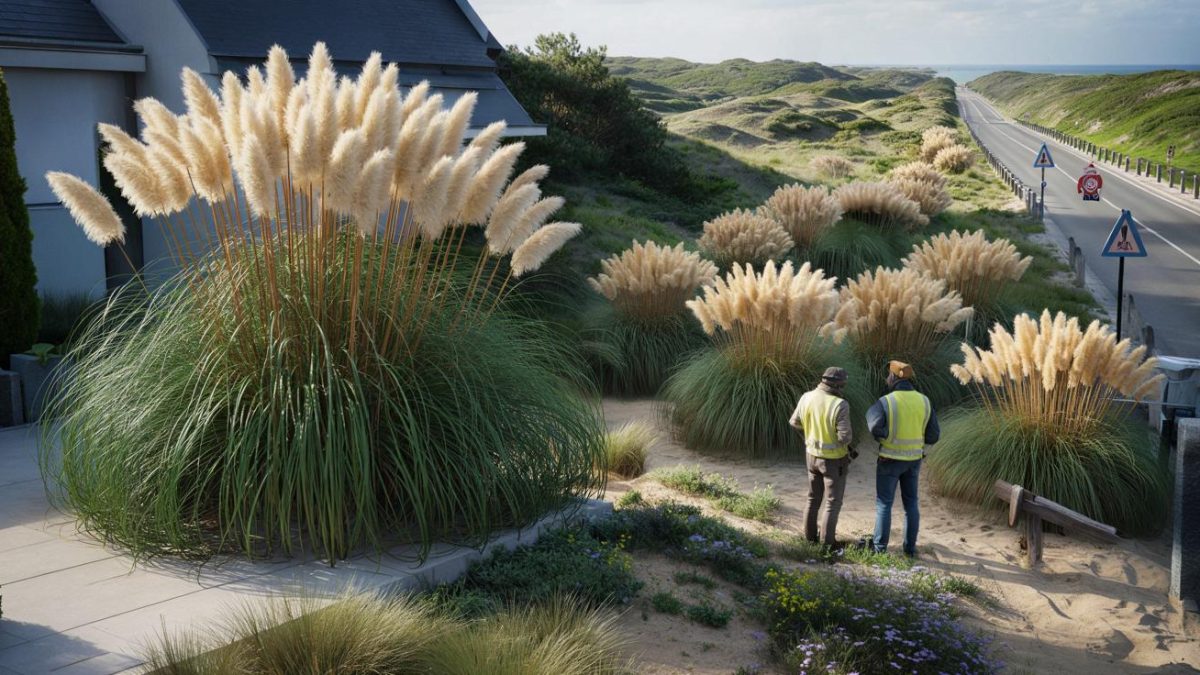
For years, pampas grass has been the epitome of the “boho” look in gardens, on terraces, and in living room vases. But as of 2023, this plant has found itself on the wrong side of the law in France. What was once a trendy ornamental has now become a problematic invasive species, leading authorities to take drastic measures to curb its spread.
The rise and fall of pampas grass’s popularity has been a rollercoaster ride, with its lush, feathery plumes captivating homeowners and designers alike. However, the plant’s rapid growth and ability to outcompete native species have now made it a target for regulation, leaving many gardeners and landscapers wondering what the future holds for this once-beloved plant.
The Allure and Threat of Pampas Grass
Pampas grass, with its towering white or pink inflorescences, has long been a favorite among those seeking to create a bohemian, natural aesthetic in their outdoor spaces. Its elegant, swaying silhouette has graced the pages of design magazines and adorned the yards of trendsetters. However, this ornamental grass is now being viewed in a much less favorable light.
The problem with pampas grass is its ability to spread rapidly and outcompete native plant species. Originally from South America, the grass has found the climate in France to be well-suited for its growth, allowing it to proliferate and disrupt the local ecosystem. This invasive behavior has led authorities to take action, placing pampas grass on the list of prohibited plants in the country.
Experts warn that the unchecked spread of pampas grass can have dire consequences for the environment, as it can displace native vegetation, reduce biodiversity, and even increase the risk of fire. The decision to ban the plant is a proactive measure to protect the delicate balance of French ecosystems.
The Legal Crackdown on Pampas Grass
In France, the legal restrictions on pampas grass are clear and comprehensive. As of 2023, it is now illegal to plant, sell, or transport pampas grass within the country. This ban extends to both cultivated and wild varieties of the plant, leaving no room for exceptions.
Homeowners who already have pampas grass growing in their gardens are required to remove and dispose of the plants. Failure to do so can result in hefty fines and even legal action. The authorities are taking this issue seriously, recognizing the need for swift and decisive action to curb the spread of this invasive species.
The ban on pampas grass is part of a larger effort by the French government to address the growing problem of invasive plants. By targeting popular ornamental species like pampas grass, they hope to raise awareness and encourage the use of more ecologically responsible alternatives.
The Fate of Pampas Grass Owners
For homeowners who have enjoyed the aesthetic appeal of pampas grass, the news of the ban has come as a disappointment. Many have invested time and money into cultivating and maintaining these plants, only to be told that they must now remove them.
The process of removing pampas grass can be challenging, as the plants have deep and extensive root systems. Homeowners may need to seek professional help to ensure the complete eradication of the plant, adding to the financial burden of complying with the new regulations.
Despite the inconvenience, experts emphasize the importance of following the law and removing pampas grass from private gardens. Failure to do so not only risks fines but also contributes to the further spread of the invasive species, undermining the efforts to protect the local ecosystem.
The Wider Implications for Ornamental Plants
The pampas grass ban has raised concerns among gardeners and landscapers about the future of other ornamental plants in France. Many wonder if this is the beginning of a broader crackdown on non-native species, and whether other popular garden plants could face similar restrictions.
Experts suggest that this case serves as a wake-up call for the gardening community to be more mindful of the environmental impact of their choices. They encourage the use of native plant species and the careful consideration of any non-native introductions, to ensure a sustainable and balanced ecosystem.
As the pampas grass saga unfolds, it remains to be seen how the French authorities will approach the regulation of other ornamental plants. Gardeners and industry professionals will need to stay informed and adaptable, as the landscape of acceptable plants continues to evolve.
The Lessons Learned from Pampas Grass
The pampas grass saga in France serves as a cautionary tale about the unintended consequences of introducing non-native species, even for decorative purposes. It highlights the importance of carefully considering the ecological impact of our gardening choices and the need for proactive measures to protect fragile ecosystems.
The decision to ban pampas grass reflects a growing awareness of the threats posed by invasive species and the need for more sustainable landscaping practices. As gardeners and policymakers navigate this issue, it is clear that the fate of pampas grass will have far-reaching implications for the future of ornamental plants in France.
Ultimately, the pampas grass saga serves as a reminder that our personal preferences must be balanced with the greater good of the environment. As we strive to create beautiful outdoor spaces, we must also be mindful of the delicate balance of nature and our responsibility to protect it.
| Year | Pampas Grass Popularity | Ecological Concerns |
|---|---|---|
| Pre-2023 | High, seen as trendy and desirable | Largely overlooked |
| 2023 | Declined, now banned in France | Recognized as an invasive threat to local ecosystems |
“Pampas grass may have been a fashionable choice, but its rapid growth and ability to outcompete native plants have made it a serious threat to the delicate balance of our ecosystems. The decision to ban it was necessary to protect the long-term health of our natural habitats.”
– Marie Dupont, Environmental Policy Specialist
Also Read
- ➡Geniale Winter-Trickmethode: Mit „Lasagne-Garten“ jetzt Traumbeete für den Frühling anlegen
- ➡Warum Amseln Futterhäuser meiden – und wie Sie ihnen im Winter wirklich helfen
- ➡Nordbalkon und Schattengarten: Diese 7 Blumen leuchten den ganzen Sommer
- ➡Neue The Last of Us‑Sammlerstatue: Joel und Ellie kehren zurück
“While the removal of pampas grass may be inconvenient for some homeowners, it’s crucial that we all do our part to address the problem. Invasive species can have devastating impacts, and we need to be proactive in preventing their spread.”
– Pierre Mercier, Horticulture Researcher
“This case serves as a wake-up call for the gardening industry and homeowners alike. We need to be more mindful of the ecological consequences of our landscaping choices and prioritize the use of native plants that support local biodiversity.”
– Sylvie Chevalier, Sustainable Landscape Designer
Also Read
- ➡Joghurt am Abend: Schlankmacher, Schlafhelfer – oder Bauchfalle?
- ➡Pestizid-Schock 2026: Dieser beliebte Fruchtklassiker ist am stärksten belastet
- ➡Chanel-Show in Paris: Inès de la Fressange macht die weiße Hose wieder heiß
- ➡5 heimliche Verhaltensmuster, die verraten: Dieser Mensch ist nie erwachsen geworden
As the pampas grass saga continues to unfold, it’s clear that this once-beloved ornamental has become a thorn in the side of French authorities. The decision to ban the plant is a necessary step in protecting the country’s fragile ecosystems, but it also raises important questions about the future of gardening and the role we all play in maintaining a healthy, sustainable environment.
What is pampas grass, and why is it considered an invasive species in France?
Pampas grass is a tall, ornamental grass native to South America. It has become a popular landscaping plant in many parts of the world, including France, due to its attractive, feathery plumes. However, pampas grass is now considered an invasive species in France because it can quickly spread and outcompete native plants, disrupting local ecosystems.
When did the ban on pampas grass go into effect in France?
The ban on pampas grass in France went into effect in 2023. This means it is now illegal to plant, sell, or transport pampas grass within the country.
What are the consequences for homeowners who don’t remove pampas grass from their gardens?
Homeowners who fail to remove pampas grass from their gardens can face hefty fines and potentially legal action. The authorities are taking this issue seriously and are enforcing the ban to prevent the further spread of this invasive species.
Will other ornamental plants be banned in France due to the pampas grass case?
The pampas grass ban has raised concerns about the future regulation of other ornamental plants in France. Experts suggest that this case may lead to a broader crackdown on non-native species, and gardeners should be prepared for the possibility of additional plant restrictions in the future.
How can homeowners and gardeners adapt to the pampas grass ban?
Homeowners with pampas grass in their gardens will need to remove and properly dispose of the plants to comply with the law. Gardeners and landscapers should also consider using more environmentally-friendly, native plant species in their designs to support local ecosystems.
What are the key lessons learned from the pampas grass saga in France?
The pampas grass case highlights the importance of carefully considering the ecological impact of our gardening and landscaping choices. It serves as a cautionary tale about the unintended consequences of introducing non-native species, even for decorative purposes, and the need for more sustainable gardening practices.
How can the public and authorities work together to address the pampas grass issue?
Effective collaboration between the public, gardening experts, and regulatory authorities will be crucial in addressing the pampas grass problem. This may involve educational campaigns, incentives for native plant use, and ongoing monitoring and enforcement of the ban to ensure the long-term protection of local ecosystems.
What are some alternatives to pampas grass that gardeners can consider?
If you’re looking for an alternative to pampas grass, consider native ornamental grasses or other non-invasive plants that are better suited to your local environment. Some options include switchgrass, little bluestem, or prairie dropseed.