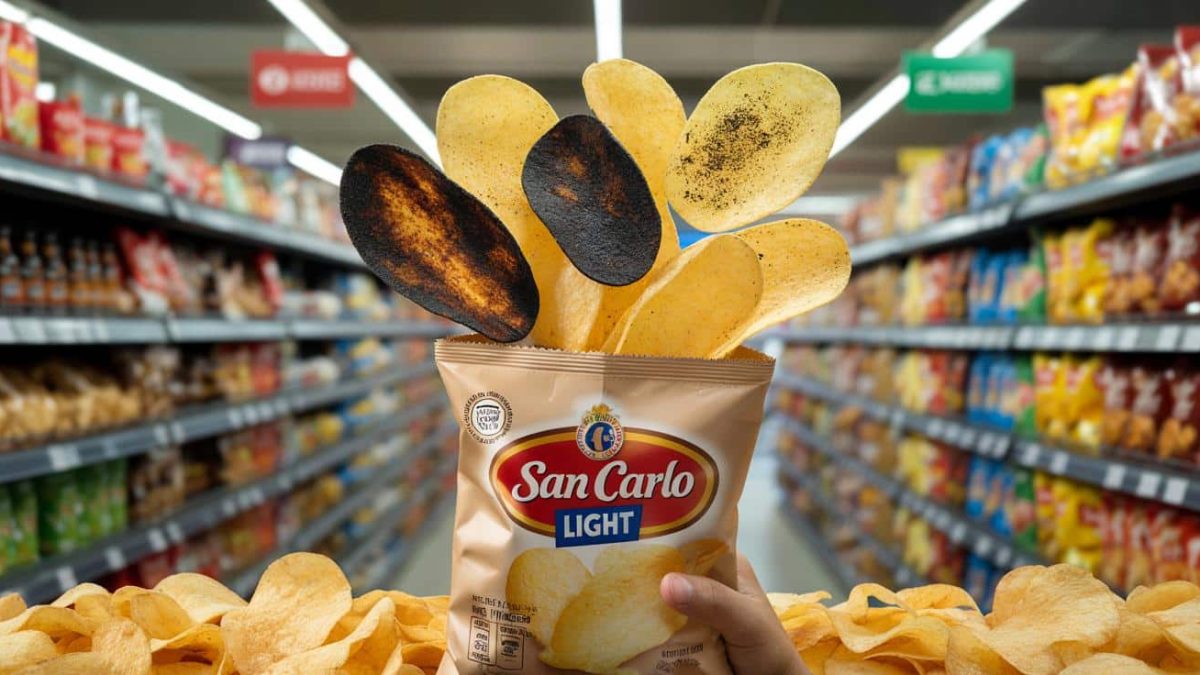
It was supposed to be a relaxing snack night for a customer in Piedmont, Italy. But when she opened a bag of San Carlo potato chips, she was met with a shocking surprise – dark, almost black spots dotting the crunchy snacks. This unexpected discovery quickly turned her casual evening into a full-blown consumer concern, prompting the manufacturer to go on the defensive.
As the customer shared her alarming find on social media, San Carlo, the renowned Italian snack brand, found itself in the hot seat, forced to address the unsettling issue head-on. The company’s response would not only shape public perception but also shed light on the intricate world of potato chip production and the delicate balance between natural imperfections and product safety.
A Shocking Snack Discovery
The customer, who has chosen to remain anonymous, was enjoying a quiet evening at home when she decided to indulge in a bag of San Carlo potato chips. However, as she began to munch on the crisps, she was taken aback by the sight of dark, almost black spots scattered throughout the chips.
Concerned for her safety and the quality of the product, the customer quickly documented the issue and took to social media to share her experience. Her post quickly gained traction, sparking a wave of reactions from fellow consumers who were equally alarmed by the unexpected blemishes.
The customer’s complaint was clear and direct – she wanted answers from the manufacturer about the cause of the discoloration and assurances that the chips were safe for consumption. The ball was now firmly in San Carlo’s court, as the company faced the challenge of addressing the customer’s concerns and restoring confidence in its brand.
San Carlo’s Response: Natural Imperfections or Cause for Concern?
San Carlo, known for its premium quality potato chips, wasted no time in responding to the customer’s complaint. In a statement, the company acknowledged the issue and sought to reassure consumers that the dark spots were simply “natural imperfections of the potato” and not a cause for alarm.
“The dark spots found in the chips are a natural imperfection of the potato, which is a natural product. These imperfections do not pose any health risk and are completely harmless to consumers.”
The company further explained that these natural variations in color can occur due to factors such as the potato’s growing conditions, storage, and processing. San Carlo emphasized that their production processes are closely monitored to ensure the highest quality and safety standards, and that the occasional presence of such blemishes does not compromise the overall integrity of their products.
Despite the company’s efforts to downplay the issue, the customer remained unconvinced, raising additional questions about the cause of the discoloration and the potential health implications. The saga highlighted the delicate balance that manufacturers must strike between acknowledging and addressing consumer concerns while maintaining the trust and confidence of their loyal customer base.
The Science Behind Potato Chip Discoloration
To better understand the underlying causes of the dark spots observed in the San Carlo potato chips, it’s essential to delve into the science behind the production of these popular snacks.
Potato chips are made from thinly sliced potatoes that are fried to a crisp. During this process, various chemical reactions can occur that can lead to changes in the appearance and texture of the final product. One of the key factors that can contribute to discoloration is the presence of enzymes called polyphenol oxidases, which can cause potatoes to turn brown or black when exposed to oxygen.
Additionally, factors such as the potato variety, growing conditions, storage, and even the frying temperature can all play a role in the appearance of the final chips. While some degree of natural variation is to be expected, the presence of significant and widespread discoloration may indicate issues with the quality control or processing methods employed by the manufacturer.
Navigating the Fine Line: Imperfections or Food Safety Risks?
The San Carlo incident highlights the delicate balance that consumers, manufacturers, and regulatory bodies must navigate when it comes to the evaluation of food product quality and safety. While the company insists that the dark spots are harmless “natural imperfections,” the customer’s concerns about the potential health risks cannot be dismissed entirely.
“As a food safety expert, I would advise consumers to be cautious about any significant or widespread discoloration in food products. While natural variations may be acceptable, extensive blemishes could indicate issues with the raw materials or processing that may compromise the overall quality and safety of the product.”
This case underscores the importance of clear and transparent communication between manufacturers and consumers. Customers have a right to expect safe and consistent products, while manufacturers must be willing to address concerns and provide accurate, science-based explanations to maintain trust and confidence in their brand.
Ultimately, the San Carlo incident serves as a reminder that the relationship between producers and consumers is a delicate one, requiring a balance of understanding, accountability, and a genuine commitment to quality and safety.
- ➡Vor Ostern flog sein Doppelleben auf: Mein Mann verkaufte heimlich unser Leben
- ➡Nackenschmerzen nach dem Aufwachen? Diese einfachen Tricks helfen wirklich
- ➡Kurzhaarfrisuren 2025: 6 trendige Styling-Inspirationen
- ➡Diese kurze Mobilitätsroutine kann laut Sportärzten helfen, Gelenke beweglich und schmerzfrei zu halten
Embracing Feedback: The Key to Continuous Improvement
As the San Carlo saga unfolds, the importance of actively seeking and responding to consumer feedback becomes increasingly evident. For manufacturers, customer complaints and concerns should be viewed as opportunities for growth and improvement, rather than mere nuisances.
By actively engaging with their customer base and addressing issues in a transparent and proactive manner, companies can not only resolve immediate problems but also gain valuable insights into the evolving expectations and perceptions of their target market. This feedback can then be used to refine production processes, improve quality control, and ultimately deliver a superior product that meets the needs and demands of discerning consumers.
“Listening to customer feedback is crucial for any manufacturer, especially in the food industry. It allows companies to stay ahead of emerging issues, identify areas for improvement, and continuously enhance the quality and safety of their products.”
By embracing this feedback loop, San Carlo and other snack producers can demonstrate their commitment to excellence, build stronger customer loyalty, and position themselves as industry leaders dedicated to delivering the highest standards of quality and safety.
Lessons Learned: Navigating the Challenges of Natural Variations
The San Carlo incident serves as a valuable case study for both consumers and manufacturers, highlighting the nuanced challenges of navigating the world of natural product variations and their potential impact on food safety and quality.
For consumers, this event underscores the importance of maintaining a critical eye when it comes to the products they consume. While minor imperfections may be acceptable, significant or widespread blemishes should prompt further inquiry and, if necessary, communication with the manufacturer.
Conversely, for manufacturers, this case reinforces the need for robust quality control measures, transparent communication, and a willingness to address consumer concerns in a timely and constructive manner. By proactively addressing issues and continuously seeking feedback, companies can build stronger relationships with their customers and enhance the overall trust and confidence in their brand.
FAQ
What caused the dark spots in the San Carlo potato chips?
According to San Carlo, the dark spots were “natural imperfections of the potato” caused by factors such as growing conditions, storage, and processing. These color variations are a common occurrence in potato-based products and do not necessarily indicate a safety concern.
Are the San Carlo chips safe to eat?
San Carlo has stated that the dark spots do not pose any health risks and are completely harmless to consumers. However, some experts advise caution when faced with significant or widespread discoloration, as it could indicate broader quality control or processing issues.
How did the customer react to San Carlo’s response?
The customer remained unconvinced by San Carlo’s explanation, continuing to raise questions about the cause of the discoloration and the potential health implications. The ongoing dialogue between the customer and the manufacturer highlights the need for transparent communication and a willingness to address consumer concerns.
What can consumers do if they encounter similar issues with food products?
Consumers should first contact the manufacturer to report the issue and seek an explanation. If they are not satisfied with the response or have ongoing concerns, they can escalate the matter to relevant consumer protection agencies or regulatory bodies for further investigation.
How can manufacturers improve their response to customer complaints?
Manufacturers should view customer feedback as an opportunity for improvement rather than a nuisance. By actively engaging with consumers, providing transparent and science-based explanations, and demonstrating a genuine commitment to quality and safety, companies can build stronger relationships and enhance customer trust.
- ➡Blutzucker im Griff: Wann Frühstück wirklich gesund für Sie ist
- ➡Bob kurz ist zurück: warum der Trend-Schnitt 2026 alle Stars packt
- ➡Wohntrends 2025: So holst du dir Japandi-Harmonie mit SHEIN ins Zuhause
- ➡Knieschmerzen beim Radfahren: Sporttrainer verraten die kleine Sattel-Einstellung, die oft übersehen wird
What are the key lessons from the San Carlo incident?
The San Carlo incident highlights the delicate balance between natural product variations and food safety concerns, as well as the importance of clear communication and a willingness to address consumer feedback. Both consumers and manufacturers can learn from this case to enhance their understanding and approach to product quality and safety.
How can manufacturers prevent similar issues in the future?
Manufacturers should strengthen their quality control measures, closely monitor production processes, and actively seek customer feedback to identify and address emerging issues. Regular audits, continuous improvement initiatives, and transparent communication can help prevent similar incidents and maintain consumer trust.
What role do regulatory bodies play in ensuring food safety?
Regulatory bodies are responsible for setting and enforcing safety standards for food products. In cases where consumer concerns are not adequately addressed by manufacturers, these agencies can investigate further and take appropriate action to protect public health and safety.