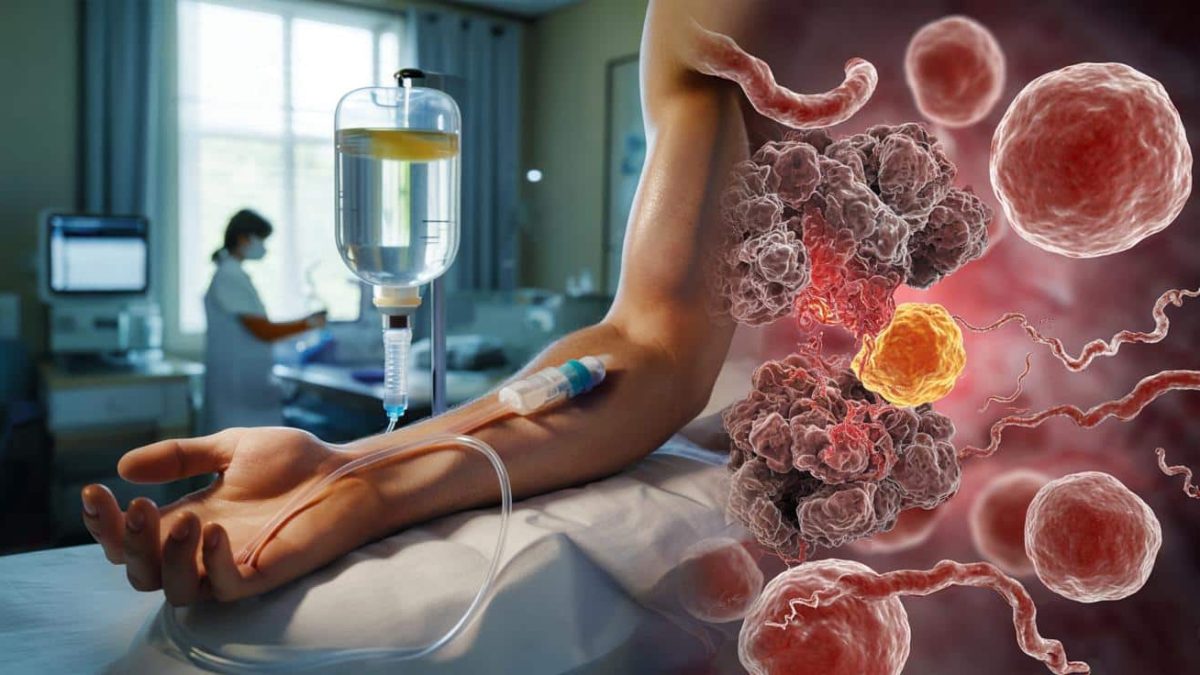
The word “chemotherapy” often conjures up images of debilitating side effects – nausea, hair loss, a weakened immune system. Many wonder silently: How can a poison that harms healthy cells also save lives?
The answer lies in the complex and delicate balance that oncologists must strike when administering these powerful, yet indiscriminate, drugs. While chemotherapy does attack cancer cells, it can also inadvertently damage the body’s healthy cells in the process. Understanding this dual-edged nature is crucial for both patients and medical professionals alike.
In the fight against cancer, chemotherapy remains a critical weapon in the arsenal. Yet its use requires a careful, nuanced approach to maximize its benefits and minimize its collateral damage. This article explores the science behind chemotherapy’s attacks on healthy cells, the reasons why this brutal strategy can still be effective, and the emerging therapies that aim to target cancer more precisely.
The Vulnerable Point of Rapidly Dividing Cancer Cells
Cancer cells are characterized by their rapid, uncontrolled division – a trait that sets them apart from healthy cells. This rapid growth is both a blessing and a curse for oncologists. It’s the very reason why chemotherapy can be effective, but it’s also the reason why healthy cells get caught in the crossfire.
Chemotherapy drugs work by targeting the cell division process, interrupting the cancer cells’ ability to replicate. However, this mechanism doesn’t discriminate between malignant and benign cells. Rapidly dividing cells, whether cancerous or not, are vulnerable to the destructive effects of these medications.
This lack of specificity is what leads to the common side effects of chemotherapy, as healthy cells in the hair, digestive system, and immune system are also damaged in the process. Understanding this dynamic is crucial for patients and their loved ones, as it helps to manage expectations and prepare for potential challenges during treatment.
Why Healthy Cells Get Destroyed, Too
Chemotherapy drugs are designed to exploit the vulnerability of rapidly dividing cells, but this inherent lack of selectivity is what leads to the collateral damage of healthy tissues. Cells in the hair follicles, the digestive system, and the bone marrow are all actively dividing and, therefore, susceptible to the cytotoxic effects of chemotherapy.
This indiscriminate attack on both cancerous and healthy cells is a necessary evil in the fight against cancer. Oncologists must carefully balance the potential benefits of the treatment against the risk of these side effects, carefully tailoring the dosage and timing to minimize the harm to the patient’s overall health.
- ➡Terrasse in einer Stunde moosfrei: Dieser 35-Cent-Trick schlägt jeden Hochdruckreiniger
- ➡Dusche endlich streifenfrei: Warum Natron nervt – und diese Essig-Methode alles leichter macht
- ➡Geheime Chronik der Meere: Was Schildkrötenpanzer wirklich verraten
- ➡Glücklich im Ruhestand: 7 einfache Alltagsgewohnheiten, die alles ändern
While the destruction of healthy cells is an unavoidable consequence of chemotherapy, it’s important to note that the human body is remarkably resilient. Many of the affected tissues, such as the hair and the digestive system, have the ability to regenerate and recover once the treatment is complete.
Why This Brutal Strategy Can Still Work
Despite the collateral damage to healthy cells, chemotherapy remains a critical component of cancer treatment due to its ability to target the rapid division and growth of malignant cells. Cancer cells, by their very nature, are more vulnerable to the disruptive effects of these drugs, as their uncontrolled growth makes them more susceptible to the disruption of cell division.
Oncologists leverage this vulnerability by carefully calibrating the chemotherapy regimen, administering the drugs in a way that maximizes the impact on cancer cells while minimizing the harm to healthy tissues. This often involves a delicate balance of dosage, timing, and combination therapies to achieve the desired effect.
Furthermore, the human body’s remarkable ability to recover and regenerate provides a window of opportunity for chemotherapy to be effective. While healthy cells may be damaged in the process, they often have a greater capacity to heal and bounce back than the relentlessly dividing cancer cells.
How Oncologists Seek to Balance the Equation
| Approach | Description |
|---|---|
| Targeted Dosing | Oncologists carefully calculate the optimal dosage of chemotherapy drugs, aiming to deliver the maximum impact on cancer cells while minimizing harm to healthy tissues. |
| Combination Therapy | By using a combination of different chemotherapy drugs, oncologists can target cancer cells through multiple mechanisms, potentially enhancing the overall effectiveness while reducing the side effects of any single medication. |
| Supportive Care | Alongside chemotherapy, oncologists provide supportive care to help manage the side effects and promote the recovery of healthy cells, such as anti-nausea medications, growth factors, and dietary interventions. |
The quest to find the right balance is an ongoing challenge for oncologists, as they must constantly weigh the potential benefits of chemotherapy against the risks of its side effects. By using a multifaceted approach, they strive to maximize the treatment’s impact on cancer while minimizing the collateral damage to the patient’s overall health.
Emerging Therapies Aim for More Targeted Strikes
As the limitations of traditional chemotherapy become more apparent, the medical community is actively exploring new, more targeted approaches to cancer treatment. These innovative therapies aim to selectively attack cancer cells while sparing healthy tissues, minimizing the harmful side effects that have long been associated with chemotherapy.
One such approach is the development of monoclonal antibodies, which are designed to recognize specific proteins or markers on the surface of cancer cells. By binding to these targets, the antibodies can either directly kill the cancer cells or deliver potent cytotoxic payloads with greater precision.
Another promising avenue is the use of targeted small-molecule inhibitors, which interfere with specific molecular pathways that are critical for cancer cell growth and survival. These drugs can be tailored to target the unique genetic and molecular profiles of an individual’s cancer, reducing the collateral damage to healthy cells.
“The goal is to develop therapies that are more like guided missiles, homing in on the cancer cells while leaving the healthy cells unharmed,” explains Dr. Sarah Maddox, a renowned oncologist and researcher. “This represents a significant shift in our approach to cancer treatment, one that we hope will ultimately improve outcomes and quality of life for patients.”
While these newer therapies are not a panacea, they offer the promise of a more refined and targeted approach to cancer management. As research and clinical trials continue to progress, patients and their loved ones can look forward to a future where the devastating side effects of chemotherapy may be reduced or even eliminated altogether.
The Importance of Patient Education and Realistic Expectations
For many patients and their families, the news that chemotherapy can harm healthy cells can be both alarming and disheartening. It’s important to understand, however, that this collateral damage is often a necessary trade-off in the fight against cancer.
- ➡IKEA verpasst Kult-Regal BILLY einen radikalen Look in Kobaltblau
- ➡Diese neue Couchtisch-Kombi erobert gerade alle Wohnmagazine
- ➡Dieser beliebte Waschgang kann deine Bettwäsche ruinieren und auf Dauer sogar der Maschine schaden
- ➡Vogelschutz im Winter: Warum ungesalzene Fettfütterung jetzt überlebenswichtig ist
“Patients need to have a clear understanding of the risks and benefits of chemotherapy,” says Dr. Liam Nguyen, a leading oncology nurse practitioner. “While the side effects can be challenging, it’s crucial that they go into treatment with realistic expectations and a willingness to work closely with their care team to manage those side effects.”
By educating patients and their loved ones about the science behind chemotherapy’s mechanism of action, healthcare providers can help set appropriate expectations and empower patients to take an active role in their treatment journey. This open dialogue can also encourage patients to communicate any concerns or side effects they may be experiencing, allowing the care team to respond proactively and adjust the treatment plan as needed.
Ultimately, the balance between the benefits of chemotherapy and its collateral damage is a delicate one, requiring a collaborative effort between patients, their families, and the dedicated healthcare professionals who are committed to helping them navigate this challenging process.
FAQ
How does chemotherapy target cancer cells specifically?
Chemotherapy drugs exploit the rapid division and growth of cancer cells, which make them more vulnerable to the disruption of cell division processes. While these drugs cannot distinguish between cancerous and healthy cells, the cancer cells’ uncontrolled growth makes them more susceptible to the cytotoxic effects of chemotherapy.
Why do healthy cells get damaged during chemotherapy?
Chemotherapy drugs are not selective and can also harm rapidly dividing healthy cells, such as those in the hair, digestive system, and bone marrow. This collateral damage is an unavoidable consequence of the way these drugs work, but oncologists strive to minimize the harm through careful dosing, combination therapies, and supportive care.
Can the side effects of chemotherapy be managed?
Yes, healthcare providers use a variety of strategies to help manage the side effects of chemotherapy, including anti-nausea medications, growth factors, and dietary interventions. Ongoing communication between patients and their care team is crucial to identify and address any side effects promptly.
What are the newer, more targeted cancer therapies?
Emerging cancer treatments, such as monoclonal antibodies and targeted small-molecule inhibitors, aim to selectively target cancer cells while sparing healthy tissues. These therapies leverage specific molecular markers or pathways found in cancer cells, with the goal of minimizing the harmful side effects associated with traditional chemotherapy.
How important is patient education in the context of chemotherapy?
Patient education is crucial, as it helps set realistic expectations and empowers patients to actively participate in their treatment journey. By understanding the science behind chemotherapy’s mechanism of action and the potential side effects, patients can work closely with their healthcare providers to manage the challenges and optimize their outcomes.
- ➡Ich bin platt, mach du das“: Warum dieser Satz immer schlechter ankommt
- ➡Diese 5 Möbel sollten Sie niemals streichen – sonst verlieren sie fast ihren ganzen Wert
- ➡AI stellt unsere Fingerabdrücke auf den Kopf – Gefahr für Verbrecher?
- ➡Lidl dreht an der Punkte-Schraube: So lohnt sich Lidl Plus jetzt wirklich
What is the key to balancing the benefits and risks of chemotherapy?
The key is a collaborative effort between patients, their families, and the dedicated healthcare team. Oncologists must carefully weigh the potential benefits of chemotherapy against the risks of side effects, while patients must be willing to communicate any concerns and work with their providers to manage the challenges.
How do new targeted therapies differ from traditional chemotherapy?
Newer targeted therapies, such as monoclonal antibodies and small-molecule inhibitors, are designed to selectively attack cancer cells while sparing healthy tissues. This represents a significant shift from the more indiscriminate nature of traditional chemotherapy, which can also harm rapidly dividing healthy cells.
What is the role of patient education in managing chemotherapy side effects?
Patient education is crucial in helping patients and their loved ones understand the science behind chemotherapy and set realistic expectations. This knowledge empowers patients to communicate openly with their healthcare providers, allowing for proactive management of side effects and optimization of the treatment plan.