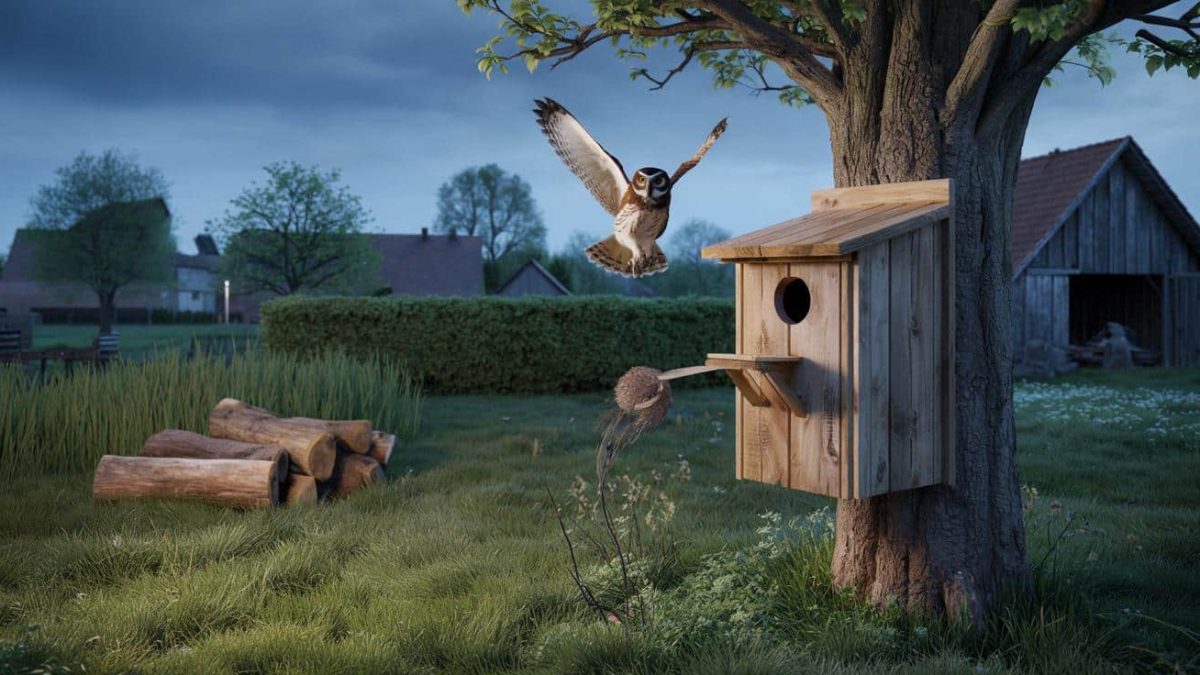
In the quiet moments before dawn, when the world is still sleeping, a rare and mysterious visitor arrives in our backyards. The owl, a symbol of wisdom and grace, glides silently through the night, hunting for prey and seeking a safe haven to rest. But as our urban sprawl expands and natural habitats shrink, these magnificent birds face increasing challenges to their survival.
Yet, there is hope. With a simple act, each of us can make a difference and provide a lifeline to our feathered friends. By creating a cozy nesting spot for owls, we can not only witness the wonder of these elusive creatures but also help preserve the delicate balance of our local ecosystems.
Unveiling the Hidden Struggles of Owls
Owls are often perceived as mysterious and aloof, but the reality is far more complex. Many species of owls, such as the barn owl and the little owl, are facing significant threats to their survival. From habitat loss and fragmentation to the use of pesticides and the ever-increasing presence of artificial lighting, these challenges have made it increasingly difficult for owls to find suitable nesting sites and thrive.
The plight of owls is a reflection of the broader environmental challenges we face. As our cities and towns expand, we encroach on the natural habitats that these remarkable creatures depend on. This not only disrupts the delicate balance of the ecosystem but also deprives owls of the resources they need to survive and reproduce.
Recognizing the importance of owls and taking action to support their conservation is a crucial step in preserving the health of our local environments. By providing a safe haven for these nocturnal predators, we can not only ensure their continued presence in our neighborhoods but also reap the benefits of their role in maintaining a balanced ecosystem.
The Power of a Simple Nesting Box
One of the most effective ways to support owls is by installing a nesting box in your backyard. These specially designed boxes provide a safe and secure place for owls to roost and raise their young, offering a much-needed alternative to the dwindling natural cavities and hollows they would typically use.
The benefits of a nesting box go beyond just providing a home for owls. These boxes can also serve as a valuable tool for monitoring the local owl population, helping researchers and conservationists better understand the challenges these birds face and develop more effective strategies for their protection.
Constructing or purchasing a nesting box is a simple and affordable way to make a tangible difference in the lives of owls. Whether you choose to build your own or opt for a pre-made option, the impact of your contribution can be significant, providing a lifeline for these remarkable creatures and ensuring their continued presence in our local landscapes.
- ➡Gärtner-Trick im März: Diese 5 Pflanzen müssen jetzt geschnitten werden
- ➡Diesen Trick mit Draht kennen nur echte Rosenprofis
- ➡Genialer 0‑Euro-Trick: So bauen Sie aus einem Kleiderbügel eine Futterstation für Gartenvögel
- ➡Forscher finden 600 Jahre alte Weintraubenkerne in Klo-Grube – Pinot Noir DNA sorgt für Überraschung
The Vital Role of Owls in Our Ecosystems
Owls are more than just enigmatic symbols of the night – they play a crucial role in maintaining the delicate balance of our local ecosystems. As skilled predators, owls help to control the populations of small rodents and other prey, preventing them from becoming overabundant and disrupting the natural order.
Beyond their ecological importance, owls also hold immense cultural and symbolic significance. These birds have long been revered for their wisdom, grace, and the air of mystery that surrounds them. By supporting the conservation of owls, we not only ensure the health of our local environments but also preserve the rich tapestry of natural and cultural heritage that they represent.
Investing in the protection of owls is an investment in the future of our planet. By taking the simple step of providing a nesting box, we can contribute to the long-term sustainability of these remarkable creatures and the ecosystems they inhabit, ensuring that future generations can marvel at the sight of these silent hunters gliding through the night sky.
Crafting the Perfect Nesting Box
| Feature | Recommendation |
|---|---|
| Size | Minimum dimensions: 9 x 9 x 15 inches (23 x 23 x 38 cm) |
| Entrance Hole | 3-4 inches (7.5-10 cm) in diameter, located 9-12 inches (23-30 cm) above the floor |
| Ventilation | Provide small holes or slots near the top to allow for air circulation |
| Insulation | Use weatherproof materials to protect the nest from extreme temperatures |
| Placement | Mount the box on a tree or pole, facing away from prevailing winds and at least 12-15 feet (3.6-4.6 m) off the ground |
When it comes to crafting the perfect nesting box for owls, attention to detail is key. By carefully considering factors like size, entrance hole placement, ventilation, and insulation, you can create a safe and inviting haven for these remarkable birds.
Whether you choose to build your own nesting box or purchase a pre-made option, the most important thing is to ensure that it meets the specific needs of owls. By providing a comfortable and secure home, you’re not only giving these creatures a fighting chance but also contributing to the overall health and biodiversity of your local ecosystem.
Remember, the simple act of installing a nesting box can have a profound impact, and it’s a testament to the power of individual action in the face of environmental challenges. So, let’s roll up our sleeves and get to work – our feathered friends are counting on us!
Additional Ways to Support Owls
While a nesting box is a fantastic starting point, there are additional steps you can take to further support the conservation of owls in your local area. Consider these additional actions:
| Action | Impact |
|---|---|
| Reduce Pesticide Use | Owls are sensitive to the accumulation of pesticides in their prey, which can lead to population declines. Opt for organic gardening methods to create a safer environment. |
| Minimize Artificial Lighting | Excessive artificial lighting can disrupt the natural hunting patterns of owls and other nocturnal species. Use motion-sensor lights or limit outdoor lighting to essential areas. |
| Plant Native Vegetation | Incorporating native plants into your garden can provide essential food and shelter for the small rodents and insects that owls rely on, supporting the entire local ecosystem. |
| Educate Your Community | Sharing your knowledge and enthusiasm for owls can inspire others to take action and help spread awareness about the importance of these remarkable birds. |
By combining the installation of a nesting box with these additional measures, you can create a truly owl-friendly environment that supports the long-term sustainability of these incredible creatures. Together, we can make a lasting difference in the lives of owls and the health of our local ecosystems.
Frequently Asked Questions
When is the best time to install a nesting box for owls?
The ideal time to install a nesting box is during the late fall or early winter, before the breeding season begins. This allows the owls to discover and become accustomed to the new nesting site well in advance of when they’ll start looking for a place to lay their eggs.
Do I need to clean the nesting box regularly?
It’s generally not necessary to clean the nesting box regularly, as owls prefer to maintain their own nests. However, it’s a good idea to inspect the box every few years and remove any built-up debris or old nesting materials to ensure the box remains in good condition.
- ➡Genialer Garten-Hack: Mit Eierkartons immer perfekten Knoblauch-Abstand setzen
- ➡Diese 13 Alltagslebensmittel können deinen Hund ernsthaft vergiften
- ➡So teuer ist ein Abendessen im Lieblings-Italiener von Fauve Hautot in Montmartre
- ➡Wer ständig aufschiebt, hat oft ein verborgenes Genie – sagt die Forschung
How can I tell if owls are using the nesting box?
Look for signs of activity, such as pellets (the indigestible parts of the owl’s prey) or white droppings around the entrance of the box. You may also hear the distinctive hooting calls of the owls, especially during the breeding season.
Do I need to provide any additional food or resources for the owls?
Owls are skilled hunters and can generally find their own food in the surrounding area. However, you can consider installing a bird bath or small water source near the nesting box to provide a reliable source of drinking water, especially during dry or hot periods.
What should I do if I find a sick or injured owl?
If you encounter a sick or injured owl, the best course of action is to contact your local wildlife rehabilitation center or conservation organization. These experts have the knowledge and resources to properly assess the owl’s condition and provide the necessary care and treatment.
Can I install multiple nesting boxes in my yard?
Yes, you can install multiple nesting boxes in your yard, as long as they are spaced at least 300 feet (90 meters) apart. This can provide additional nesting opportunities for owls and help support a larger population in your local area.
How can I attract more owls to my nesting box?
In addition to providing a well-designed nesting box, you can also consider planting native vegetation that attracts the small rodents and insects that owls prey upon. Minimizing artificial lighting and reducing pesticide use in your garden can also help create a more appealing environment for these remarkable birds.
Do I need a permit to install a nesting box for owls?
Requirements for installing nesting boxes may vary depending on your local regulations and the specific species of owl you’re hoping to attract. It’s always a good idea to check with your local wildlife or conservation authorities to ensure you’re in compliance with any applicable laws or regulations.