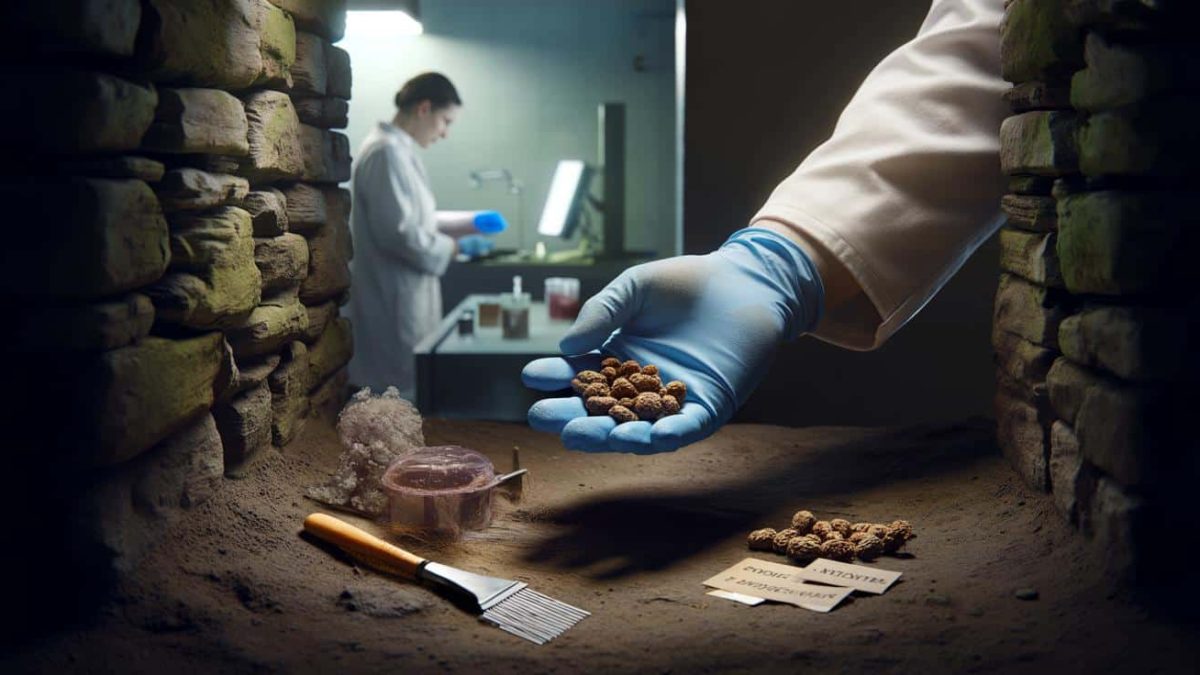
What began as a simple archaeological dig has transformed into a remarkable discovery that sheds new light on the history of winemaking. In a medieval hospital’s latrine in Valenciennes, France, researchers have uncovered a treasure trove of 600-year-old Pinot Noir grape seeds – a finding that has sent shockwaves through the world of enology.
The discovery is not merely a historical curiosity; it offers a glimpse into the evolution of one of the world’s most renowned grape varieties. By analyzing the ancient DNA of these long-forgotten seeds, scientists have been able to establish a direct lineage between the Pinot Noir of the 15th century and the beloved varietal we know and cherish today.
This remarkable finding not only illuminates the past but also holds profound implications for the future of winemaking. As the industry grapples with the challenges posed by climate change and shifting consumer preferences, the insights gleaned from this archaeological bounty may hold the key to preserving the integrity and heritage of iconic grape varieties like Pinot Noir.
Uncovering the Secrets of a Medieval Latrine
The discovery began as a routine archaeological excavation in the medieval hospital complex of Valenciennes, a city in northern France. What initially appeared to be mere refuse from centuries past soon revealed itself to be a treasure trove of historical significance.
Among the layers of discarded materials, researchers stumbled upon a cache of grape seeds that had been preserved for over 600 years. At first glance, these inconspicuous remnants seemed unremarkable, but a closer examination would soon uncover their true value.
Using the latest in genetic analysis techniques, the team of scientists set out to unravel the mysteries of these ancient seeds. Their findings would not only rewrite the history of winemaking in the region but also shed light on the evolution of one of the world’s most iconic grape varieties.
Pinot Noir’s Timeless Legacy
The analysis of the Pinot Noir seeds uncovered in the medieval latrine has confirmed that this beloved grape variety has been a staple of French viticulture for centuries. The DNA profiling conducted by the researchers has revealed an unbroken lineage, tracing the genetic blueprint of these 600-year-old specimens to the Pinot Noir grapes grown in the renowned vineyards of Burgundy today.
This discovery challenges the commonly held belief that the modern Pinot Noir we know and love is a relatively recent development. Instead, it suggests that this grape’s rich history and distinct flavor profile have been shaped by centuries of careful cultivation and selection.
The implications of this finding go beyond mere historical interest. As the wine industry navigates the complexities of climate change and evolving consumer preferences, the insights gleaned from these ancient seeds could hold the key to preserving the integrity and authenticity of the Pinot Noir grape.
From Monastery Gardens to Global Acclaim
The journey of Pinot Noir is a testament to the enduring power of human ingenuity and the relentless pursuit of excellence. Originating as a humble grape cultivated in the gardens of medieval monasteries, Pinot Noir has since become one of the most sought-after and celebrated varietals in the world.
The discovery of these 600-year-old seeds in the Valenciennes latrine sheds light on the early stages of Pinot Noir’s evolution, providing a glimpse into the viticulture practices and winemaking techniques of the past. By tracing the genetic lineage of these ancient specimens, researchers have gained invaluable insights into the centuries-long effort to refine and perfect this iconic grape.
As Pinot Noir continues to captivate wine enthusiasts and connoisseurs around the globe, the story of its rise to prominence serves as a testament to the enduring allure of timeless traditions and the relentless pursuit of quality.
Preserving the Past, Shaping the Future
The discovery of the Pinot Noir seeds in the medieval latrine of Valenciennes is not just a remarkable historical finding; it also holds the potential to shape the future of the wine industry. By understanding the genetic makeup and evolution of this iconic grape variety, researchers and winemakers can better navigate the challenges posed by climate change and shifting consumer preferences.
Through the use of paleo-genomic techniques, the researchers have been able to unlock the secrets of the past, revealing the genetic blueprint that has been passed down through the centuries. This knowledge can be leveraged to develop more resilient and adaptable Pinot Noir clones, ensuring that the unique flavor profile and heritage of this grape are preserved for generations to come.
Moreover, the insights gleaned from this discovery can inform the broader efforts to safeguard the diversity and authenticity of the world’s wine grapes. As the industry grapples with the threats of homogenization and the loss of genetic diversity, the Valenciennes latrine find serves as a powerful reminder of the importance of preserving our viticultural heritage.
Uncovering the Past, Shaping the Future
The discovery of the 600-year-old Pinot Noir seeds in the Valenciennes latrine is a testament to the remarkable power of scientific inquiry and the enduring allure of the winemaking tradition. By delving into the past, researchers have not only rewritten the history of one of the world’s most beloved grape varieties but also unlocked the keys to its future.
- ➡Aus Omas Leinenlaken werden 2026 begehrte Luxus-Unikate
- ➡Warum hohe Intelligenz so weh tun kann, wenn andere falsche Entscheidungen treffen
- ➡Vergessener Power-Strauch: Warum Holunder 2026 der heimliche Star im Garten wird
- ➡Kamin-Heizgeheimnis: Diese Pressholz-Briketts liefern bis zu dreimal mehr Wärme
As the wine industry navigates the challenges of a rapidly changing world, the insights gleaned from this archaeological treasure trove may hold the solutions to preserving the integrity and authenticity of iconic grape varieties like Pinot Noir. Through the application of cutting-edge genomic techniques and a deep respect for the lessons of the past, winemakers and scientists can work together to ensure that the timeless elegance of Pinot Noir continues to captivate palates for generations to come.
The story of the Valenciennes latrine discovery is a testament to the enduring power of human curiosity and the transformative potential of scientific exploration. By unearthing the secrets of the past, we not only deepen our understanding of the present but also pave the way for a future where the rich heritage of winemaking is safeguarded and celebrated.
| Grape Variety | Pinot Noir |
|---|---|
| Estimated Age of Seeds | 600 years |
| Location of Discovery | Valenciennes, France |
| DNA Analysis | Confirmed direct lineage to modern Pinot Noir |
“This discovery is a game-changer for our understanding of the history and evolution of Pinot Noir. The genetic continuity we’ve uncovered challenges the traditional narrative and opens up new avenues for preserving the integrity of this iconic grape variety.”
Also Read
- ➡Diese Haarfarbe lässt Frauen ab 50 sofort frischer und strahlender wirken
- ➡Altes Erbstück statt Sperrmüll: Mit diesem Trick wirkt dein Möbel wie neu
- ➡NASA bohrte 35 Meter in die Marsoberfläche – und machte eine bemerkenswerte Entdeckung
- ➡Rätselhafter Radioblitz im All: Neues Himmelsobjekt sendet alle 36 Minuten
– Dr. Émilie Durand, Paleo-Genomics Researcher, University of Lille
“The insights from this latrine find could prove invaluable in helping winemakers adapt to the challenges of climate change. By studying the genetic adaptations of these ancient Pinot Noir samples, we may unlock the keys to creating more resilient and flavorful clones for the future.”
– Étienne Lavallée, Oenologist and Viticulture Specialist, Burgundy Wine Council
“This discovery is a testament to the enduring power of scientific curiosity and the importance of preserving our viticultural heritage. By unearthing these ancient seeds, we’ve gained a unique window into the past that can guide us towards a more sustainable and authentic future for the wine industry.”
Also Read– Dr. Amélie Lefebvre, Director, French Institute of Oenology
The discovery of the 600-year-old Pinot Noir seeds in the Valenciennes latrine is a remarkable testament to the enduring power of scientific exploration and the rich history of winemaking. As researchers continue to unravel the secrets of the past, the insights gleaned from this archaeological treasure trove may hold the keys to preserving the integrity and authenticity of one of the world’s most beloved grape varieties.
What is paleo-genomics?
Paleo-genomics is the study of genetic information extracted from ancient biological samples, such as seeds, bones, or other preserved materials. By analyzing the DNA of these ancient specimens, researchers can trace the evolutionary history and genetic lineages of various species and crops.
How did the Pinot Noir grape arrive in France?
The Pinot Noir grape is believed to have originated in the Burgundy region of France, where it has been cultivated for centuries. The grape’s journey to France is thought to have begun during the Bronze Age, as the result of trade and migration patterns that brought viticulture from the Caucasus region to Western Europe.
What is a “clonal” grape variety?
A clonal grape variety refers to a specific genetic clone or line of a grape that has been selectively propagated and maintained over generations. Clonal selection is a common practice in viticulture, as it allows for the preservation of desirable traits and the adaptation of grape varieties to different terroirs and growing conditions.
How can this discovery help the wine industry adapt to climate change?
The genetic insights gleaned from the ancient Pinot Noir seeds could help winemakers develop more resilient and adaptable clones of the grape that are better equipped to withstand the effects of climate change, such as changing temperatures, precipitation patterns, and disease pressures.
What other ancient grape varieties have been discovered?
The discovery of the Pinot Noir seeds in Valenciennes is not the only instance of ancient grape varieties being unearthed. Archaeologists and geneticists have also uncovered seeds and samples of other iconic grape varieties, such as Cabernet Sauvignon, Chardonnay, and Riesling, dating back hundreds and even thousands of years.
How can the public access the findings from this discovery?
The research team responsible for the Pinot Noir seed discovery has published their findings in several peer-reviewed scientific journals, making the data and analysis available to the broader scientific community. The general public can access summaries and news reports about the discovery through various media outlets and science communication platforms.
What implications does this discovery have for the future of winemaking?
The insights gained from the ancient Pinot Noir seeds could have far-reaching implications for the wine industry, from the development of more resilient grape varieties to the preservation of genetic diversity and the authenticity of iconic wine styles. As the industry grapples with the challenges of climate change and evolving consumer preferences, this discovery may hold the keys to a more sustainable and flavorful future for winemaking.
How do the Valencien nes Pinot Noir seeds compare to modern Pinot Noir?
The genetic analysis has confirmed that the 600-year-old Pinot Noir seeds from the Valenciennes latrine are genetically identical to the Pinot Noir grapes grown in Burgundy today. This suggests that the core genetic blueprint of this iconic grape variety has remained largely unchanged over the centuries, despite the evolution and refinement of viticulture practices and winemaking techniques.