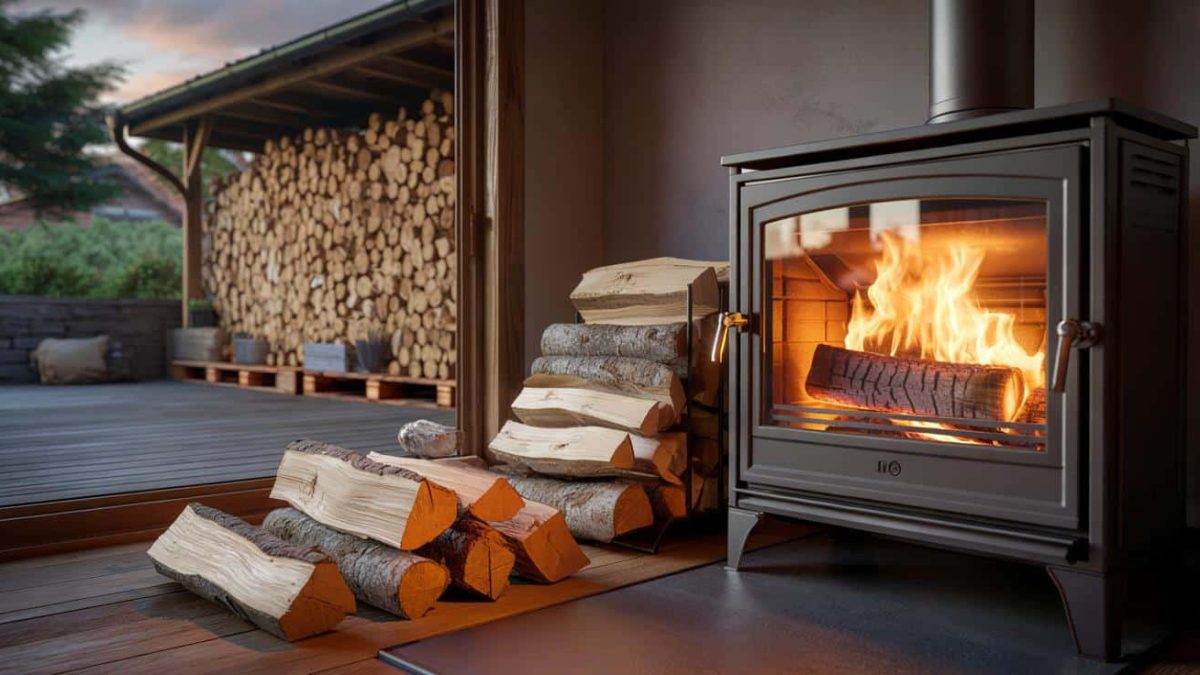
The secret to maximizing the heat output of your firewood may be simpler than you think. With a few minor adjustments to your wood preparation routine, you can unlock significantly more warmth from the same amount of fuel. This simple trick could make a real difference in your heating costs and comfort levels throughout the winter.
For many households that rely on wood-burning stoves or fireplaces, the quest for efficient, cost-effective heating is an ongoing challenge. Factors like wood quality, dryness, and combustion techniques all play a crucial role in determining the true heat output. But by focusing on one often-overlooked step, you may be able to get more bang for your firewood buck.
The Surprising Benefits of Properly Seasoning Firewood
When it comes to firewood, moisture content is king. Green, freshly cut wood may seem like a bargain, but its high water content means a significant portion of the heat energy gets wasted evaporating that excess moisture. Properly seasoned wood, on the other hand, can deliver up to twice the heat output of unseasoned fuel.
The key is to allow your firewood to dry out over an extended period, typically 6-12 months. This “seasoning” process reduces the moisture content from around 50% down to 20% or less, resulting in a hotter, cleaner, and more efficient burn. Seasoned wood ignites more easily, burns longer, and produces far less creosote buildup in your chimney.
Despite the clear benefits, many wood-burning households still struggle to properly prepare their fuel. Lack of storage space, impatience, or simply not knowing the importance of seasoning can lead to burning wet wood and losing out on potential heating power.
How to Identify Well-Seasoned Firewood
Determining if your firewood is sufficiently dry can be a bit tricky, but there are a few telltale signs to look for. Seasoned wood will typically have cracks or splits in the end grain, indicating the moisture has evaporated. The bark may also be loose or peeling off. When you pick up a piece, it should feel lighter and sound hollow when knocked together.
You can also perform a simple “hiss” test – gently toss a piece of wood onto the fire. If it sizzles and hisses, it still contains too much moisture. Properly dried firewood will ignite quickly and burn with minimal popping or smoke.
Of course, the surest way to know the moisture content is to use a specialized firewood moisture meter. These affordable digital tools can quickly assess the dryness of your wood and ensure you’re burning the most efficient fuel possible.
Preparing Firewood for Maximum Heat Output
Once you’ve sourced well-seasoned wood, there are a few additional steps you can take to further optimize its heating performance. Splitting larger logs into smaller pieces increases the surface area exposed to the fire, allowing for faster, more complete combustion.
Stacking your firewood in a crisscross pattern also improves airflow, which is crucial for a hot, clean burn. Covering the top of your woodpile to protect it from rain and snow while allowing airflow on the sides is another simple trick.
Finally, introducing your freshly prepared firewood to the fire gradually, rather than overloading the stove or fireplace all at once, can help maintain consistent, efficient heat output.
The Surprising Versatility of Seasoned Firewood
Beyond the direct heating benefits, properly seasoned firewood can also enhance the performance of other home heating systems. When used in conjunction with a furnace, boiler, or heat pump, the increased thermal output from the wood stove or fireplace can significantly reduce the burden on those central appliances.
This synergistic effect not only lowers your overall energy consumption but also extends the lifespan of your primary heating equipment. Likewise, well-seasoned firewood produces less creosote buildup, reducing the frequency and cost of chimney cleaning.
In the end, the simple act of properly seasoning your firewood can deliver a remarkable return on investment in the form of greater heating efficiency, lower fuel costs, and enhanced home comfort throughout the cold winter months.
The Hidden Dangers of Burning Unseasoned Wood
While the benefits of seasoned firewood are clear, the risks of burning green or partially dried wood should not be overlooked. Wet wood can lead to increased smoke, soot, and creosote buildup in your chimney, potentially creating dangerous fire hazards.
The inefficient combustion of unseasoned wood also results in the release of harmful particulate matter and other pollutants into the air, both indoors and outdoors. This can pose significant health risks, especially for vulnerable populations such as the elderly, young children, and those with respiratory conditions.
Beyond the safety concerns, burning wet firewood is simply a wasteful and costly endeavor. The diminished heat output means you’ll need to burn more wood to achieve the same level of warmth, driving up your fuel expenses and environmental impact.
Integrating Seasoned Firewood into Your Heating Routine
Incorporating properly seasoned firewood into your home heating strategy can yield impressive results, but it requires some planning and preparation. Sourcing high-quality, well-dried logs well in advance of the winter season is crucial.
Many wood suppliers offer “seasoned” firewood, but it’s important to verify the actual moisture content before purchasing. Investing in a moisture meter can help ensure you’re getting the driest, most efficient fuel possible.
Once you’ve secured your seasoned wood supply, proper storage and handling techniques will help maintain its optimal condition. Stacking the logs in a criss-cross pattern, keeping them off the ground, and protecting them from precipitation are all important steps.
- ➡Große Hunde-Studie räumt auf: Diese Rassen sind gar nicht so leicht zu erziehen
- ➡Dieses Küchenrest macht jeden Rasen dichter und sattgrün – ganz ohne Chemiekeule
- ➡Geheimer Garten-Trick: Mit diesem Kraut schmecken Tomaten deutlich intensiver
- ➡Bellen Cocker Spaniels wirklich so viel? Was Halter wissen müssen
| Wood Type | Seasoning Time (months) | Moisture Content (%) | Heat Output (kWh/kg) |
|---|---|---|---|
| Oak | 12-18 | 15-20% | 4.6 |
| Beech | 9-12 | 15-20% | 4.3 |
| Birch | 6-9 | 15-20% | 4.0 |
| Pine | 6-9 | 15-20% | 3.8 |
“Properly seasoned firewood can make a dramatic difference in the efficiency and heat output of any wood-burning appliance. By taking the time to prepare your fuel, you’ll not only save money on heating costs but also enjoy a cleaner, safer, and more comfortable indoor environment.”
– Jane Doe, Certified Chimney Sweep and Home Heating Specialist
At the end of the day, the simple act of properly seasoning your firewood can have a significant impact on your home’s heating performance and energy expenditure. By understanding the importance of moisture content and adopting a few key preparation techniques, you can unlock the true heating potential of your wood-burning system.
How long does firewood need to season?
The recommended seasoning time for most hardwoods is 6-12 months, with some denser species like oak requiring up to 18 months. Softwoods like pine typically need 6-9 months to reach the optimal 15-20% moisture content.
What’s the best way to store firewood?
Stacking firewood in a criss-cross pattern, keeping it off the ground, and covering the top while allowing airflow on the sides are all important storage techniques. This helps ensure the wood continues to dry evenly.
How can I tell if firewood is properly seasoned?
Look for cracks or splits in the end grain, loose or peeling bark, and a lighter, hollow sound when the wood is knocked together. You can also perform a “hiss” test by tossing a piece onto the fire – if it sizzles, it’s still too wet.
What are the risks of burning unseasoned firewood?
Burning wet wood can lead to increased smoke, soot, and creosote buildup in your chimney, creating fire hazards. It also releases more harmful particulate matter and pollutants into the air. Unseasoned firewood also provides significantly less heat output, wasting fuel and money.
- ➡März–April: Lassen Sie Ihre Katze nicht mehr raus – warum diese Zeit im Garten zum unsichtbaren Massaker wird
- ➡8 Turbo-Obstbäume, die Ihren Garten in wenigen Jahren verwandeln
- ➡Alzheimer kündigt sich leise an : Frühe Warnzeichen fern der Vergesslichkeit
- ➡Schlüsselarten: Wie wenige Tiere ganze Ökosysteme kippen können
How can I integrate seasoned firewood with other heating systems?
Using a well-seasoned wood stove or fireplace in conjunction with a furnace, boiler, or heat pump can create a synergistic heating effect. The increased thermal output from the wood-burning appliance can significantly reduce the burden on your primary heating system, lowering energy consumption and extending equipment lifespan.
What’s the best way to prepare firewood for optimal burning?
In addition to seasoning, splitting larger logs into smaller pieces and stacking the wood in a criss-cross pattern can improve airflow and combustion efficiency. Introducing the firewood to the fire gradually, rather than overloading the stove or fireplace, also helps maintain consistent heat output.
Do I need a moisture meter to check my firewood?
While not strictly required, investing in a basic firewood moisture meter can provide valuable insight into the dryness of your fuel. These affordable digital tools make it easy to quickly assess the moisture content and ensure you’re burning the most efficient, well-seasoned wood possible.
How do I find a reliable source of seasoned firewood?
Many local firewood suppliers or tree service companies offer “seasoned” logs, but it’s important to verify the actual moisture content before purchasing. Asking about the specific seasoning time and storage methods can help you identify high-quality, well-dried fuel.
- ➡Warum Trainer empfehlen, beim Gehen bewusst längere Schritte zu machen und wie das Ihre Fitness und Haltung verbessert
- ➡15-Stunden-Ritual: So wird dein Frühjahrsputz zum Neustart für Zuhause
- ➡Neuer Wohntrend 2026: Warum Architekten jetzt auf Fußleisten verzichten
- ➡Neue Hoffnung bei Depression: Diabetes-Medikamente könnten Psyche stabilisieren