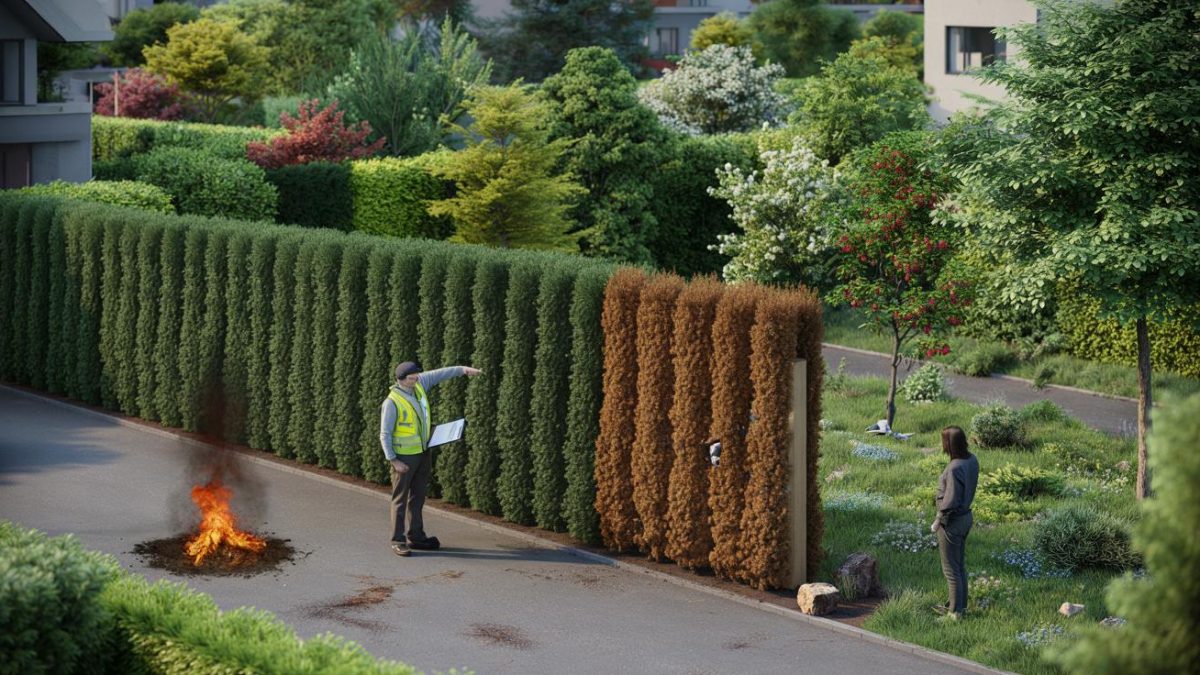
As the seasons change, the once-beloved Thuja hedge is finding itself on the wrong side of the law in many communities across the country. What was once a staple of German gardens is now facing increasing scrutiny and outright bans from local authorities. The reasons behind this shift are as varied as the hedges themselves, but the message is clear: it’s time to rethink our relationship with this once-ubiquitous plant.
The issue has become so prevalent that municipal planning offices are reporting a surge of cases involving Thuja hedge disputes. Homeowners, eager to create a sense of privacy and structure in their outdoor spaces, are often surprised to find that their plans for a lush, evergreen border are met with resistance from the very authorities tasked with overseeing local development. This clash of priorities has led to a growing number of Thuja-related conflicts, leaving both sides searching for a solution.
The Decline of the Thuja Hedge
The humble Thuja hedge, once a symbol of suburban tranquility, is falling out of favor for a variety of reasons. Ecological concerns have risen to the forefront, with experts warning that these dense, monoculture plantings can create virtual “dead zones” for local biodiversity. As communities strive to promote more diverse and sustainable landscapes, the Thuja’s reputation as an environmental liability has become increasingly difficult to ignore.
Beyond the ecological impact, there are practical considerations that have fueled the push against Thuja hedges. Many municipalities have identified fire hazards associated with these highly flammable plants, particularly in areas prone to drought or wildfire. The aging and deterioration of older Thuja hedges has also become a growing concern, with issues like disease and structural weaknesses posing risks to both property and public safety.
As a result, local governments are taking a more proactive stance, implementing strict regulations and even outright bans on the planting of new Thuja hedges. This shift has left many homeowners scrambling to find alternatives that meet both their aesthetic and practical needs.
The Rise of Thuja-Free Zones
Across the country, municipalities are taking decisive action to limit the spread of Thuja hedges. In some areas, new plantings are prohibited entirely, while in others, homeowners are being required to remove existing hedges that are deemed hazardous or detrimental to the local environment.
The reasons behind these Thuja-free policies vary, but the common thread is a growing recognition of the plant’s downsides. Fire safety, ecological concerns, and the maintenance challenges posed by aging Thuja hedges have all contributed to the shift in regulatory attitudes.
For homeowners, the prospect of removing an established hedge can be daunting, both emotionally and financially. However, many local authorities are offering guidance and even financial assistance to ease the transition. The goal is to encourage a more diverse and sustainable approach to landscaping that benefits the entire community.
- ➡Ab 70 glücklicher als je zuvor: Warum Loslassen wichtiger ist als Fitness und Erfolg
- ➡1‑Euro-Badewunder: Mit diesem Salz wird dein Rasen vor dem Sommer wieder sattgrün
- ➡Genialer Trick: So wird ein alter Drahtbügel in 3 Minuten zur Futterstelle für Vögel
- ➡Forscher machen Hightech-Graphen aus Erdnussschalen – zum Spottpreis
Rethinking the Suburban Landscape
As the Thuja hedge falls out of favor, communities are exploring a wide range of alternative planting options that better align with their environmental and aesthetic goals. Native shrubs and perennials, for example, are gaining popularity for their ability to attract pollinators and support local biodiversity.
Other homeowners are opting for more diverse hedgerow plantings, incorporating a mix of species that can provide year-round interest and ecological value. These “living fences” not only offer privacy and structure, but they also contribute to the overall health and resilience of the local ecosystem.
The shift away from Thuja hedges is not just about aesthetics or regulations – it’s a reflection of a broader cultural and environmental awakening. As people become more attuned to the importance of sustainable landscaping practices, the once-ubiquitous Thuja is being reevaluated and, in many cases, phased out in favor of more ecologically responsible alternatives.
The Challenges of Transitioning Away from Thuja
While the move away from Thuja hedges may seem straightforward, the reality is that the transition can be a complex and emotional process for many homeowners. The familiarity and practicality of the Thuja hedge have made it a staple in suburban landscapes for decades, and letting go of that familiar aesthetic can be difficult.
Furthermore, the cost and labor involved in removing an established hedge and replacing it with a new planting can be a significant burden for some homeowners. Local authorities are working to address these challenges by offering guidance, resources, and even financial incentives to ease the transition.
Despite the hurdles, many homeowners are embracing the opportunity to rethink their outdoor spaces and create more diverse, sustainable, and visually appealing landscapes. The shift away from Thuja hedges is not just about compliance with regulations – it’s about reconnecting with the natural world and building a more harmonious relationship between the built and natural environments.
A Greener, More Vibrant Future
As communities across the country continue to grapple with the Thuja hedge issue, the underlying message is clear: it’s time to move beyond the monoculture plantings of the past and embrace a more ecologically conscious approach to landscaping.
By banning or limiting the use of Thuja hedges, local authorities are paving the way for a greener, more diverse, and more resilient suburban landscape. This shift not only benefits the environment but also offers homeowners the chance to create outdoor spaces that are more visually appealing, wildlife-friendly, and in tune with the unique character of their community.
While the transition may be challenging, the long-term rewards are undeniable. As we collectively rethink the role of plants in our suburban spaces, the once-beloved Thuja hedge is making way for a future that is both aesthetically pleasing and environmentally sustainable – a future that promises to enrich our lives and the natural world around us.
Frequently Asked Questions
Why are more communities banning Thuja hedges?
Municipalities are increasingly banning or restricting Thuja hedges due to concerns over their environmental impact, fire hazards, and maintenance challenges. These dense, monoculture plantings can create “dead zones” for local biodiversity, pose risks in fire-prone areas, and become problematic as they age and deteriorate.
What are some alternatives to Thuja hedges?
Communities are encouraging homeowners to explore more diverse and sustainable hedging options, such as native shrubs and perennials, as well as mixed hedgerow plantings that incorporate a variety of species. These alternatives can provide privacy, structure, and aesthetic appeal while also supporting local ecosystems.
How can homeowners transition away from Thuja hedges?
Removing an established Thuja hedge can be challenging, both emotionally and financially. Many local authorities are offering guidance, resources, and even financial assistance to help homeowners with the transition. The key is to approach the process with an open mind and a willingness to explore new landscaping options that benefit both the homeowner and the community.
What are the environmental benefits of moving away from Thuja hedges?
By replacing Thuja hedges with more diverse and ecologically-friendly plantings, communities can promote greater biodiversity, support local wildlife, and reduce the risk of fire hazards. This shift towards sustainable landscaping practices helps to create a healthier, more vibrant ecosystem that benefits both people and the natural world.
How can homeowners find out if their Thuja hedge is affected by new regulations?
Homeowners should contact their local municipal planning office or department of parks and recreation to inquire about any Thuja hedge-related regulations or restrictions in their area. These authorities can provide information on any existing or upcoming policies, as well as guidance on the process of transitioning to alternative landscaping options.
What are some of the challenges homeowners may face when removing Thuja hedges?
The primary challenges include the cost and labor involved in removing an established hedge and replacing it with a new planting, as well as the emotional attachment that some homeowners may have to their Thuja hedges. Local authorities are working to address these challenges by offering resources and support to ease the transition.
How can homeowners ensure they choose the right alternative plants for their Thuja hedge replacement?
When selecting alternative plants, homeowners should consider factors such as the local climate, soil conditions, and the desired aesthetic and functional attributes of the new hedge or planting. Consulting with local nurseries, landscape designers, or extension services can help ensure the chosen plants are well-suited to the specific site and meet the homeowner’s needs.
- ➡Warum Tulpen out sind: Diese alte Frühlingsblume erobert jetzt unsere Gärten
- ➡Letzter Abschied vom Haustier: Diese Worte trösten – und einen Satz sollten Sie meiden
- ➡Artemis II steht am Start: NASA macht Mondflug mit Crew klar
- ➡Genialer 2-Cent-Trick: Mit diesem Küchenhelfer werden Bildschirme streifenfrei sauber
Will the trend of Thuja hedge bans continue to spread across the country?
Given the growing concerns over the environmental and practical drawbacks of Thuja hedges, it is likely that the trend of Thuja hedge bans and restrictions will continue to expand to more communities nationwide. As local authorities prioritize sustainable landscaping practices, the pressure on homeowners to transition away from Thuja hedges will likely intensify in the coming years.