As the first warm days of spring arrive, the urge to get out into the garden and spruce everything up becomes irresistible. For many homeowners, the top priority is getting the lawn back into shape after the long winter months. But there’s one common mowing mistake that can ruin your entire summer lawn care efforts.
Getting that initial spring mowing just right is crucial, as it sets the tone for the rest of the season. One wrong move, and you could be dealing with a patchy, unhealthy lawn all summer long. Fortunately, with a little know-how, you can avoid this pitfall and ensure your grass stays lush and vibrant throughout the warmer months.
The Biggest Spring Mowing Mistake to Avoid
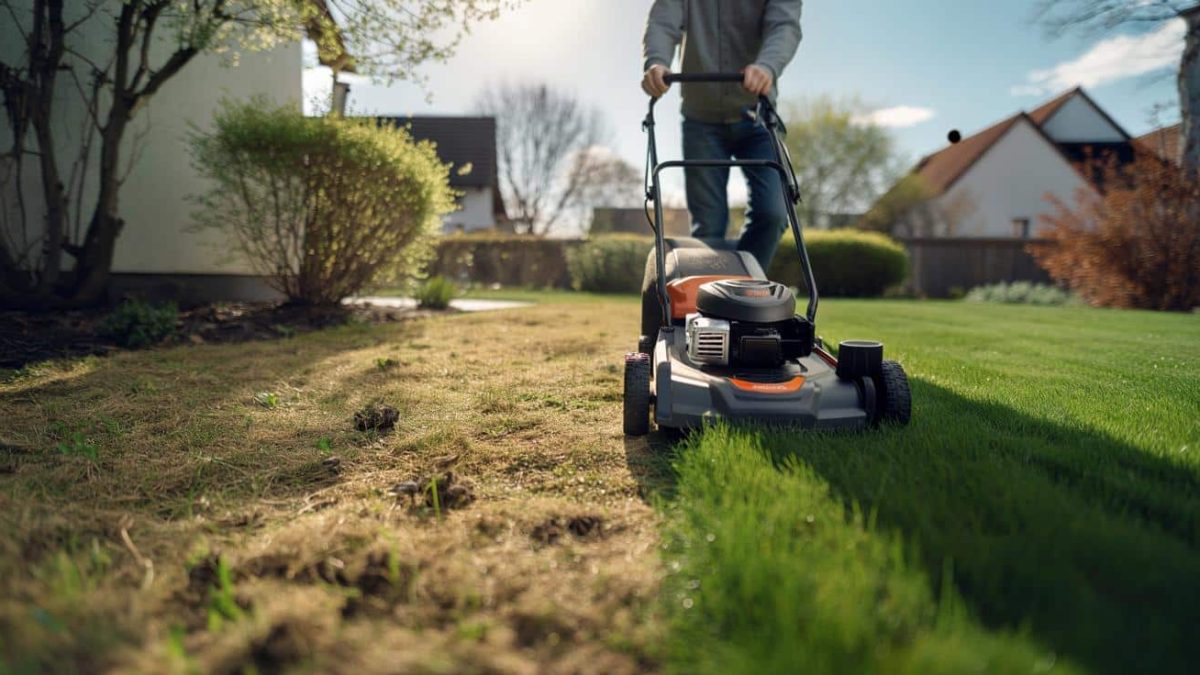
The most common error homeowners make when mowing the lawn in early spring is cutting the grass too short. It may seem like the logical thing to do, getting a clean, neat look right off the bat. But this can actually be severely damaging to your lawn in the long run.
Cutting the grass down to a very short length robs the blades of their much-needed energy reserves, which they’ve been building up over the winter. This leaves the grass vulnerable and weakens its ability to bounce back and thrive as the growing season progresses.
Instead of a lush, green lawn, you’ll likely end up with a patchy, brown, and struggling one that requires constant attention and care to try and salvage it.
The Ideal Spring Mowing Height
So, what is the right mowing height for the first cut of spring? Experts recommend setting your mower blades to around 3-4 inches (7.5-10 cm). This leaves the grass long enough to maintain its strength and resilience, while still giving your lawn a neat, tidy appearance.
Cutting any shorter than this can stress the grass and lead to all sorts of problems down the line, from weed invasion to susceptibility to drought and pests. It’s a delicate balance, but getting it right from the start will pay dividends later on.
Of course, as the season progresses, you’ll want to gradually lower the mowing height to around 2-3 inches (5-7.5 cm). But that first crucial spring cut should always err on the side of leaving the grass a little longer.
Timing is Everything
Another key factor in successful spring lawn mowing is getting the timing just right. It’s not as simple as just waiting for the first signs of new growth and then reaching for the mower.
The optimal time to mow your lawn for the first time in spring is when the grass has reached a height of around 4-5 inches (10-12 cm). This ensures there’s enough leaf surface area for the plant to bounce back quickly after being cut.
Mowing too early, when the grass is still short and dormant, can severely set it back. And waiting too long until the blades are overgrown can also be problematic, leading to an uneven, ragged appearance.
The Mowing Routine Through Spring
Once you’ve tackled that crucial first mow of the season, it’s important to maintain a regular mowing schedule throughout the spring months. Aim to cut the grass every 7-10 days, adjusting the height as needed.
As the weather warms up and the grass starts growing faster, you can gradually lower the mower deck. But never take off more than a third of the blade length at a time. Drastic changes can shock the grass and cause more harm than good.
By sticking to a consistent routine and carefully monitoring the mowing height, you’ll keep your lawn looking its best and building up the resources it needs to thrive in the heat of summer.
Why a Slightly Longer Lawn is Better
One final tip for spring lawn care: don’t be afraid to leave the grass a little longer than the standard 2-3 inch recommendation. In fact, many experts now advise aiming for a height of 3-4 inches (7.5-10 cm) throughout the season.
Leaving the grass blades a bit longer helps shade the soil, retaining moisture and keeping the roots cool. It also allows the grass to develop a more extensive root system, making it more drought-resistant and resilient overall.
- ➡Warum hohe Intelligenz so weh tun kann, wenn andere falsche Entscheidungen treffen
- ➡Hecke macht Nachbarn krank: Wann Sie sie wirklich entfernen müssen
- ➡Mit 78 Jahren Aquagym ausprobieren: Wie Wassertraining Gelenke entlastet und Muskeln aktiviert
- ➡Jetzt im April: Warum ein unscheinbarer Gartenvogel plötzlich zum Star wird
Of course, you’ll need to mow a little more frequently to maintain this slightly longer look. But the benefits to your lawn’s health and appearance are well worth the extra effort.
| Mowing Height | Benefits |
|---|---|
| 3-4 inches (7.5-10 cm) |
|
| 2-3 inches (5-7.5 cm) |
|
“Cutting the grass too short in the spring is one of the most common mistakes homeowners make. It really can set your lawn up for a summer of struggles.”
– Karen Smith, Certified Lawn Care Specialist
As the old saying goes, “an ounce of prevention is worth a pound of cure.” When it comes to spring lawn care, getting that first mowing just right is crucial. By avoiding the temptation to cut too short and instead leaving the grass a little longer, you’ll be setting your lawn up for a lush, healthy summer season.
Frequently Asked Questions
What is the best time of day to mow the lawn in spring?
The ideal time is in the late morning or early afternoon, when the grass has had a chance to dry out from any morning dew. Avoid mowing in the heat of the day, as this can stress the grass.
Should I bag the clippings or leave them on the lawn?
It’s generally better to mulch the clippings back into the lawn, as this returns valuable nutrients to the soil. Just make sure the clippings are finely chopped so they don’t smother the grass.
How often should I sharpen my mower blades?
Plan to sharpen or replace your mower blades at the start of each mowing season. Dull blades will tear the grass rather than cutting it cleanly, which can damage the lawn.
Is it better to mow in straight lines or a pattern?
Mowing in a criss-cross or circular pattern helps prevent matting and evenly distributes the clippings. Just be sure to vary the direction each time to avoid creating ruts in the lawn.
What’s the best mowing height for summer?
Most experts recommend keeping the lawn at 3-4 inches (7.5-10 cm) throughout the summer months. This helps the grass stay healthy and resilient during the hottest, driest weather.
Should I fertilize the lawn in spring?
Yes, spring is an ideal time to apply a slow-release lawn fertilizer. This will give your grass a nutrient boost to support new growth and recovery from winter.
How can I tell if I’m mowing too frequently?
If you notice the grass blades are being cut down by more than a third of their height, you’re mowing too often. Adjust your schedule to allow for fuller growth between cuttings.
- ➡Unscheinbare Staude, große Wirkung: Mit dieser Gartenpflanze locken Sie Meisen in Scharen an
- ➡8 Heizungsfehler beim Wärmepumpen-Boiler, die Ihre Stromrechnung hochtreiben
- ➡Fund im Gartengrund: Zufallsstein entpuppt sich als Kriegs-Technik aus der Bronzezeit
- ➡Make-up-Profi warnt: Auf diese Gesichtsstellen gehört fast kein Make-up
What are some signs that I need to overseed my lawn?
Thin, patchy areas, an abundance of weeds, and a generally lackluster appearance all indicate it’s time to overseed your lawn to thicken it up.