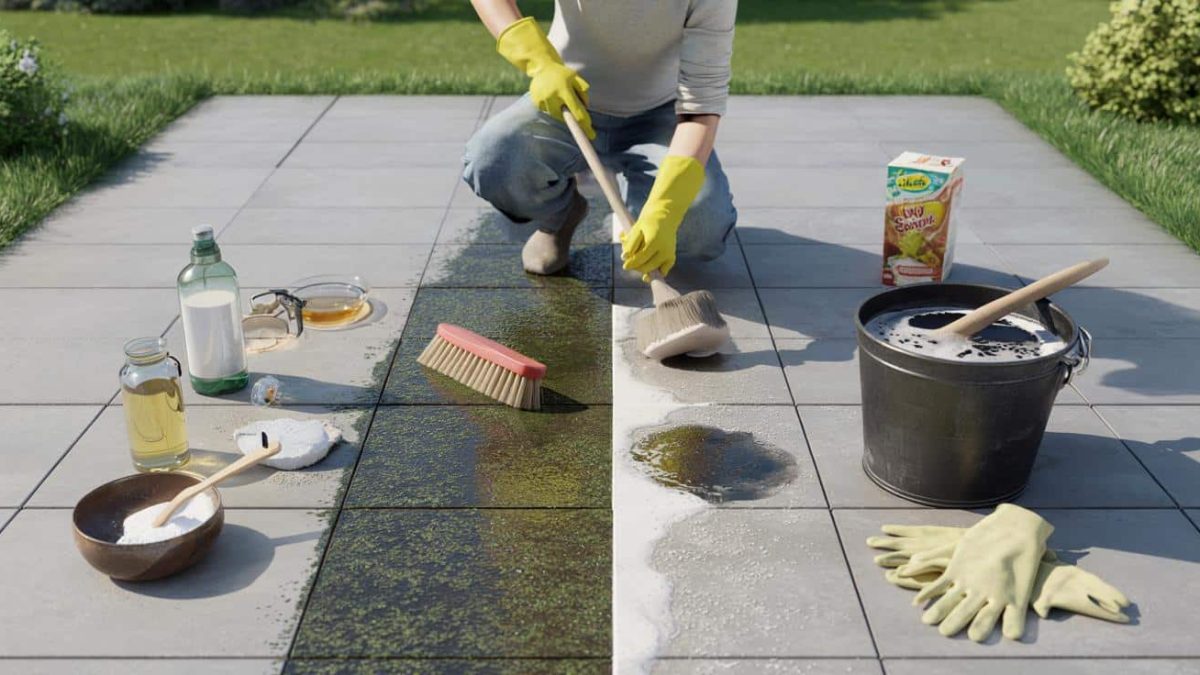
As the winter chill subsides and the first signs of spring emerge, many homeowners face a common challenge: their once-pristine terrace has fallen victim to the harsh elements. Unsightly gray tiles, slimy green hues, and slippery surfaces can make the outdoor living space feel neglected and uninviting.
But fret not, because there are simple and effective solutions to restore your terrace to its former glory – without resorting to harsh chemical cleaners. In this article, we’ll explore five natural remedies that can help you achieve a sparkling, chemically-free terrace just in time for the warmer months ahead.
Vinegar: The Versatile Cleaning Powerhouse
Chances are, you already have a bottle of vinegar tucked away in your kitchen cabinet. This humble household staple can work wonders on your terrace, too. Mix equal parts white vinegar and water in a spray bottle, and use it to tackle stubborn dirt, mold, and mildew. The acetic acid in vinegar effectively breaks down these stubborn deposits, leaving your tiles clean and fresh.
For extra-tough stains or heavily soiled areas, let the vinegar solution sit for a few minutes before scrubbing with a stiff-bristled brush. Be sure to rinse the area thoroughly afterward to remove any lingering vinegar residue.
Vinegar is also a natural mold and mildew deterrent, so regular applications can help keep your terrace looking its best long after the initial cleanup.
Baking Soda: The Gentle Abrasive
Another pantry staple with surprising cleaning power is baking soda. Its mild abrasive properties make it an excellent choice for scrubbing away grime and restoring luster to your terrace tiles. Simply create a paste by mixing baking soda with a small amount of water, then apply it to the affected areas and let it sit for a few minutes.
Use a scrub brush or sponge to work the baking soda paste into the surface, paying extra attention to any stubborn stains or discolored spots. Rinse the area thoroughly with clean water to remove all traces of the baking soda.
Baking soda is also a natural deodorizer, so it can help neutralize any lingering odors on your terrace.
Lemon Juice: The Citrus Cleaning Sensation
The acidic properties of lemon juice make it a powerful ally in the fight against terrace grime. Mix equal parts lemon juice and water in a spray bottle, and use it to tackle mold, mildew, and stubborn dirt. The citric acid in the lemon juice helps break down these deposits, leaving your tiles sparkling clean.
For extra-tough stains, you can also create a paste by mixing lemon juice with baking soda. Apply the paste to the affected areas, let it sit for a few minutes, then scrub and rinse. The combination of the acidic lemon juice and the gentle abrasive of the baking soda creates a formidable cleaning duo.
In addition to its cleaning prowess, lemon juice can also help prevent the return of mold and mildew by creating an inhospitable environment for these unwanted guests.
Castile Soap: The Gentle Giant
If you’re looking for a gentle yet effective cleaning solution, consider castile soap. This plant-based, biodegradable soap is made from olive oil and is free of harsh chemicals, making it a safe and eco-friendly choice for your terrace. Mix a few drops of castile soap with warm water in a bucket or spray bottle, and use the solution to mop or scrub your tiles.
- ➡Warum so viele Erwachsene die Anrufe ihrer Eltern wegdrücken
- ➡Geheime Chronik der Meere: Was Schildkrötenpanzer wirklich verraten
- ➡Mit 54 Jahren wieder fit werden: Der einfache Spaziergang-Rhythmus, den viele Trainer empfehlen
- ➡Wie du mit einem alten Zahnbürste deine Autolüftungsschlitze in Minuten sauber bekommst
Castile soap is particularly effective at removing grease and oil-based stains, which can be common on outdoor terraces. It’s also gentle enough to use on delicate surfaces, such as natural stone or brick, without causing any damage.
Once you’ve cleaned the area, be sure to rinse thoroughly to remove any remaining soap residue.
Hydrogen Peroxide: The Oxidizing Wonder
For a more heavy-duty cleaning solution, turn to hydrogen peroxide. This oxidizing agent is incredibly effective at breaking down organic matter, making it a powerful tool for tackling stubborn mold, mildew, and algae growth on your terrace.
Mix equal parts hydrogen peroxide and water in a spray bottle, and apply the solution to the affected areas. Allow it to sit for a few minutes before scrubbing and rinsing. The bubbling and fizzing action of the hydrogen peroxide helps loosen and lift the grime, leaving your terrace tiles looking brand new.
Be sure to use caution when working with hydrogen peroxide, as it can be irritating to the skin and eyes. Wear gloves and work in a well-ventilated area to ensure your safety.
| Cleaning Agent | Cleaning Strength | Best For |
|---|---|---|
| Vinegar | Moderate | General cleaning, mold and mildew removal |
| Baking Soda | Moderate | Stubborn stains, restoring luster |
| Lemon Juice | Moderate | Mold, mildew, and dirt removal |
| Castile Soap | Gentle | Delicate surfaces, grease and oil-based stains |
| Hydrogen Peroxide | Strong | Stubborn mold, mildew, and algae growth |
“Vinegar is an incredibly versatile and cost-effective cleaning agent that can tackle a wide range of issues on outdoor terraces. Its acidity helps break down stubborn deposits without the need for harsh chemicals.”
– Dr. Sarah Harding, Environmental Scientist
“Baking soda is a fantastic natural abrasive that can help restore the luster and shine to terrace tiles without damaging the surface. It’s a great option for those looking to avoid harsh cleaners.”
– Olivia Payne, Landscape Architect
“Lemon juice is a powerful, natural alternative to chemical-based cleaners. Its acidic properties make it highly effective at removing mold, mildew, and other stubborn deposits from outdoor surfaces.”
– Michael Gibbons, Sustainability Expert
As the days grow longer and the weather warms, it’s the perfect time to tackle that long-overdue terrace cleanup. By harnessing the power of these simple, natural ingredients, you can restore your outdoor oasis to its former glory – without resorting to harsh chemical cleaners.
FAQs
How often should I clean my terrace?
It’s recommended to give your terrace a thorough cleaning at least once a year, preferably in the spring. This will help remove any buildup of dirt, mold, or mildew that has accumulated over the winter months.
Can I use these natural cleaners on all types of terrace materials?
The natural cleaners mentioned in this article are generally safe for use on a variety of terrace materials, including concrete, stone, brick, and even wood. However, it’s always a good idea to test the cleaner on a small, inconspicuous area first to ensure it doesn’t cause any damage.
How can I prevent mold and mildew from returning to my terrace?
Regular cleaning and maintenance, as well as ensuring proper drainage and airflow, can help keep mold and mildew at bay. Consider applying a natural, vinegar-based solution to the terrace periodically to create an inhospitable environment for these unwanted guests.
- ➡Fünf prägende Kindheitserinnerungen, die unsere Psyche ein Leben lang beeinflussen
- ➡Neuer Glasfaser-Hammer: Warum Bouygues Telecoms B&YOU-Tarif jetzt so spannend ist
- ➡IKEA überrascht mit Familien-Sofa unter 900 Euro – lohnt sich der Deal?
- ➡Frühstücksabfall statt Chemie: Wie Kaffeesatz deinen Rasen im Frühling rettet
Are these natural cleaners safe for pets and children?
Yes, the natural cleaners mentioned in this article are generally safe for use around pets and children, as they do not contain harsh chemicals. However, it’s still a good idea to keep children and pets off the terrace until the cleaning process is complete and the area has been thoroughly rinsed.
How can I make my terrace cleaning routine more eco-friendly?
In addition to using natural cleaners, consider investing in reusable cleaning tools, such as scrub brushes and mops. Avoid single-use products and opt for sustainable alternatives whenever possible. Additionally, be mindful of water usage and try to minimize waste during the cleaning process.
Can I use these natural cleaners on my indoor floors as well?
Absolutely! The natural cleaners featured in this article can be used on a variety of indoor and outdoor surfaces, including floors, walls, and countertops. Just be sure to adjust the concentration and application method as needed for the specific surface you’re cleaning.
How can I safely dispose of the used cleaning solutions?
Most of the natural cleaners mentioned in this article, such as vinegar, lemon juice, and baking soda, can be safely poured down the drain or used to water plants. For more potent solutions like hydrogen peroxide, check with your local authorities on the proper disposal methods.
- ➡Lebendes Rätsel: Wie eine einzelne Zelle ohne Gehirn lernen kann
- ➡Netflix Hit aus Korea: Diese Mini Serie mit 9,2 von 10 begeistert gerade alle
- ➡Grünes Wunder bleibt kinderlos? Dieser Licht- und Topffehler stoppt Ihre Grünlilie
- ➡Warum immer noch Portugal? Französische Rentner schwärmen jetzt von diesem Atlantikdorf
Are there any specific precautions I should take when using these natural cleaners?
While the natural cleaners featured in this article are generally safe, it’s still important to take basic safety precautions. Wear gloves, work in a well-ventilated area, and avoid direct skin or eye contact. Rinse the cleaned surfaces thoroughly to remove any lingering residue.