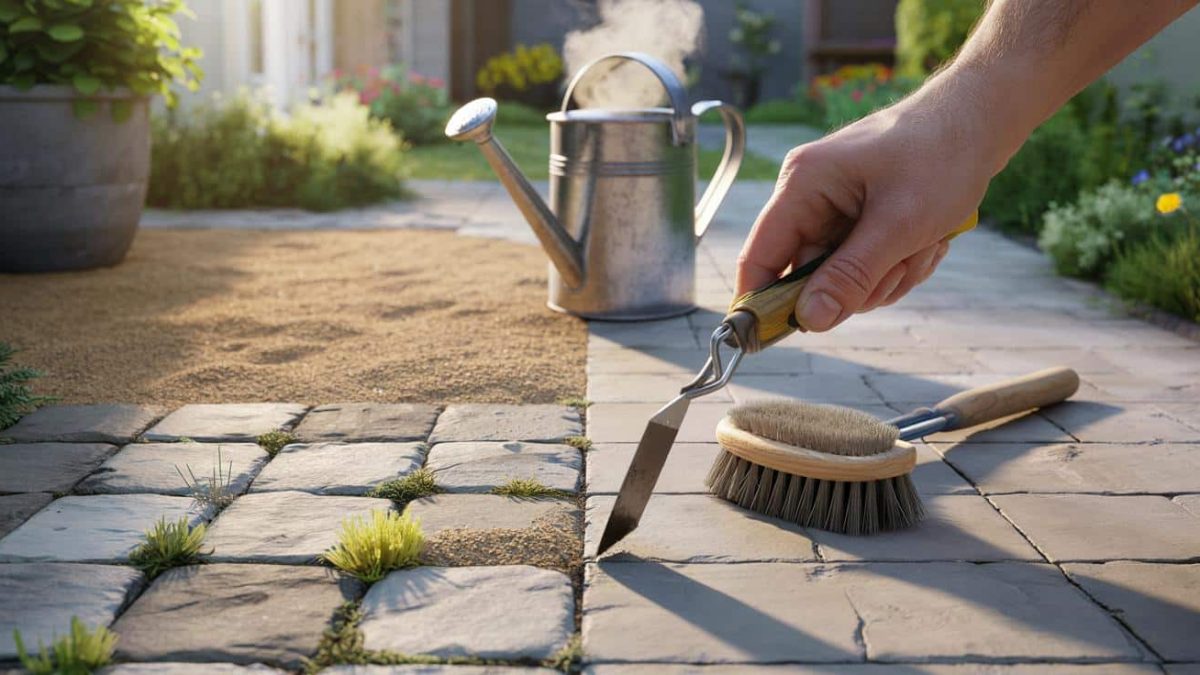
As the days grow longer and the sun becomes more intense, many homeowners eagerly await the opportunity to spruce up their outdoor spaces. However, when it comes to tackling the dreaded task of weed removal on terraces, it’s best to exercise a little patience. Contrary to popular belief, the optimal time to address this chore is not in the early spring, but rather in mid-May or later.
The temptation to grab a scrub brush, vinegar, or boiling water and tackle those pesky weeds may be strong, but this approach often backfires. While it may provide a temporary solution, it fails to address the root of the problem, leading to a never-ending cycle of weed growth. The true mistake lies not in the choice of method, but rather in the timing of the intervention.
Why Wait Until Mid-May?
The key to successfully managing weeds on terraces lies in understanding their growth patterns. Weeds, like many other plants, undergo a period of dormancy during the colder months. It’s only as the temperatures rise and the days become longer that they begin to emerge and thrive. By tackling the weeds too early, you risk disrupting this natural cycle, which can actually stimulate further growth and make the problem more difficult to manage in the long run.
Waiting until mid-May or later allows the weeds to fully emerge and establish their root systems. This timing ensures that when you do take action, the weeds are in a more vulnerable state, making them easier to remove and less likely to regrow quickly. Additionally, the warmer weather in late spring and early summer creates the optimal conditions for effective weed control measures to take hold.
The Importance of Timing
Timing is everything when it comes to maintaining a weed-free terrace. By acting too soon, you may inadvertently encourage the weeds to proliferate, leading to a more daunting task down the line. On the other hand, waiting until the ideal time can make the process much more manageable and lead to longer-lasting results.
It’s important to remember that weeds are resilient and adaptive. They have evolved to thrive in a variety of conditions, making them a persistent challenge for homeowners. By understanding their growth patterns and timing your interventions accordingly, you can gain the upper hand and enjoy a beautifully maintained terrace all season long.
Weakening Roots in the Autumn
While mid-May or later is the best time to actively tackle the weeds on your terrace, there’s another key moment in the year that can be just as important: the autumn. As the weather cools and the days grow shorter, weeds begin to redirect their energy into strengthening their root systems, preparing for the winter ahead.
By applying a targeted weed control solution during this time, you can effectively weaken the weeds’ root systems, making them more vulnerable to removal in the following spring. This two-pronged approach, combining autumn root weakening and spring weed removal, can be a highly effective way to keep your terrace weed-free for an extended period.
Remember, a little patience and strategic planning can go a long way in maintaining a pristine outdoor space. By resisting the urge to act too soon and instead waiting for the optimal timing, you can enjoy a hassle-free and long-lasting weed-free terrace.
Common Mistakes and How to Avoid Them
While the timing of weed control is crucial, there are also other factors to consider when maintaining a weed-free terrace. One common mistake is the overuse of harsh chemicals or boiling water, which can not only damage the surrounding plants but also pose a risk to the environment and personal health.
Instead, consider eco-friendly alternatives like vinegar-based solutions or mechanical removal methods, such as hand-pulling or using a weed puller tool. These gentler approaches can be just as effective, without the potential for collateral damage.
Another common issue is neglecting to address the root cause of the weed problem. Simply removing the visible weeds without addressing the underlying factors that allow them to thrive, such as poor drainage or loose soil, will only result in a temporary solution. By taking a more holistic approach and addressing the root of the issue, you can achieve lasting results.
Maintaining a Weed-Free Terrace with Minimal Effort
Keeping a terrace weed-free doesn’t have to be a constant battle. By adopting a strategic and mindful approach, you can minimize the time and effort required to maintain a pristine outdoor space.
In addition to timing your weed control efforts correctly, consider incorporating preventive measures, such as using weed-suppressing landscape fabrics or applying a layer of gravel or mulch to the terrace. These techniques can help create an environment that is less conducive to weed growth, reducing the need for frequent intervention.
Regular maintenance, such as sweeping the terrace and clearing away any debris, can also go a long way in deterring weed growth. By staying on top of these tasks, you can make the occasional weed removal much more manageable and ensure your terrace remains a beautiful and welcoming extension of your home.
| Weed Control Timing | Advantages | Disadvantages |
|---|---|---|
| Early Spring (March) |
|
|
| Mid-May or Later |
|
|
“Timing is everything when it comes to managing weeds on terraces. By waiting until the optimal window in mid-May or later, you can tackle the problem more effectively and ensure a lasting weed-free solution.”
– Sarah Green, Horticulture Specialist
“Addressing the root cause of weed growth, rather than just removing the visible weeds, is key to maintaining a healthy and weed-free terrace. This might involve improving soil quality, enhancing drainage, or using preventive measures like landscape fabrics.”
– Michael Ramirez, Landscape Architect
“Eco-friendly weed control methods, such as vinegar-based solutions or manual removal, can be just as effective as harsher chemicals, without the potential for collateral damage to surrounding plants and the environment.”
– Emily Soto, Environmental Scientist
Maintaining a weed-free terrace is a delicate balancing act, but by understanding the optimal timing and employing a strategic approach, you can enjoy a beautiful and low-maintenance outdoor space all season long.
Frequently Asked Questions
When is the best time to tackle weeds on my terrace?
The best time to tackle weeds on your terrace is in mid-May or later. This allows the weeds to fully emerge and establish their root systems, making them more vulnerable to removal.
Why should I wait until mid-May to remove weeds?
Waiting until mid-May or later is important because it allows the weeds to go through their natural growth cycle. Removing them too early can actually stimulate further weed growth and lead to a more persistent problem.
What are some eco-friendly weed control methods I can use?
Some eco-friendly weed control methods include using vinegar-based solutions, hand-pulling weeds, and applying a layer of mulch or gravel to suppress weed growth.
How can I prevent weeds from growing in the first place?
To prevent weeds from growing on your terrace, consider using weed-suppressing landscape fabrics, maintaining proper drainage, and regularly sweeping and clearing away debris.
Is it important to address the root cause of weed growth?
Yes, it’s important to address the root cause of weed growth, such as poor soil quality or drainage issues, in addition to removing the visible weeds. This will help ensure a long-lasting solution.
How often do I need to remove weeds from my terrace?
The frequency of weed removal will depend on various factors, such as the climate, the effectiveness of your preventive measures, and the growth patterns of the weeds. However, by following the mid-May or later timing and employing a strategic approach, you can significantly reduce the need for frequent weed removal.
Can I use harsh chemicals to remove weeds from my terrace?
While harsh chemicals can be effective in removing weeds, they often come with the risk of damaging surrounding plants and posing environmental and health concerns. It’s generally recommended to explore eco-friendly alternatives, such as vinegar-based solutions or mechanical removal methods.
What are the long-term benefits of maintaining a weed-free terrace?
Maintaining a weed-free terrace not only enhances the aesthetic appeal of your outdoor space but also helps prevent damage to the terrace surface, improve drainage, and create a safer and more comfortable environment for you and your family to enjoy.