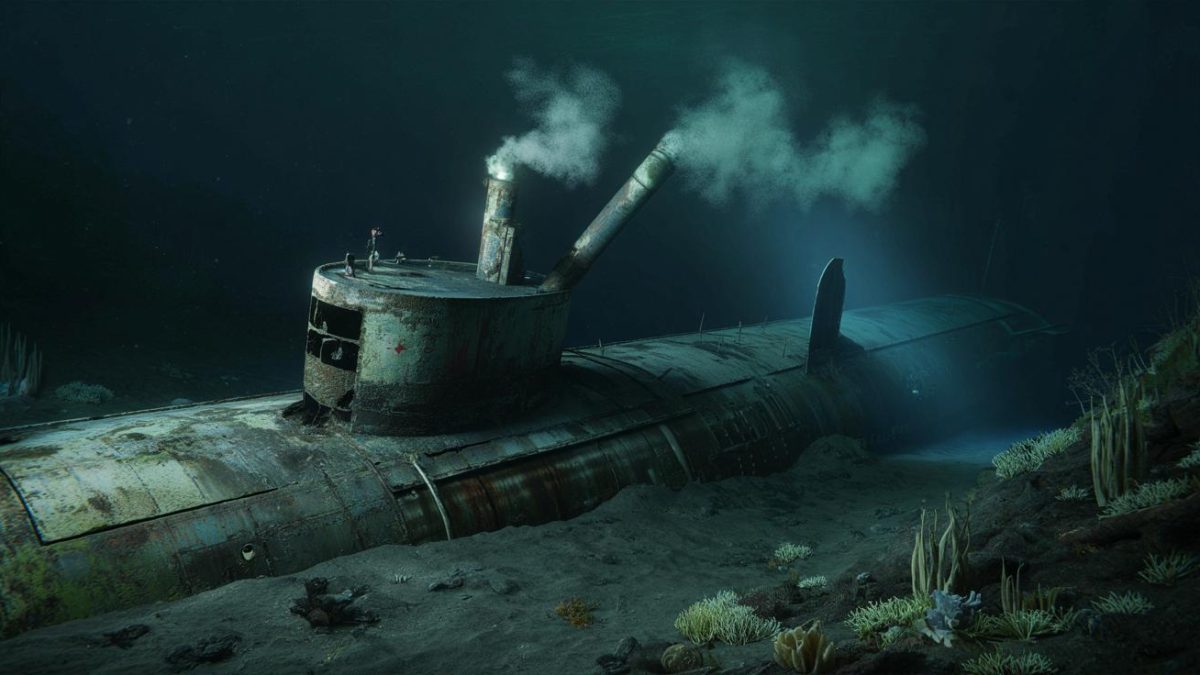
The depths of the Norwegian Sea hold a disturbing secret: a Soviet nuclear submarine, the Komsomolets, lies forgotten on the seabed, silently leaking radiation into the surrounding waters. This Cold War relic, which sank in 1989, has become an environmental time bomb, posing a persistent threat to the delicate marine ecosystem and the people who rely on it.
The story of the Komsomolets is a chilling reminder of the enduring consequences of the nuclear age. Once a formidable weapon of the Soviet naval fleet, this ill-fated vessel now serves as a haunting symbol of the hidden dangers that can linger long after a crisis has passed.
As the world grapples with the ongoing legacy of nuclear technology, the Komsomolets stands as a stark warning, a cautionary tale of the delicate balance between human progress and environmental stewardship.
The Tragic Fate of the Komsomolets
On April 7, 1989, the Komsomolets, a Soviet nuclear-powered submarine, was on a routine patrol in the Norwegian Sea when a fire broke out on board. The blaze quickly spiraled out of control, forcing the crew to abandon ship. Despite their heroic efforts, 42 sailors perished in the disaster, and the Komsomolets sank to a depth of 1,685 meters, where it remains to this day.
The loss of the Komsomolets was a devastating blow, not just for the Soviet military, but for the entire nation. The submarine was equipped with two nuclear reactors and carried a cache of nuclear-tipped torpedoes, and its sinking raised concerns about the potential environmental impact of the disaster.
In the decades since the incident, the Komsomolets has become a source of ongoing concern, as radiation leaks from the sunken vessel continue to be detected in the surrounding waters.
Monitoring the Radioactive Leaks
The Komsomolets has become a prime example of the long-term challenges posed by nuclear technology. Over the years, numerous expeditions have been conducted to assess the submarine’s condition and monitor the extent of the radiation leaks.
According to the latest research, the Komsomolets is still releasing small amounts of radioactive substances, including cesium-137 and strontium-90, into the surrounding environment. While the levels of radiation are currently not considered an immediate threat to human health or the marine ecosystem, the persistent nature of the leaks is a cause for concern.
- ➡Warum manche Menschen jedes Verhalten überbewerten – und wie sie sich davon befreien
- ➡Alte Gärtnerregel im Februar: Mit dieser Bodenpflege verdoppeln Sie Ihre Ernte
- ➡Geheimer Garten-Trick: Mit diesem Kraut schmecken Tomaten deutlich intensiver
- ➡Bunt, laut, bedroht: Warum der Stieglitz jetzt Europas Symbolvogel ist
Experts warn that the situation could worsen over time, as the Komsomolets’s structure continues to deteriorate and the risk of a more significant radiation release increases. Ongoing monitoring and mitigation efforts are essential to keeping the potential environmental disaster in check.
Assessing the Environmental Impact
The sinking of the Komsomolets has had a significant impact on the fragile marine ecosystem of the Norwegian Sea. The radiation released from the sunken vessel has the potential to accumulate in the food chain, posing a threat to the region’s diverse marine life and the communities that rely on the sea’s resources.
Researchers have observed elevated levels of radioactivity in the water and sediment around the Komsomolets, as well as in the tissues of some marine organisms. While the immediate effects appear to be localized, the long-term consequences of the radiation exposure remain a subject of ongoing scientific investigation.
Concerns have also been raised about the potential for the radioactive contaminants to be carried by ocean currents to other parts of the North Atlantic, potentially affecting a wider area. Continued monitoring and collaboration between international organizations are crucial to understanding and mitigating the environmental risks posed by the Komsomolets.
The Challenges of Salvage and Containment
Efforts to address the Komsomolets problem have been hampered by the technical and logistical challenges of operating at such a depth. The submarine’s location, nearly two kilometers beneath the surface, makes any attempts at salvage or containment extremely difficult and expensive.
Previous attempts to seal the Komsomolets’s damaged reactor compartment have met with limited success, and the deterioration of the vessel’s structure over time has made the situation increasingly precarious. Experts warn that a more catastrophic radiation release could occur if the submarine’s hull were to collapse completely.
Policymakers and environmental organizations have grappled with the question of how to best address the Komsomolets problem, weighing the risks of inaction against the formidable technical and financial obstacles of any potential intervention.
The Enduring Legacy of the Komsomolets
The Komsomolets serves as a sobering reminder of the enduring consequences of the nuclear age. As the world continues to grapple with the legacy of nuclear technology, this sunken submarine stands as a testament to the delicate balance between human progress and environmental stewardship.
- ➡Warum diese 14-Pfund-Primark-Clogs jetzt alle haben wollen
- ➡Warum Zierbeete? So legst du ein essbares Blumenparadies an
- ➡Pixie Cut ab 50: Mit diesen Profi Tricks wirkt die Kurzhaarfrisur sofort frischer und bis zu zehn Jahre jünger
- ➡Neuer It-Bag für 29,99 Euro: Dieser Promod-Sac löst die Kult-Bauchtasche ab
The ongoing radiation leaks from the Komsomolets underscore the importance of responsible nuclear management and the need for robust safeguards to prevent such disasters in the future. The lessons learned from this tragedy must inform the decisions and policies that will shape the world’s energy and defense systems in the decades to come.
As the international community works to address the Komsomolets problem, the submarine’s fate serves as a cautionary tale, a haunting reminder of the hidden dangers that can lurk beneath the surface, long after the initial crisis has passed.
| Key Facts about the Komsomolets Disaster | Details |
|---|---|
| Incident Date | April 7, 1989 |
| Location | Norwegian Sea |
| Depth of Sinking | 1,685 meters |
| Casualties | 42 sailors killed |
| Radioactive Substances Detected | Cesium-137, Strontium-90 |
| Environmental Concerns | Potential contamination of marine ecosystems and food chain |
| Quotes from Experts | Insights |
|---|---|
| “The Komsomolets is a ticking time bomb, and the longer we wait, the greater the risk of a catastrophic radiation release.” | – Oceanographer, Norwegian Institute of Marine Research |
| “This disaster serves as a stark reminder of the enduring challenges we face in managing the legacy of the nuclear age. We must learn from this tragedy and redouble our efforts to ensure the safe and responsible use of nuclear technology.” | – Environmental Policy Analyst, Greenpeace International |
| “The Komsomolets is a sobering example of how the consequences of our actions can linger for decades, even centuries. We have a moral obligation to address this problem and mitigate the environmental risks, no matter how daunting the task may be.” | – Nuclear Safety Expert, International Atomic Energy Agency |
- ➡Mit 60 glücklicher als mit 35: Wie ich 10 falsche Erfolgs-Ideen abgelegt habe
- ➡Forscher schlagen Alarm: El Niño könnte schon 2026 zurückkehren
- ➡Asiatische Lilien unter Walnussbäumen: Wie viel Juglon vertragen sie?
- ➡Beliebtes Fitness-Frühstück entzaubert: Warum Joghurt-Banane oft zur Kalorienfalle wird
The Komsomolets may be a forgotten relic of the Cold War, but its legacy continues to haunt the waters of the Norwegian Sea. As the world grapples with the enduring challenges of nuclear technology, this sunken submarine serves as a stark reminder of the need for vigilance, foresight, and a commitment to environmental stewardship.
Only by confronting the Komsomolets problem head-on and learning from its lessons can we hope to build a safer, more sustainable future – one that respects the delicate balance between human progress and the fragile ecosystems that sustain us all.
Frequently Asked Questions
What exactly is leaking radiation from the Komsomolets?
The Komsomolets was a nuclear-powered submarine, so the main sources of radiation leaking from the sunken vessel are the two nuclear reactors and the cache of nuclear-tipped torpedoes it carried. Specifically, the radioactive substances detected include cesium-137 and strontium-90.
How serious is the radiation threat from the Komsomolets?
Currently, the radiation levels around the Komsomolets are not considered an immediate threat to human health or the marine ecosystem. However, the persistent nature of the leaks and the potential for the situation to worsen over time as the vessel deteriorates are causes for concern. Ongoing monitoring and mitigation efforts are essential to keep the environmental risks in check.
- ➡Nie wieder Unkrautstress im Beet: Mit diesen März Stauden wird der Garten zum Blütenteppich
- ➡Knieschmerzen beim Radfahren: Sporttrainer verraten die kleine Sattel-Einstellung, die oft übersehen wird
- ➡Bellen Cocker Spaniels wirklich so viel? Was Halter wissen müssen
- ➡Hochbegabte Schüler hassen diese Situation im Unterricht – Experten warnen
Why is it so difficult to address the Komsomolets problem?
The main challenges are the depth at which the Komsomolets lies (nearly 2 kilometers below the surface) and the technical complexities of any salvage or containment operation. Previous attempts to seal the reactor compartment have had limited success, and the deterioration of the vessel’s structure over time makes the situation increasingly precarious.
What are the potential environmental consequences of the Komsomolets disaster?
The main concerns are the accumulation of radioactive contaminants in the marine food chain and the potential for these substances to be carried by ocean currents to other parts of the North Atlantic. Elevated levels of radioactivity have been detected in the water, sediment, and some marine organisms around the Komsomolets, and the long-term impacts on the ecosystem are still being studied.
How does the Komsomolets disaster fit into the broader context of nuclear technology and its environmental legacy?
The Komsomolets serves as a sobering reminder of the enduring consequences of the nuclear age. Its ongoing radiation leaks highlight the challenges of safely managing and containing nuclear technology, even long after an initial disaster. The lessons learned from this tragedy must inform the decisions and policies that will shape the world’s energy and defense systems in the decades to come.
What are the key priorities in addressing the Komsomolets problem?
The top priorities are: 1) Ongoing monitoring and assessment of the radiation levels and environmental impacts; 2) Exploring feasible options for sealing or containing the radiation leaks, despite the technical challenges; and 3) Strengthening international cooperation and coordination to address this complex, long-term environmental challenge.
- ➡Vor Ostern flog sein Doppelleben auf: Mein Mann verkaufte heimlich unser Leben
- ➡Korean-Beauty-Hype: Dieses Ceramid-Gel beruhigt empfindliche Haut blitzschnell
- ➡Warum die freundlichsten Menschen oft die am tiefsten Verletzten sind
- ➡Genialer 0‑Euro-Trick: So bauen Sie aus einem Kleiderbügel eine Futterstation für Gartenvögel
How can the public stay informed about the Komsomolets situation?
Regular updates and reports from scientific organizations, environmental groups, and government agencies are the best sources of information about the Komsomolets situation and the efforts to address it. Staying engaged and advocating for continued action and transparency on this issue can also help raise awareness and drive progress.
What lessons can be learned from the Komsomolets disaster?
The Komsomolets disaster underscores the need for robust safety measures, comprehensive risk assessments, and long-term planning in the development and use of nuclear technology. It also highlights the importance of international cooperation and a commitment to environmental stewardship when dealing with the legacy of nuclear-related incidents.