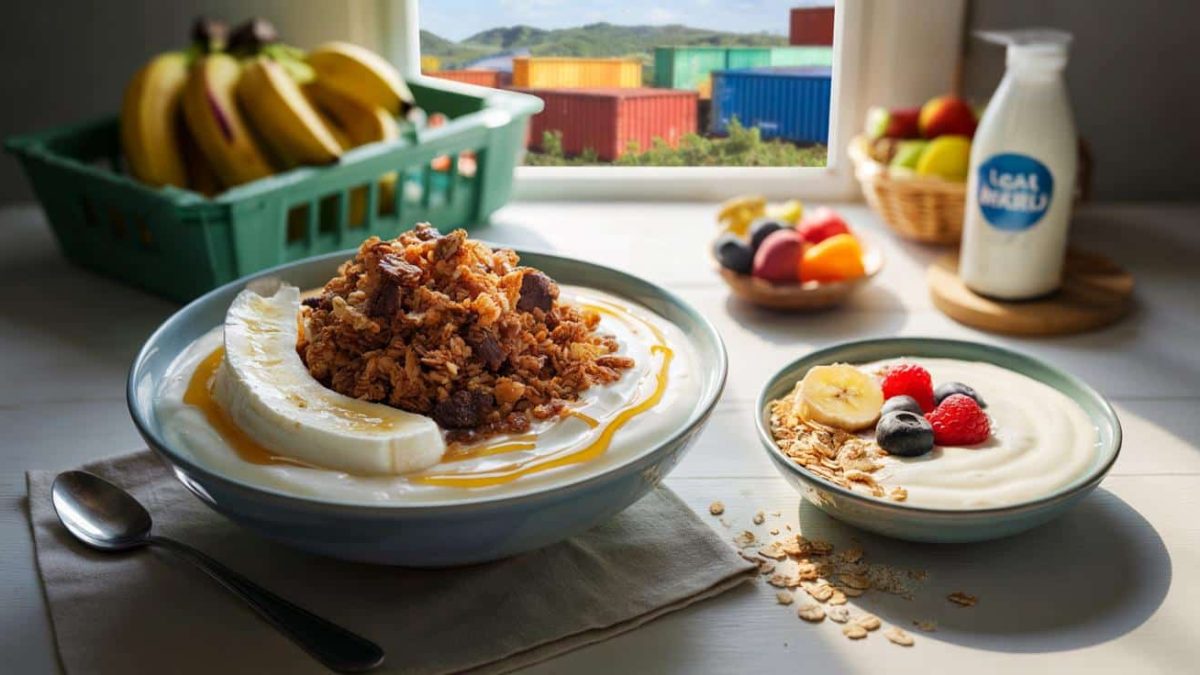
In the world of health and fitness, there’s no shortage of trendy breakfast options that promise to fuel our days and keep us on track. One such staple, the Greek yogurt and banana combination, has long been touted as a nutritious and satisfying way to start the morning. However, a closer look reveals that this seemingly “clean” breakfast may not always be as virtuous as it appears.
The creamy cup of Greek yogurt, carefully arranged banana slices, and crunchy granola has become the epitome of the “clean eating” movement. But as we dive deeper, we uncover the hidden pitfalls that can transform this beloved breakfast into a calorie-dense trap, derailing our health and fitness goals.
The Allure of Greek Yogurt: A Double-Edged Sword
Greek yogurt has long been celebrated as a protein-packed powerhouse, making it a go-to choice for fitness enthusiasts and health-conscious individuals. However, the reality is a bit more complex. While Greek yogurt does offer a significant protein boost, the high-fat content of certain varieties can quickly add up, turning a seemingly healthy choice into a calorie-laden indulgence.
Moreover, the flavored and sweetened Greek yogurt varieties, often marketed as “healthy,” can be loaded with added sugars, further contributing to the calorie count. This hidden sugar content can undermine the very benefits we seek from this dairy-based superfood.
The key is to be mindful of the specific Greek yogurt you choose and to opt for the plain, unsweetened varieties whenever possible. This allows you to control the amount of added sweeteners and better tailor the yogurt to your dietary needs.
The Banana Conundrum: Energy Boost or Blood Sugar Spike?
Bananas are a ubiquitous addition to the Greek yogurt breakfast, and for good reason. They provide a natural energy boost, thanks to their complex carbohydrate content. However, the timing and portion size of these yellow fruits can significantly impact their overall health benefits.
Consuming a banana on an empty stomach in the morning can lead to a rapid spike in blood sugar levels, followed by a crash in energy. This blood sugar roller coaster can leave you feeling sluggish and craving unhealthy snacks later in the day. To mitigate this effect, it’s essential to pair the banana with a source of protein, such as the Greek yogurt, to slow down the digestion and absorption of the carbohydrates.
Additionally, portion control is crucial when it comes to bananas. While they are a nutritious fruit, they are also calorie-dense, and consuming an entire banana in one sitting can quickly add up, especially when combined with the calorie-rich Greek yogurt.
- ➡Verstopfte Nase in Sekunden lösen: Der verblüffende Schlüssel-Trick
- ➡Diese unterschätzte Fähigkeit verrät überdurchschnittliche emotionale Intelligenz
- ➡Geniale Alltags-Tricks mit Rosmarin: So verändert die Kräuterpflanze dein Zuhause
- ➡Dieser 22-Fragen-Test zeigt, wie sehr dein vergangenes Leben dich steuert
Granola: The Crunchy Culprit
The final component of this breakfast duo, granola, is often viewed as a health-conscious choice. However, the reality is that many store-bought granola varieties are laden with added sugars, oils, and calories, transforming a potentially wholesome ingredient into a nutritional minefield.
The high-calorie nature of granola can easily offset the benefits of the Greek yogurt and banana, creating a calorie-dense breakfast that may hinder weight management efforts. To enjoy the crunch of granola without the excess calories, it’s essential to read labels carefully and opt for granola varieties that are low in added sugars and made with wholesome, minimally processed ingredients.
Alternatively, you can consider making your own granola at home, allowing you to control the ingredients and portion sizes to better align with your dietary needs.
Reimagining the Breakfast Bowl: Building a Truly Nourishing Meal
While the Greek yogurt, banana, and granola combination may seem like a health-conscious choice, the reality is that it can easily become a calorie-laden trap if not approached mindfully. To transform this breakfast into a truly nourishing and satisfying meal, there are a few key adjustments to consider.
First and foremost, it’s crucial to be selective with the Greek yogurt you choose, opting for the plain, unsweetened varieties to minimize added sugars. You can then add your own fresh fruit, such as berries or sliced apples, to provide natural sweetness and a boost of fiber.
When it comes to the granola, look for options that are low in added sugars and made with whole, minimally processed ingredients. Alternatively, consider swapping the granola for a sprinkle of nuts or seeds, which can provide a satisfying crunch without the excess calories.
Fueling Your Day the Right Way
By making a few simple adjustments to the classic Greek yogurt, banana, and granola breakfast, you can transform it into a truly nourishing and satiating start to your day. Remember, the key is to be mindful of portion sizes, ingredient quality, and the overall balance of macronutrients to ensure that your breakfast is working in harmony with your health and fitness goals.
So, the next time you reach for that Instagram-worthy breakfast bowl, take a moment to consider the hidden pitfalls and make informed choices that will fuel your body and mind throughout the day. With a little bit of tweaking, you can enjoy the flavors you love while supporting your overall well-being.
Frequently Asked Questions
Is Greek yogurt really healthier than regular yogurt?
Greek yogurt generally has more protein than regular yogurt, but it can also be higher in fat, depending on the specific variety. The key is to choose plain, unsweetened Greek yogurt to maximize the health benefits.
How much banana is too much for breakfast?
As a general guideline, about half a medium-sized banana is a reasonable portion for breakfast, especially when paired with a protein-rich food like Greek yogurt. Consuming an entire banana can lead to a spike in blood sugar levels.
Is homemade granola healthier than store-bought?
Homemade granola can be a healthier option than many store-bought varieties, as you have more control over the ingredients and can avoid added sugars and oils. However, it’s still important to watch your portion sizes, as granola can be calorie-dense.
What are some alternative toppings for Greek yogurt?
In addition to fresh fruit, you can try topping your Greek yogurt with nuts, seeds, nut butters, or a sprinkle of cinnamon or unsweetened coconut for extra flavor and nutrients.
How can I make my Greek yogurt breakfast more filling?
To make your Greek yogurt breakfast more satiating, try adding a source of protein, such as nuts, nut butters, or a hard-boiled egg. This can help slow down the digestion of the carbohydrates and keep you feeling full for longer.
Is there a recommended serving size for Greek yogurt?
The recommended serving size for Greek yogurt is generally around 170-200 grams, or about 3/4 to 1 cup. However, this may vary depending on the specific brand and your individual dietary needs.
How can I reduce the sugar content in my Greek yogurt breakfast?
To reduce the sugar content in your Greek yogurt breakfast, opt for plain, unsweetened Greek yogurt and add your own fresh fruit, nuts, or a small amount of honey or maple syrup for natural sweetness.
What are some healthy alternatives to granola?
Healthy alternatives to granola include chopped nuts, seeds, unsweetened coconut flakes, or a sprinkle of cinnamon. You can also consider making your own granola at home with minimal added sugars and oils.