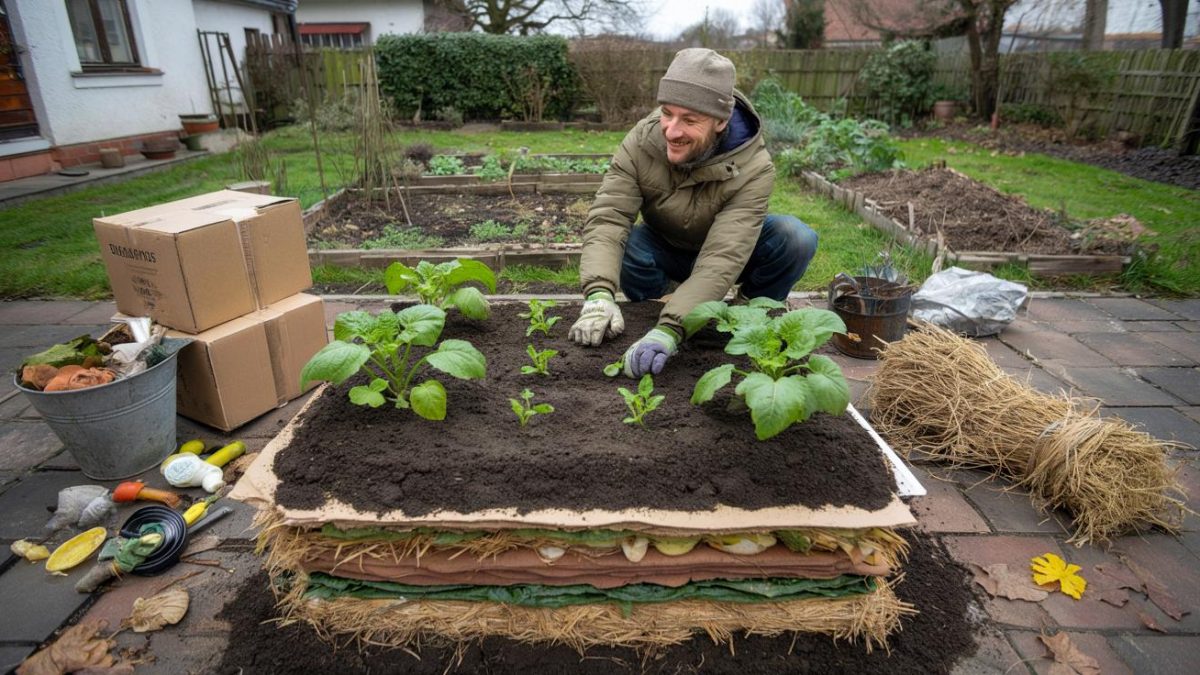
As the winter chill starts to dissipate and the first signs of spring begin to emerge, a growing number of hobby gardeners are turning their attention to a unique approach to growing their summer produce – the lasagna garden bed. This innovative method is gaining traction among those seeking a more efficient and less labor-intensive way to cultivate their own fruits and vegetables.
The concept of the lasagna garden bed is rooted in the idea of layering different organic materials, much like the classic Italian dish of the same name. By strategically arranging these layers, gardeners can create a nutrient-rich, well-aerated soil that requires minimal digging or tilling, providing an ideal foundation for a thriving vegetable patch.
For many, the appeal of the lasagna garden lies in its ability to address common challenges faced by traditional gardeners, from back-breaking labor to persistent weed issues. As the trend gains momentum, it’s clear that this method is resonating with a growing segment of the population who are eager to reap the benefits of home-grown produce without the physical strain often associated with conventional gardening.
The Essence of a Lasagna Garden Bed
At the heart of the lasagna garden bed is the concept of layering different organic materials to create a nutrient-rich and well-aerated soil. This approach differs from traditional gardening methods, which often involve extensive digging, tilling, and soil preparation. Instead, the lasagna garden bed is built up in layers, with each layer serving a specific purpose in creating a healthy growing environment.
- ➡Vier unscheinbare Alltagsgewohnheiten, mit denen 50‑Jährige innerlich erstaunlich ruhig werden
- ➡Warum die 50er-Jahrgänge einfach nicht aufgeben: Psychologen lösen das Rätsel
- ➡Podologin warnt: Dieses Schuhmaterial ruiniert Ihre Frühlingsfüße
- ➡Mit diesem simplen Trick locken Sie Vögel im Winter in Ihren Garten
The base layer typically consists of cardboard or newspaper, which helps to smother existing weeds and grass, while also providing a stable foundation for the subsequent layers. Above this, gardeners will add a layer of nitrogen-rich materials, such as fresh grass clippings or vegetable scraps, followed by a layer of carbon-rich materials, like dried leaves or straw.
These alternating layers of “green” (nitrogen-rich) and “brown” (carbon-rich) materials are then topped with a layer of compost or well-aged manure, providing a nutrient-dense substrate for the plants to thrive. Over time, as the organic matter decomposes, it creates a rich, loamy soil that is ideal for growing a wide variety of vegetables, herbs, and even some fruits.
The Benefits of Lasagna Gardening
One of the primary advantages of the lasagna garden bed is the reduction in physical labor required compared to traditional gardening methods. By eliminating the need for extensive digging and tilling, gardeners can avoid the strain and fatigue that often accompanies these tasks. This makes the lasagna garden bed an attractive option for those with limited mobility, back issues, or simply a preference for a less physically demanding approach to gardening.
Another key benefit of the lasagna garden bed is its ability to suppress weeds. The layered construction, combined with the use of cardboard or newspaper as a base, creates a barrier that effectively blocks the growth of unwanted plants. This means less time spent on weeding and more focus on cultivating the desired crops.
Additionally, the lasagna garden bed’s layered design helps to retain moisture, reducing the need for frequent watering. As the organic matter decomposes, it releases water slowly, providing a steady supply of moisture for the plants. This can be particularly advantageous in regions with hot, dry summers or areas prone to water scarcity.
Timing is Everything: The Ideal Time to Start a Lasagna Garden
While the concept of the lasagna garden bed may seem appealing year-round, the late winter and early spring months are often considered the optimal time to establish this type of gardening system. As the ground begins to thaw and the first signs of new growth emerge, this period offers gardeners the perfect opportunity to layer their organic materials and create a nutrient-rich foundation for their summer crops.
By starting the process in the late winter, gardeners can take advantage of the natural decomposition process, allowing the organic matter to break down and integrate into the soil before the peak growing season arrives. This ensures that the soil is well-nourished and ready to support the rapid growth of vegetables, herbs, and other plants.
Furthermore, the late winter and early spring months often coincide with the availability of materials like fallen leaves, straw, and other organic waste, making it an ideal time to gather the necessary components for building a lasagna garden bed.
- ➡Glücksstrauch für den Saisonstart: Warum Gärtner jetzt auf Ilex setzen
- ➡Warnung vor belastetem Kochschinken: Diese Packungen sollten Sie sofort prüfen
- ➡Unscheinbare Staude, große Wirkung: Mit dieser Gartenpflanze locken Sie Meisen in Scharen an
- ➡Terrassen-Falle: Darum dürfen Sie Unkraut jetzt noch nicht entfernen
Composting: The Backbone of a Successful Lasagna Garden
At the heart of the lasagna garden bed is the concept of composting, which plays a crucial role in creating the nutrient-rich soil that is essential for healthy plant growth. By incorporating a composting system into their gardening practice, gardeners can transform a variety of organic waste materials into a valuable resource known as “gardener’s gold.”
The open-air composting approach commonly used in lasagna gardening allows for the natural decomposition of materials like vegetable scraps, yard waste, and even shredded paper. As these materials break down, they release a wealth of essential nutrients that can be easily incorporated into the layers of the lasagna garden bed.
By actively managing their composting system, gardeners can ensure a steady supply of nutrient-dense material to replenish their soil, reducing the need for expensive and potentially harmful chemical fertilizers. This closed-loop approach not only benefits the plants but also helps to reduce waste and promote sustainable gardening practices.
The Unsung Heroes: Earthworms and Their Role in Lasagna Gardening
Beneath the layers of the lasagna garden bed, a hidden army of hardworking earthworms plays a vital role in creating a thriving growing environment. These small but mighty creatures are nature’s own soil aerators, burrowing through the layers and leaving behind nutrient-rich casts that further enrich the soil.
As the organic matter in the lasagna garden bed decomposes, it attracts a diverse population of earthworms, which in turn aerate the soil and improve its drainage. This process not only enhances the overall health of the plants but also reduces the need for manual tilling or soil turning, making the gardening process even more effortless for the hobby gardener.
By creating a welcoming environment for these unsung heroes, gardeners can harness the power of natural soil-building processes, ultimately leading to a more productive and sustainable vegetable patch.
Practical Considerations for Starting a Lasagna Garden Bed
As the interest in lasagna gardening continues to grow, aspiring hobby gardeners may have questions about the practical aspects of establishing and maintaining this unique gardening system. From the size and dimensions of the bed to the specific materials required, there are several important factors to consider when embarking on this journey.
One of the primary considerations is the size and layout of the lasagna garden bed. While there is no one-size-fits-all approach, experts generally recommend starting with a manageable area, such as a 4×8-foot raised bed or a 6×6-foot in-ground plot. This size allows for easy access and maintenance while still providing ample growing space for a variety of vegetables and herbs.
When it comes to the height of the lasagna garden bed, a good rule of thumb is to aim for a final depth of 12 to 18 inches. This depth provides enough room for the layered materials to decompose and create a rich, fertile soil, while also allowing for adequate root growth and moisture retention.
Navigating the Potential Risks and Pitfalls of Lasagna Gardening
As with any gardening method, there are potential risks and pitfalls associated with the lasagna garden bed approach that gardeners should be aware of. Understanding these potential challenges can help ensure a successful and rewarding gardening experience.
One common concern is the potential for the layers to become compacted, which can impede the flow of air and water through the soil. To mitigate this risk, it’s important to carefully select and arrange the organic materials, ensuring that there is a good balance of “green” and “brown” components and that the layers are not overly dense.
Another potential issue is the presence of unwanted pests or diseases that may be introduced through the various organic materials used in the lasagna garden bed. Gardeners should be vigilant in sourcing high-quality, pest-free materials and taking steps to monitor the garden for any signs of infestations or disease.
By being mindful of these potential risks and taking proactive measures to address them, hobby gardeners can maximize the benefits of the lasagna garden bed and enjoy a bountiful and productive growing season.
Integrating Lasagna Gardening with Other Sustainable Practices
The lasagna garden bed approach is often seen as a complementary component of a broader, sustainable gardening strategy. By combining this method with other eco-friendly practices, hobby gardeners can create a holistic and self-sustaining system that maximizes the productivity and long-term health of their vegetable patches.
One such integration is the use of raised garden beds, which can provide additional benefits when combined with the lasagna gardening approach. The raised bed helps to improve drainage, provide better access for gardeners, and create a more defined growing area, while the layered organic materials of the lasagna garden bed contribute to the overall soil fertility and plant health.
Additionally, many hobby gardeners are exploring the synergies between lasagna gardening and traditional composting systems. By incorporating the compost generated from their household and yard waste into the lasagna garden bed, gardeners can create a closed-loop system that minimizes waste and maximizes the nutrients available to their plants.
- ➡Sport am Abend: Macht Training spät wirklich schlaflos – oder entspannt es?
- ➡Neue The Last of Us‑Sammlerstatue: Joel und Ellie kehren zurück
- ➡Mit 78 Jahren Aquagym ausprobieren: Wie Wassertraining Gelenke entlastet und Muskeln aktiviert
- ➡Hammer-Gerücht um Marseille: Platini erklärt OM-Plänen klare Absage
Frequently Asked Questions (FAQs)
What is a lasagna garden bed, and how does it differ from a traditional garden?
A lasagna garden bed is a method of creating a nutrient-rich growing environment by layering different organic materials, similar to the way a lasagna is built. This approach differs from traditional gardening, which often involves extensive digging, tilling, and soil preparation.
What are the benefits of using a lasagna garden bed?
The key benefits of a lasagna garden bed include reduced physical labor, better weed suppression, improved moisture retention, and the creation of nutrient-dense soil through the decomposition of the organic materials.
When is the best time to start a lasagna garden bed?
The late winter and early spring months are generally considered the optimal time to establish a lasagna garden bed. This allows the organic materials to decompose and integrate into the soil before the peak growing season arrives.
What materials are used in a lasagna garden bed?
Typical materials used in a lasagna garden bed include cardboard or newspaper (as a base layer), nitrogen-rich “green” materials (such as fresh grass clippings or vegetable scraps), carbon-rich “brown” materials (like dried leaves or straw), and a top layer of compost or well-aged manure.
How do earthworms contribute to a lasagna garden bed?
Earthworms play a vital role in a lasagna garden bed by aerating the soil, improving drainage, and enriching the soil with their nutrient-rich castings. As the organic matter decomposes, it attracts a diverse population of earthworms, which further enhance the growing environment.
How big should a lasagna garden bed be, and how deep should it be?
Experts generally recommend starting with a manageable size, such as a 4×8-foot raised bed or a 6×6-foot in-ground plot. The ideal depth for a lasagna garden bed is between 12 to 18 inches, providing enough room for the layered materials to decompose and create a rich, fertile soil.
What are some potential risks or challenges with a lasagna garden bed?
Potential risks include the layers becoming compacted, which can impede air and water flow, and the introduction of unwanted pests or diseases through the organic materials. Gardeners should be mindful of these risks and take steps to address them, such as carefully selecting and arranging the materials.
How can a lasagna garden bed be integrated with other sustainable gardening practices?
Lasagna gardening can be combined with other eco-friendly practices, such as using raised garden beds and incorporating a traditional composting system. This holistic approach can create a self-sustaining, nutrient-rich growing environment for a variety of vegetables, herbs, and other plants.
- ➡So teuer ist ein Abend im Lieblingsrestaurant von TV-Star Fauve Hautot in Montmartre
- ➡Genialer Airfryer-Trick: So gelingt locker-leichter Joghurtkuchen ohne Ofen
- ➡IKEA überrascht mit Familien-Sofa unter 900 Euro – lohnt sich der Deal?
- ➡Dieser Supermarkt-Lachs holt 94 von 100 Punkten – lohnt sich der Griff aus der Tiefkühltruhe?